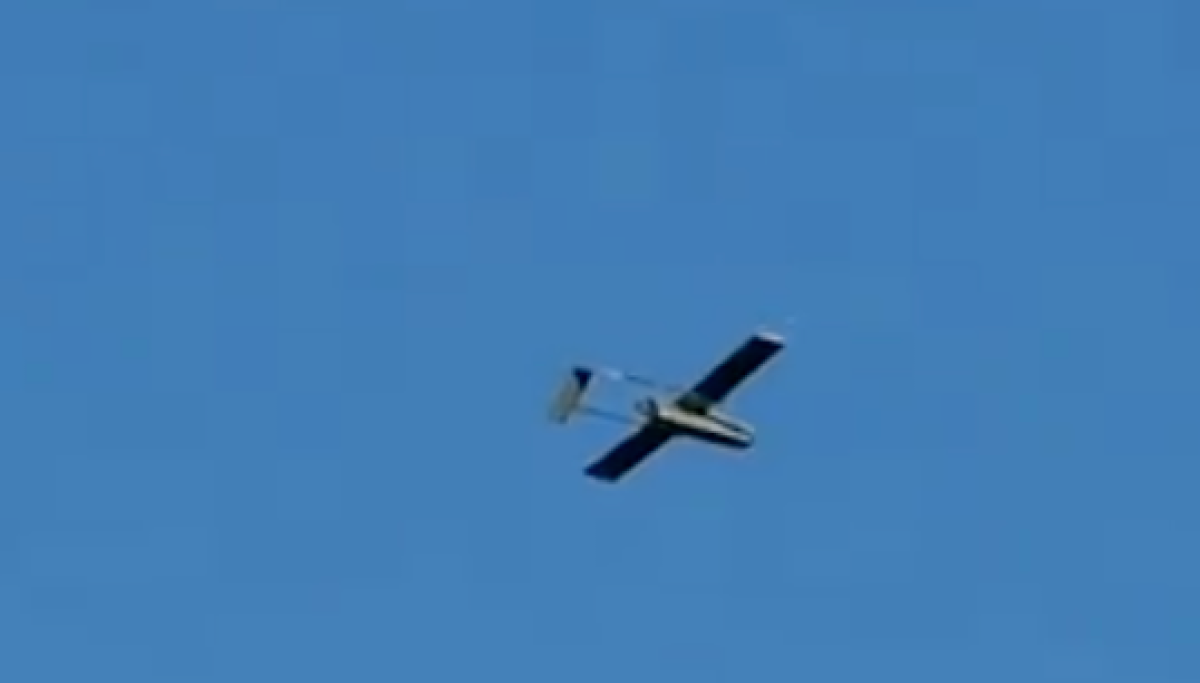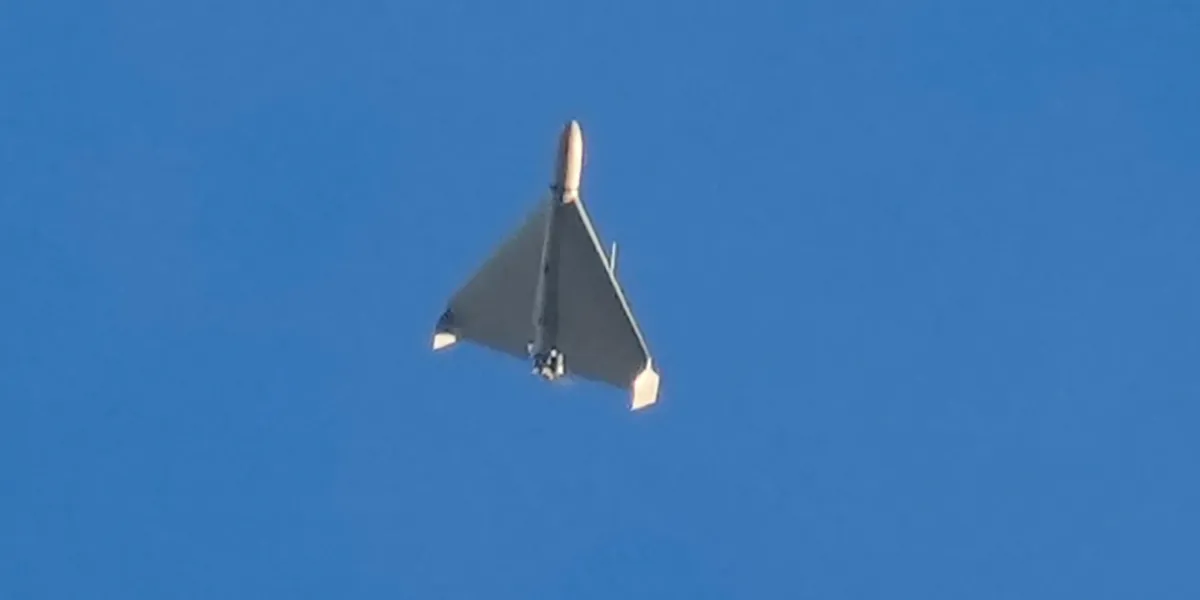
In late March, at the height of active hostilities between the U.S. and Iran, an Iranian drone—likely using Russian targeting data—destroyed a U.S. Air Force E-3 AWACS radar aircraft in Saudi Arabia.
The loss of the $500 million airplane is bad enough, but the loss of capability is even worse.
This aircraft is a command-and-control node critical for tracking airborne enemy threats and attacks and coordinating friendly operations across different platforms. There are now only 15 of these planes in service, and five are deployed to the Middle East. These aircraft range in age from 32 to 59 years old, and with many essential parts no longer being made, not all of them are serviceable. Despite the E-3’s age and critical role in modern operations, its replacement—the E-7 Wedgetail jet—is still years away after Defense Secretary Pete Hegseth tried (but failed) to cancel production last year before Congress overruled him.
Losing one of these systems to an Iranian strike is embarrassing, but it is also a major blow to operations around the world and at home. The loss is even more painful when you consider that it could have been prevented.
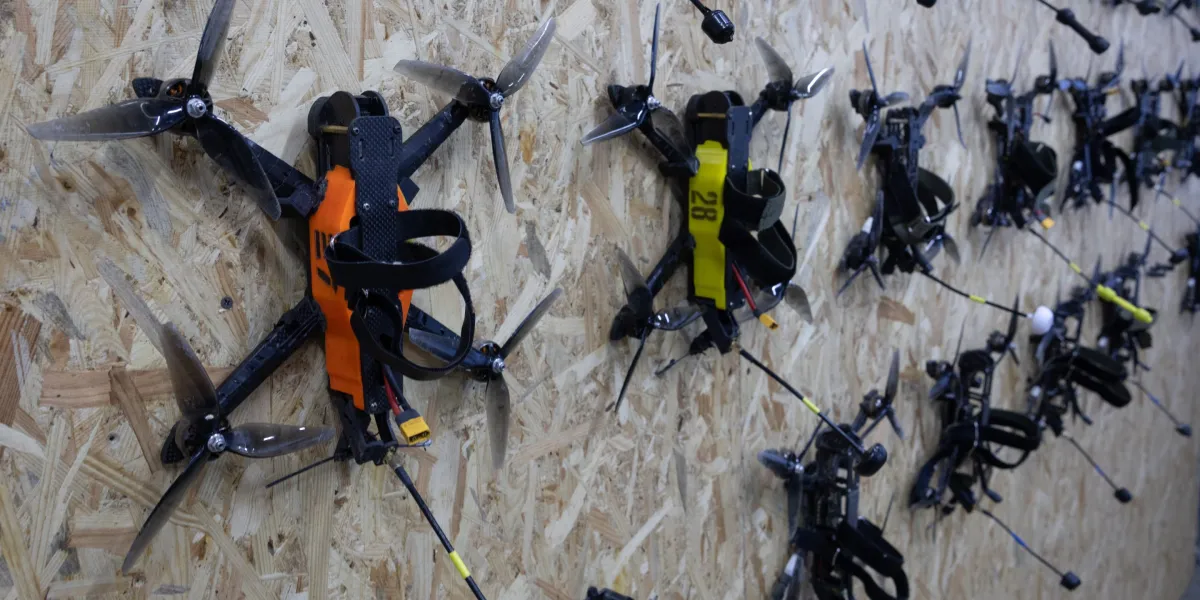
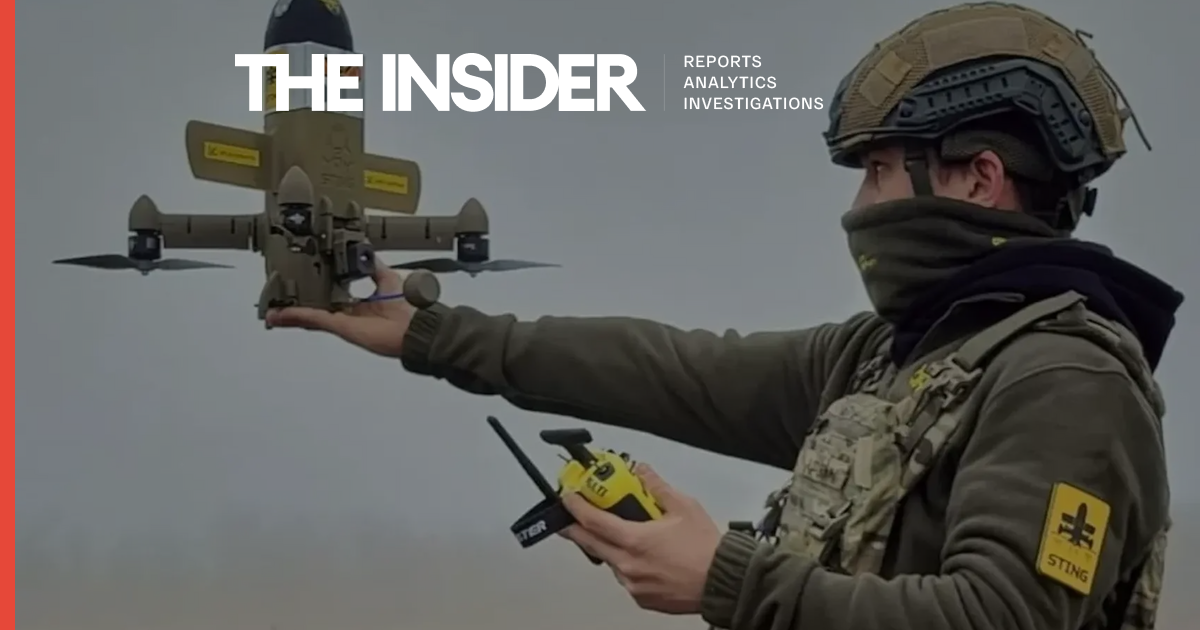
The AWACS is exactly the kind of high-value target our military planners should have anticipated Iran would strike. They could have used passive defenses like camouflage, hardened structures, and decoys, or more active measures like interceptors. What they needed—and didn’t have—are drone interceptors.