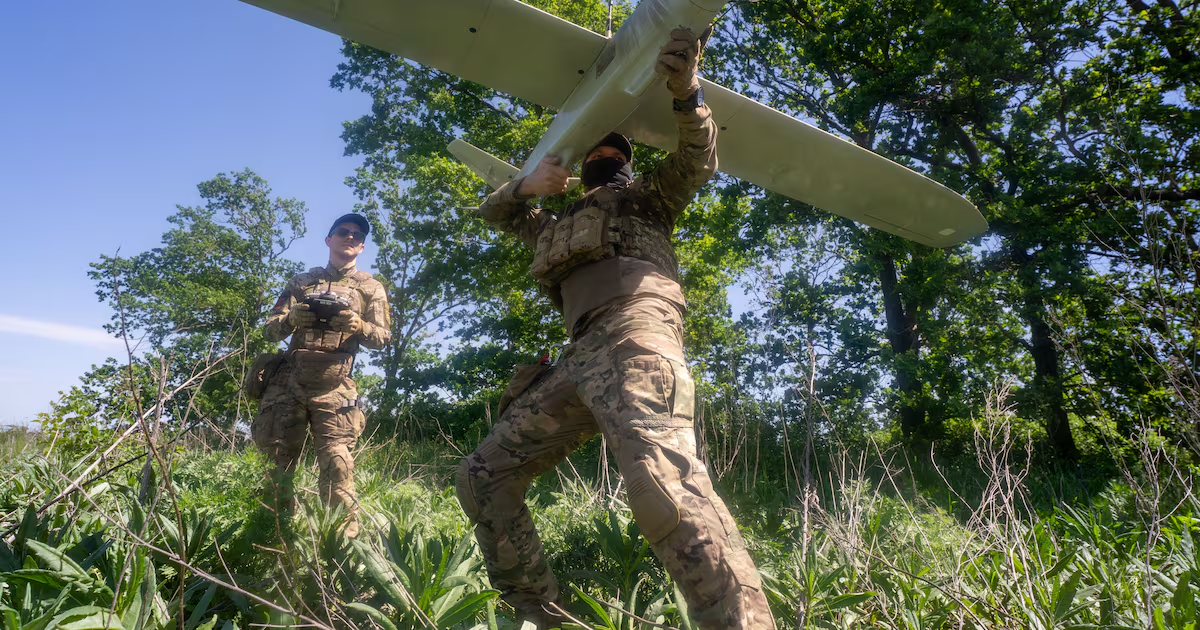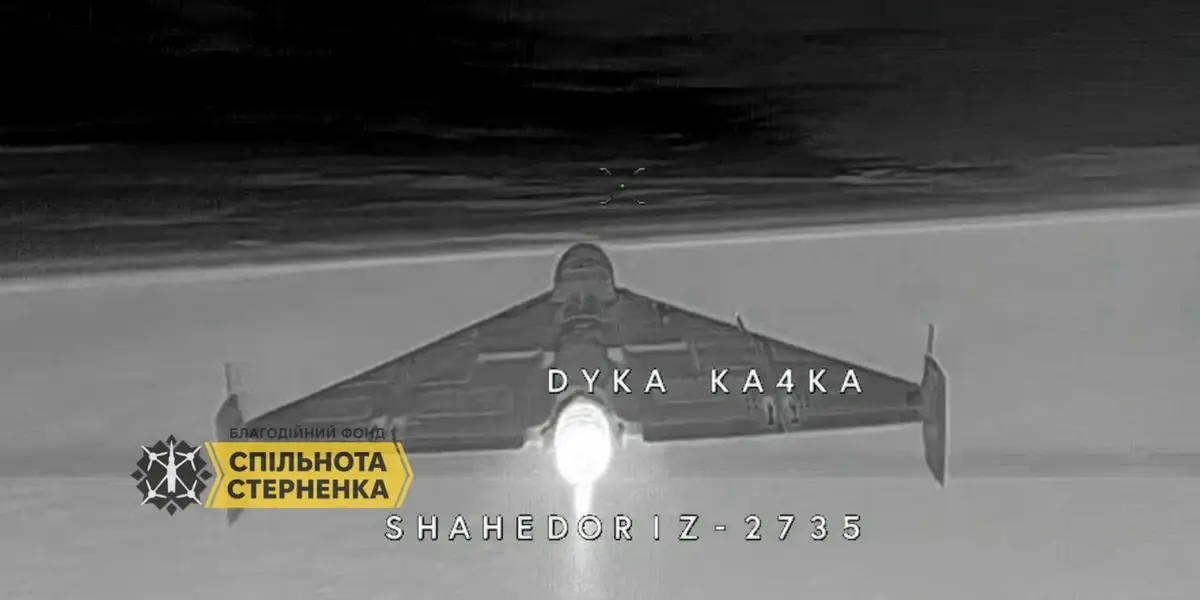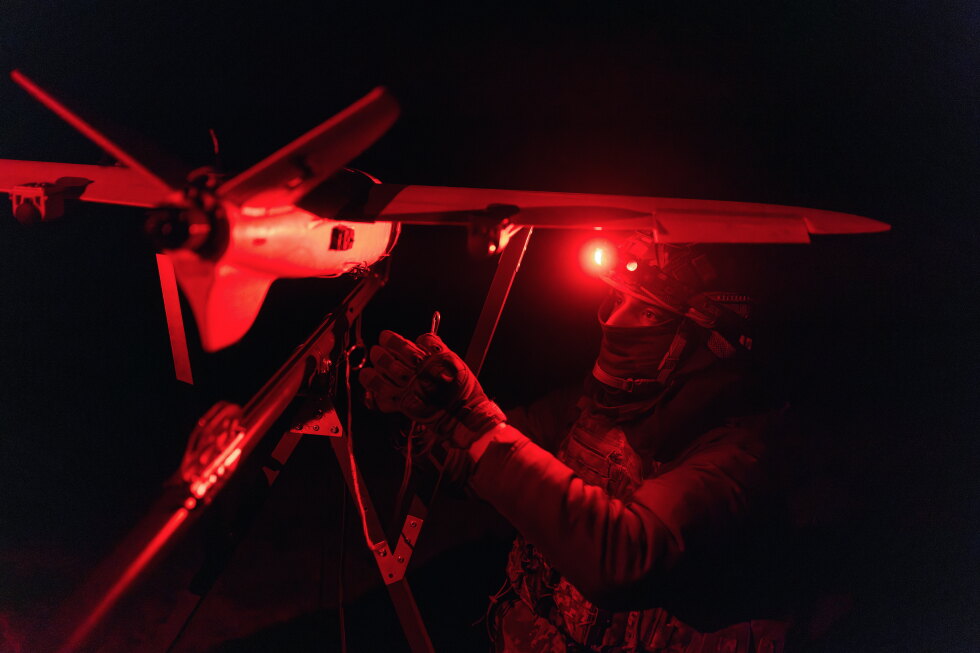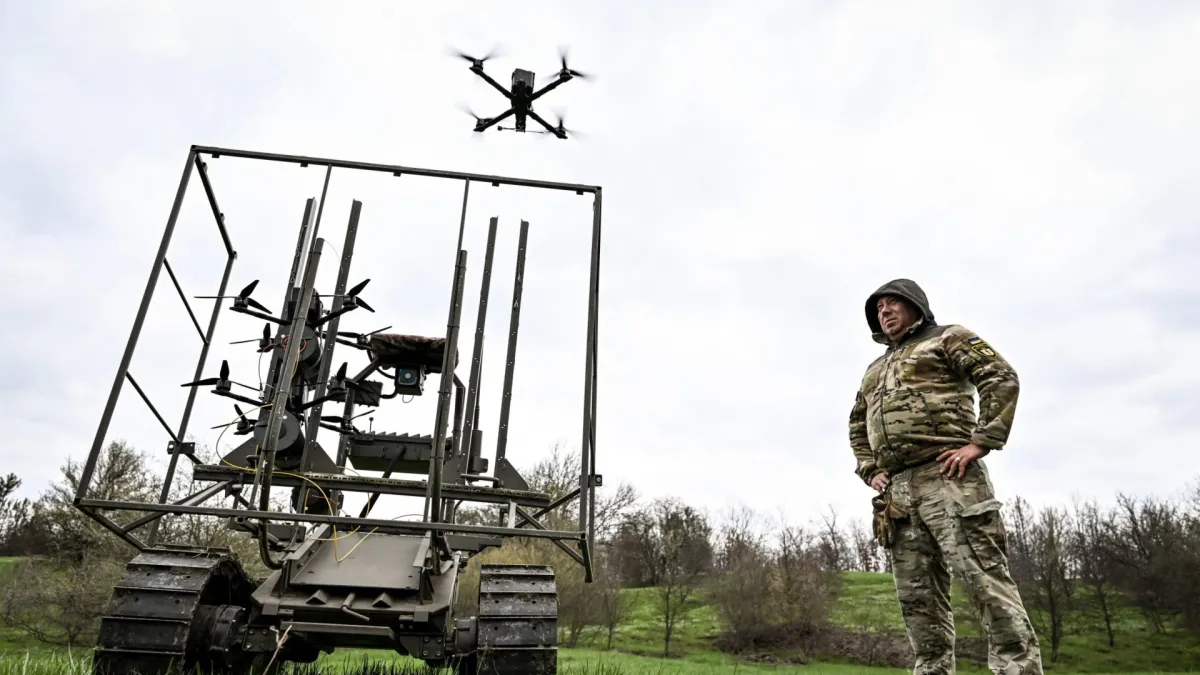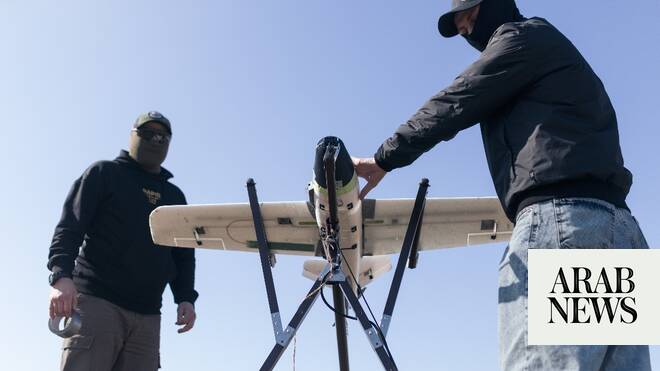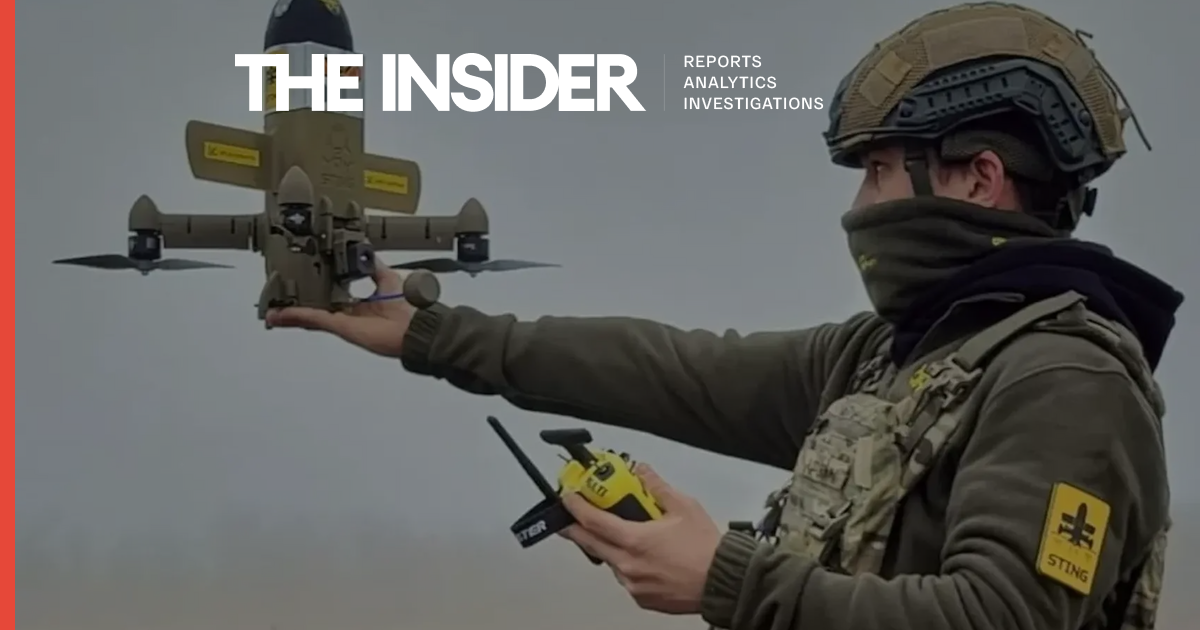
Over the past year, Russia’s war against Ukraine has been marked by an unprecedented surge in UAV use. Drones have become a key element of reconnaissance, fire correction, and target destruction. Drones are so numerous that air defense systems are running out of ammunition to shoot them down. Additionally, as the range of FPV drones has grown, frontline air defense systems have themselves become vulnerable, and reconnaissance UAVs continue to fly unimpeded into the rear at altitudes of several kilometers. However, Ukrainian — and later Russian — forces have learned how to intercept drones en masse using a different type of drone: the anti-aircraft kind. Combined with other elements of layered air defense, these are capable of neutralizing threats that traditional air defense weapons are worst-equipped to cope with. Ukrainian interceptor drones, often operated from hundreds of kilometers away, are already shooting down as many as 45% of targets. This technological know-how may prove useful in other conflicts, including in the Middle East.Contents1.An air defense revolution: cheap and effective anti-aircraft drones2.Russian interceptor drones3.Ukrainian interceptor drones4.The more Russia launches, the more Ukraine shoots down5.Prospects for the development of air defense drones6.Ukrainian air defense drones and the Middle East conflictAn air defense revolution: cheap and effective anti-aircraft dronesShaheds have been one of Ukraine's main problems from the moment of their emergence on the battlefield in the fall of 2022. Together with the lighter Gerbera drones, which often act as decoys or scouts, they have become the primary means of Russian attacks on Ukrainian infrastructure, especially the country’s power grid. From February through April 2026, Russia was launching more than 200 Shahed-type drones into Ukrainian territory each day. For a long time, the Defense Forces of Ukraine (DFU) struggled to find countermeasures until cost-efficient interceptor drones came along.The use of anti-aircraft drones has been a known practice since mid-2024, when the DFU began using modified FPV drones to intercept Russian reconnaissance UAVs, such as the Orlan-10, Zala, and Supercam. Over time, the DFU acquired special-purpose models, such as Sting, Bagnet, and later STRILA, designed first and foremost to counter Shaheds.Today, Ukrainian interceptor drones can hit Russian UAVs at ranges of up to 30 km beyond the line of contact, comparable to the range of a short-range surface-to-air missile (SAM) system.Air defense based on anti-aircraft drones has proved to be cheaper and more mobile than the conventional kind. Intercepting a single Shahed requires up to two interceptor drones that cost around $3000 each. Meanwhile, the cheapest single shot from a SAM system (such as the Vampire) costs approximately $30,000.Interception with air defense drones follows a simple pattern. A signals-intelligence post detects an enemy UAV heading toward the position. Compact radars then determine its range, altitude, and speed in order to give the operator of an air defense FPV a rough understanding of where the target is. Then, as soon as the enemy drone appears in the FPV-goggles or on the screen, the operator locks it in his sights and brings his own drone into close range. Several hundred meters from the target, an aim-hold system may engage automatically, but at the final stage, the operator remains free to choose between a direct ramming, a net drop, or an airburst of the charge.The new technology has been a game-changer at the front, notes aviation expert Valeriy Romanenko. In March 2025, Ukrainian air defense drones (mostly based on primitive quadcopters) shot down a mere 2,518 Russian reconnaissance UAVs, including one Shahed. However, after a year of tactical development, in March 2026 Ukrainian air defense drones destroyed more than 33,000 Russian UAVs of various types, doubling the February figures.In March 2026 Ukrainian air defense drones destroyed more than 33,000 Russian UAVs
Turning the tide on a budget: How Ukrainian interceptor drones learned to shoot down Shaheds and what it means for the war in Iran
Over the past year, Russia’s war against Ukraine has been marked by an unprecedented surge in UAV use. Drones have become a key element of reconnaissance, fire…
4,345 words~20 min read