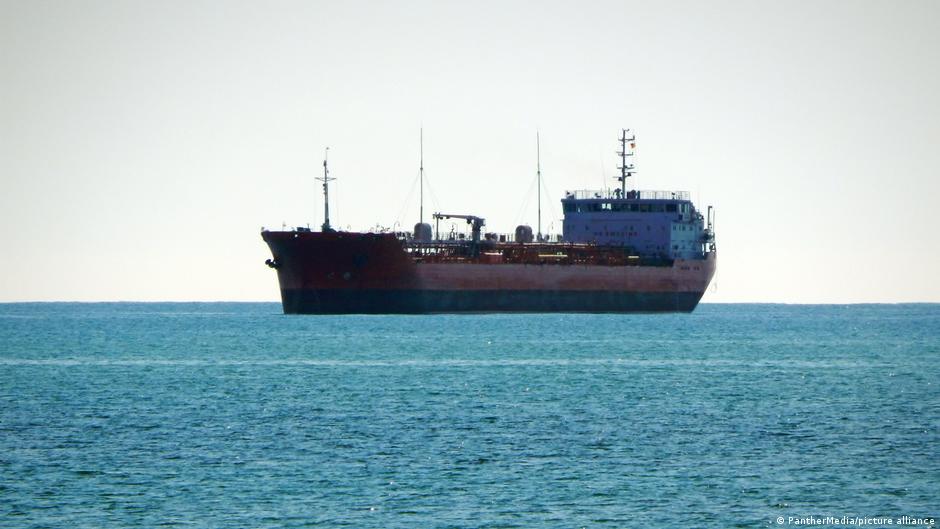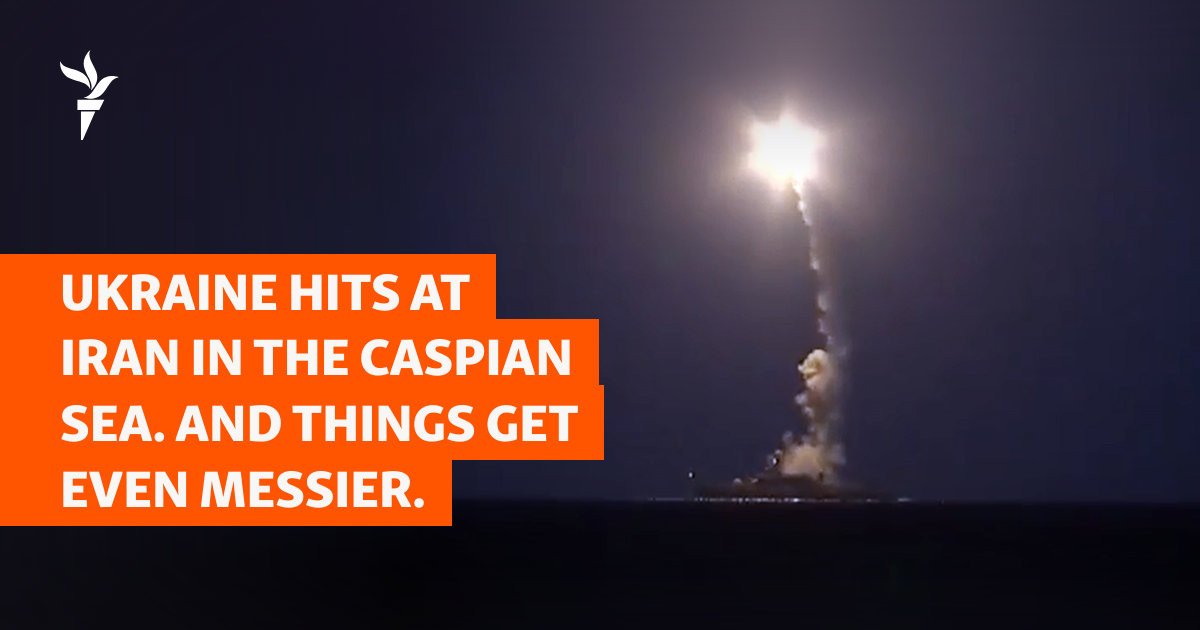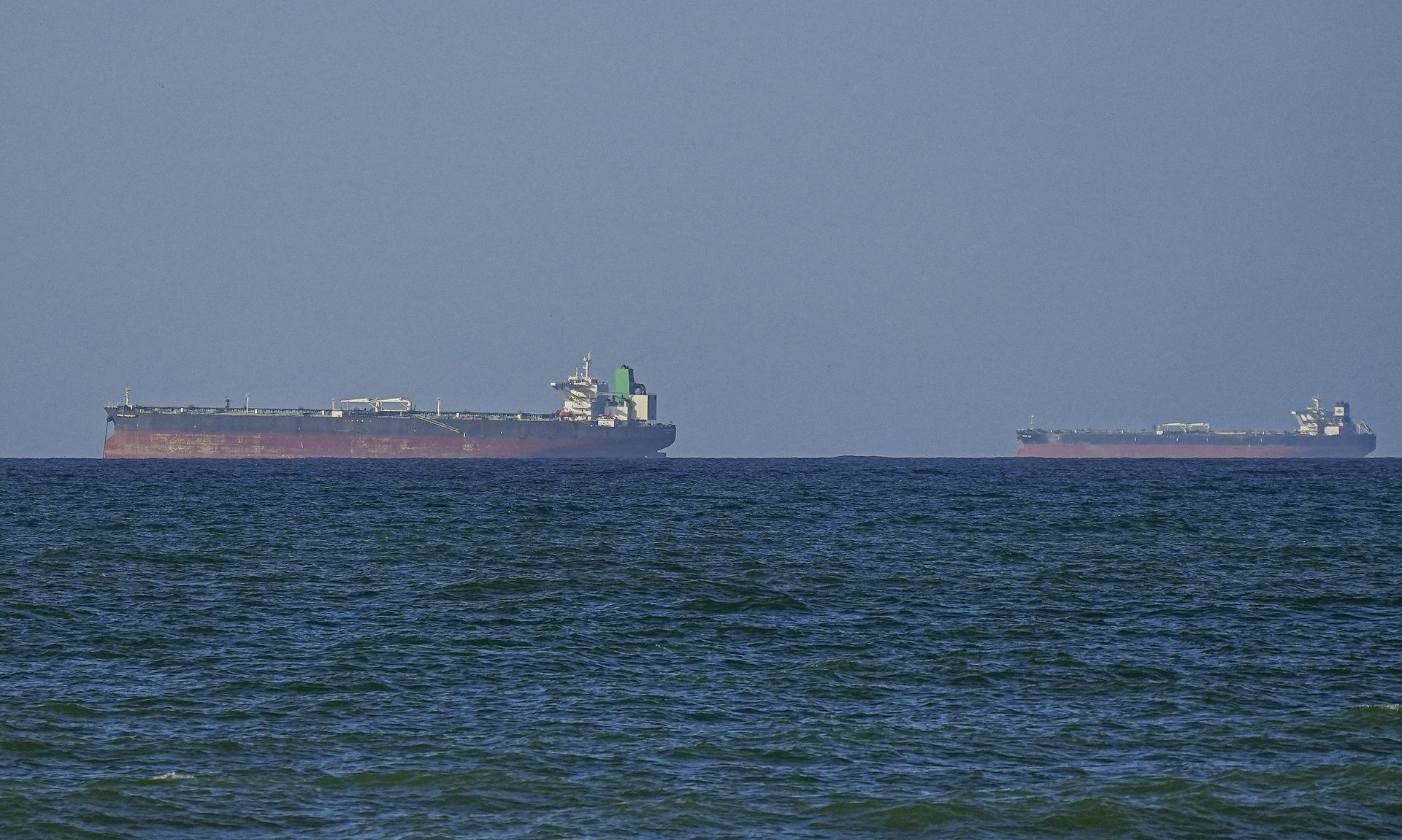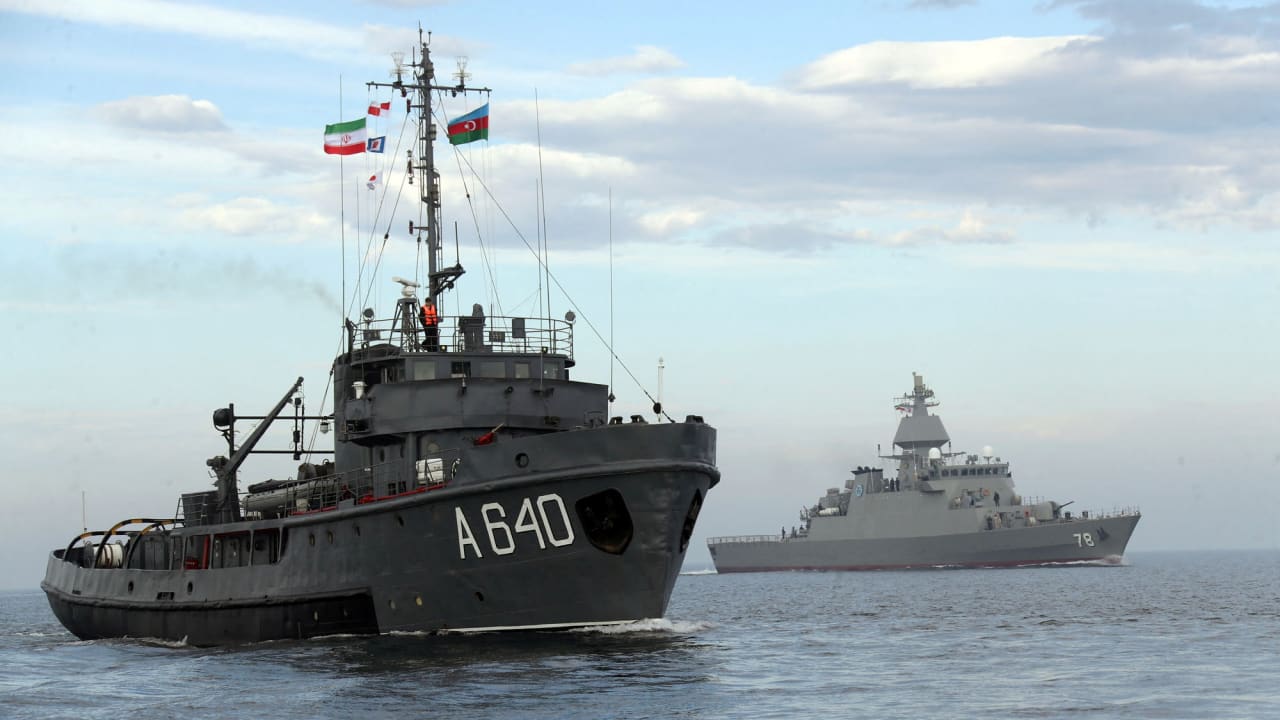
WASHINGTON—On July 25, Ukraine struck an Iranian cargo ship in the Caspian Sea, killing a sailor in the attack. At the time, Ukraine stated that the ship was carrying military equipment to Russia, while Iranian officials claimed it was a commercial ship and warned Kyiv of reprisal. In the days that followed, Tehran reportedly considered carrying out a retaliatory strike, until Iranian Foreign Minister Abas Araghchi spoke with his Ukrainian counterpart, Andrii Sybiha, easing tensions.
The incident does not come as a complete surprise. Since the start of Russia’s full-scale invasion of Ukraine in 2022, Moscow and Tehran have utilized the Caspian Sea to smuggle weapons, drone-related technology, and sanctioned oil, away from international scrutiny. Meanwhile, Ukraine has sought to disrupt the flow of military supplies to Russia by targeting key logistics networks and transportation routes.
While Araghchi has since said that Sybiha described the strike as “unintentional,” and both parties have stated that they do not seek further escalation, the incident brings attention to the ways in which the wars in Ukraine and Iran are intertwined. Illicit smuggling in the Caspian Sea is just one element of a broader Russia-Iran partnership spanning drone production and innovation, intelligence sharing, and sanctions evasion, creating increasingly direct links between the war in Ukraine and conflicts in the Middle East.