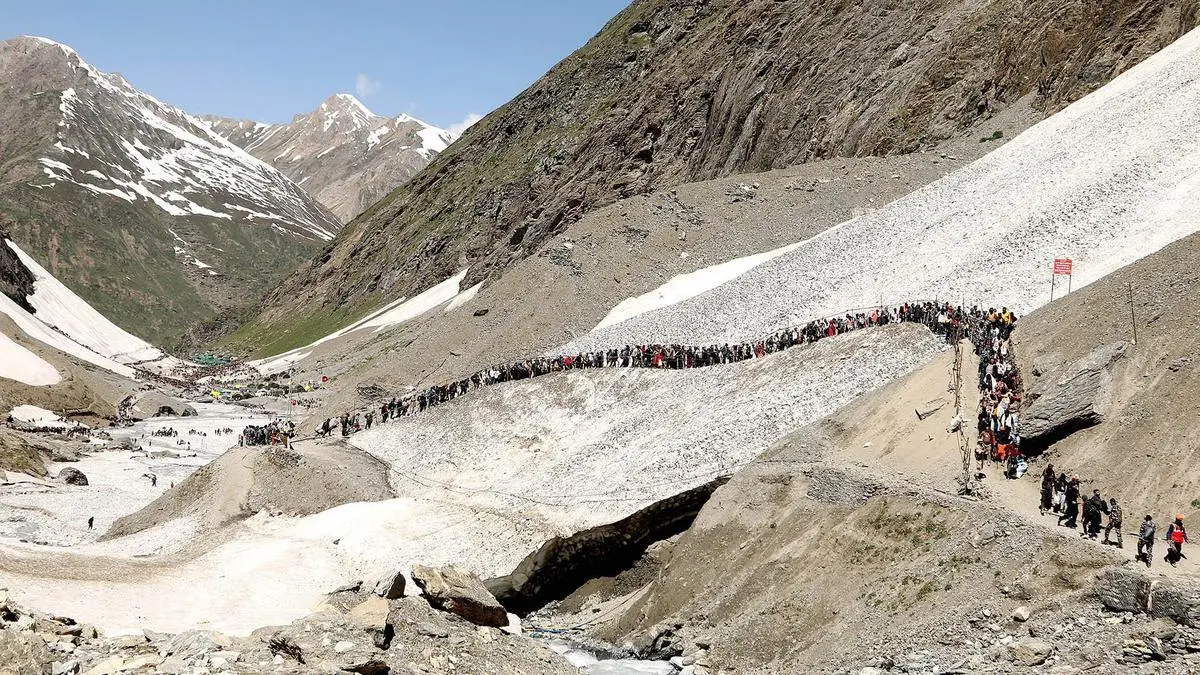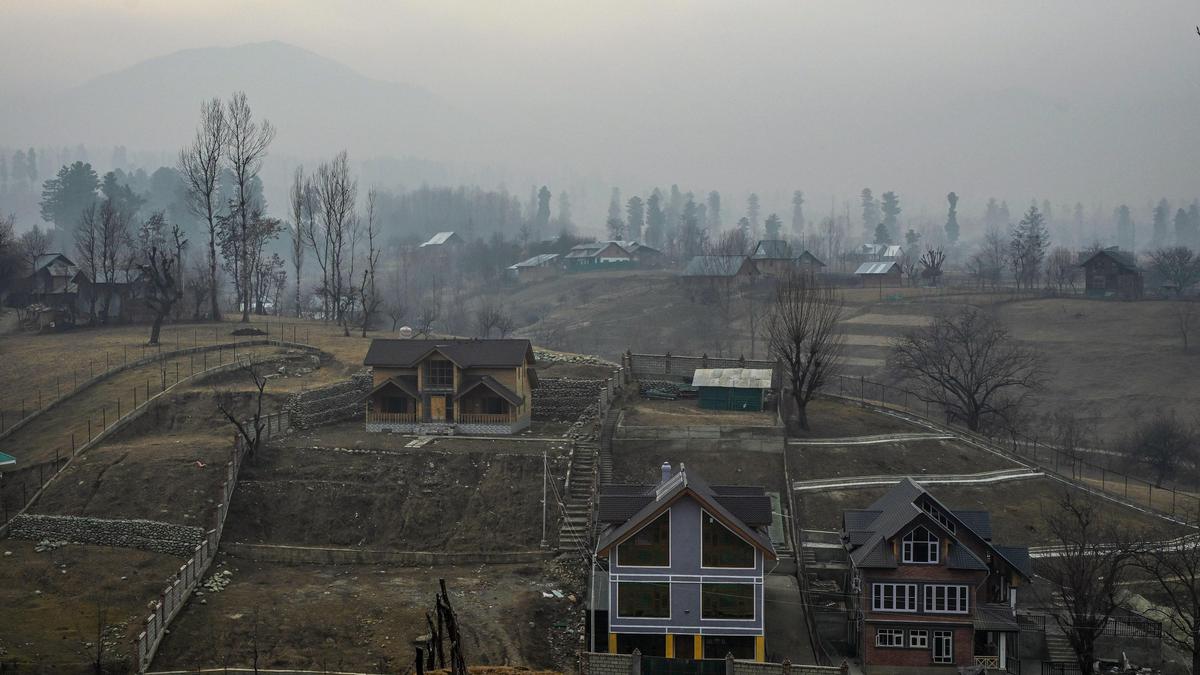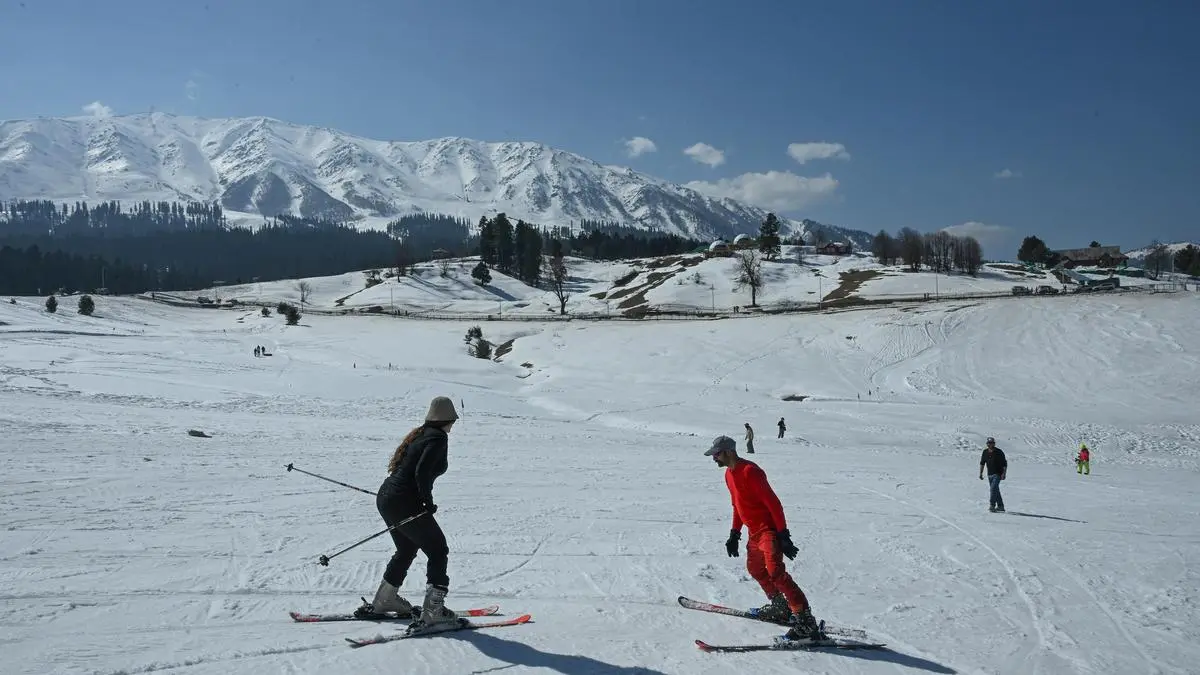
(file photo) Tourists are seen enjoying various activities on snow covered meadows and mountains at Gulmarg in Baramulla district
| Photo Credit:
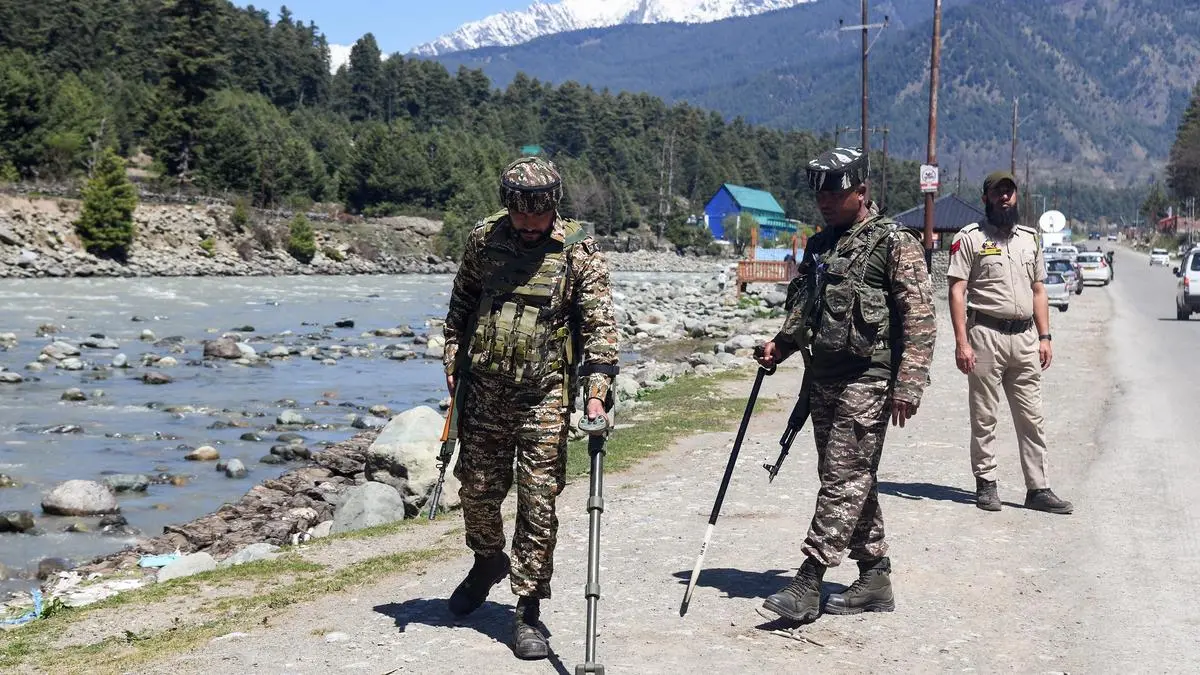
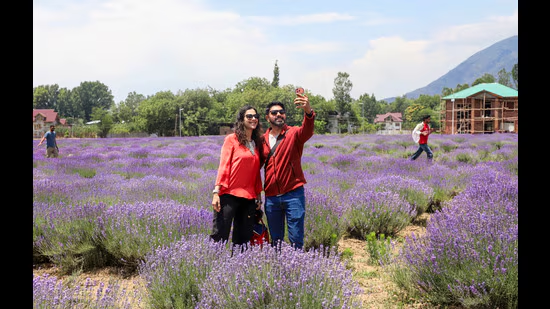
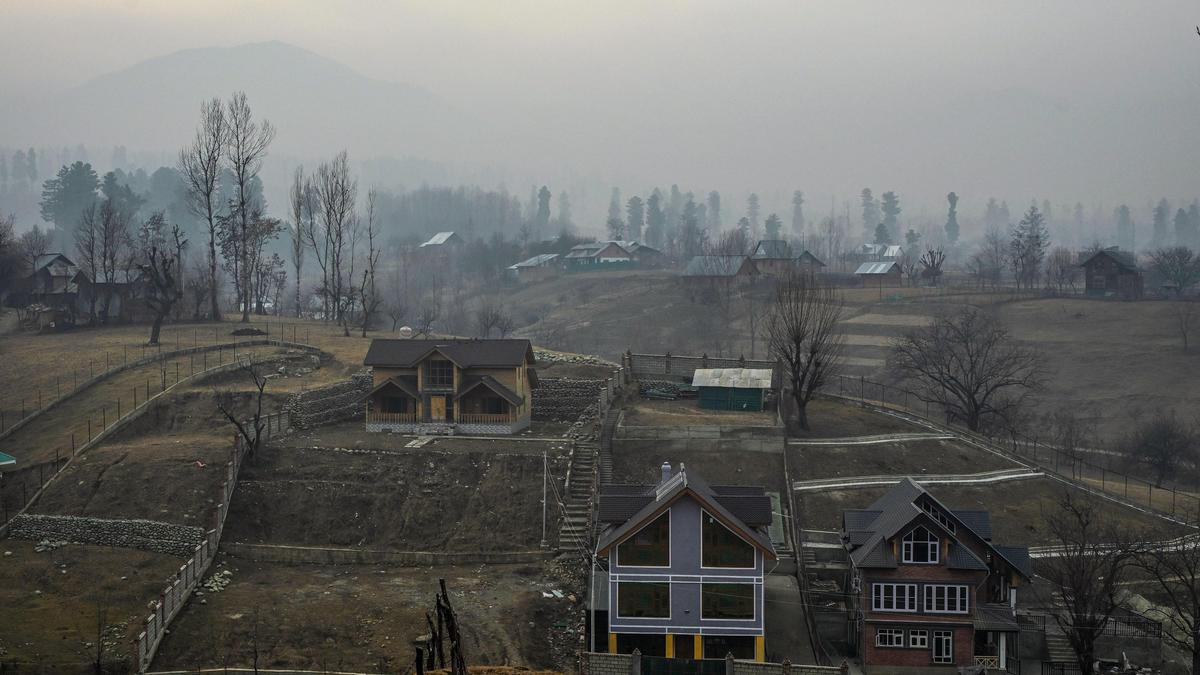
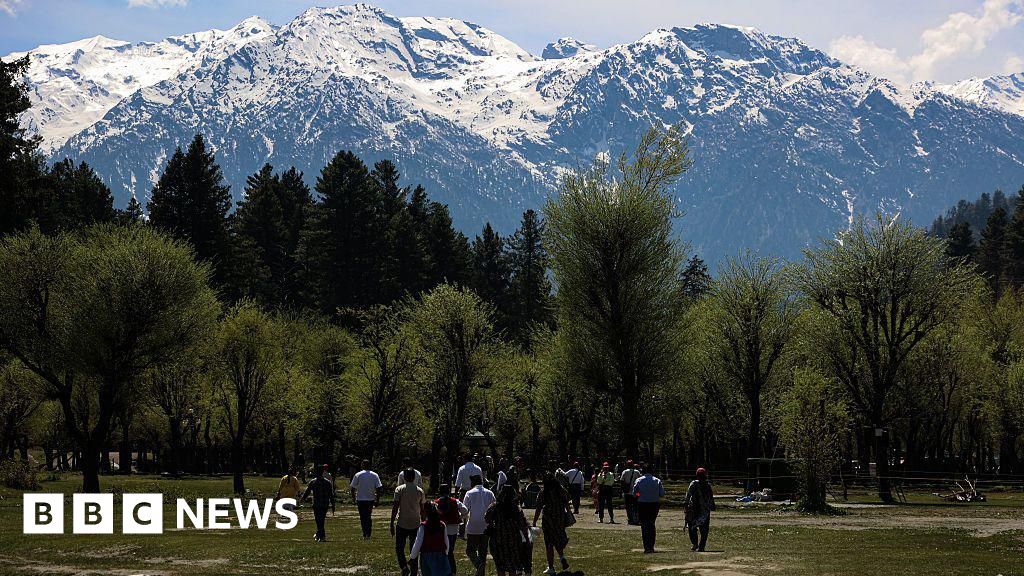
Last month, district administrations across the Kashmir Valley uploaded updated lists of tourist destinations that remain closed following the Pahalgam attack.The lists include around 30 tourist sites spread across six districts of the Valley. Their prolonged closure has not only disrupted tourism-dependent livelihoods but also slowed the development of destinations that had emerged as popular alternatives to Kashmir’s traditional tourist circuit.On April 22, terrorists shot dead 26 people, most of them tourists, in Baisaran meadows of Pahalgam, spurring the government to shut at least 48 tourist destinations. While some of them were reponed in phases after security review, many of them, mostly off-beat destinations, continue to remain out-of- bounds.tourist arrivalsOver the past few years, offbeat destinations such as Aharbal, Bangus Valley, Sinthan Top, Doodhpathri, Gurez and Keran witnessed a steady rise in tourist arrivals as the government promoted lesser-known locations to ease pressure on established resorts like Gulmarg and Pahalgam According to the Jammu and Kashmir Economic Survey 2024-25, the Union Territory recorded 2.36 crore tourist visits in 2024, the highest ever. While the survey does not provide destination-wise figures, officials have repeatedly said that offbeat tourist destinations have also witnessed a significant increase in footfall in recent years.The government’s push to diversify tourism gained momentum in 2023 when it announced plans to develop 75 offbeat tourist destinations across Jammu and Kashmir by improving road connectivity, visitor amenities, sanitation facilities and tourism infrastructure.The prolonged closure of several of these destinations, however, has stalled that momentum. Local stakeholders say tourism activities have come to a standstill, investment has slowed and infrastructure projects have made little progress since the restrictions were imposed.“This place has remained off-limits to visitors since April 22, 2025. We have not seen any development work here since then, and the local economy has suffered badly,” said Nazir Ahmad, a vendor at Aharbal, a famous tourist destination shut since the attack. He said that there were no washrooms available in the area. Hoteliers, taxi operators, guides and shopkeepers who had benefited from the growing popularity of offbeat destinations say their businesses have been severely affected. Many said they had invested in guest houses, restaurants and adventure tourism facilities in anticipation of rising tourist arrivals but have struggled to recover those investments due to the prolonged closure.“I had taken the contract of a park from the government, but suffered huge losses as government shut the destination”, said Shabir Ahamd, a tourism contractor. Tourism stakeholders have urged the administration to review the restrictions and reopen destinations where the security situation permits. They argue that reopening carefully assessed sites would revive local livelihoods while helping sustain the government’s long-term strategy of promoting tourism beyond the Valley’s conventional destinations.“Keeping off-beat tourist destinations inaccessible for prolonged periods has a direct impact on local livelihoods, businesses and the overall development of these emerging tourism circuits”, said Qazi Tauseef, spokesperson of Kashmir Economic Alliance, an umbrella body of traders, transporters and other businesses. Published on August 7, 2026