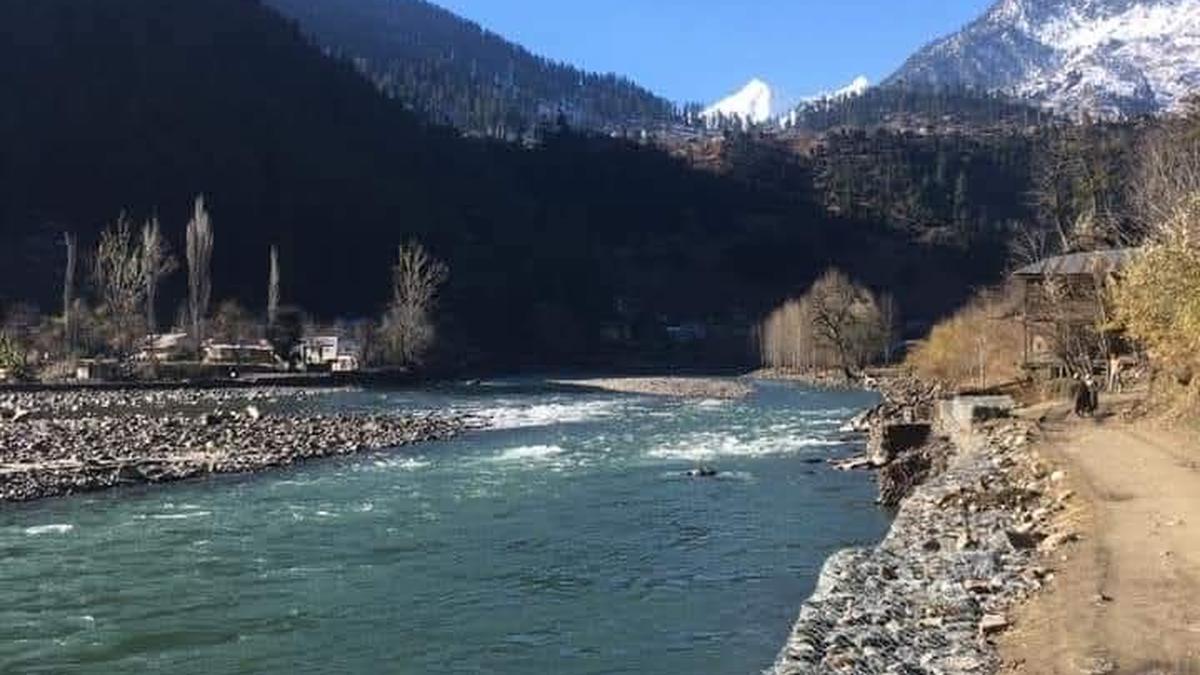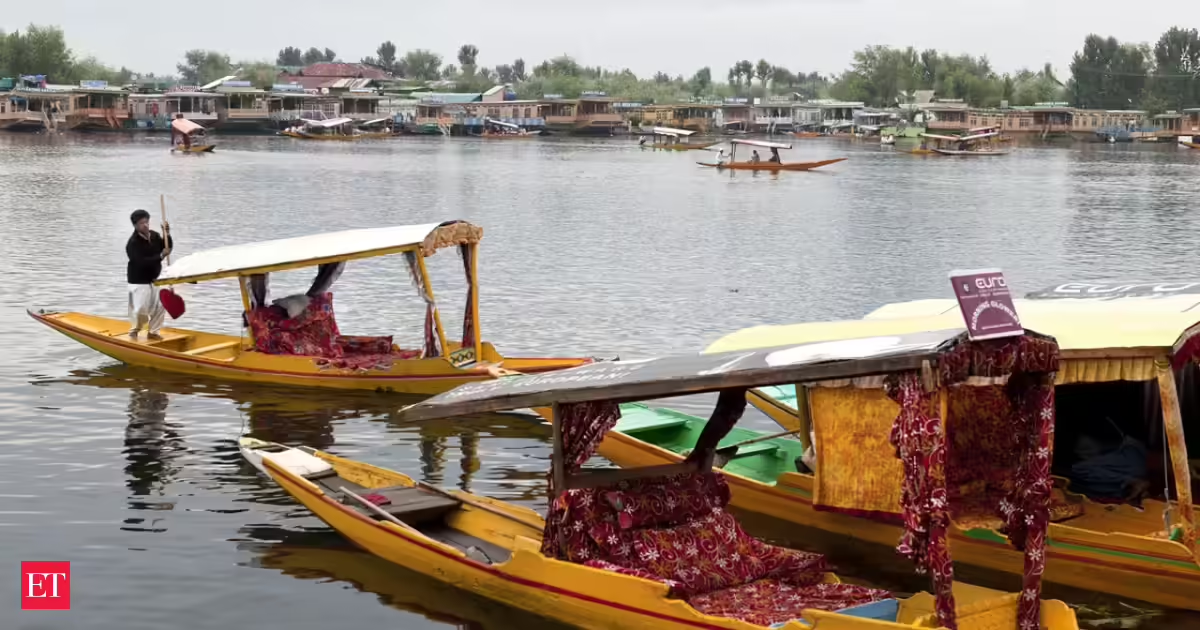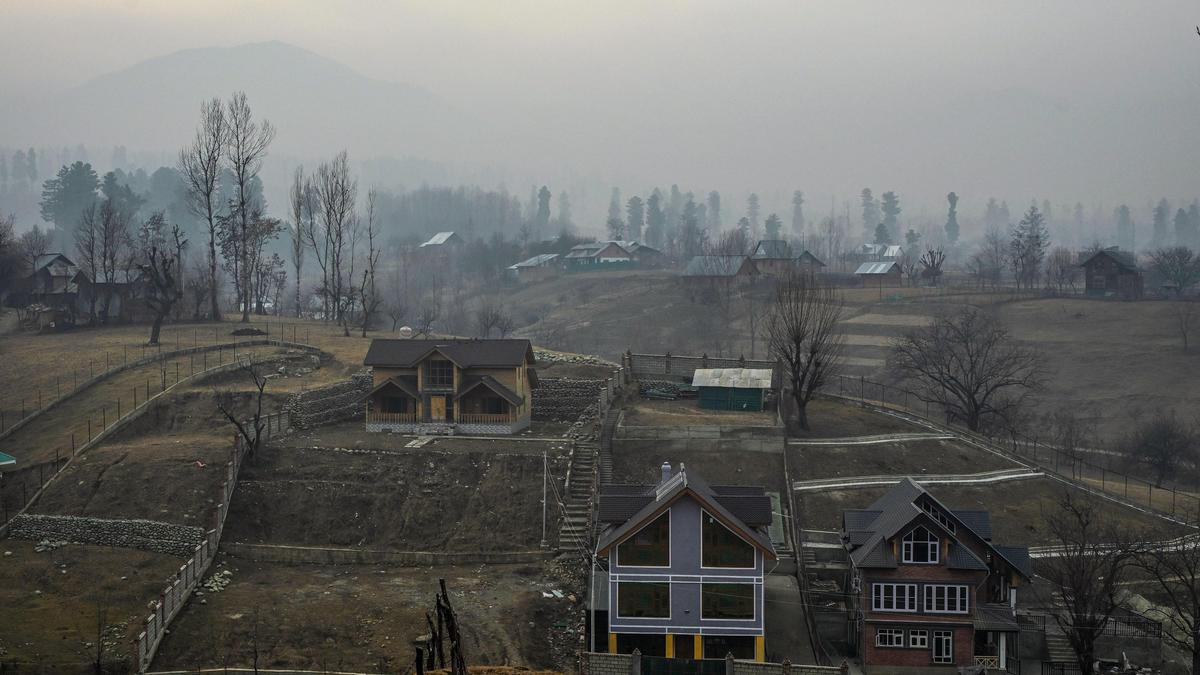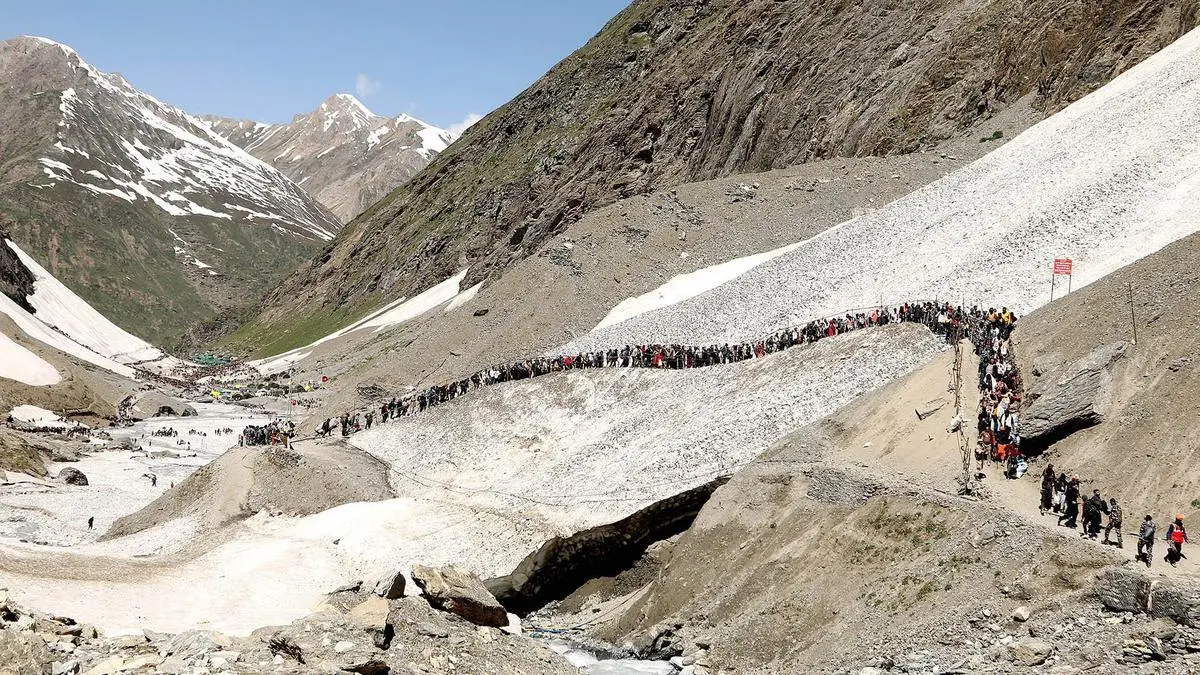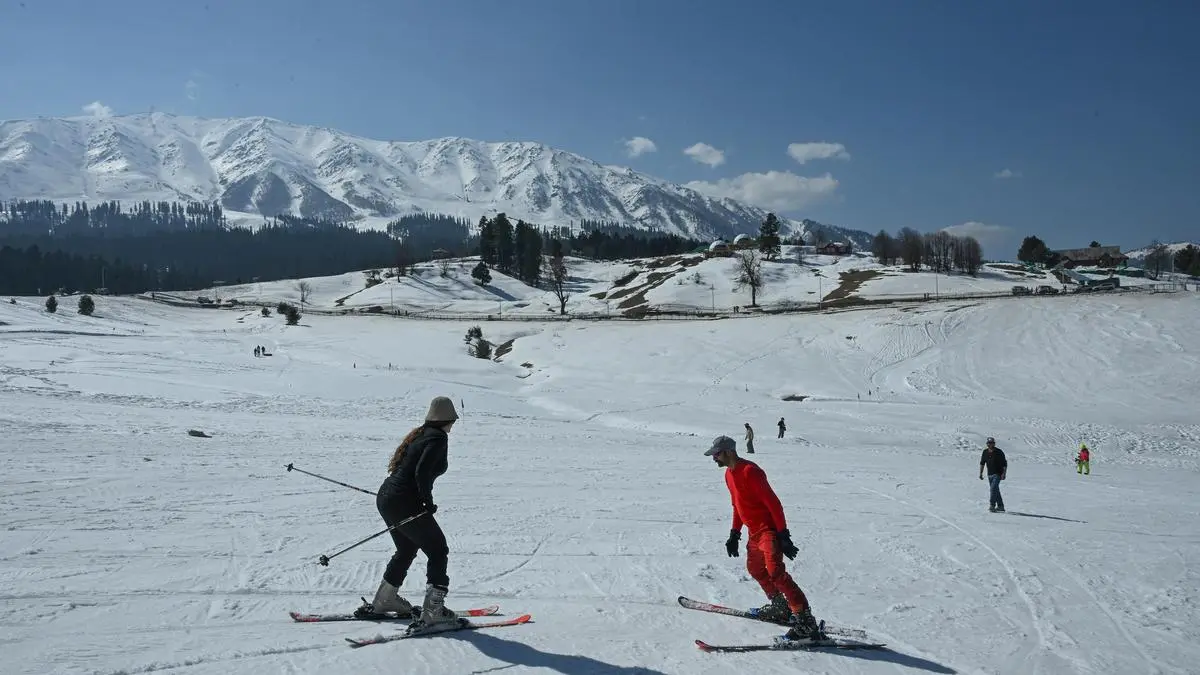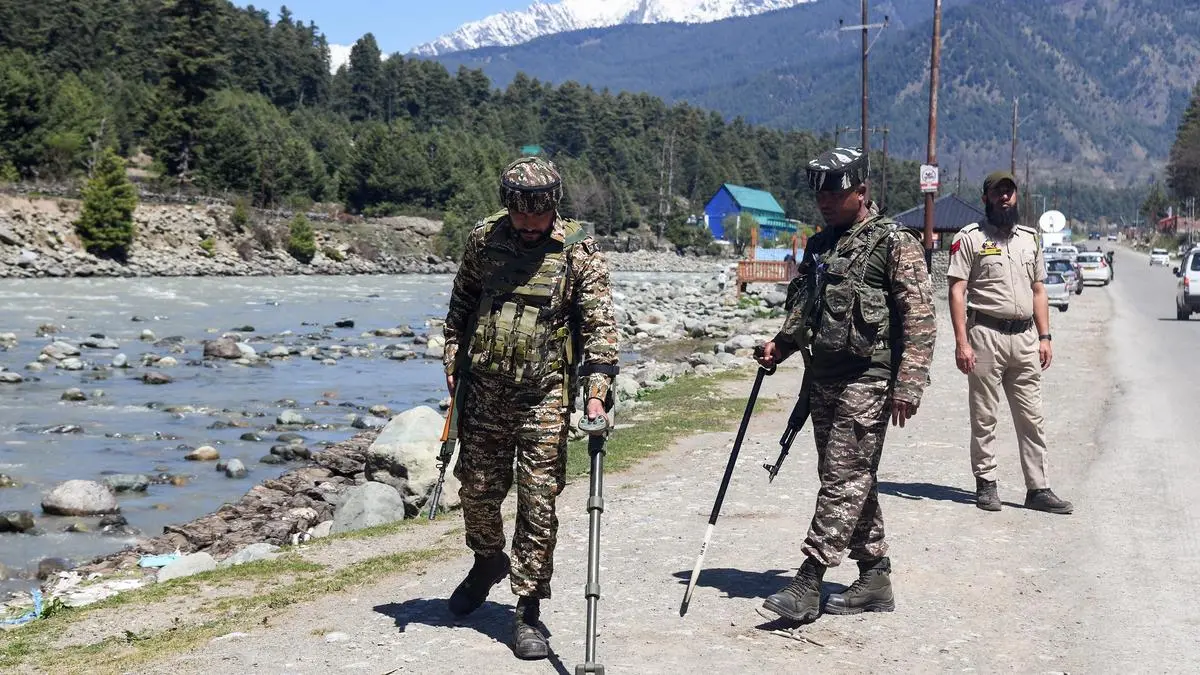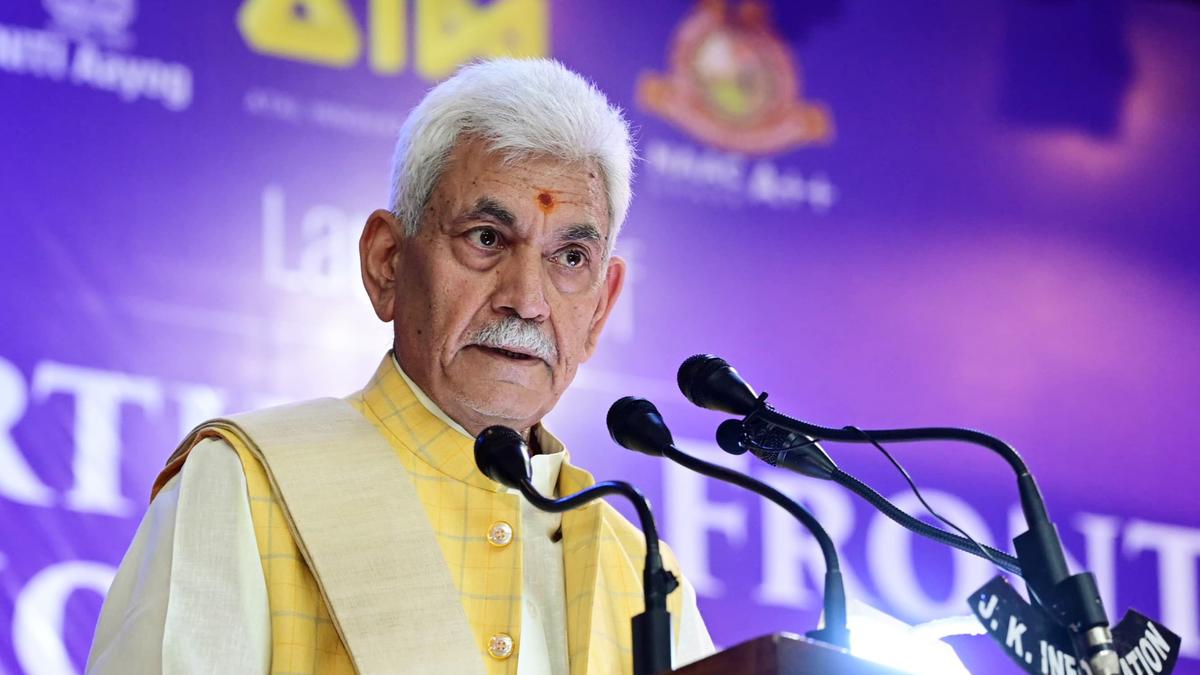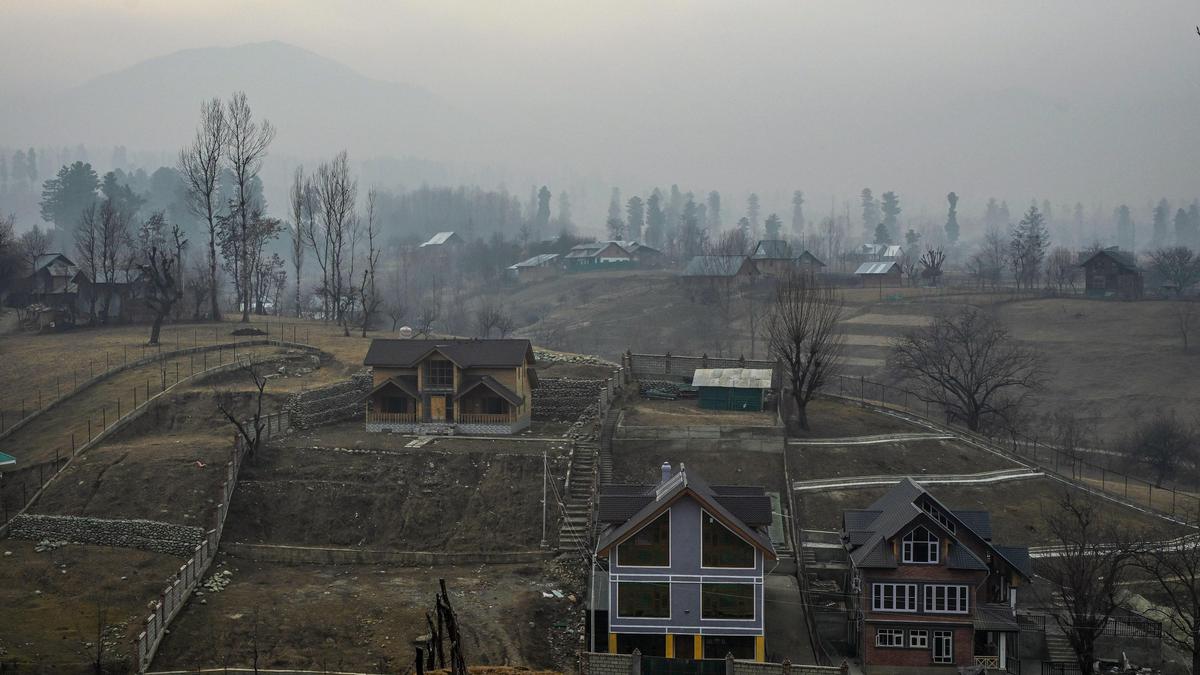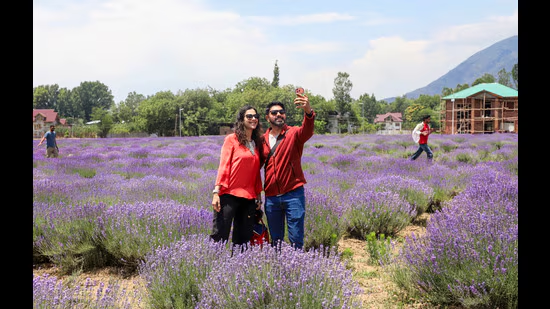
Despite reopening 40 prominent tourist destinations after the Pahalgam terror attack, the Jammu and Kashmir government has maintained a strict, comprehensive ban on all trekking activities across the Valley.Visitors walk through blooming lavender fields during the Lavender Festival, in Ganderbal district on Saturday. (PTI)The sweeping suspension has closed down high-altitude alpine trails—including the Kashmir Great Lakes circuit (comprising Vishansar, Gadsar, and Gangabal), Tarsar Marsar, and the trail from Kishtwar to Ladakh—along with 90 newly opened border routes near the Line of Control (LoC).“We have requested the LG administration and the J&K chief minister several times but so far nothing positive has happened,” said Rouf Tramboo, trekker, ski-mountain guide and adventure travel consultant. “Of late, many youngsters were involved in the trekking business and they are all sitting idle as the government has imposed a ban on trekking, which is causing a huge loss to our tourism sector,” he added.While adventure travellers are missing out on world-class trails and high-altitude trout angling between 3,500 and 3,800 metres, local tourism stakeholders are lobbying for a reviewed security framework to safely reopen these eco-tourism tracks.Soon after the terror attack at Baisaran meadow in Pahalgam that left 25 tourists and one local ponywala dead in April last year, the government imposed a ban on trekking for outsiders and tourists.Currently, Kashmir is witnessing good tourist arrivals, and all the tourist spots are filled with tourists from various parts of the country. “This was the time when we used to take groups from various states for trekking in Sonmarg, Pahalgam, and other destinations. After the ban, there isn’t any trekking going on in the mountains of the Valley,” said Arsalan Ahmad of Ganderbal, who was associated with a trekking agency. “Most outsiders loved the Kashmir Great Lakes trek — a breathtaking experience lasting five to seven days. Now, tourists who love trekking are visiting Ladakh to fulfill their trekking dreams,” he added.Jalal Jeelani, an ace trekker, said that the banning of high-altitude trekking routes across Kashmir has pushed the adventure community into a deep crisis. “Treks such as the Kashmir Great Lakes, Tosamaidan Greater Lakes, Frozen Lakes of Gulmarg, Tarsar Marsar, Shilsar Lakes, Harmukh Lake and Peak, Royal Sar, and several other high-altitude routes remain inaccessible, bringing the adventure landscape to a near standstill. While the security concerns behind these restrictions are understood and respected, a complete ban cannot be a long-term solution,” Jeelani said.He said that the administration has the necessary institutional capacity to regulate trekking activities through a robust system of permissions, route-specific clearances, mandatory registrations, checkpoints, and coordinated monitoring.“The adventure community is fully prepared to cooperate with all reasonable guidelines and formalities required by the authorities. Kashmir’s trekking routes have earned global name, fame, and recognition as the most spectacular trekking destinations in the Himalayas. However, the ban has damaged Kashmir’s reputation as an adventure tourism hub and could have long-lasting consequences for local economies dependent on mountain tourism,” he said.He urged the administration to urgently review the restrictions and reopen trekking routes across Kashmir. “Rather than discouraging young adventure entrepreneurs through blanket bans, policies should aim to support and strengthen this growing sector. The mountains are not only a source of livelihood for many but also a source of inspiration, wellness, and sustainable tourism for the region,” he said.Jeelani also highlighted the economic losses of this ban. “Every summer, thousands of trekking enthusiasts venture into Kashmir’s pristine alpine meadows, lakes, forests, passes, and peaks seeking mental detoxification and spiritual rejuvenation. The prolonged restrictions have deprived them of these experiences while simultaneously affecting the livelihoods of hundreds of local adventure operators, guides, porters, pony owners, campsite workers, and young entrepreneurs who have invested their time and resources in building adventure-based startups.”A senior government official said that after the Baisaran attack, the security review of places and routes is being done from time to time across J&K. “Once there is security clearance, the trekking routes could be opened for tourists. Safety and security of tourists is always our first priority,” the officer said.
J&K maintains trekking ban across Valley despite reopening tourist spots
The sweeping suspension has closed down high-altitude alpine trails—including the Kashmir Great Lakes circuit (comprising Vishansar, Gadsar, and Gangabal), Tarsar Marsar, and the trail from Kishtwar to Ladakh—along with 90 newly opened border routes near the Line of Control (LoC)
669 words~3 min read