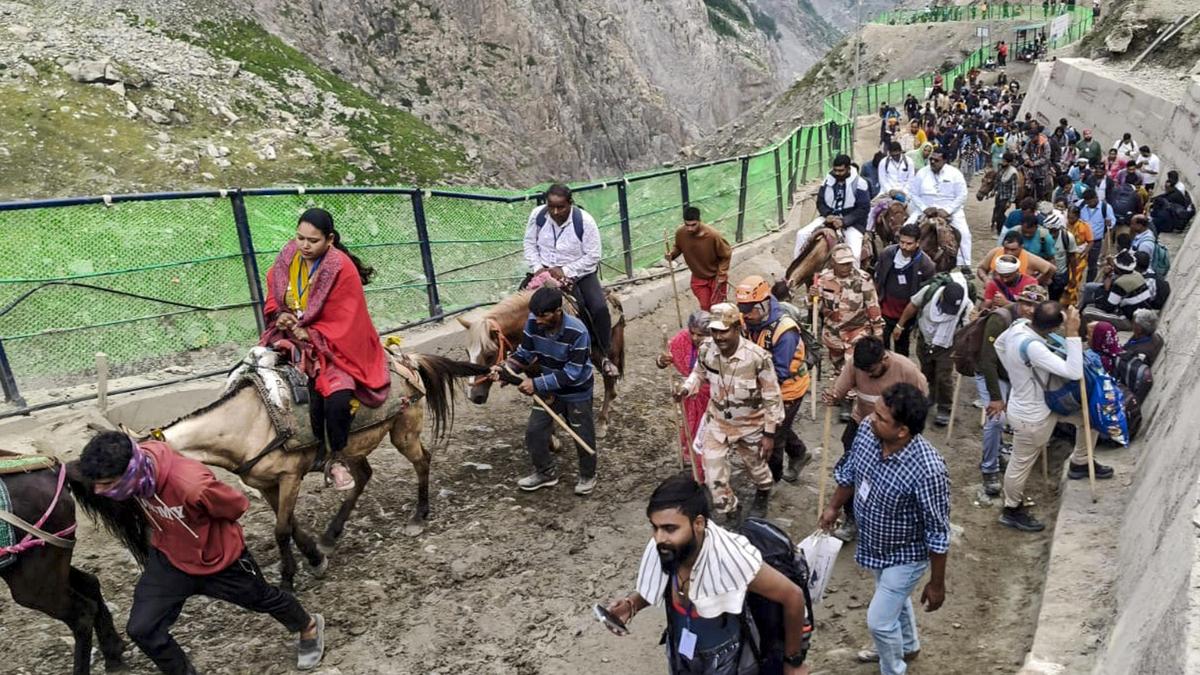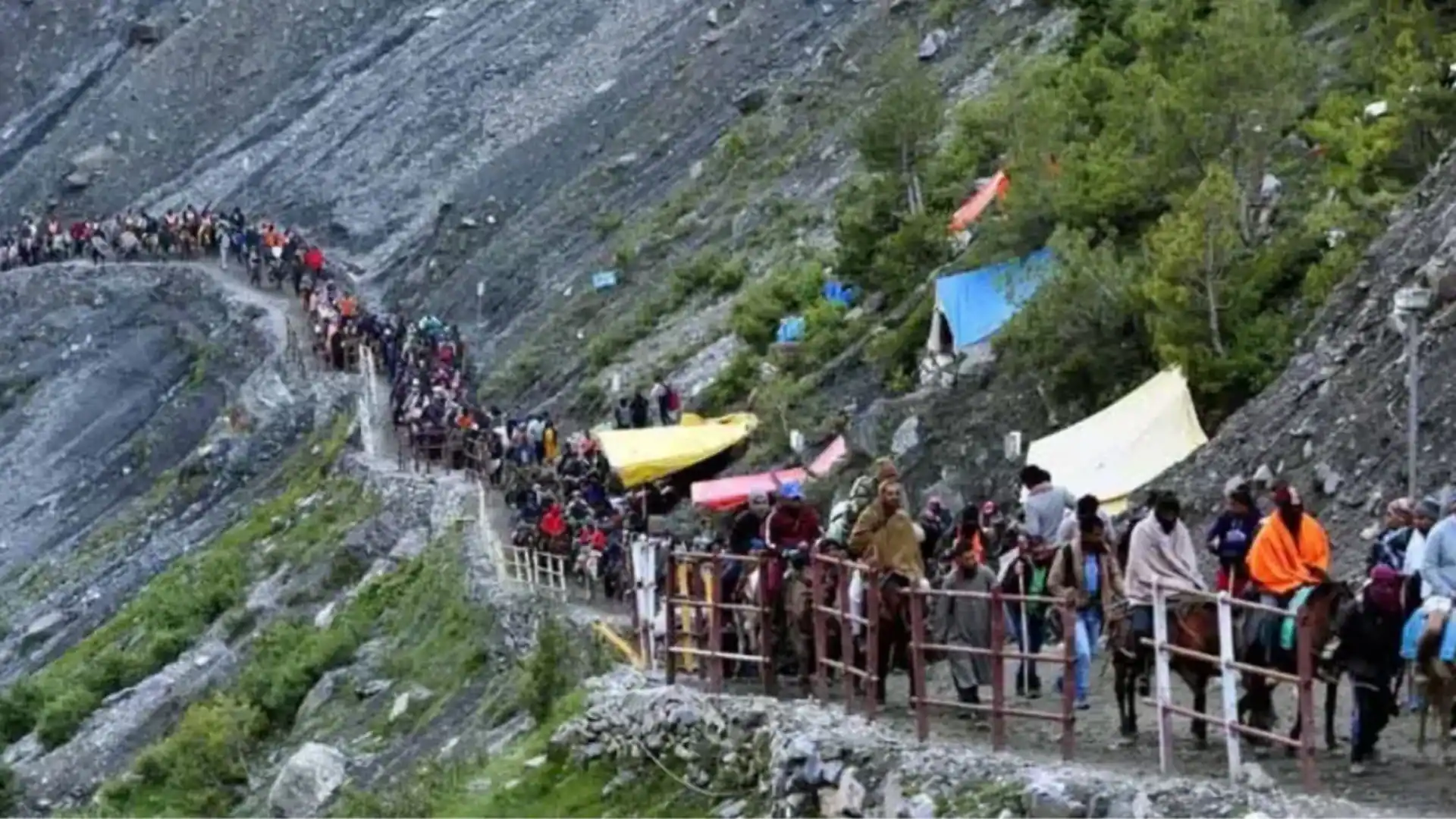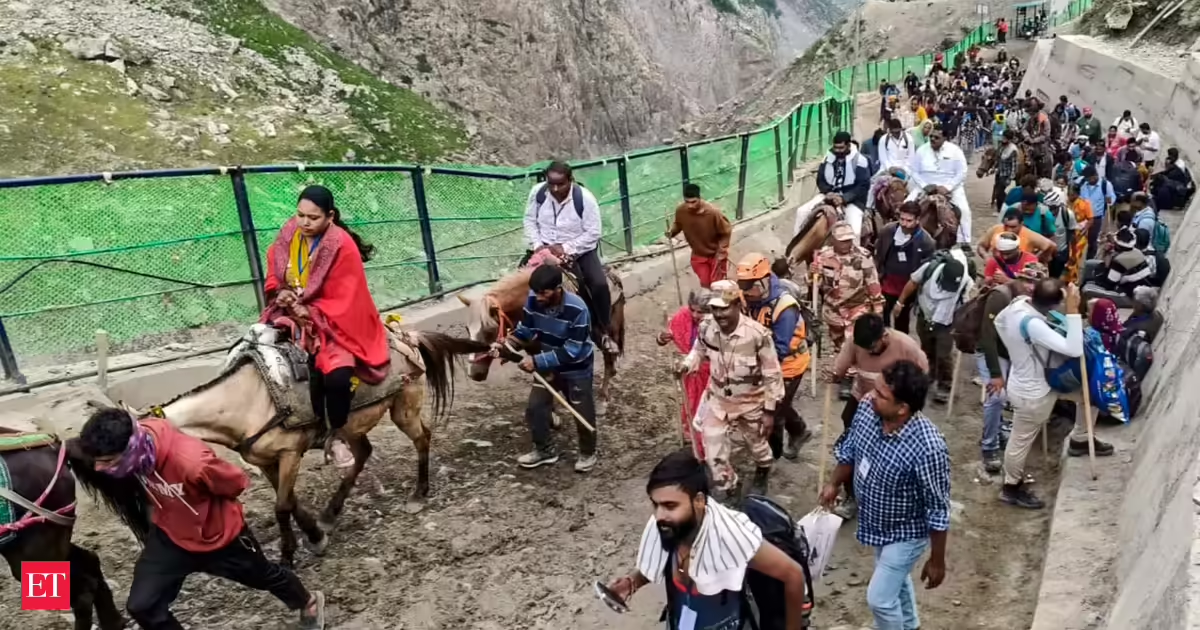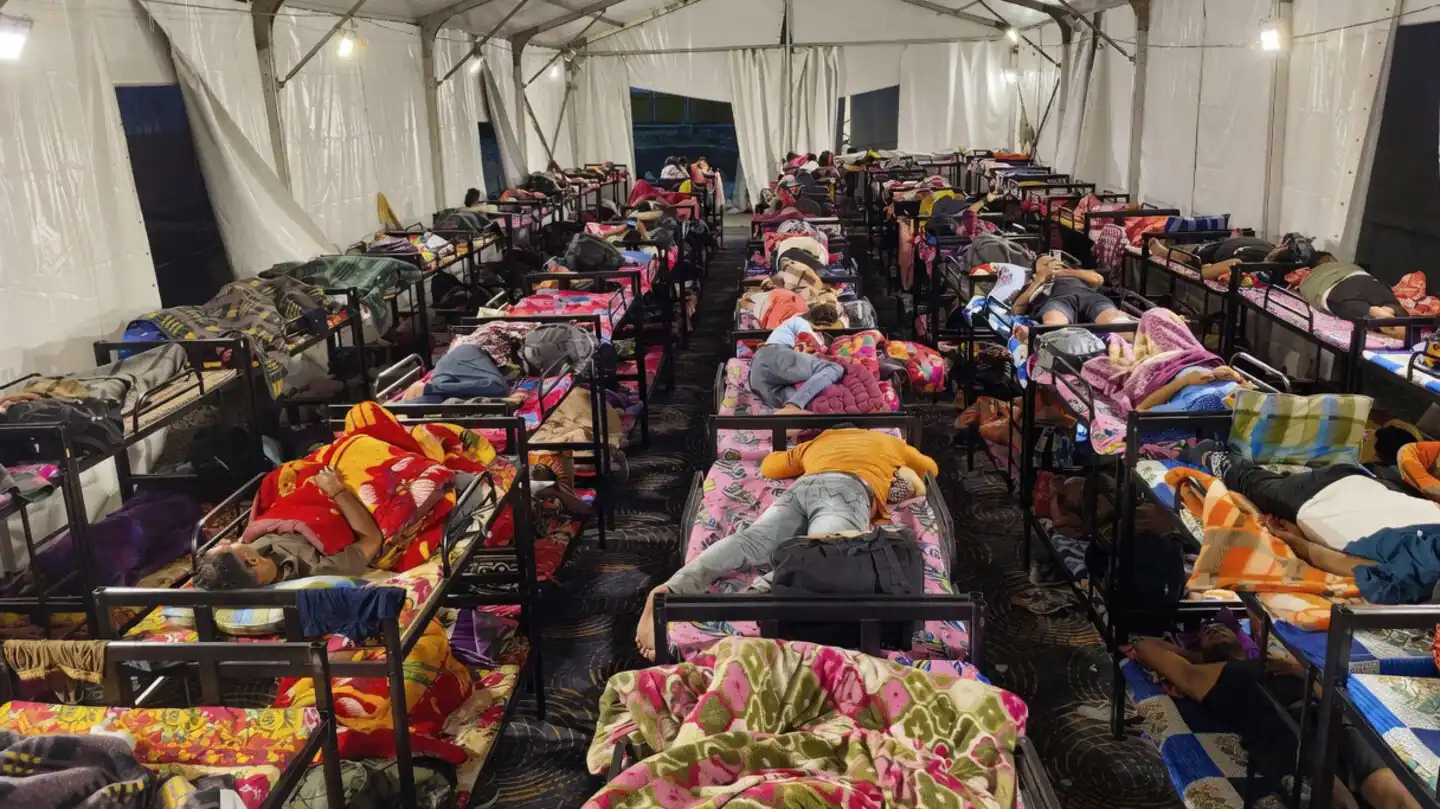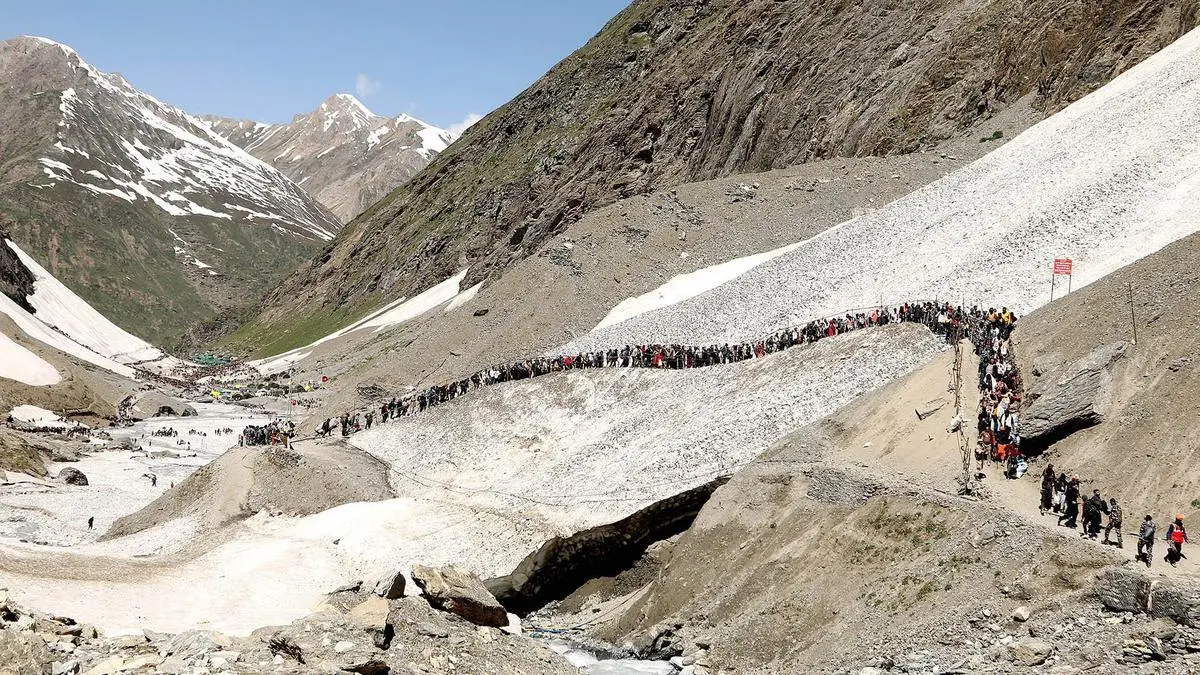
The prolonged suspension has disrupted the adventure tourism sector, affecting trekking operators, guides, pony owners, porters and others who depend on the short summer trekking season for their livelihoods
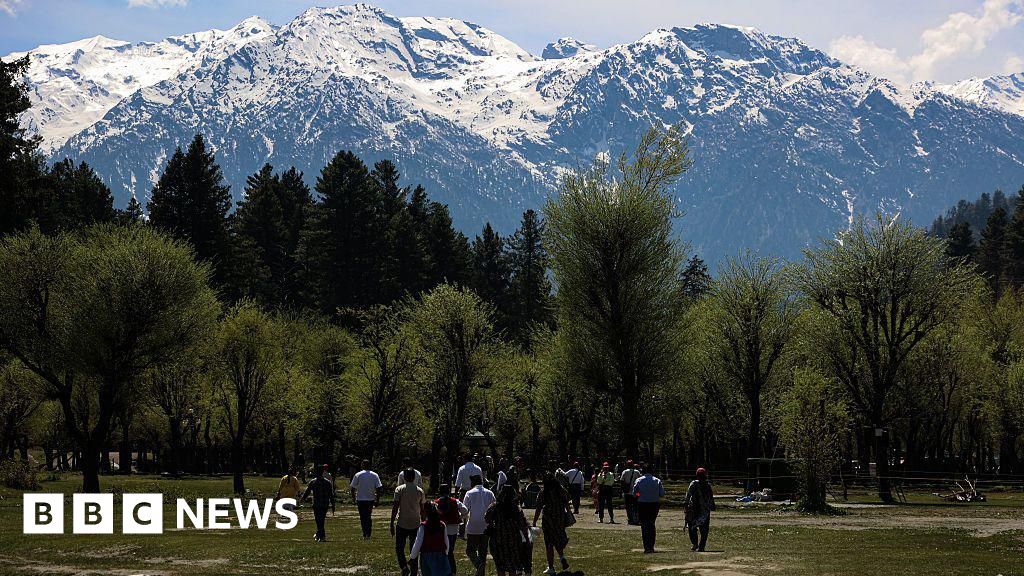
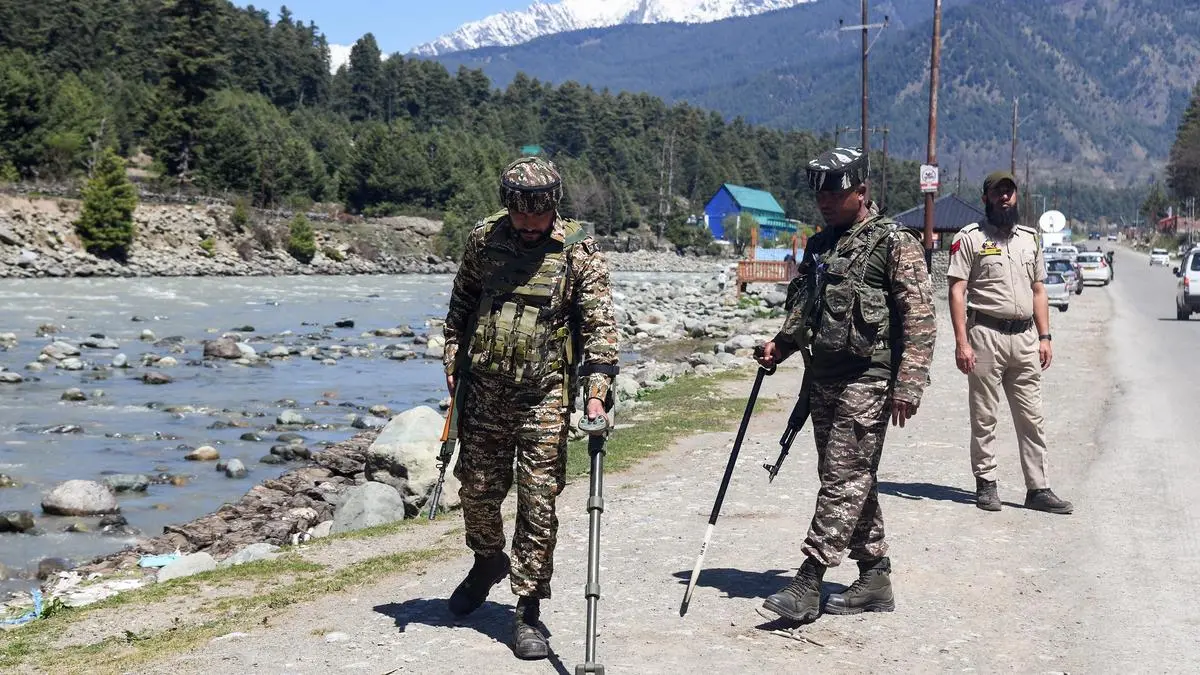
When Mumbai-based trekker Vedant Vichare booked the Kashmir Great Lakes trek with the Youth Hostels Association of India (YHAI) in May, he had planned to spend eight days exploring one of the Valley’s most sought-after alpine trails. His trek was scheduled between July 12 and July 20, and his travel to Kashmir had already been booked.Days before the expedition was to begin, however, organisers informed him that the trek had been cancelled.“They told us they had not received permission from the authorities due to security reasons,” Vichare said.More than a year after the Pahalgam attack that killed 26 people, mostly tourists, authorities continue to keep several of Kashmir’s premier trekking routes closed, including the Kashmir Great Lakes trail, the Tarsar-Marsar trail and the Kishtwar-Ladakh trek. The restrictions have come despite a strong tourist season in the Valley.The prolonged suspension has disrupted the adventure tourism sector, affecting trekking operators, guides, pony owners, porters and others who depend on the short summer trekking season for their livelihoods.Affected livelihoodsGulzar Kashmiri, Programme Officer at YHAI and a mountaineer and trekking trainer, said the continued closure of alpine routes had dealt a significant blow to the local economy linked to adventure tourism.“The ban has affected the livelihoods of hundreds of people associated with trekking. It has also impacted tourism because trekkers usually visit other destinations in Kashmir before or after their expeditions,” Kashmiri told businessline.According to him, Jammu and Kashmir typically attracts between 10,000 and 15,000 trekkers every year, generating business not only for trekking companies but also for hotels, transport operators and local markets.Mubashir Bashir Shah, owner of Srinagar-based Alpine Adventures, said businesses dependent on trekking have remained under severe stress since the Pahalgam attack.“They are struggling to make ends meet,” Shah said. “Pony owners, porters and other workers are even struggling to arrange their daily expenses as the suspension has left them without work.”Besides domestic trekkers, Shah said his company regularly hosted visitors from Central Asia and Southeast Asia during the summer trekking season.Following the Pahalgam attack, the administration had closed 48 tourist destinations as a precautionary measure. While 40 of them were subsequently reopened in phases after security assessments, the ban on major trekking routes continues, leaving the Valley’s adventure tourism industry in limbo.Industry stakeholders say the continued closure is resulting in lost business during the peak summer season and weakening a niche tourism segment that supports hundreds of seasonal jobs in Kashmir’s mountain regions.Published on July 16, 2026