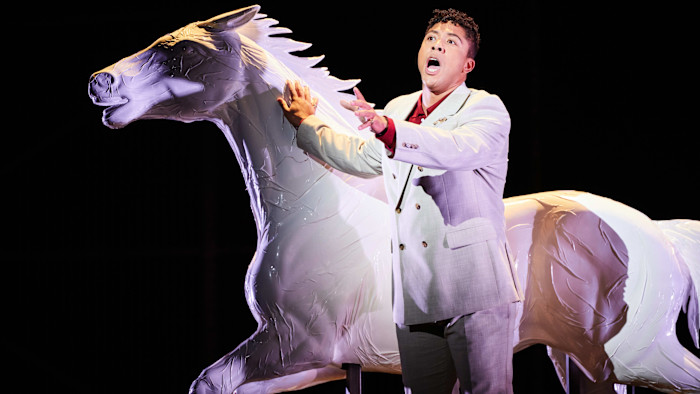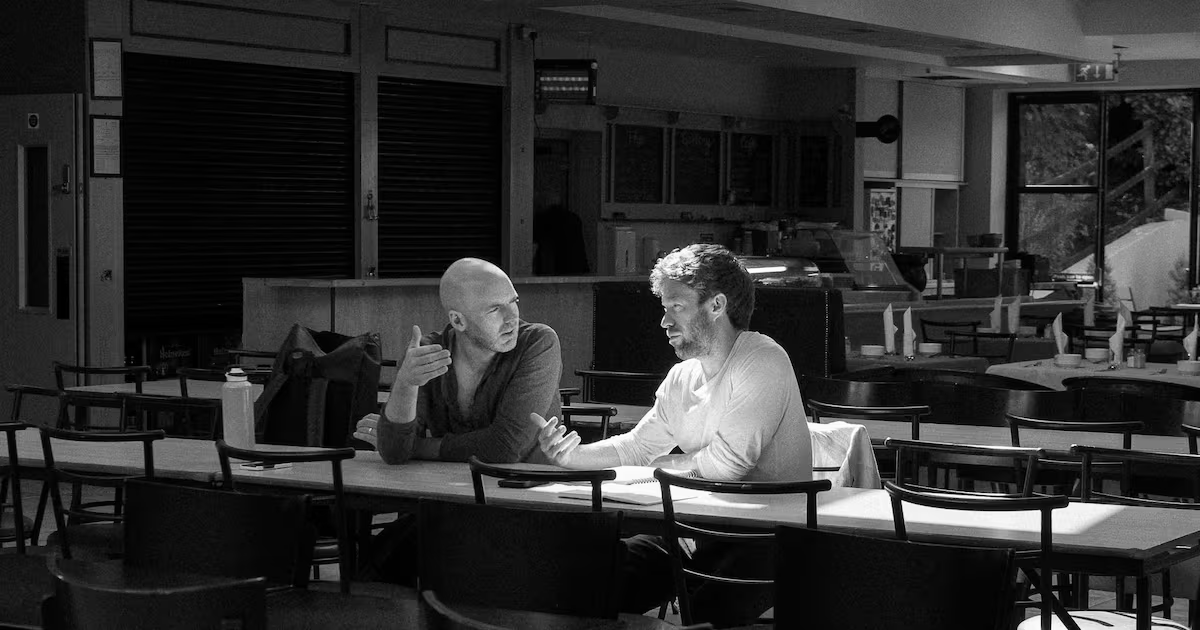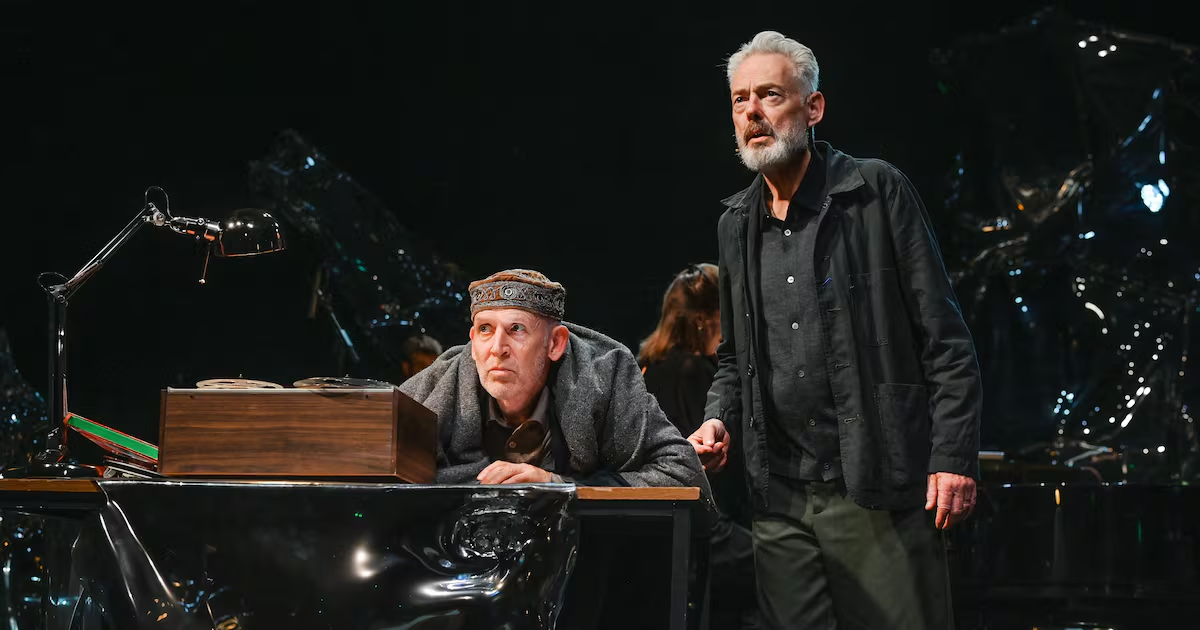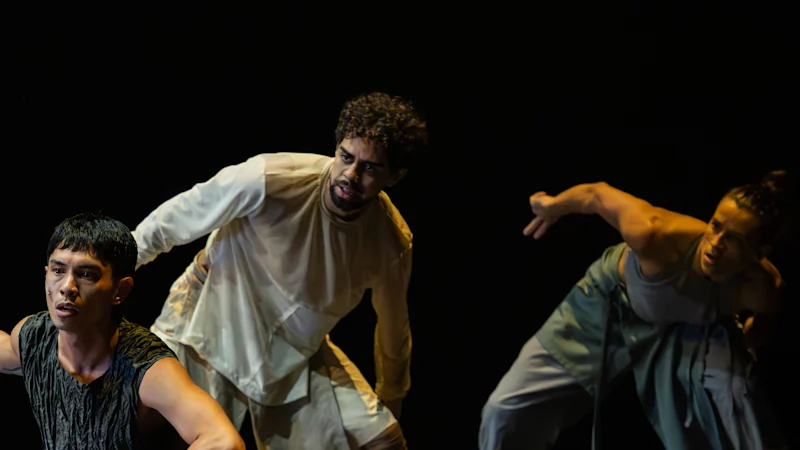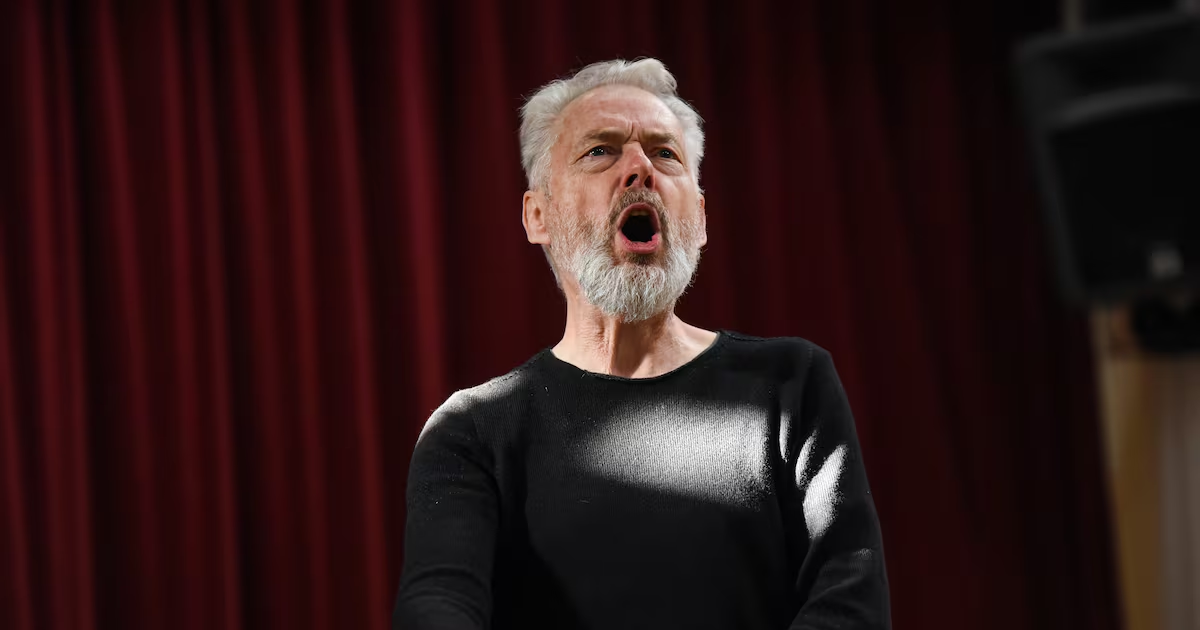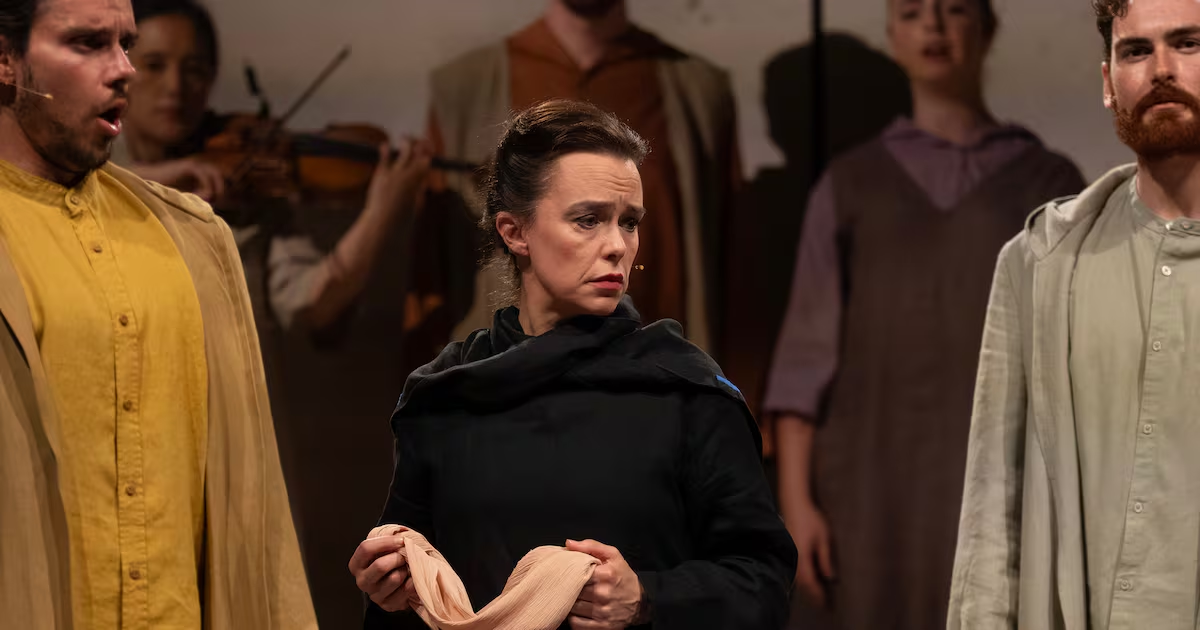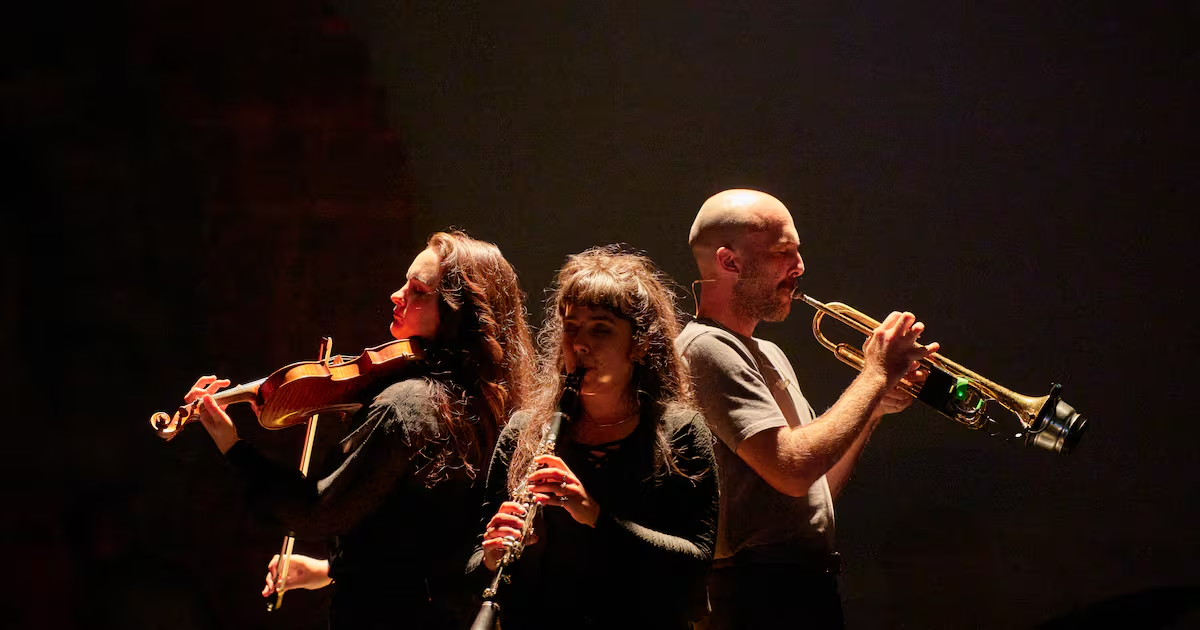
The Curing LineWatergate Theatre, Kilkenny★★★★★Behind a translucent gauze curtain, a band pounds out drum-heavy, ritualistic music. A man’s face, projected live in close-up on to the gauze, chants a series of diagnostic questions: “Are you eating well? Do you struggle to sleep? Do you pray for change?”“Something will happen tonight,” he promises. “Can you feel it? The veil is growing thinner.”It’s a paean to the transformative power of live encounter, a reminder of why we go to the theatre, or why we go out at all: that feeling that tonight might be the night that will change everything. The Curing Line, a new opera by composer Michael Gallen, with a libretto by Gallen and Annemarie Ní Churreáin and directed by Gallen and Shawn Fitzgerald Ahern, draws on the Irish folk tradition of hereditary healers gifted with “the cure”.The story centres on two young girls: Eileen (Sarah Shine), the healer’s daughter, and Cora (Amy Ní Fhearraigh), his adopted child. When the healer dies, he passes the gift not to his own flesh and blood but to Cora, causing a bitter rift between the two. Among the production’s most memorable presences is a charismatic yet sinister French televangelist (Romain Bly), whose every appearance crackles and delights.Though Covid is never explicitly named, the opera feels steeped in its psychic aftermath. The inherited cure is specifically for respiratory illness, and the production is haunted by coughing, wheezing and laboured breath. One of its most affecting moments comes in a filmed testimony from an elderly woman whose years working in a factory inhaling toxic chemicals have left resin hardening inside her lungs. Another projected mock interview features a lifelong smoker whose lungs are slowly filling with fluid.The opera becomes a meditation on the diseased times we inhabit, our growing obsession with healing, and how that longing can be exploited. It evokes a widening distrust of medical institutions, a feeling that people’s suffering is insufficiently listened to, and a corresponding turn towards older, inherited traditions in search of relief. That these anxieties are staged through opera, itself a vindication of breath and the human voice, lends the work an ultimately optimistic spirit.The narrative is tonally disparate and, at times, confusing, though not in a way that frustrates. Instead, its messiness feels like a measure of the work’s ambition, and the psychological flatness of its characters makes it feel dreamlike and symbolic. The plot unfolds through association rather than linear logic, moving from a weird beauty pageant to a drunken night in a park, from a wake to the inside of a speeding car. The libretto shifts between colloquial contemporary English – “Shove it up your hole,” one character trills – and passages in Irish, with subtitles on a screen.The production layers live and pre-recorded video with documentary-style footage, and an ever-present onstage ensemble performing a richly textured, ever shifting score for piano, drums, cello, violin, clarinet, French horn and trumpet, complemented by backing vocals. The aesthetic is experimental, anarchic, carnivalesque and faintly grungy: a folk ritual and a fever dream. This is opera at its weirdest and most daring.The Curing Line is at Kilkenny Arts Festival until Sunday, August 9th
The Curing Line review: Five-star reminder of why we go to the theatre, or why we go out at all
Kilkenny Arts Festival: New fever dream of an opera by composer Michael Gallen draws on Irish folk tradition of healers gifted with ‘the cure’
524 words~2 min read