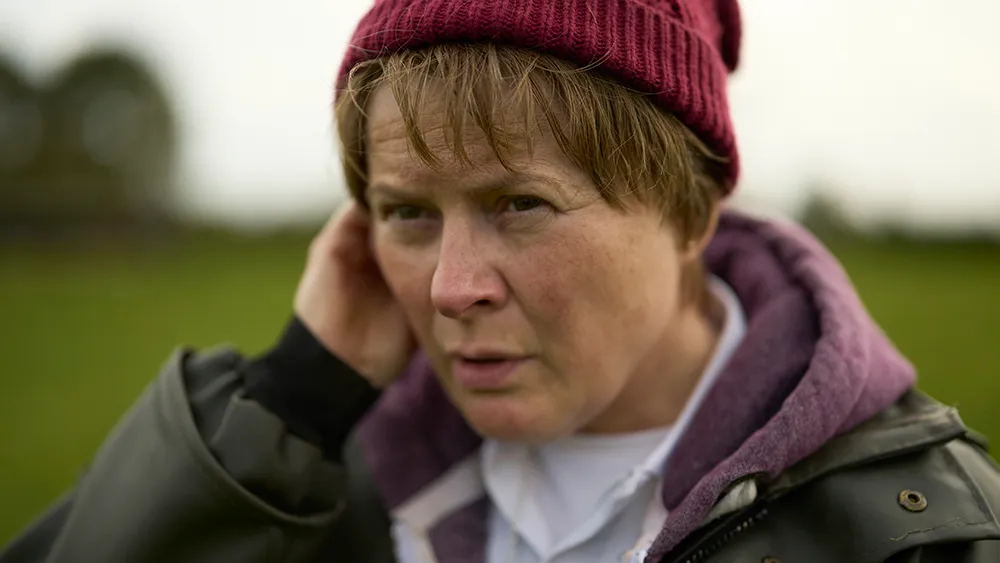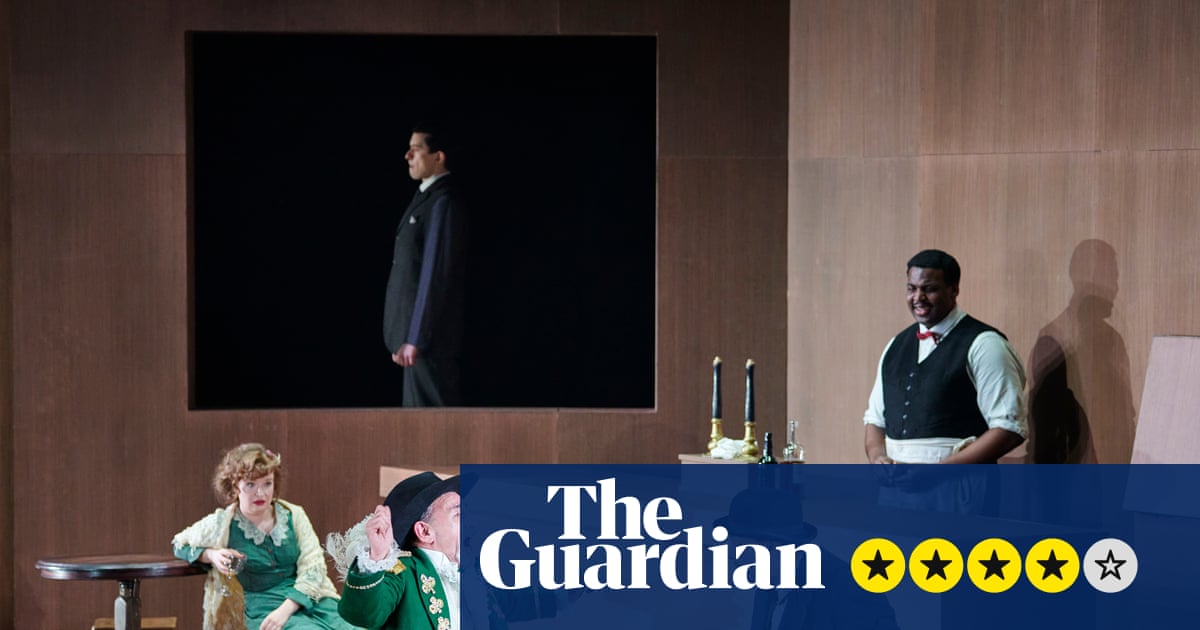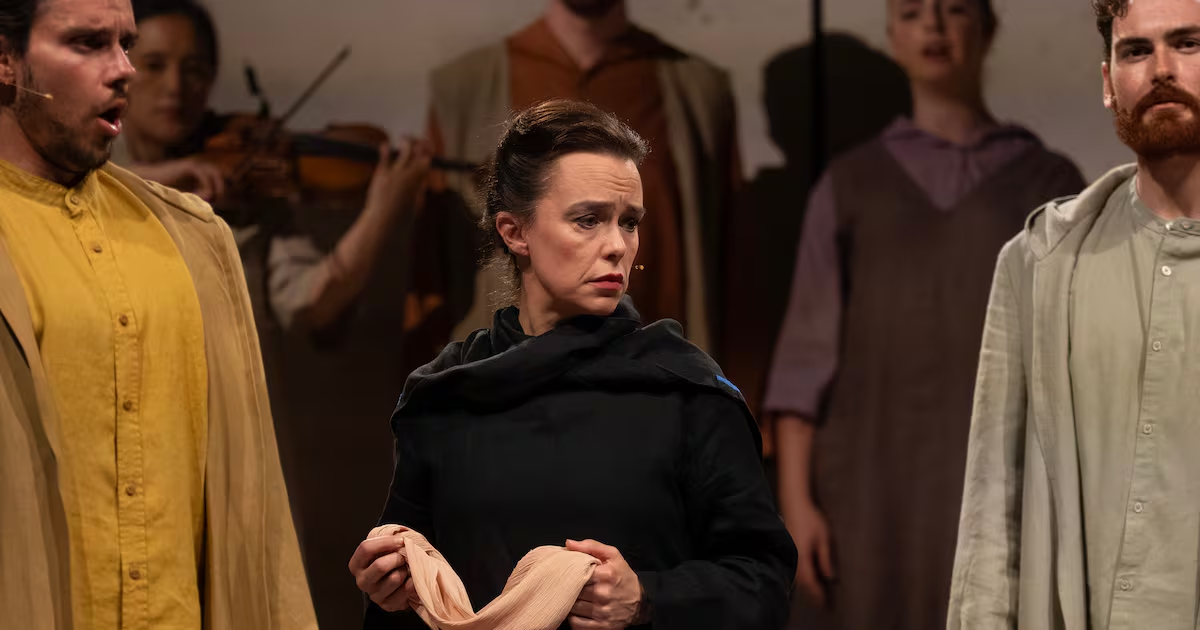
TestamentBailey Allen Hall, University of Galway★★★★☆How much Ireland has changed. Religious sensitivities saw angry protests at the screening of Martin Scorsese’s The Last Temptation of Christ in 1988, and the Irish film censor banning Monty Python’s Life of Brian from Irish screens altogether in 1979.Whereas here now is the Irish National Opera with a new work – all but sold out for its opening three nights at the Galway International Arts Festival – in which the ageing Mary, mother of Jesus, faces down those pressuring her to re-shape her memories and then commit them to the record according to the needs of the burgeoning religion which her son inspired. She refuses, ultimately concluding, “It was not worth it.” Early days, but apparently no trouble so far.In a public discussion following the premiere, composer Tarik O’Regan described how questions of truth – as well as about history and narrative – increasingly preoccupy him. Seemingly, and topically, he was referring to truth in macro, mangled as it now so often is in our particular times. Here he perfectly complements the specific truth in micro offered by Colm Tóibín, who created the libretto from his 2012 novella The Testament of Mary. The book speculates on the thinking of Mary so as to explore the truth behind what it says in the Christian gospels. In this, Tóibín is visiting what New Testament scholarship has long identified as the tension between the Jesus of history and the Christ of faith.Perhaps unsurprisingly, this works as opera. The conflict contained in Mary’s internal monologue in the novella lends itself well to dramatisation and musical expression. Key moments from the life of Jesus are not only brought to life on stage but also accompanied by tense encounters between Mary – for whom history is experienced entirely as personal, from the perspective of a loving, grieving mother – and those attempting to control the message of the new religion. These encounters, sometimes featuring the entire ensemble on stage, are led by the almost hostile pressuring of Paul and of the evangelists John and Mark.O’Regan is an eclectic who draws from all over to find whatever musical expression best suits each given moment. Minimalism, dance rhythms, electronics (amplification and soundscapes, sometimes creating balance issues), lyricism and choral styles are all interwoven but in ways that are ultimately unified into a well-integrated, musically intelligible whole.[ For Dolores review: Funny, bruising and brilliantly written and actedOpens in new window ]He assigns intermittent dramatic roles – like an extension of the chorus – to the seven players who make up the instrumental ensemble and who therefore, impressively, sometimes play from memory. Under the direction of Rachael Hewer they and the chorus are busy, coming and going, shifting between intimate and distant acquaintance with Mary and variously positive and negative attitudes towards her. Space is tight in Francis O’Connor’s amphitheatre-style stage design, yet the chorus successfully animates set pieces like the raising of Lazarus, the wedding at Cana, and, at the opera’s climax, the crucifixion.The focus throughout is always Mary, sung with grippingly intense but understated power by mezzo-soprano Sharon Carty in a role that Tóibín relates to the traditional powerlessness of women in the plays of ancient Greece.Irish National Opera’s Testament continues at the Bailey Allen Hall in Galway tonight and then in Dublin’s Gaiety Theatre on October 8th-10th as part of the Dublin Theatre Festival
Testament review: A grippingly intense Mary in new opera with libretto by Colm Tóibín
Galway International Arts Festival 2026: Tarik O’Regan’s eclectic musical expression powers adaptation of Tóibín novella
563 words~3 min read