Kazakhstan’s national oil company, KazMunayGas (KMG), is pushing to significantly increase crude exports through the Baku-Tbilisi-Ceyhan pipeline in 2026, targeting volumes that would represent roughly a 31% jump from current levels. The goal is to reach approximately 1.7 million tonnes, up from an estimated 1.2 to 1.3 million tonnes flowing through the route in 2025.
The pipeline play and why it matters
KMG’s broader target range for 2026 sits between 1.5 and 2.2 million tonnes, with the 1.7 million tonne figure representing a middle-ground ambition. The expansion is underpinned by a freshly signed five-year transit agreement with Azerbaijan’s state energy company SOCAR, which locks in a minimum commitment of 1.5 million tonnes per year.
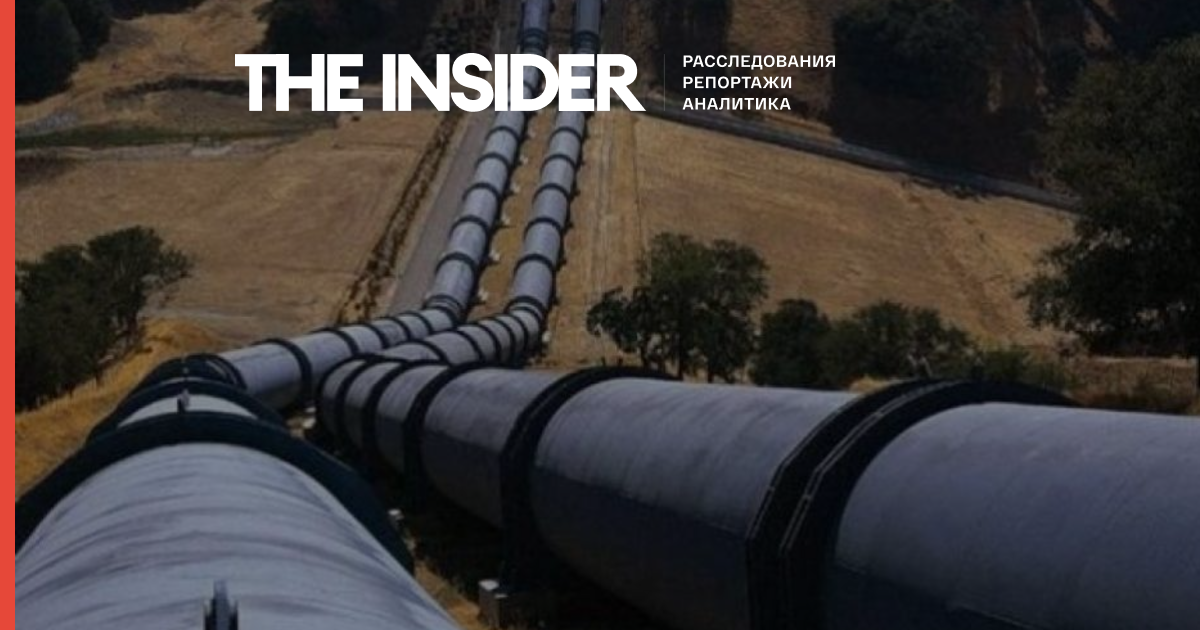
The logistics chain works like this: crude oil moves by tanker from Kazakhstan’s Aktau port on the Caspian Sea across to Azerbaijan, where it feeds into the BTC pipeline. From there, it travels through Georgia and into Turkey, eventually reaching the Mediterranean port of Ceyhan. That final destination is key, because it gives Kazakhstan direct access to European and Mediterranean buyers without touching Russian infrastructure.
The BTC pipeline has been operational since 2006 and is primarily managed by BP and its partners. It was originally built to move Azerbaijani oil to Western markets, but it has increasingly become a strategic artery for Kazakh crude as well.