Let’s get this out of the way immediately: BTC, in this case, stands for Baku-Tbilisi-Ceyhan. It’s a pipeline. It moves oil. It does not mine blocks, validate transactions, or care about your seed phrase.
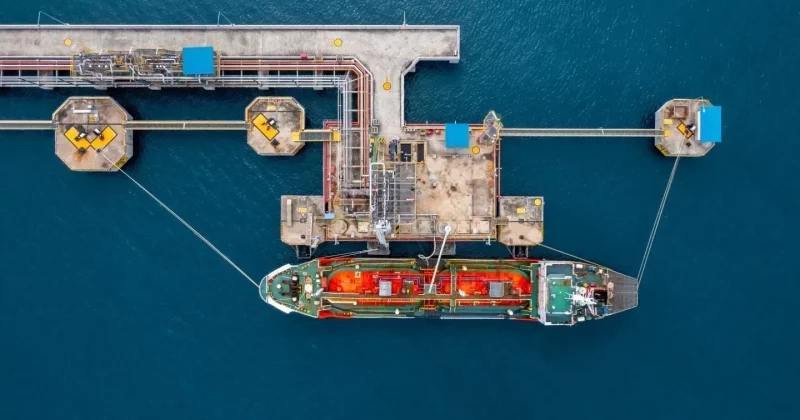
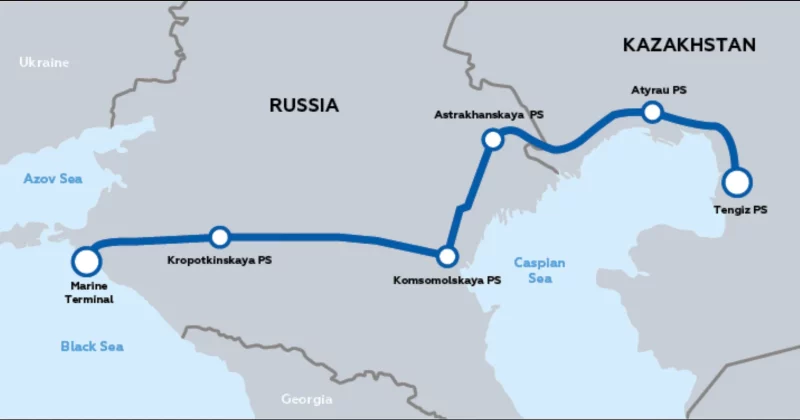
Kazakhstan is targeting exports of 1.5 to 2.2 million tons of crude oil through the BTC pipeline in 2026, a meaningful jump from the roughly 1.2 million tons it shipped via the same route in 2025. The plan reflects a broader, deliberate pivot by one of Central Asia’s largest oil producers to reduce its dependence on Russian-controlled export infrastructure.
What’s actually happening
The Baku-Tbilisi-Ceyhan pipeline runs from Azerbaijan’s capital through Georgia to Turkey’s Mediterranean coast. It’s one of the most important non-Russian oil transit corridors in the region, and Kazakhstan wants a bigger piece of it.
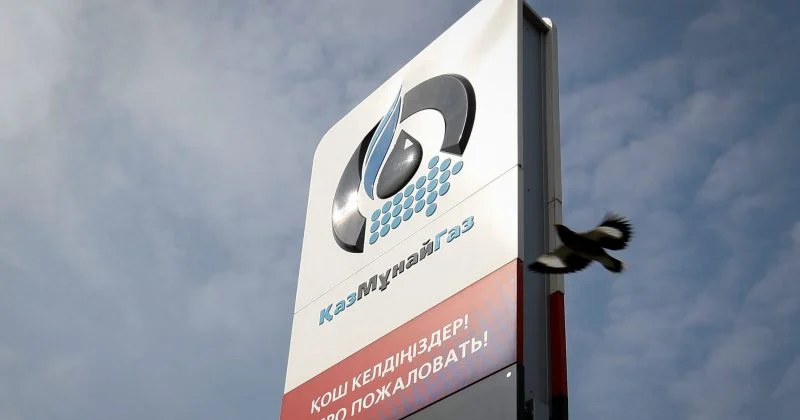
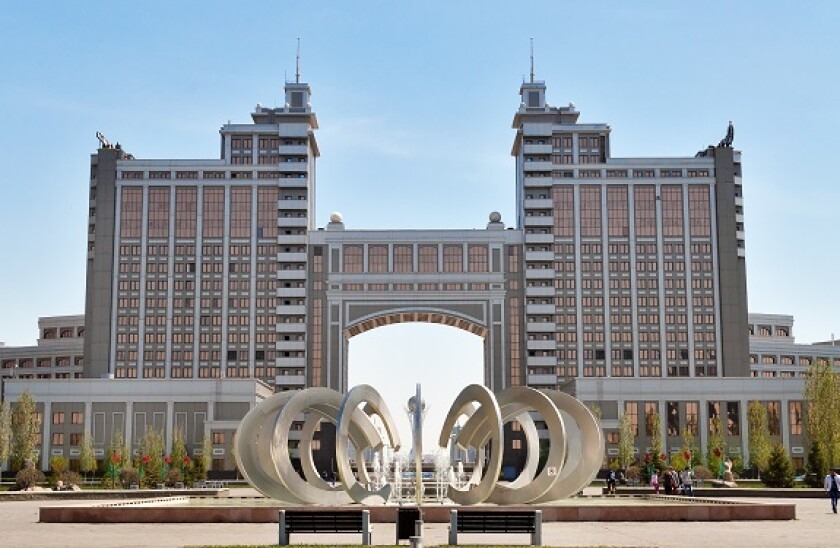
The country’s state oil company, KazMunayGas, has struck a five-year deal with Azerbaijan’s SOCAR to support oil transit through the route, starting from a baseline of 1.5 million tons. Kazakh Energy Minister Yerlan Akkenzhenov has publicly discussed these export targets as part of the country’s evolving energy strategy.