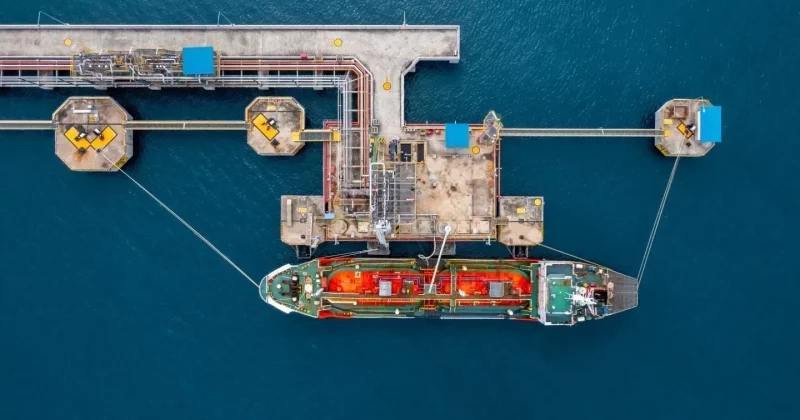
Look, we need to address the elephant in the room immediately. BTC in this case does not stand for Bitcoin. It stands for the Baku-Tbilisi-Ceyhan pipeline, a 1,099-mile crude oil corridor that runs from Azerbaijan through Georgia to Turkey’s Mediterranean coast. Kazakhstan wants to push between 1.5 and 2.2 million tons of oil through it in 2026, up from roughly 1.2 million tons last year.
What Kazakhstan is actually doing
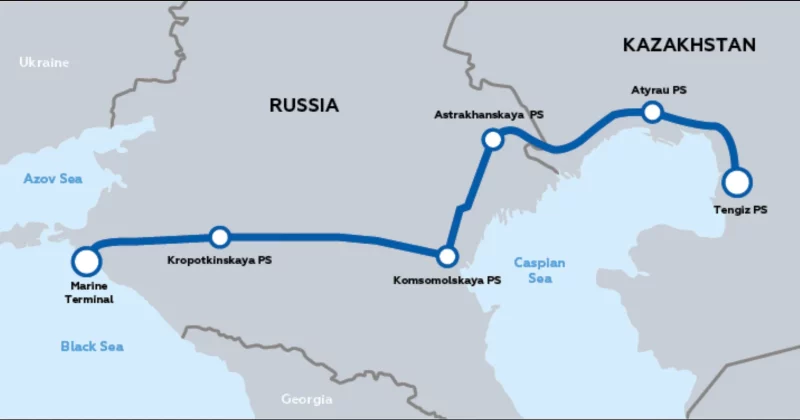
Kazakhstan, the largest oil producer in Central Asia, is actively diversifying the routes it uses to get crude to international buyers. The country has historically relied heavily on the Caspian Pipeline Consortium (CPC) route, which runs through Russian territory to the Black Sea port of Novorossiysk.
The numbers so far in 2026 suggest momentum is building. Kazakhstan shipped 471,000 tons of oil through the BTC pipeline between January and April, with monthly flows ranging from 106,000 to 115,000 tons. April saw a bump to 125,000 tons.
The target of 1.5 to 2.2 million tons represents a significant ramp-up. Even hitting the low end of that range would mean a roughly 25% increase over 2025 volumes. Hitting the upper bound would nearly double them.