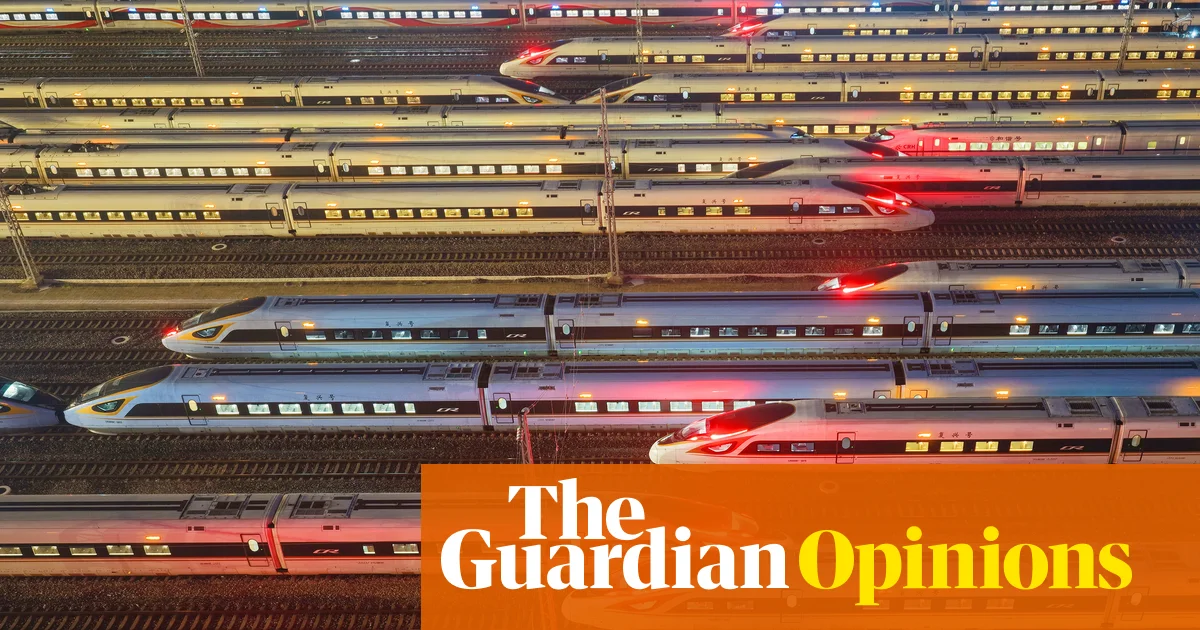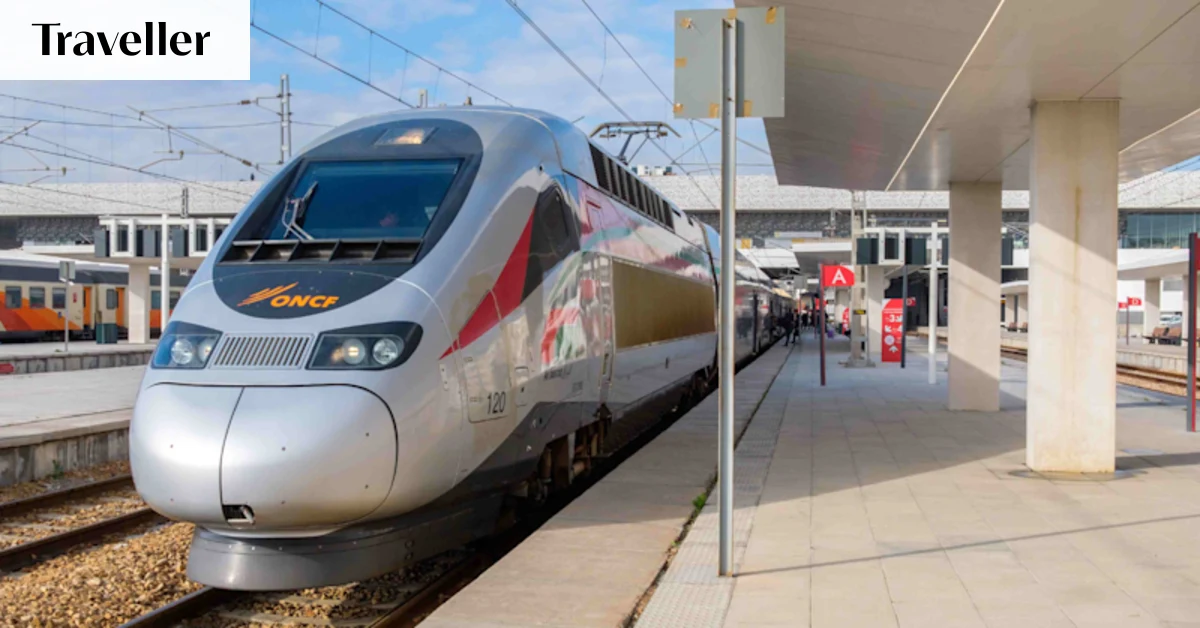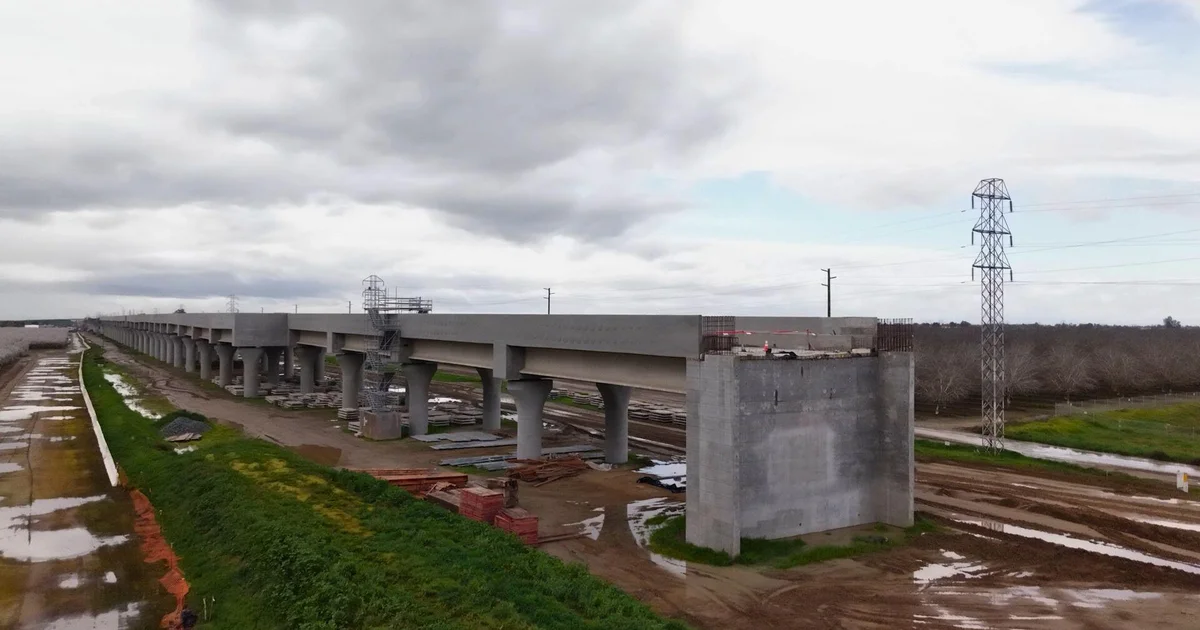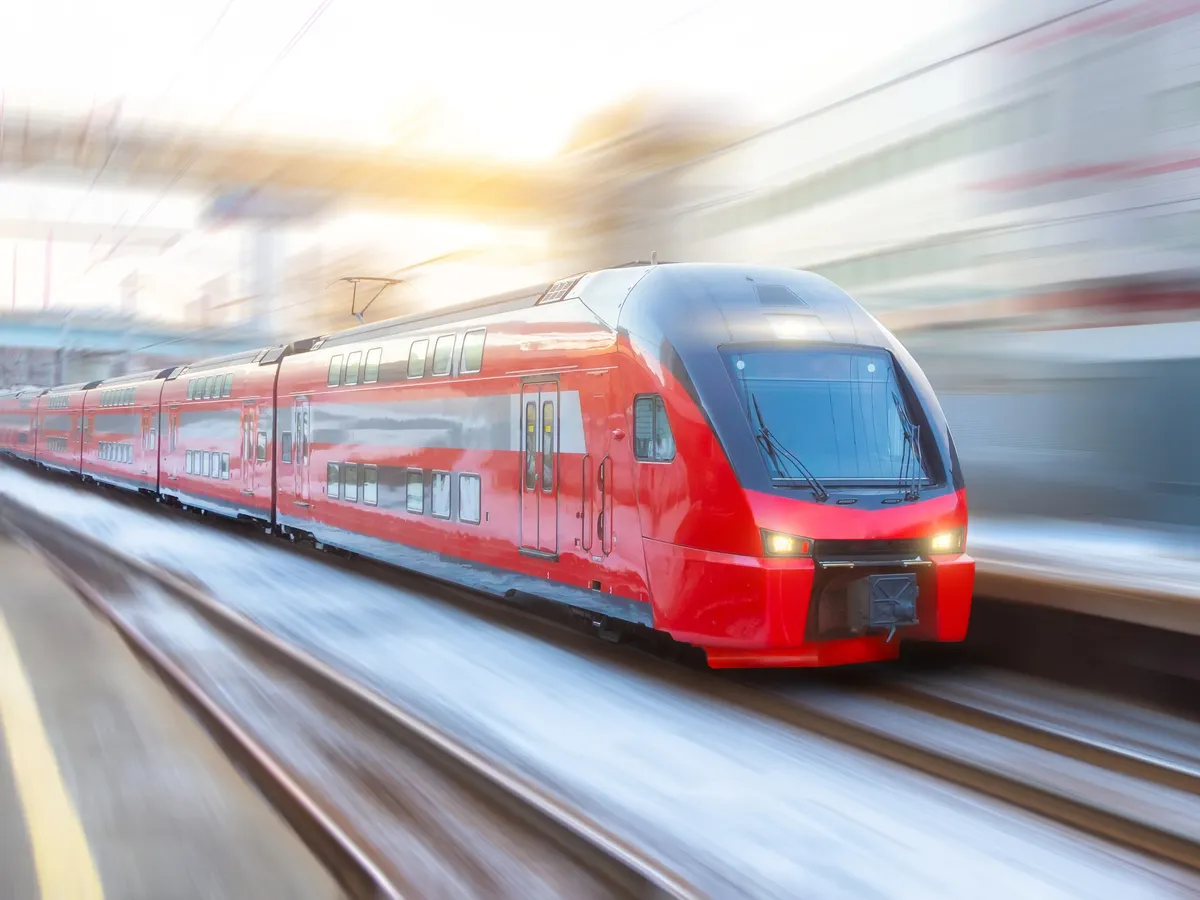
Skip to Content News Archives Economy Energy Oil & Gas Renewables Electric Vehicles Mining Commodities Agriculture Real Estate Mortgages Mortgage Rates Finance Banking Insurance Fintech Cryptocurrency Work Wealth Smart Money Wealth Management Investor Personal Finance Family Finance Retirement Taxes High Net Worth FP Comment Executive Women Puzzmo Newsletters Financial Times Business Essentials More Innovation Information Technology FP500 Podcasts Small Business Lives Told Tails Told Shopping Financial Post Store Obituaries Place a Notice Advertising Advertising With Us Advertising Solutions Postmedia Ad Manager Sponsorship Requests Classifieds Place a Classifieds ad Working Profile Settings My Subscriptions Saved Articles My Offers Newsletters Customer Service FAQ News Economy Energy Mining Real Estate Finance Work Wealth Investor FP Comment Executive Women Puzzmo Newsletters Financial Times Business Essentials HomeFP CommentJack Mintz: High speed derails in North AmericaBullet trains have been a big success in China, Japan and Europe. Why have they utterly failed on this continent?Last updated 21 minutes ago You can save this article by registering for free here. Or sign-in if you have an account.The Liberals’ high-speed rail is a big gamble, and the politicians making the decisions on it won’t be around to see whether or not their project should ever have left the station. Photo by Aapsky/Getty ImagesHigh-speed rail (HSR), which enables passengers to travel at 300 km/h or more over long distances, diverting demand from roads and airports to electrified rail trips, has been a big success in China, Japan and Europe, with their dense populations. So why has it utterly failed in North America?Subscribe now to read the latest news in your city and across Canada.Exclusive articles from Barbara Shecter, Joe O'Connor, Gabriel Friedman, and others.Daily content from Financial Times, the world's leading global business publication.Unlimited online access to read articles from Financial Post, National Post and 15 news sites across Canada with one account.National Post ePaper, an electronic replica of the print edition to view on any device, share and comment on.Daily puzzles, including the New York Times Crossword.Subscribe now to read the latest news in your city and across Canada.Exclusive articles from Barbara Shecter, Joe O'Connor, Gabriel Friedman and others.Daily content from Financial Times, the world's leading global business publication.Unlimited online access to read articles from Financial Post, National Post and 15 news sites across Canada with one account.National Post ePaper, an electronic replica of the print edition to view on any device, share and comment on.Daily puzzles, including the New York Times Crossword.Create an account or sign in to continue with your reading experience.Access articles from across Canada with one account.Share your thoughts and join the conversation in the comments.Enjoy additional articles per month.Get email updates from your favourite authors.Create an account or sign in to continue with your reading experience.Access articles from across Canada with one accountShare your thoughts and join the conversation in the commentsEnjoy additional articles per monthGet email updates from your favourite authorsSign In or Create an AccountorIf Canada’s high-risk, high-cost Toronto–Quebec City HSR project actually gets built, it will be the only such railway in North America. But don’t hold your breath. Cost, logistics and reliability could end up creating a white elephant for future taxpayers to bear.The U.S. has designated 11 high-speed rail systems although most involve speeds of less than 200 km/h, with average speeds, including stops, barely faster than an automobile. Building China-style HSR in the U.S. is hard since the projects often rely on existing infrastructure (e.g., bridges and rail lines), which limits top speeds, or need a complete new re-build at an unaffordable upfront cost and strong opposition from communities and farmers who are forced to sell land.Get the latest headlines, breaking news and columns.By signing up you consent to receive the above newsletter from Postmedia Network Inc.A welcome email is on its way. If you don't see it, please check your junk folder.The next issue of Top Stories will soon be in your inbox.We encountered an issue signing you up. Please try againBuilding European or Asian HSR in the U.S. costs between US$56 million and US$150 million per kilometre, far higher than in China (US$17-21 million) or Europe (US$25-39 million). Despite China’s comparatively low capital costs, both capital and operational costs are heavily subsidized to keep fares low enough to attract passengers. Overall, Chinese HSR is a financial burden. In 2022, China Rail lost US$14 billion and had a total debt of US$890 billion — five per cent of China’s GDP.Not surprisingly, a 2012 proposal for 300 km/h bullet-train service between Washington and Boston has been downgraded. The fastest U.S. rail service operates between Boston and New York, reaching a top speed of 250 km/h for a short distance, with an average speed of 72 km/h, including stops. A Washington-Boston railway, which I have taken, lumbers along at an average speed of 108 km/h and has a limited impact on the use of highways or airports.The privately-owned Brightline East HSR from Miami to Orlando is in financial jeopardy. At 3.5 hours for the trip, it’s almost as fast as a car and relatively cheap at US$200 per round trip. But it doesn’t make money and its owners are currently trying to restructure US$6 billion in debt. The train’s reliability has been a problem, with more than 200 fatalities involving collisions with cars or pedestrians. The owner forecasts eight million passengers by 2026 but so far has struggled to achieve half that number. The service does cover its operating costs, but interest on the company’s debt keeps accumulating. To have a China-style HSR, you need China-style subsidies.North America’s most infamous high-speed rail project is California’s, which was authorized in 2008 by a state-wide ballot. The first phase is to connect San Francisco and Los Angeles, with a second extending north to Sacramento and south to San Diego. So far, the project has been a disaster. Construction began in 2015, at a planned cost of US$13.8 billion for the first phase. But it’s not even close to completion. Full funding, expected to be as much as US$128 billion, has not been committed as the project has faced cost overruns, mismanagement and construction delays. It’s a dream turned into a nightmare.Mexico has also struggled with bullet trains. A flagship project connecting Mexico City and Querétaro was cancelled due to corruption scandals and budget cuts. The Sheinbaum government is pursuing over 3,000 kilometres of new passenger train routes. But many projects are being downgraded to medium-speed at best, as in the United States.Canada’s publicly-owned railway company, Alto, is looking to build a bullet-train service that is already projected to cost $60 to $90 billion for 1,000 kilometres of track. At $90 billion, Alto’s HSR would cost twice per kilometre what Europe’s do. International experience shows that rail projects over-shoot their projected costs by 45 per cent on average, as a result of engineering complexity, negotiated settlements and delays.The value of Canada’s bullet train will depend on how many passengers it has. The official forecast is 24 million a year by 2055. But that will depend on ticket prices, subsidies and the train’s reliability. As Florida’s Brightline East has shown, passenger forecasts can be badly wrong. Nor should reliability be taken for granted. German bullet trains break down often and only 60 per cent arrive on time. I saw this myself last April when guest speakers attending a gambling conference were held up hours in stalled HSR trains. The speakers weren’t so lucky.Bullet trains that do work well can offset financial losses with shorter travelling times, reduced highway congestion and less harm to the environment. But how the costs and benefits fall out depends on how all the many uncertainties are resolved, especially about how many passengers there are, particularly in North America where auto travel is convenient for families visiting cities.What we do know is that the Liberals’ bullet train is a big gamble. And the politicians making the decisions on it won’t be around in 30 years to see whether or not their project should ever have been allowed to leave the station. Join the Conversation This website uses cookies to personalize your content (including ads), and allows us to analyze our traffic. Read more about cookies here. By continuing to use our site, you agree to our Terms of Use and Privacy Policy.
Jack Mintz: High speed derails in North America
Bullet trains have been a big success in China, Japan and Europe. Why have they utterly failed on this continent? Find out more here
1,374 words~6 min read