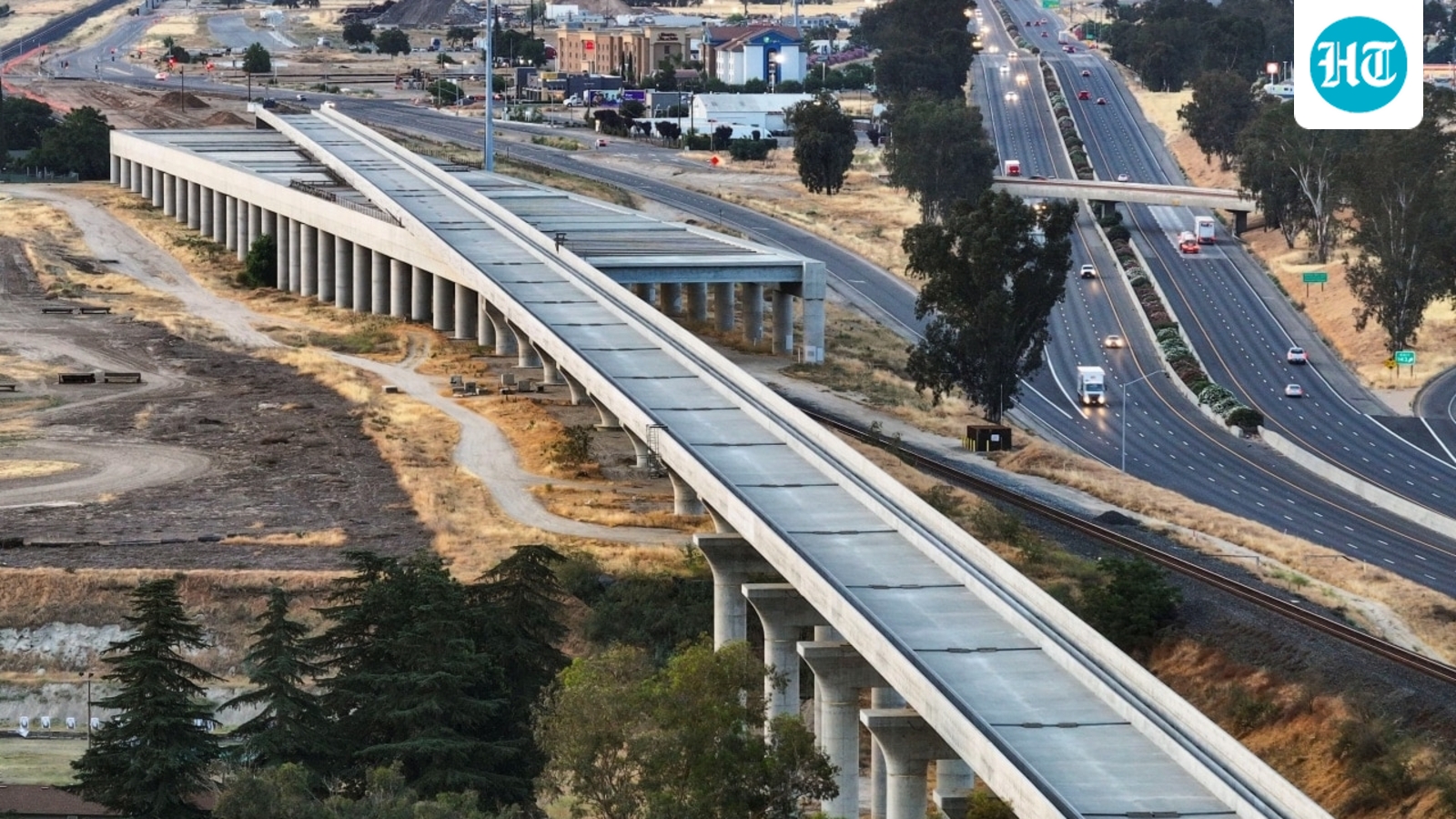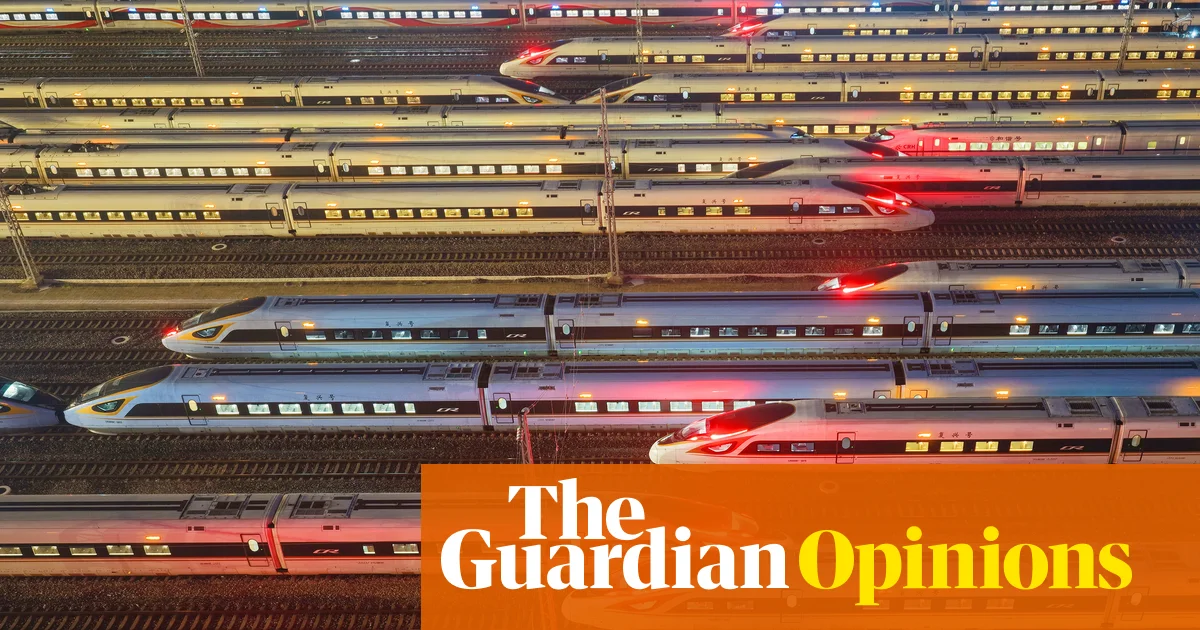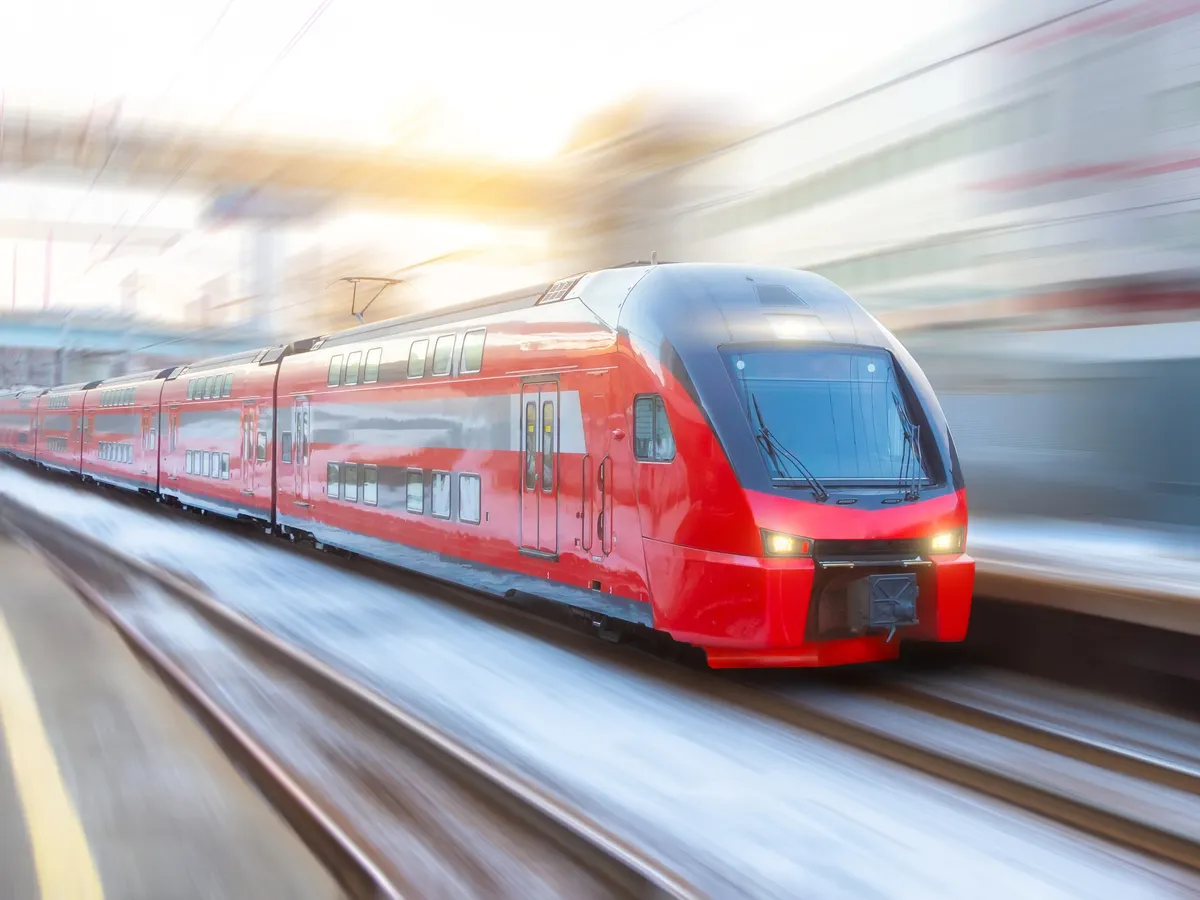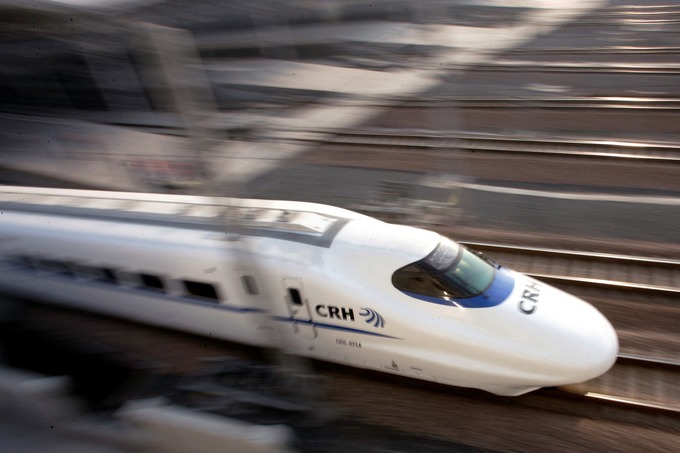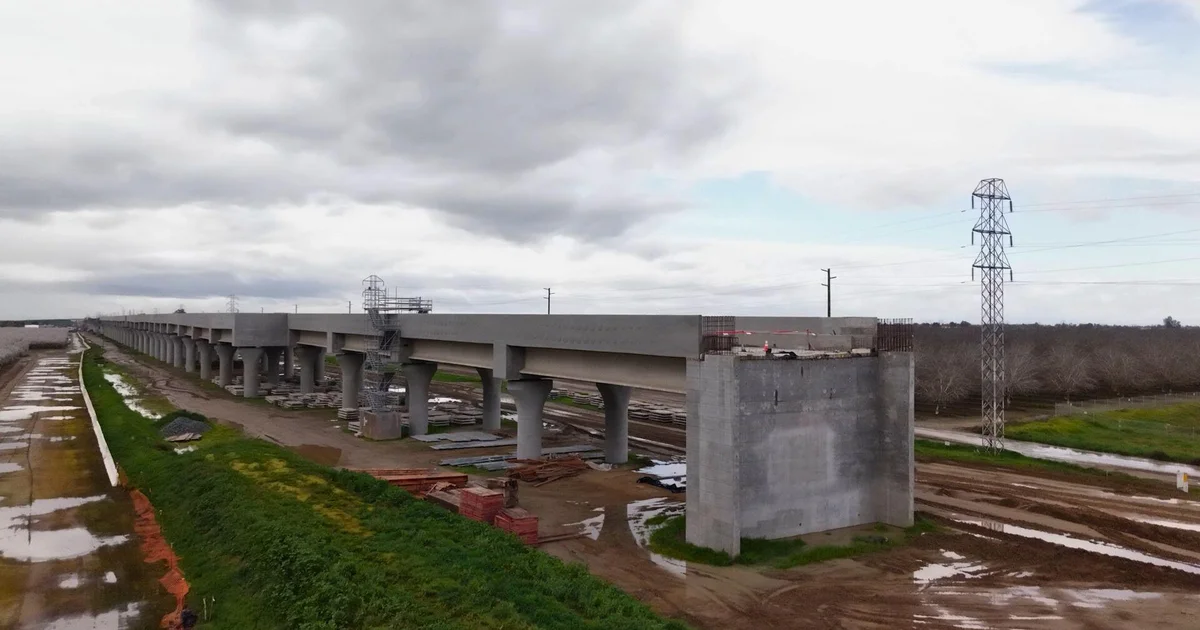
This is an updated version of a story first published on April 5, 2026. The original video can be viewed here. It's hard to exaggerate the role of the train in the American story or the romance of train travel, those iron horses galloping down rods of steel. Why, then, has high-speed rail — so common in other countries — not tracked in the U.S.? As we first reported in April, an ambitious state-run project connecting L.A. and San Francisco has lurched, derailed, cost billions and may never happen. One private company is betting that it can succeed where the public sector has not, but that, too, has had its bumps. As U.S. high-speed rail remains a mirage, a ghost train, it's become a stand-in for a broader question: can America get its act together and still build big things?The very model of modern engineering, it hums across the fruited plains at a top speed of 200 miles-an-hour. It revolutionized travel, it's a source of national pride… in Morocco.Here in the U.S., high-speed rail looks like this: hardly passenger-ready.America's hopes for its first high-speed rail were kindled in 2008, when California voters approved a ballot measure for a train connecting Los Angeles to San Francisco in less than three hours. The estimated price tag: $33 billion. Completion date: 2020. It would cut pollution; revitalize local economies, clear gridlock. Status update: today the state's high-speed rail authority is preparing to lay its first tracks at roughly the same cost. Only, slight course correction here, instead of L.A. to San Francisco, it will run one-third of that distance, connecting… wait for it…the metropolis of Bakersfield and Merced, population 99,000. Oh, and when will it open? 2033. Maybe.Rep. Vince Fong: I think that the California High-Speed Rail nightmare is the probably quintessential example of government waste and mismanagement.
Other countries have 200 mph passenger trains. Why has high-speed rail not tracked here?
High-speed rail can be found around the world. Yet so far, the projects haven't tracked in the U.S., where both the public and private sectors have faced ballooning costs and delays.
2,201 words~10 min read