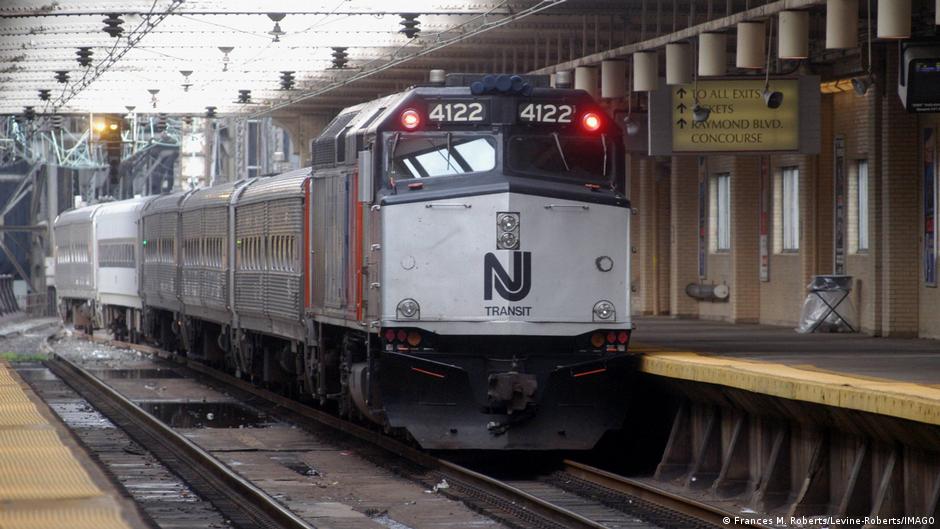
Passenger rail has the power to transform communities by connecting residents to essential services while reducing emissions and roadway congestion. Despite these benefits, expanding rail in the United States has proven nearly impossible due to its sky-high price.
As an example, the city of Seattle recently embarked on a four-mile light rail extension, costing just under $2 billion per mile. With this price tag, in addition to regulatory and bureaucratic hurdles, projects in this space often stall before they begin. Carnegie Mellon University researchers are working to flip this model and, in doing so, decrease a multi-billion-dollar project to millions.
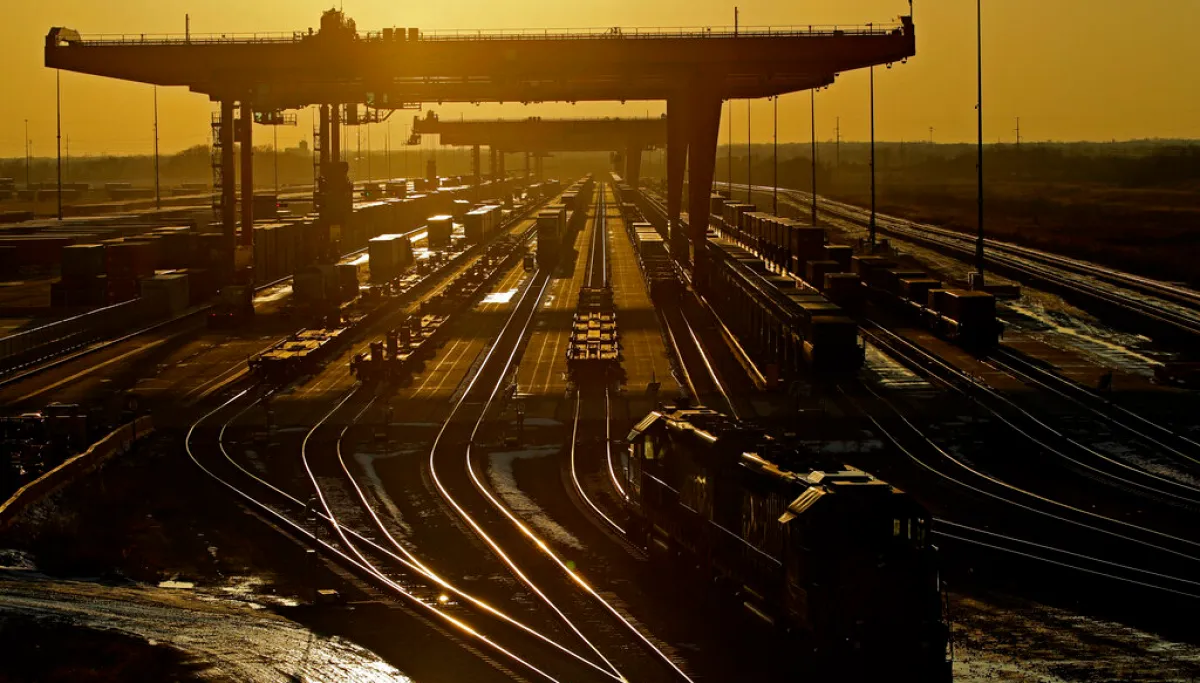
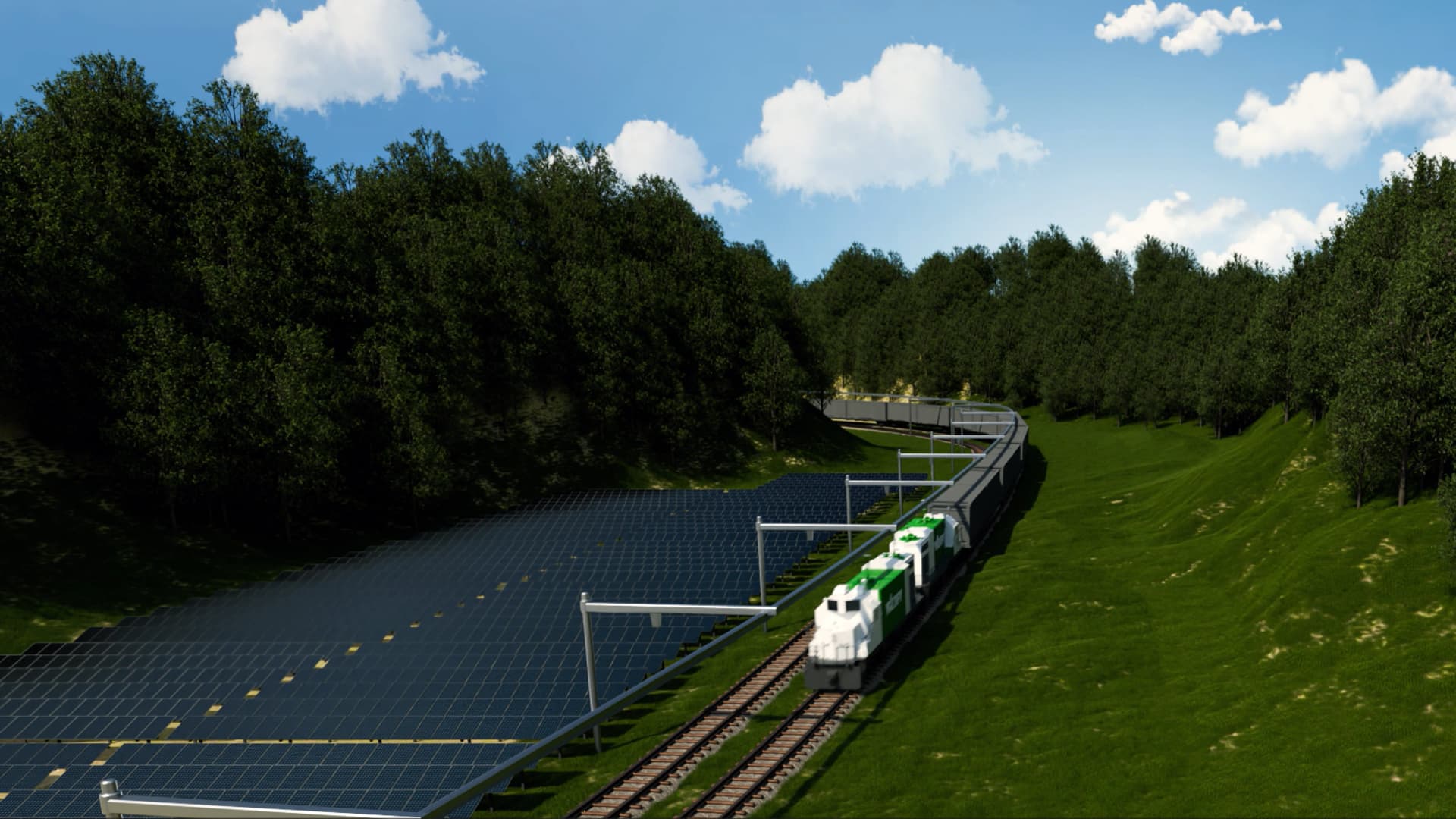
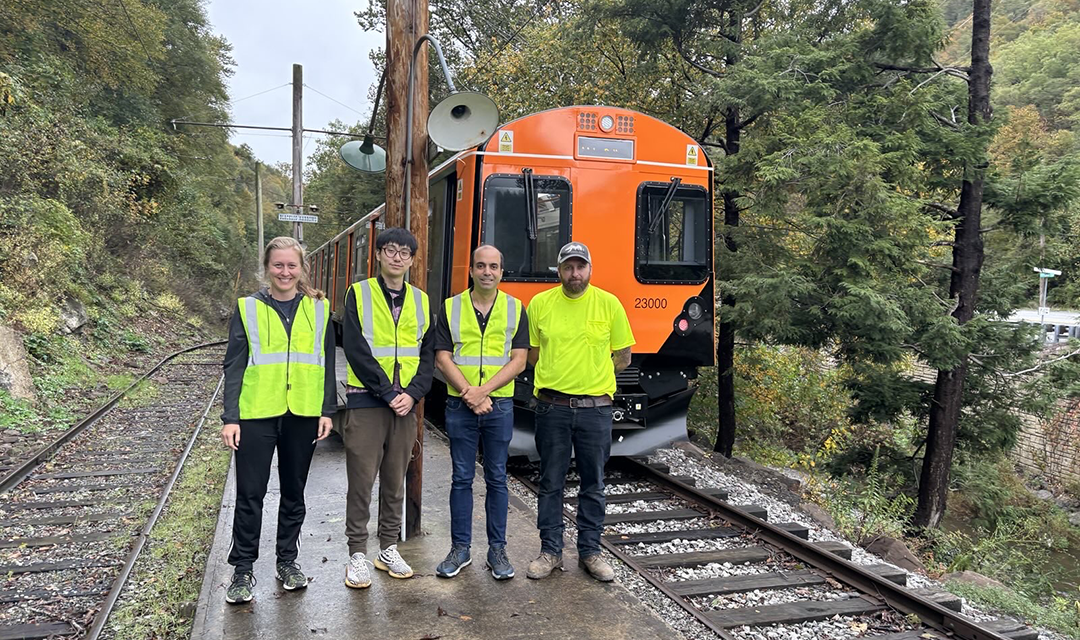
With support from the National Science Foundation’s Civic Innovation Challenge (CIVIC), a unique program that emphasizes rapid, on-the-ground impact with direct community engagement, the team is leveraging the nation’s underutilized “legacy rail,” or existing and established tracks that remain underutilized or abandoned, to pave a path toward faster, more affordable, and more sustainable rail transit.
\
The project was conducted in two phases, where Phase 1 aimed to quantify the scale and feasibility of the project undertaking, from the on-the-ground community engagement to the technology deployment and the partnership collaboration.