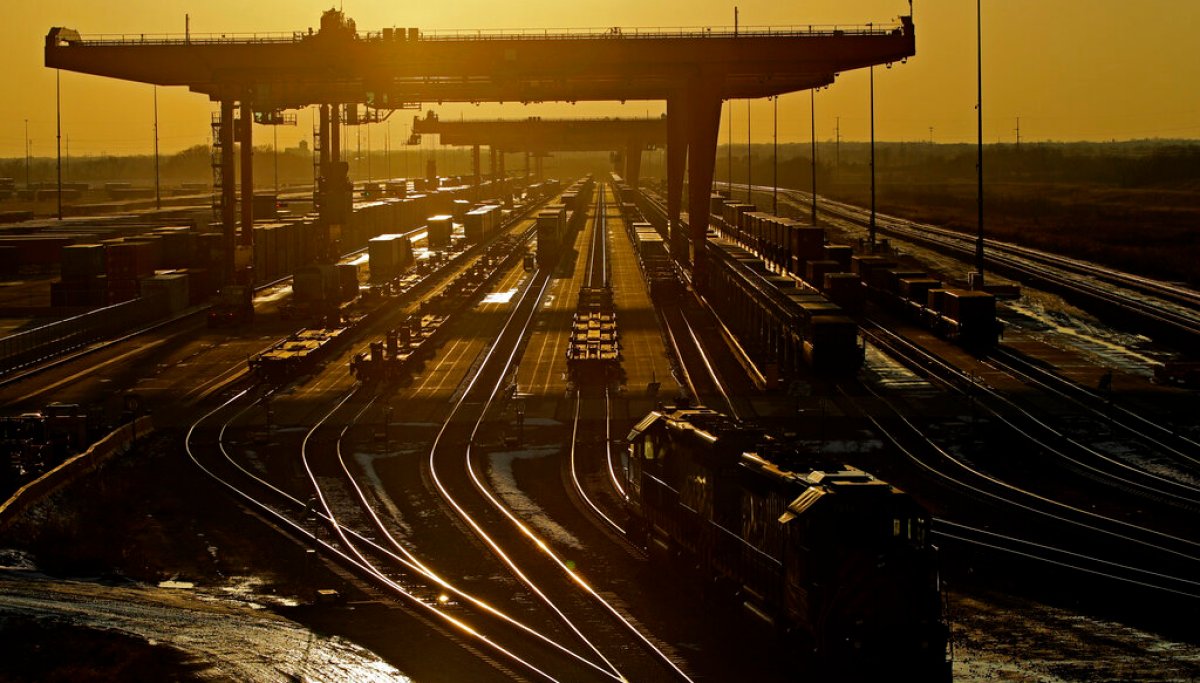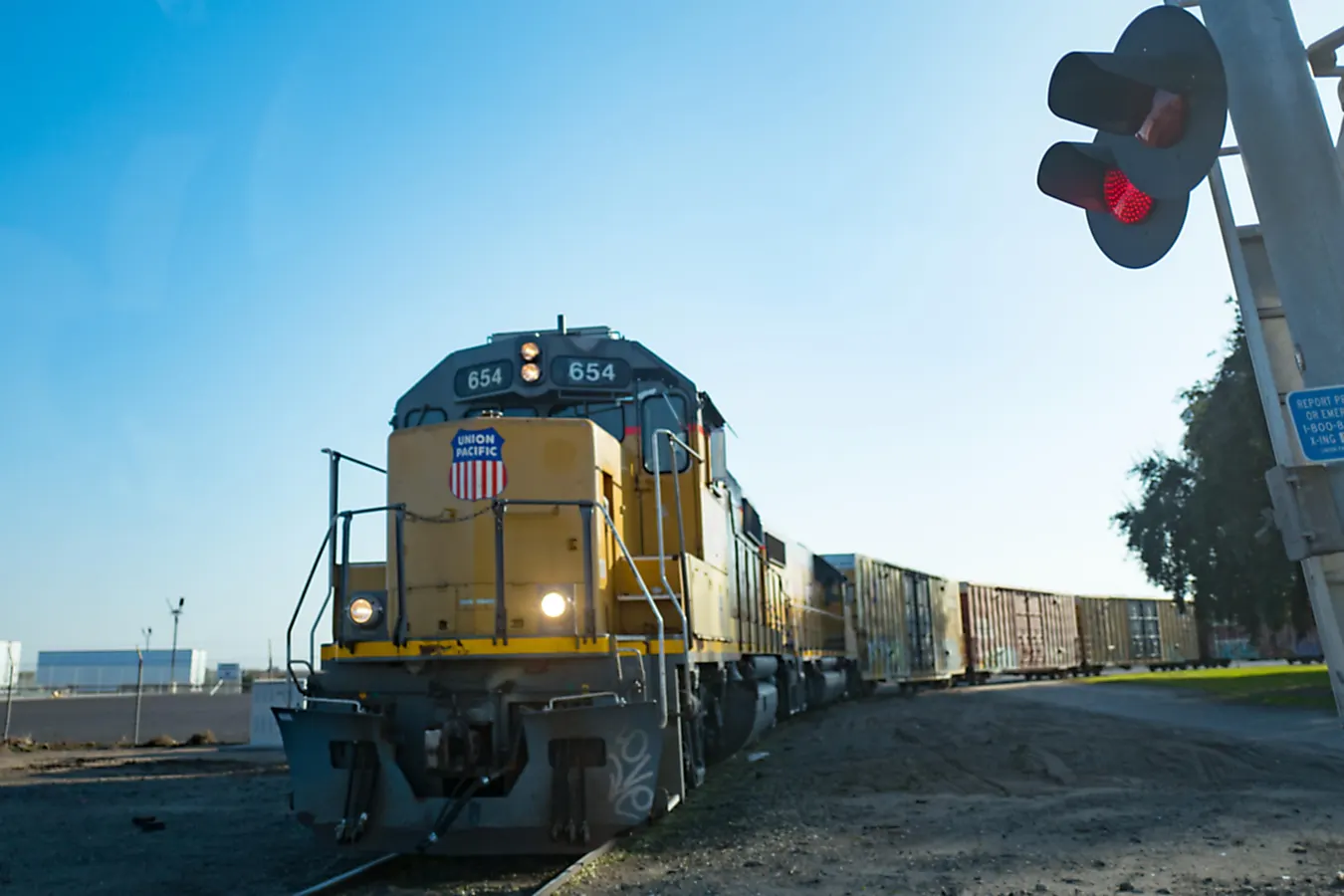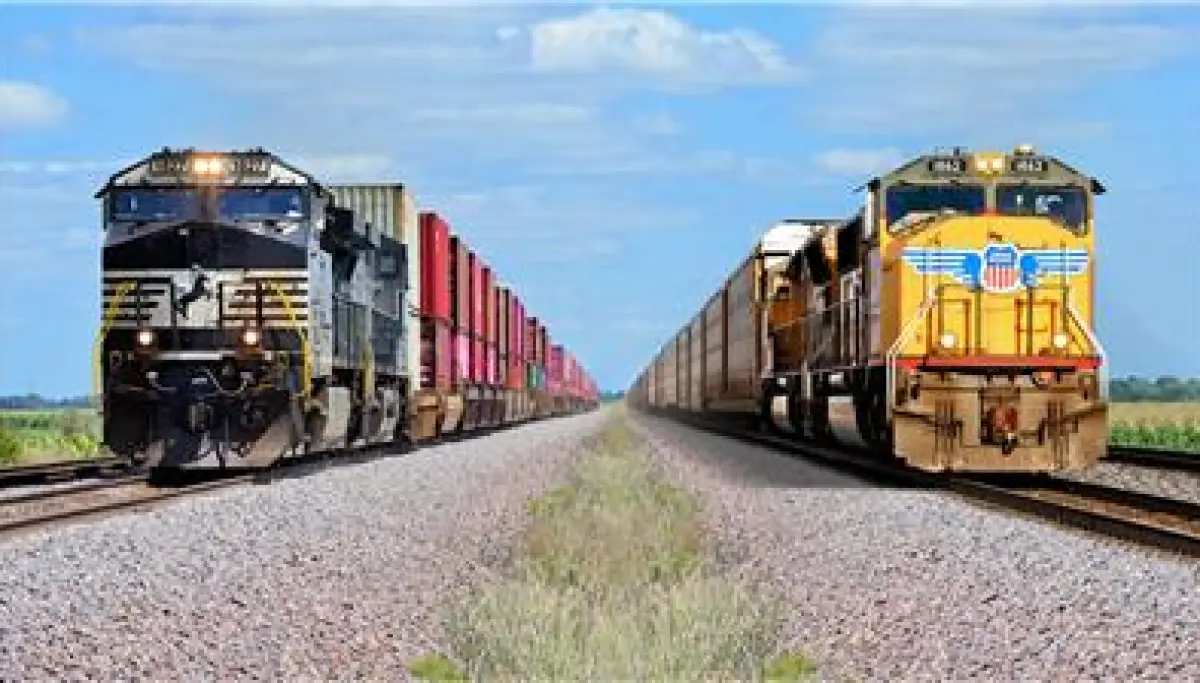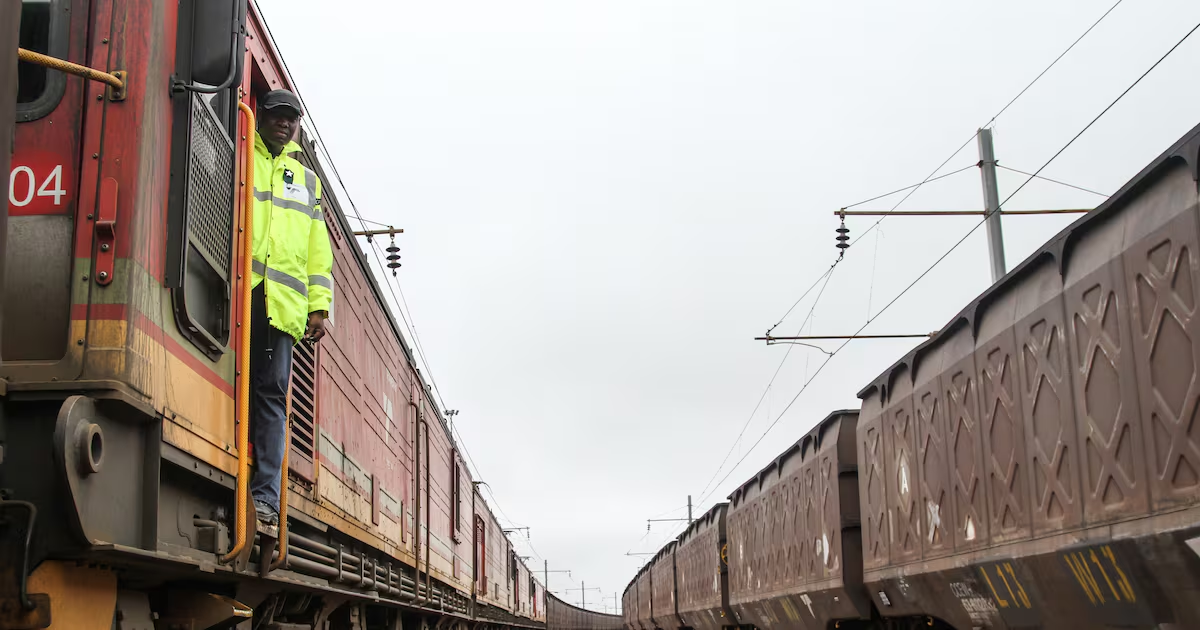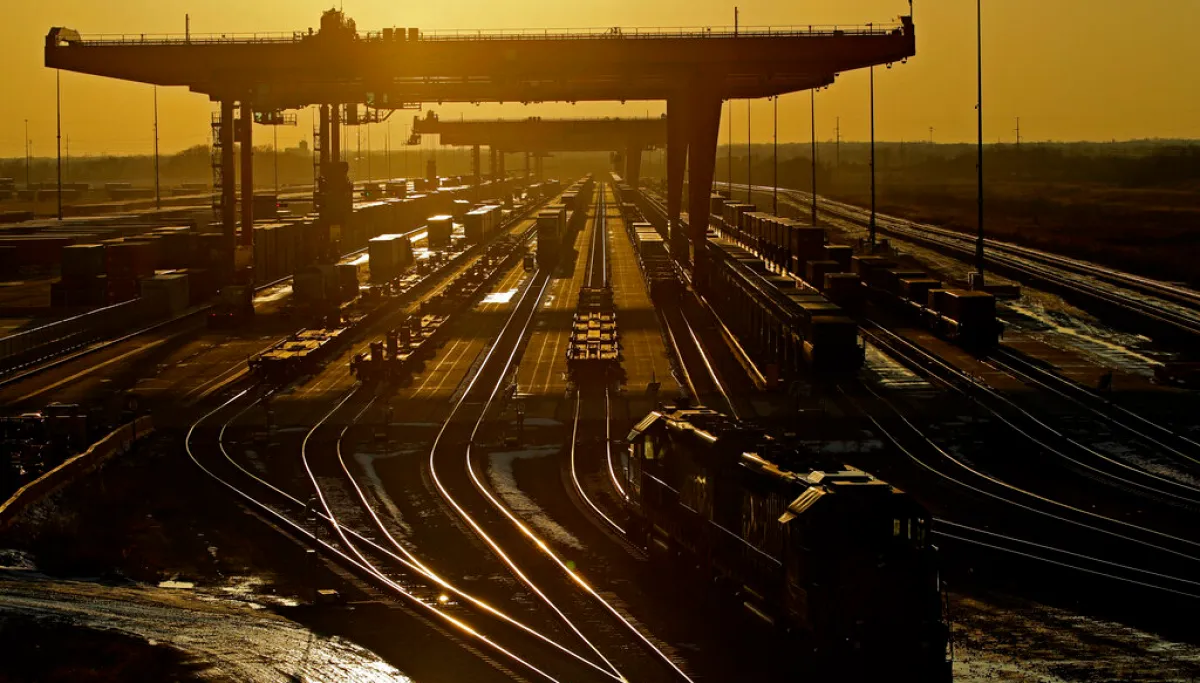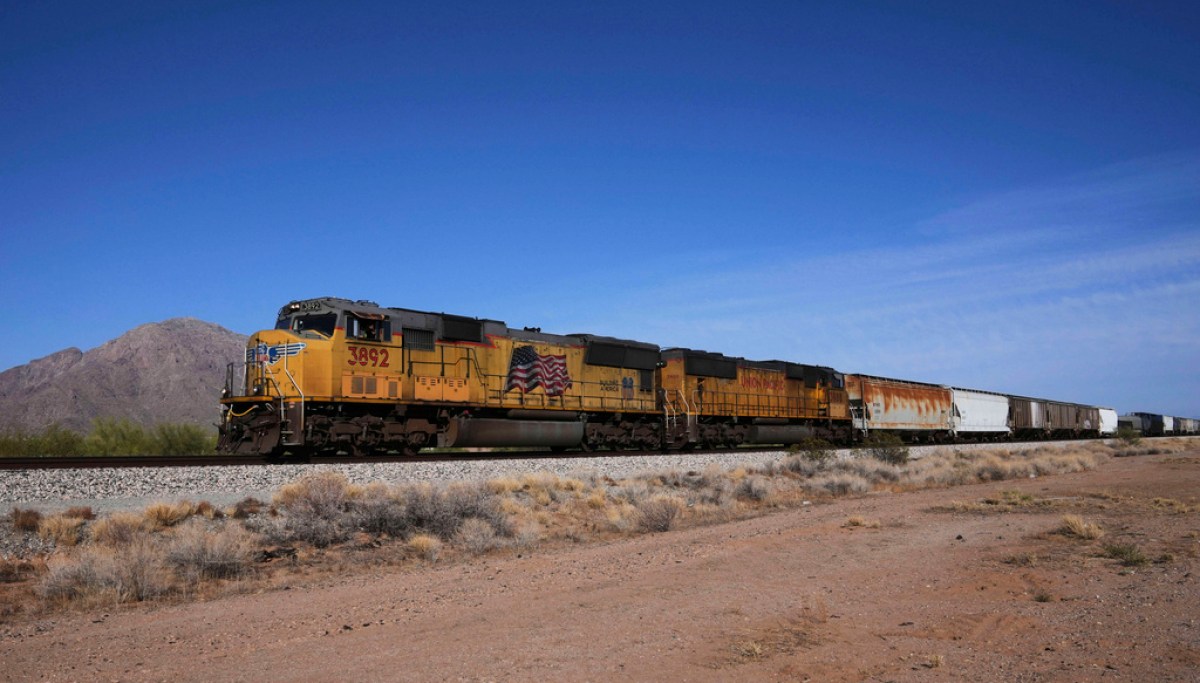
Even as other modes of transportation gain prominence, railroads maintain their role as an essential means of transporting energy products. Railroads transport 75% of coal and 60% to 70% of ethanol shipments.With cost and fuel efficiency, railroads leverage massive scale to mitigate the price volatility of shipping by truck or plane, accounting for 40% of long-distance U.S. freight ton-miles, greater than any other mode of transportation. Crucially, railroads achieve this success with an impeccable safety record that’s only getting better thanks to continuous innovation. Since 2005, overall train accident rates have declined 40%, and 2025 saw historic lows in derailments, equipment-caused accidents, track-caused accidents, and Class I employee injury rates. Over 99.9% of hazardous materials, such as crude oil, reach their destination safely.
PUBLIC SAFETY NEEDS FOLLOW-THROUGH, NOT SYMBOLISM
Unfortunately, the 2026 Railway Safety Act threatens to replace this tradition of bottom-up safety and efficiency achievements with federal requirements. The act would burden railroads with new standards not linked to improved safety outcomes, and the House Transportation and Infrastructure Committee is expected to include the Railway Safety Act in the Surface Transportation Reauthorization markup next week.