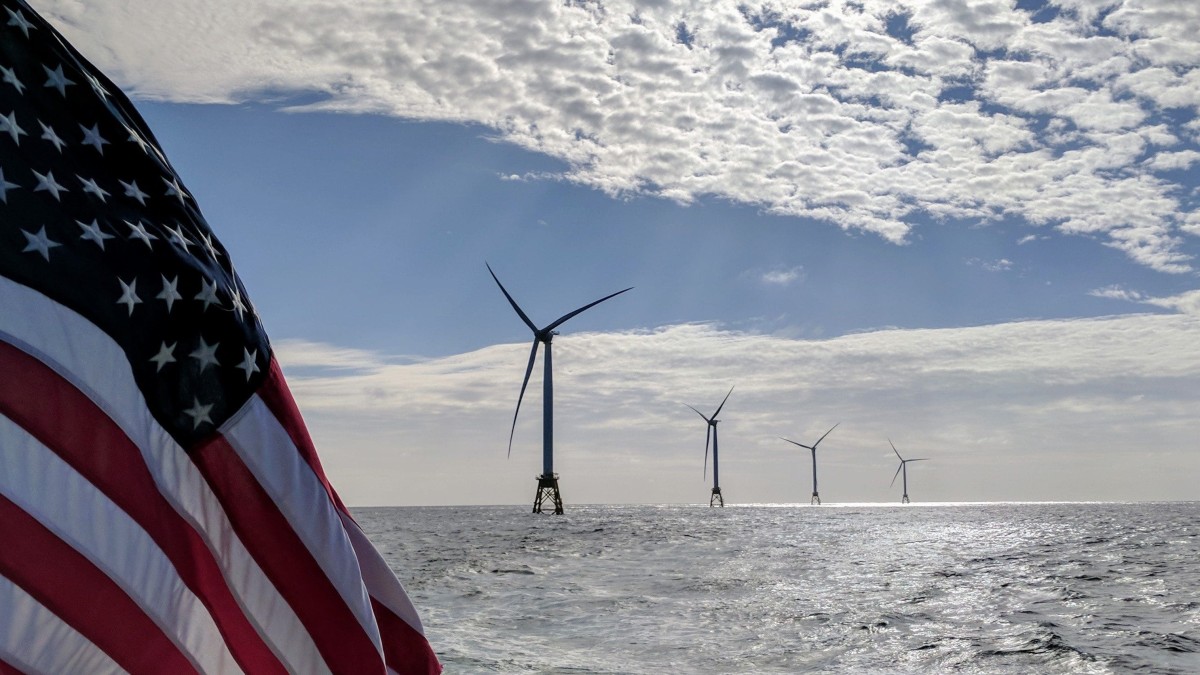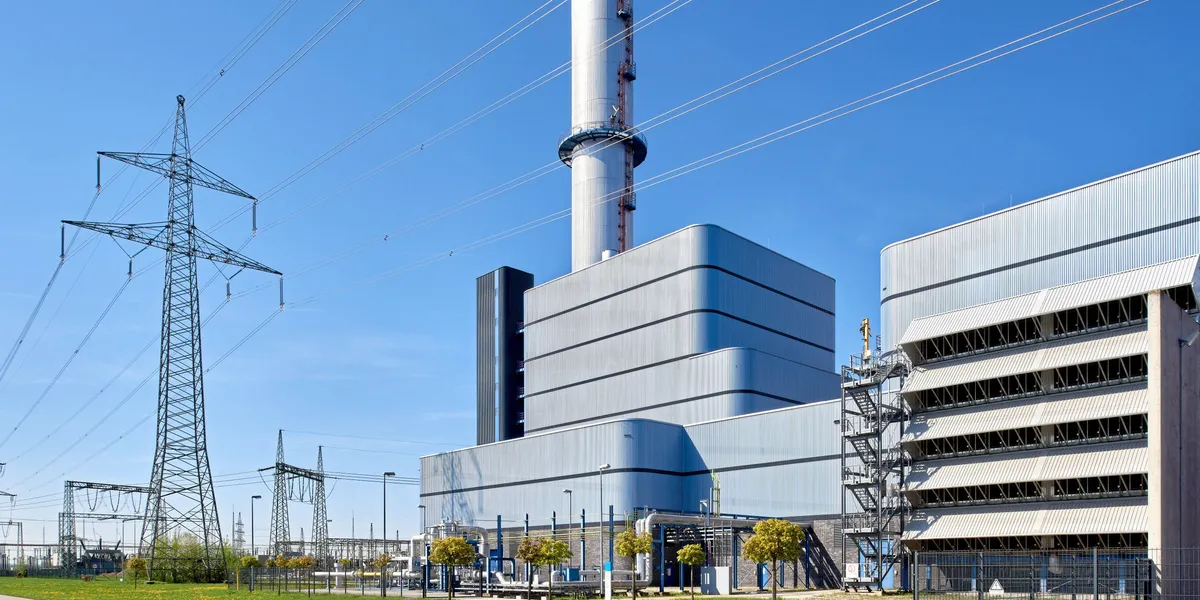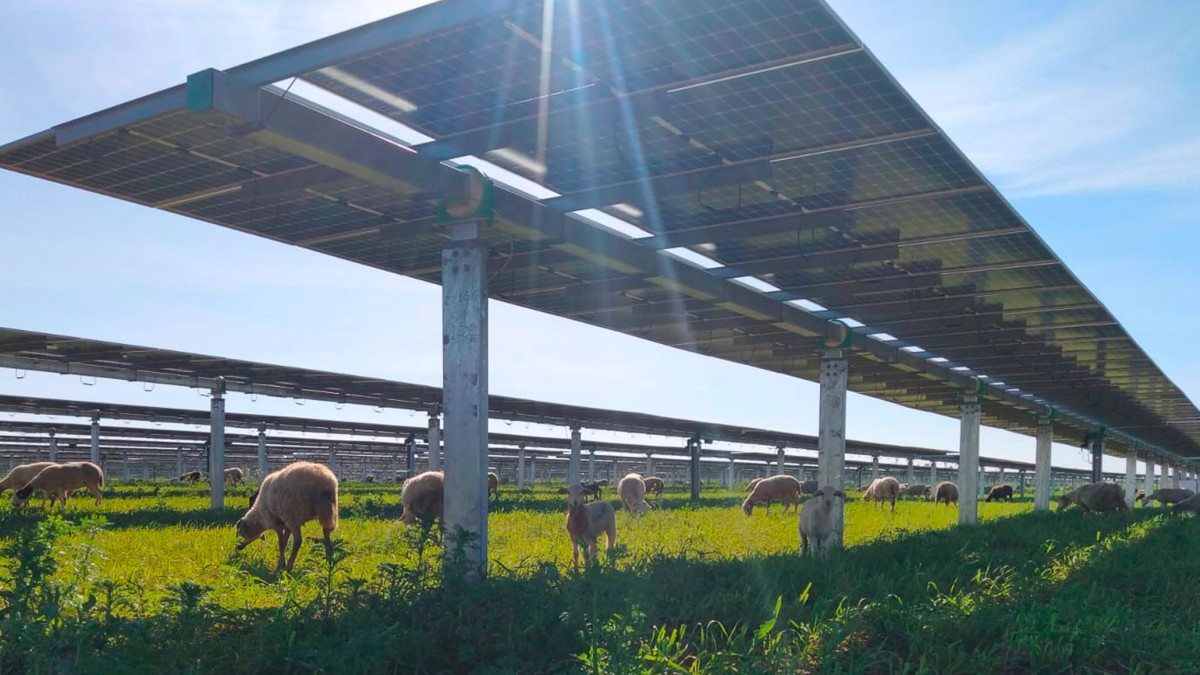
If we think of electricity purely as a commodity, then we should apply to it the one financial rule that dominates all commodity markets everywhere: the lowest cost producer always wins. The logic behind this is simple. Why would anyone pay more for an identical product, scarcity concerns notwithstanding? If a pound (or kilo) of say sugar was $5 at store A and $10 at store B, it’s no mystery whose inventory will sell out first. The same logic applies to the production of electricity. And, to us, that’s why industry leaders have been so focused on a transition to gas from coal as a boiler fuel. And we’ll get into where renewables fit here in a moment but let’s explore the logic behind the utility industry's coal to gas transition for a moment.(Every time we write stuff like this, we receive a flurry of correspondence from well-meaning individuals suggesting that we are complete morons who know nothing about the adverse environmental consequences of CO2 accumulation in the atmosphere. All we say is please bear with us here because we believe a brief review of recent history may help illuminate our present moment and its technological changes.)Let’s begin with a simple question. Are there any obvious advantages for an electric utility to use gas instead of coal in its boilers? In answer, there are at least four major cost and efficiency advantages of gas vs coal:The biggest one is the heat rate of a gas vs a coal boiler. Heat rate tells us how much thermal energy (in the fuel) is required to produce a KWH. A coal boiler requires about 10,000 BTUs/KWH vs a combined cycle gas boiler, which requires about 7500 BTUs /KWH. In competitive terms, an advantage like this is insurmountable.Shipping costs are another advantage of gas vs coal. Moving gas via pipelines is much cheaper than moving coal via rail. In some cases rail costs make up to half the price of a delivered ton of coal.Disposal of long term waste adds to coal’s disadvantage. Unlike gas, coal boilers produce toxic ash that has to be treated and dealt with at considerable expense on a long term basis.Accelerated maintenance schedules of the aging coal generation fleet add to its costs vs gas. The plants have to be taken offline for routine maintenance more frequently than comparable gas facilities.There are some advantages to coal vs gas that we have recently seen, like superior performance in adverse winter conditions. But our purpose here is to explain why commodity-focused utility executives would think gas is a superior investment when it comes time to replace their old coal boilers. As we can see from an efficiency, cost, waste, and maintenance perspective, one potential boiler fuel, gas, appears far superior to coal, making this an easy executive decision, environmental factors aside.That’s the logic the utility industry uses to justify the coal-to-gas transition. This discussion is far from academic. According to the US EIA, the average age of today’s coal plant in the US is about 45 years (with an expected useful life of about 50 years). However, due to the rapid increase in US electric power demand, there has been a dramatic slowing of coal plant retirements. In a typical year, we might have seen over 12 GWs of announced plant retirements as we did in 2022. Last year, we only saw 2.6 GWs. In addition, some plant owners have announced delays of previously announced retirements. In other words, the owners are planning to operate these facilities longer than previously planned. But despite the dramatic increase in power demand, no one, we repeat, no one in the US has announced plans to build even one new coal-fired power-generating station. By contrast, according to the EIA, about 18,000 MWs of new gas plants are presently under construction, and more importantly, about 98,000 MWs of gas were identified as being in the site selection and planning stages of development. Let’s review: New plants under construction: coal - O MWs, gas - 116,000 MWs.But where do renewables fit in? They are doing to gas what gas did to coal: they provide the same product (electricity) at a much cheaper price (and obviously in a more environmentally benign fashion). But for the time being, we will intentionally ignore environmental advantages and externalities and focus on economics as seen by the decision makers in the electric power industry. . Conveniently the EIA provides LCOE (levelized cost of energy) data comparisons which permit us to evaluate every possible type of power plant despite different capital costs as well as wildly varying operating cost profiles. Stated simply, the enormous economic advantage of wind, solar and battery technologies is that they have zero fuel costs. Coal and gas plants, by contrast, have enormous lifetime fuel costs. Conveniently, the EIA does an annual LCOE analysis of every major power-generating technology (Levelized Cost of New Generating Resources in the Annual Outlook 2025, April 2025). The three types of power generation we’re comparing here, coal, gas, and renewables, show the following LCOE costs:Coal was most costly at $73 per megawatt hour (this is Lazard’s LCOE figure not the EIAs),Gas at $64.55 (this is for a combined cycle plant)Solar photovoltaic plus batteries was $53.44.Wind onshore was $29.58Offshore wind was $88.16, which the EIA data show is currently fairly close to the LCOE of new gigawatt-scale nuclear plants.No data included for small modular reactors (SMRs).. Our point here simply is that in commodity businesses like electricity, the lowest cost producer always (ultimately) wins. If this statement remains true, that means renewables are or will be the lowest cost, and thus the dominant power-producing technology. This may prove awkward since, as we showed above, we’re currently in a big build cycle with gas. All we can say is that the risk that these new gas plants will become prematurely stranded assets is no longer zero.We will conclude with an analogy from the Second World War. As the war in the Pacific drew to a close, Allied forces engaged Japanese forces in numerous island battles in what were known as “mopping up” operations. Our point here was that the outcome of these various island battles was already known. (The remaining Japanese forces had neither the option of resupply nor escape.) In our view, and based on the above analogy, renewables are about to start “mopping up” the fossil fueled competition in the power generation business. And the highest cost producers will be most vulnerable. (New nuclear and SMRs, for example, look extremely vulnerable.) We’re already seeing this in places like California, where batteries discharging at periods of peak demand are being deployed instead of gas-fired peaking units. Why? They’re cheaper, by about 10%, according to the LCOE. Renewables will win more competitive battles like this over time. But what makes technology transitions more difficult to comprehend and plan for is that these so-called mopping up operations may occur over decades, with older less efficient (and more costly) technologies operating side by side with the new stuff for years. But as the old farmers used to say, “Son, bet on the tractor, not the horse.”By Leonard Hyman and William Tilles for Oilprice.comMore Top Reads From Oilprice.comNigeria Needs New Export Markets as UAE's Exit Rattles OPECGermany Launches Formal Sale Process for UniperIran’s Floating Oil Stockpile Jumps 65% as U.S. Naval Blockade Bites
Utilities Are Betting Billions on a Technology That Could Become Obsolete | OilPrice.com
Today’s massive gas plant buildout could eventually create stranded assets as renewables continue gaining market share and becoming the lowest-cost power source.
1,224 words~6 min read