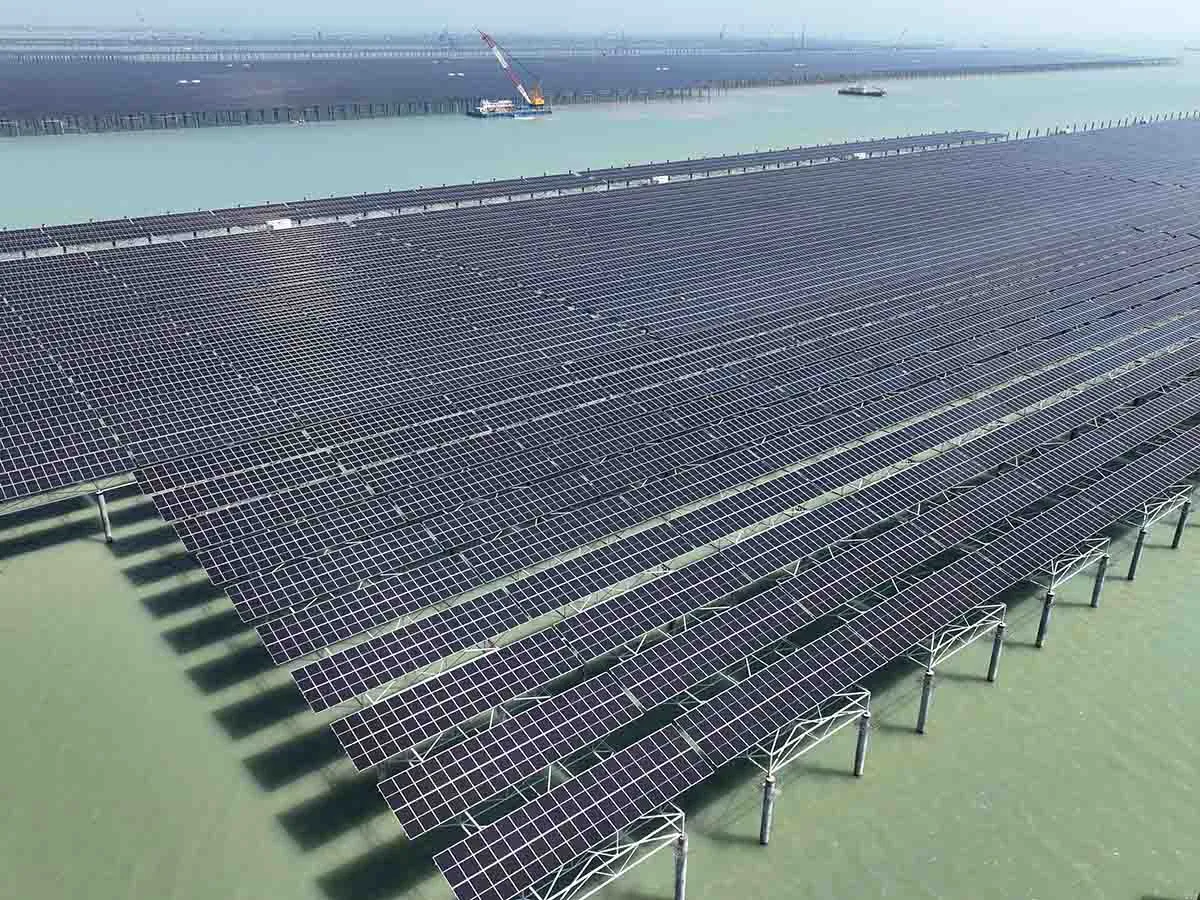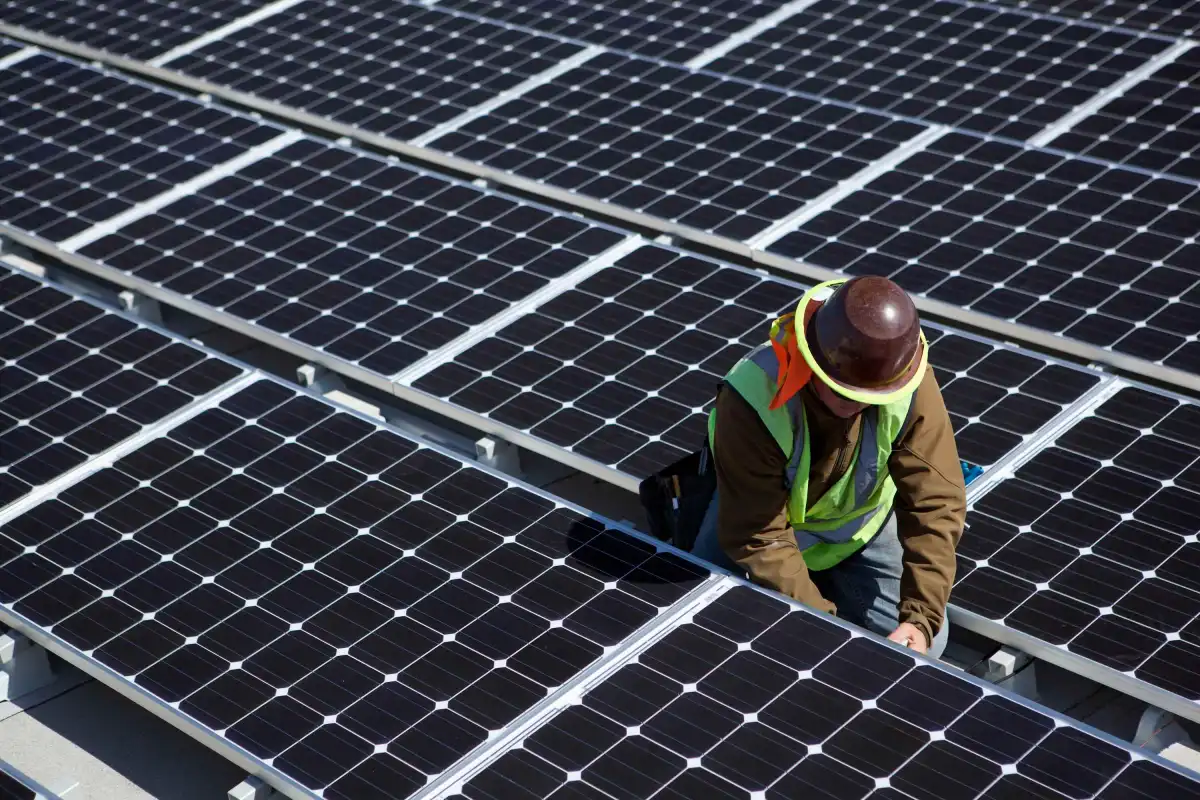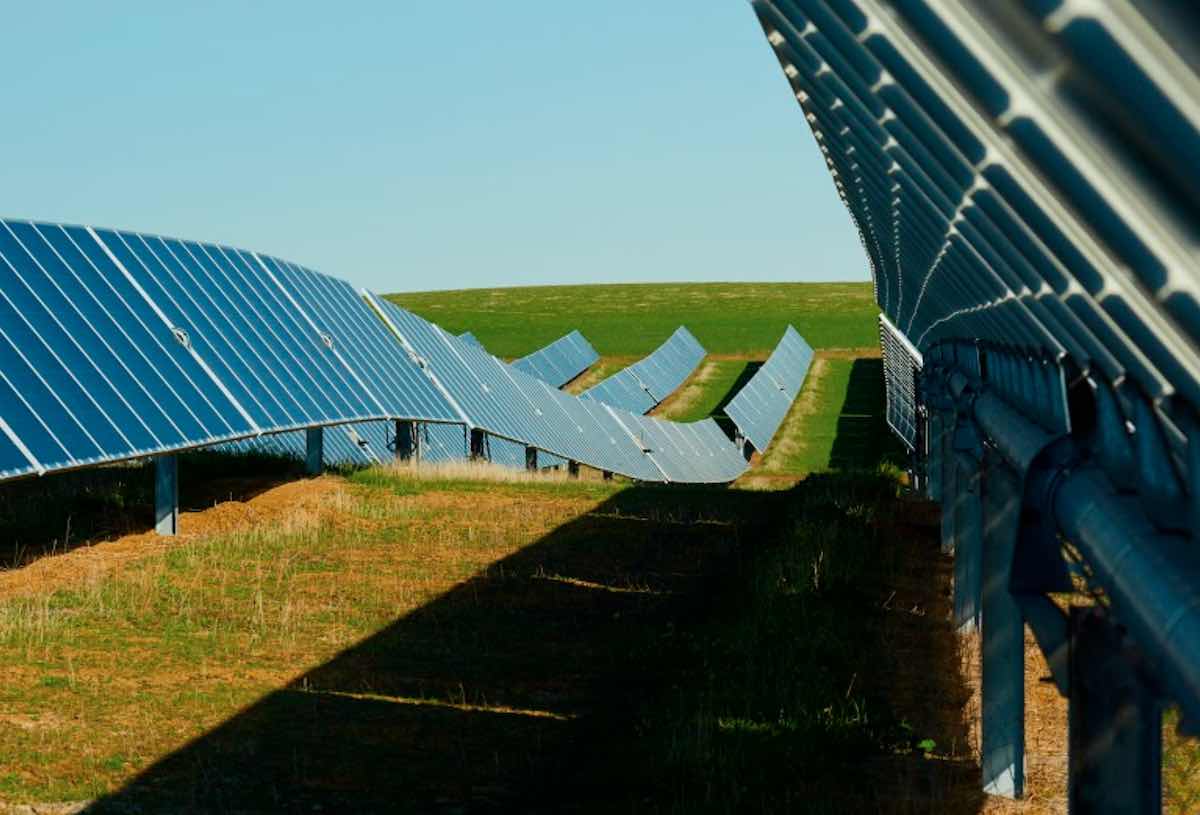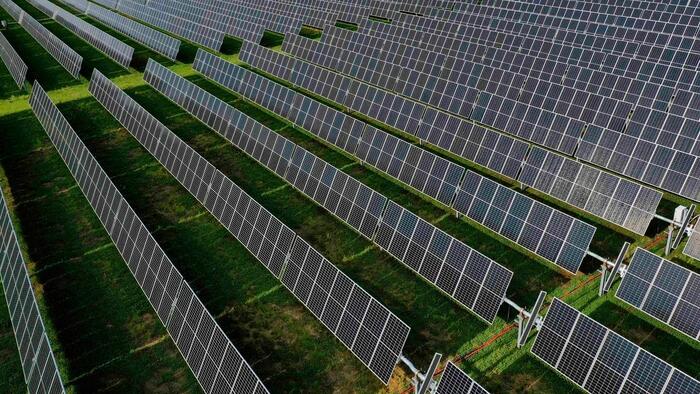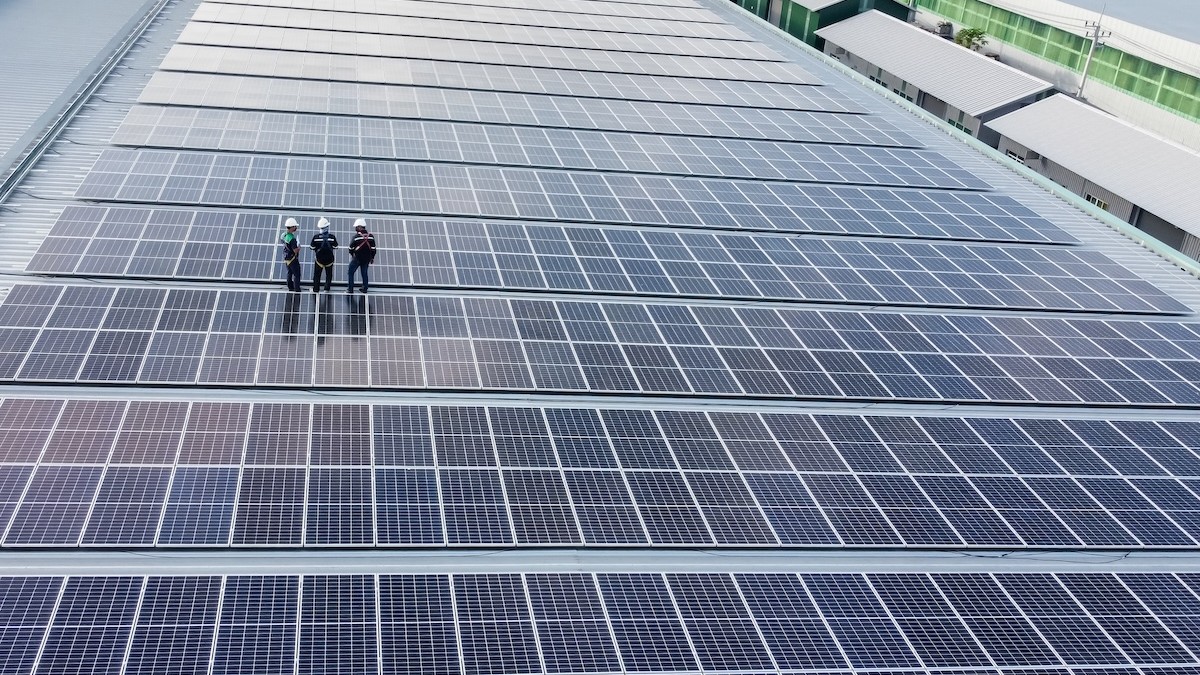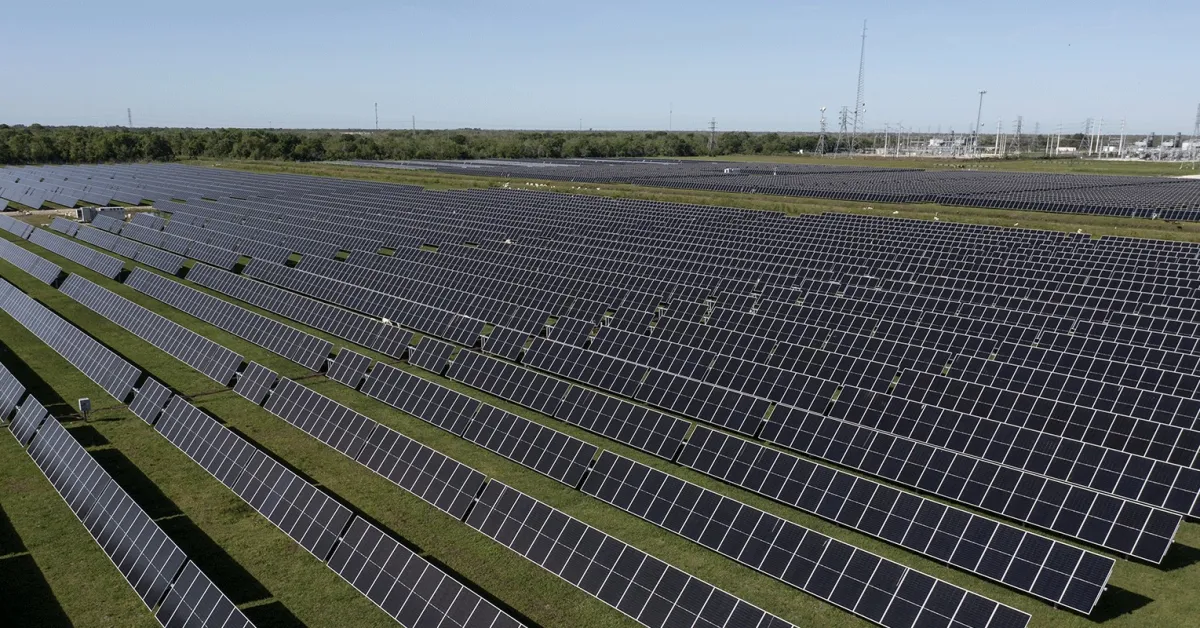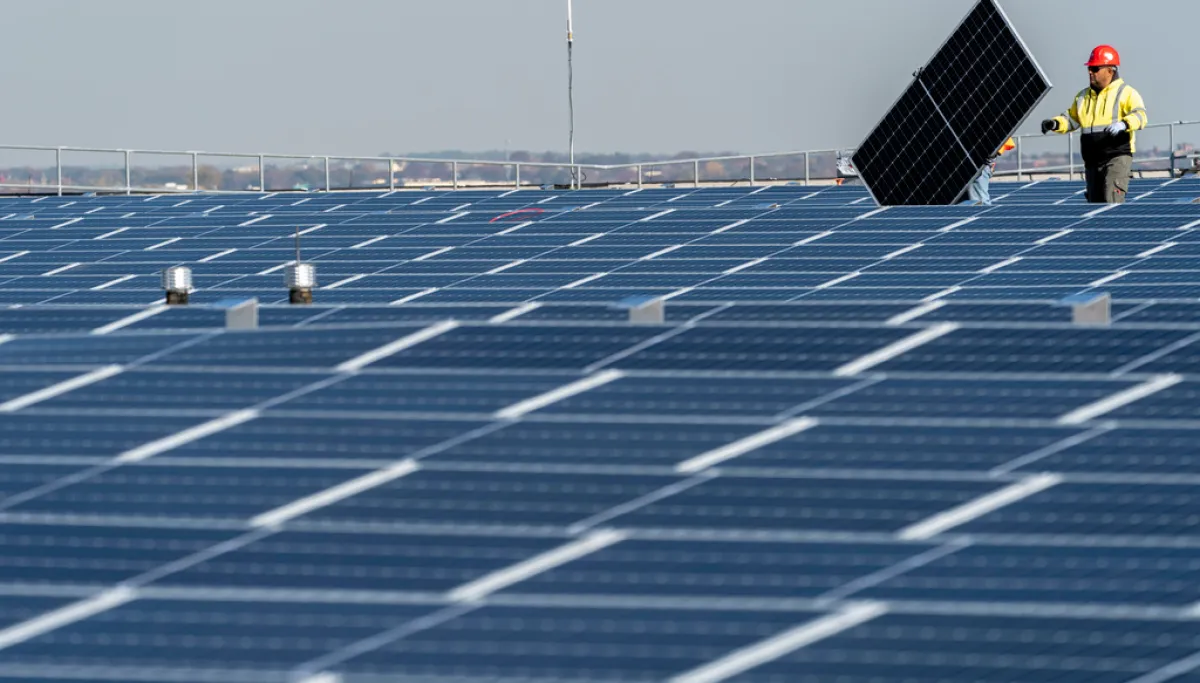
Renewable energy alternatives will become the largest sources of electricity in the next 10 years, new research suggests, as nations seek to diversify their energy resources to avoid future supply shocks, as seen with the closure of the Strait of Hormuz. BloombergNEF released its annual energy outlook on Tuesday, forecasting that if countries continue on the current path of deploying clean energy technologies such as wind and solar, the world will reduce its dependence on fossil fuels. “So far in this decade, the world has suffered three substantial energy shocks – Covid-19, the war in Ukraine and most recently the Iran war in the Middle East,” analysts wrote in the report. “Each has highlighted the inherent volatility and insecurity of today’s energy system.”
In 2025, coal accounted for the largest share of global electricity generation at just over 32%. Natural gas followed closely with 21.8%, while solar and wind made up 9.1% and 8.9%, respectively.
BloombergNEF now estimates that solar will outpace coal by 2032, making up 20.6% of global electricity generation, compared to coal’s 19.8%. Natural gas is only expected to make up 19.2% that same year.
Renewables’ share of electricity generation is only expected to grow in the years after, with solar power estimated to make up 31% by 2050, and wind accounting for 24.9%.