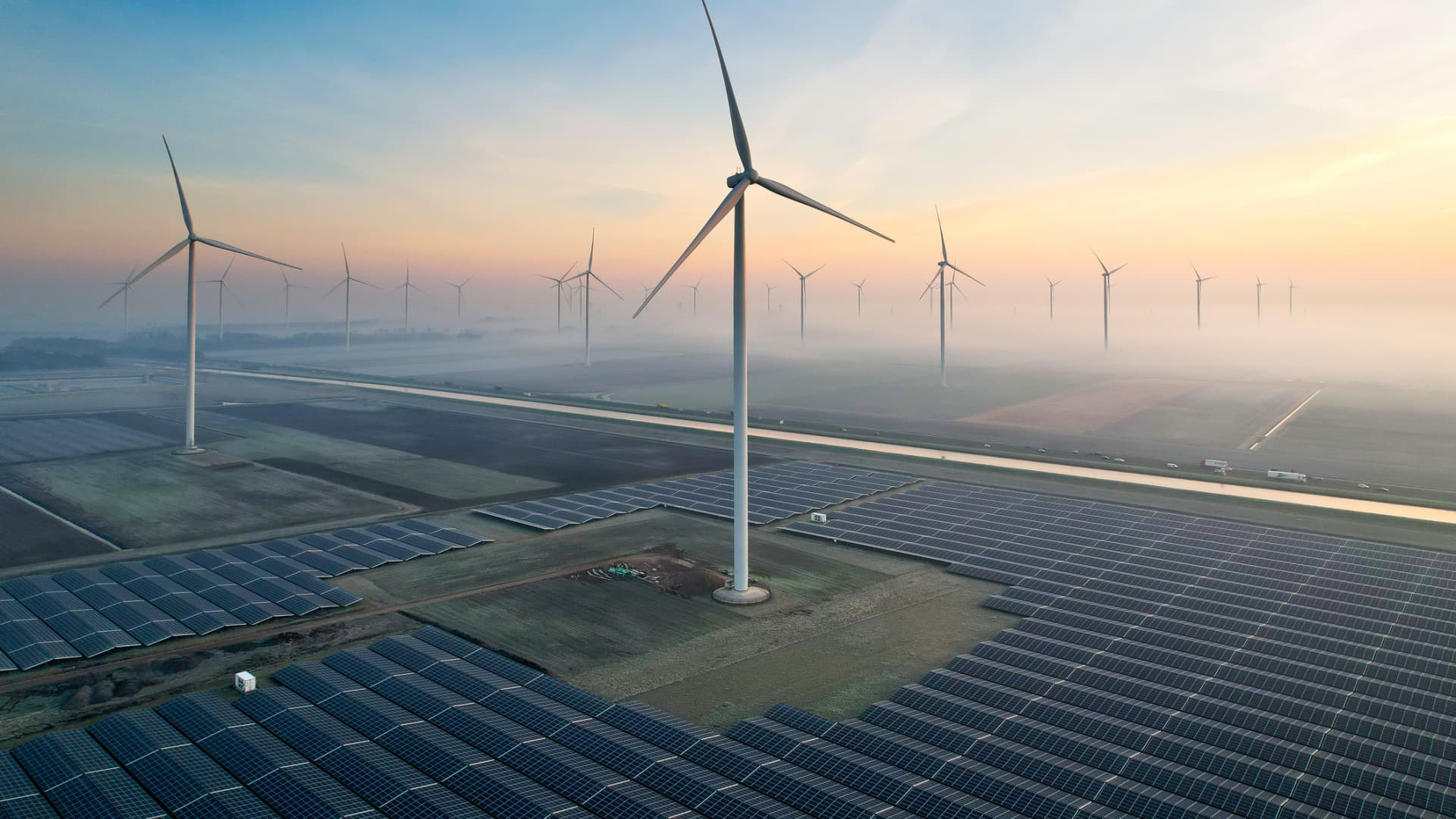
Solar will become the largest source of power in the next decade, surpassing coal, oil and natural gas, according to a new report from BloombergNEF. The tectonic shift will occur alongside a historic rise in the use of energy driven by AI and the electrification of entire industries.
“Solar is winning the race,” Matthias Kimmel, head of energy economics at BloombergNEF, told TechCrunch.
BloombergNEF expects the shift to happen on economic grounds alone — solar is simply too cheap to ignore. Pakistan, for example, has added 25 gigawatts of solar power in the last two years after natural gas prices spiked following Russia’s invasion of Ukraine. The transition could be even swifter if countries take more aggressive measures to curb their carbon emissions.
The power handoff comes as investors are viewing energy as one of the biggest opportunities for growth in recent decades. Data centers have been at the center of the obsession, and BloombergNEF’s data reinforces the scale of the opportunity. The energy consultancy expects data centers to drive an additional 1 terawatt of utility-scale solar, 400 gigawatts of solar, 370 gigawatts of natural gas, and 110 gigawatts of coal.
But because of gas and coal’s ability to operate 24/7, BloombergNEF expects those fossil fuels to provide 51% of incremental generation for data centers by 2050. Put simply, tech companies and data center developers will have an outsized influence over which energy sources remain viable by mid-century.