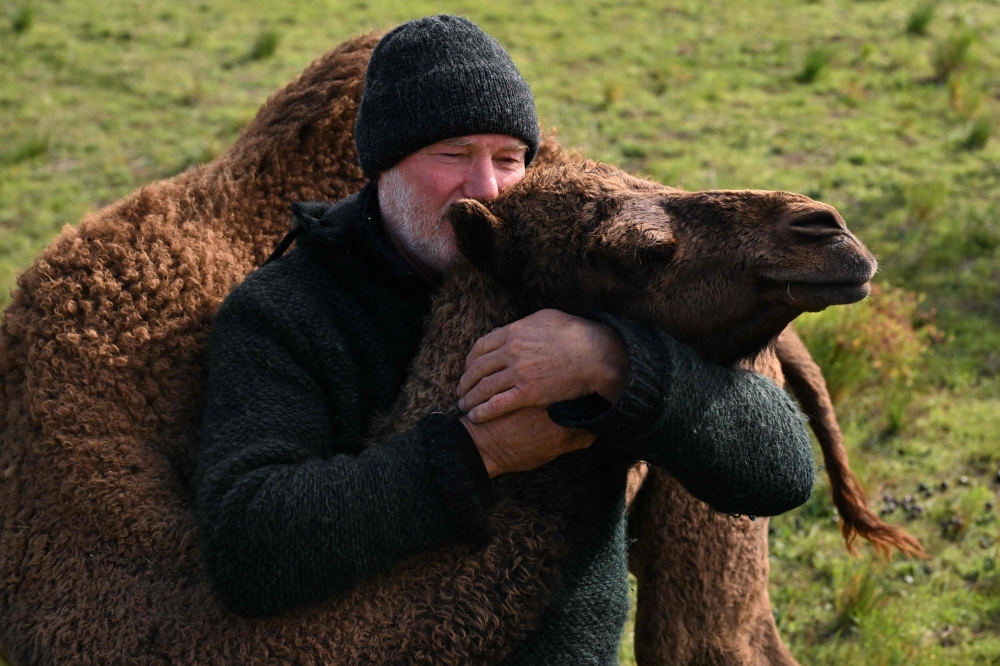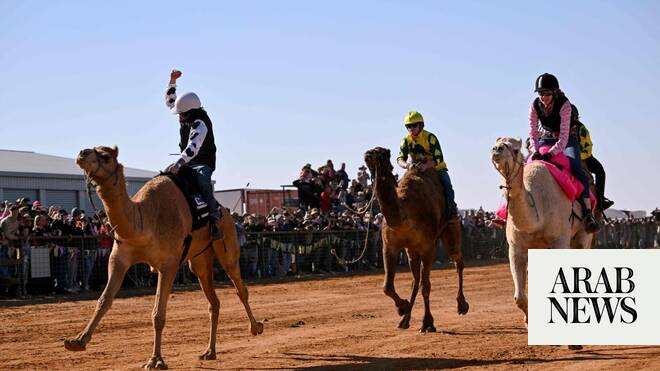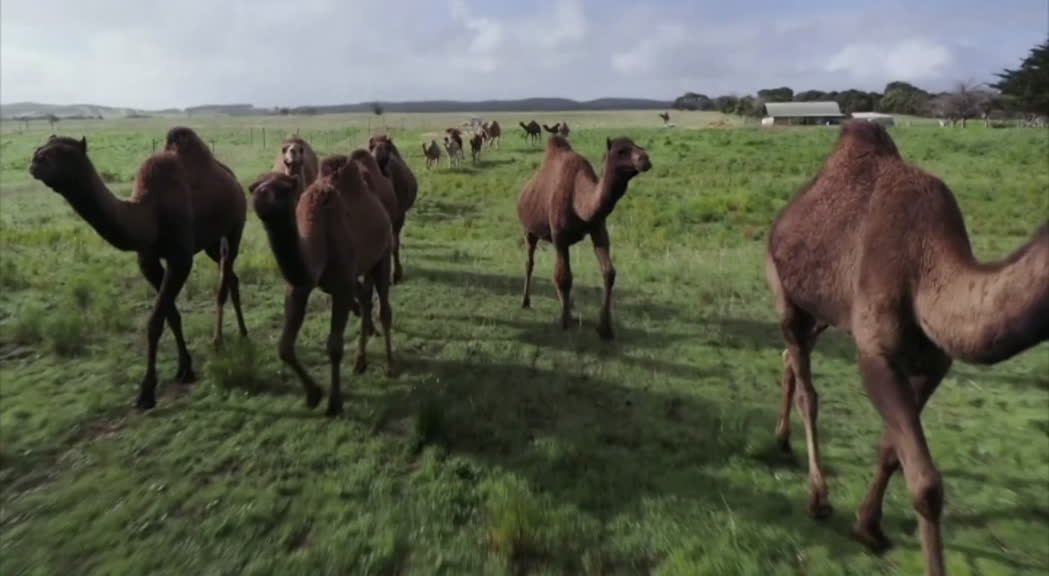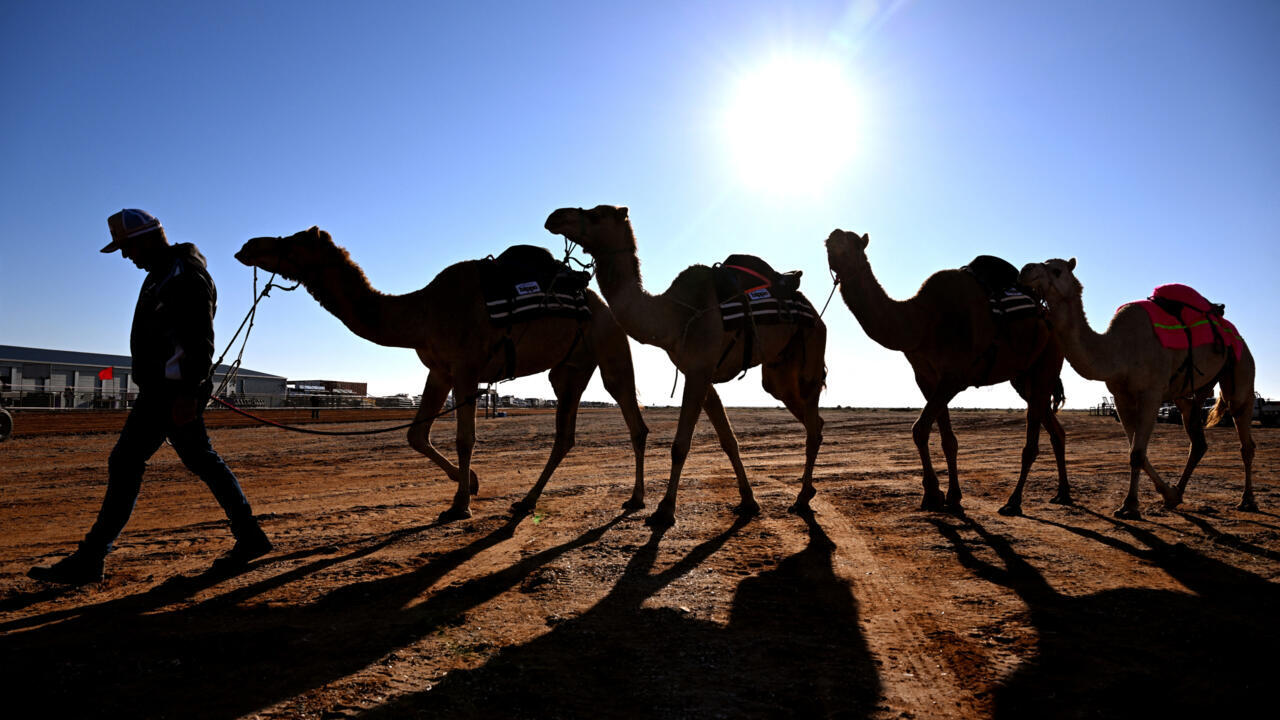
Imported by British colonists in the 19th century for transport but set free when the advent of cars rendered them redundant, estimates of the camel population in Australia range from 300,000 to up to a million.Many of them are feral, roaming the outback and generally causing trouble -- competing with stock for food, destroying fences, fouling waterholes and damaging Indigenous cultural sites, authorities say.But domesticated they also represent a modest export market, with Australian farmers selling their milk and sometimes even the camels whole -- 68 so far in 2026 heading to Malaysia and Indonesia. Exports of camel meat totalled over $3.9 million in 2024, according to trade data.On the Humpalicious farm in the South Australian town of Robe, owner and former sea captain Warwick Hill sings the benefits of his fluffy dromedarian friends."They're very nice to work with. They're very easily domesticated," he told AFP between camel cuddles."If you're kind and fair with them, they generally reciprocate."Milking itCamel milk -- which he sells for Aus$20 ($14) a litre -- has a multitude of health benefits, especially for those with allergies, he maintains.
Camel milk sellers say it has a multitude of health benefits, especially for those with allergies © William WEST / AFP