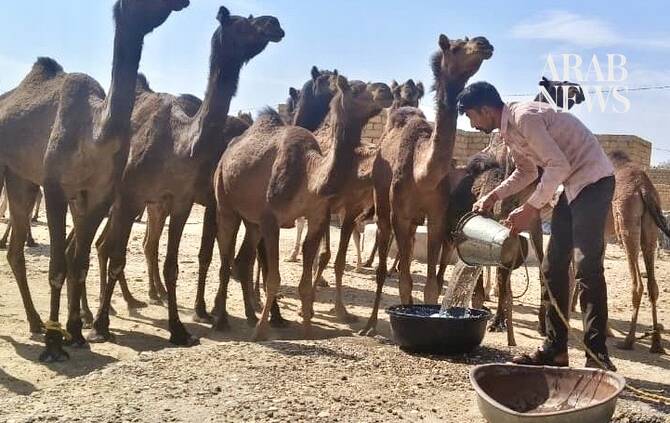
New Delhi: Every year, Sumer Singh Bhati watches his camel herd grow smaller. Over the past decade, it has shrunk from more than 300 camels to fewer than 200. His neighbor has seen an even steeper decline — from 500 camels to just 50 today — as the animals that have defined livelihoods in the desert land of northwestern India steadily disappear.
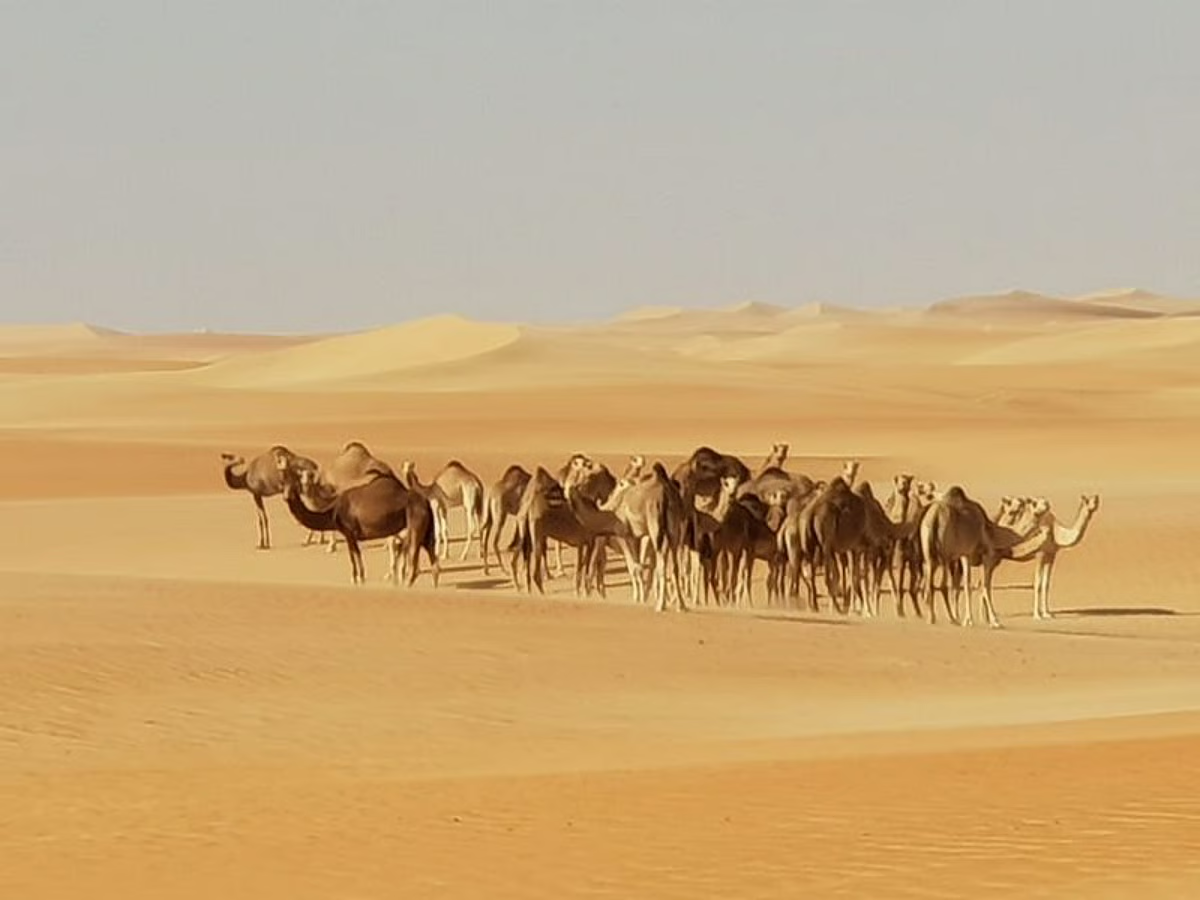
The Thar Desert of Rajasthan has for centuries been one of the regions in South Asia most closely associated with camel rearing. The animals have been known in as the “ships of the desert,” and millions of people depended on them for transportation, farming and trade.
But with few incentives to keep them and low interest among the younger generation, Bhati fears camels may soon disappear from Rajasthan.
Even in his own family, neither of his two children want to continue the tradition.
“My children do not want to compromise their future. I will preserve these camels for as long as I am alive. But after I am gone, they will no longer be at our home,” he told Arab News.