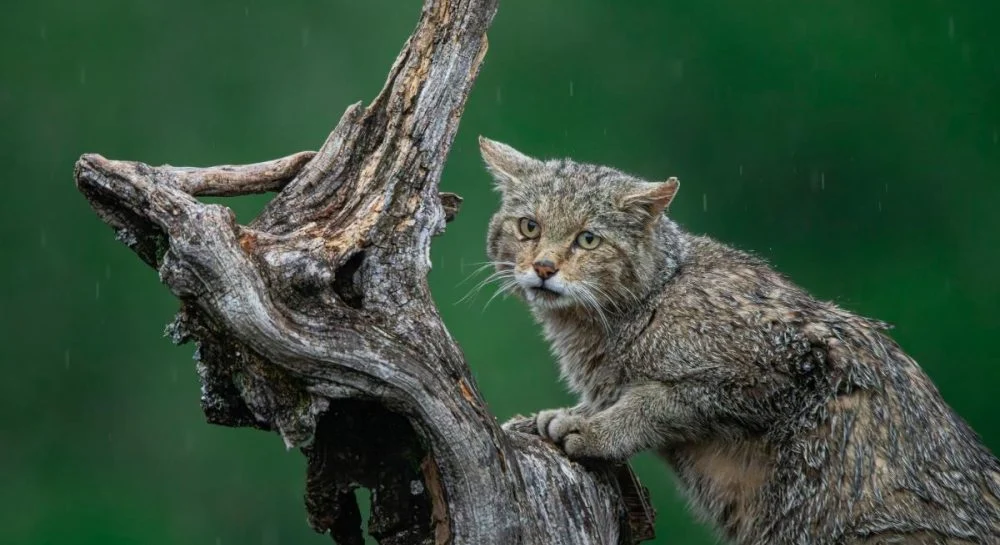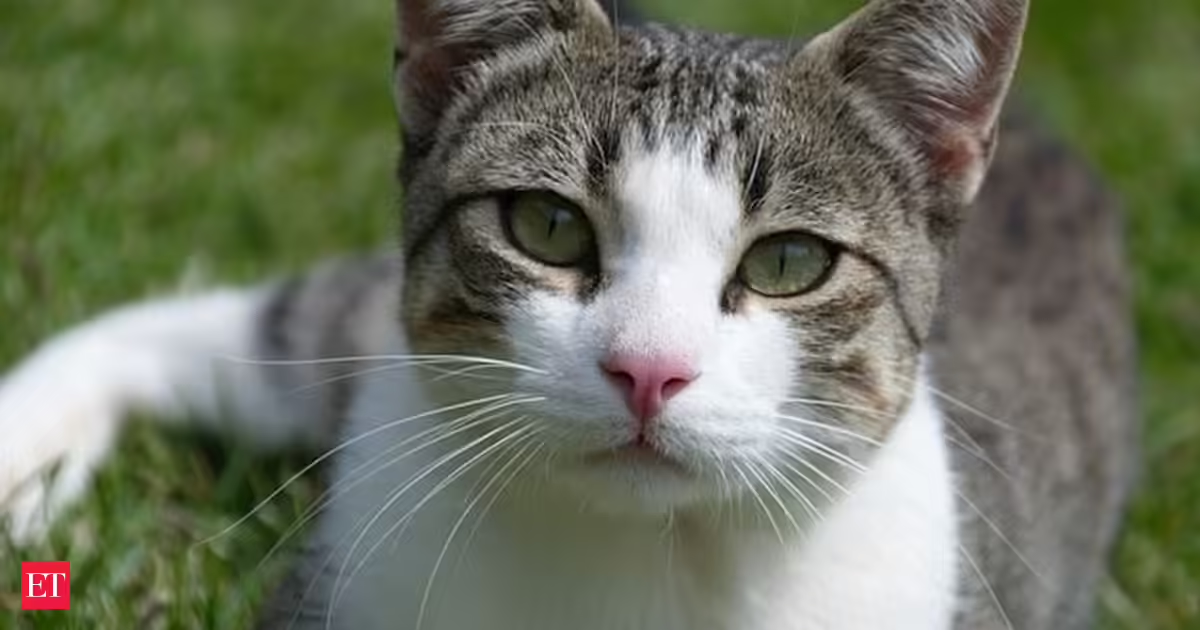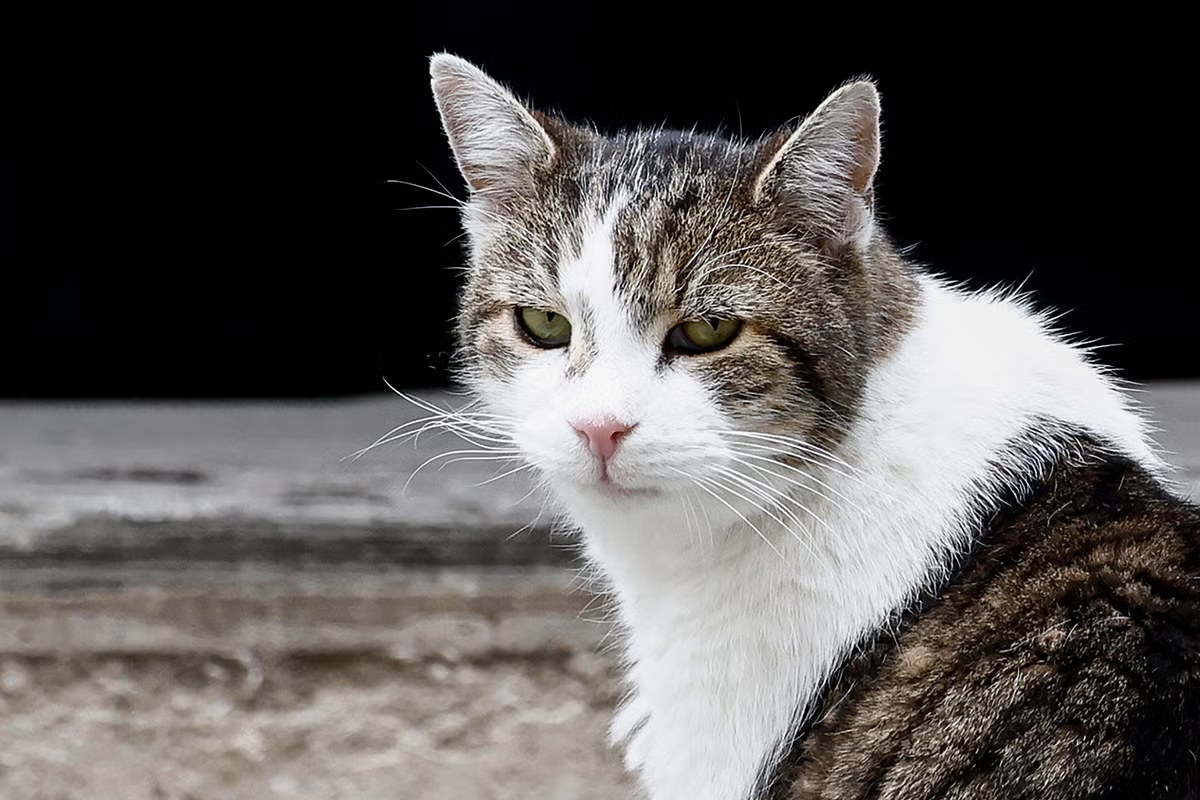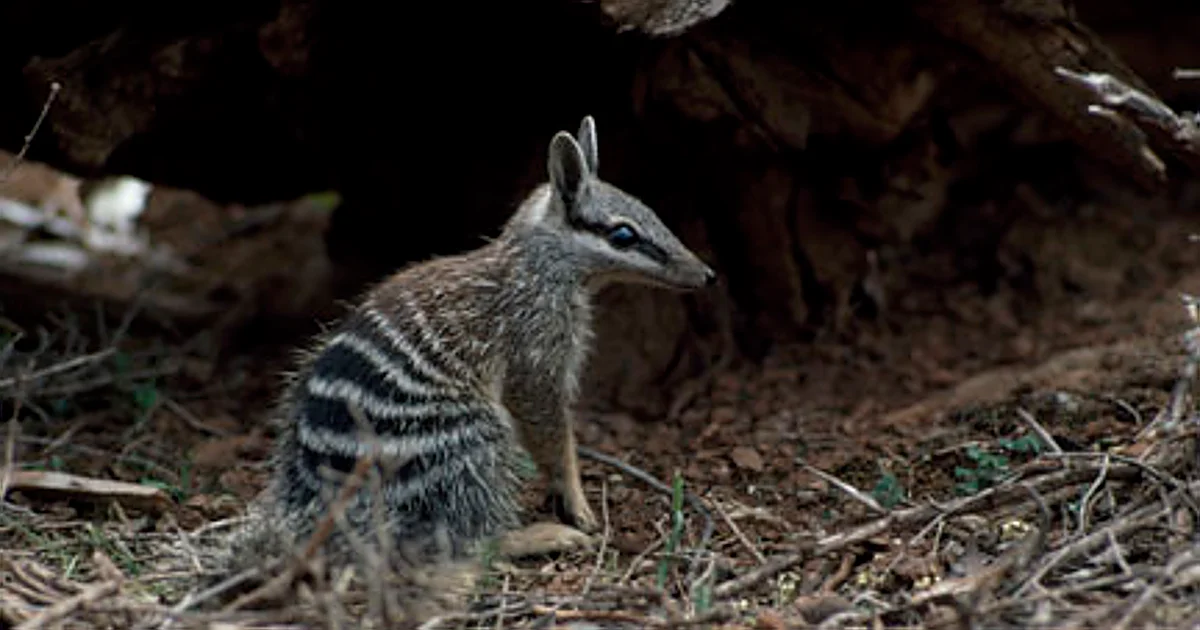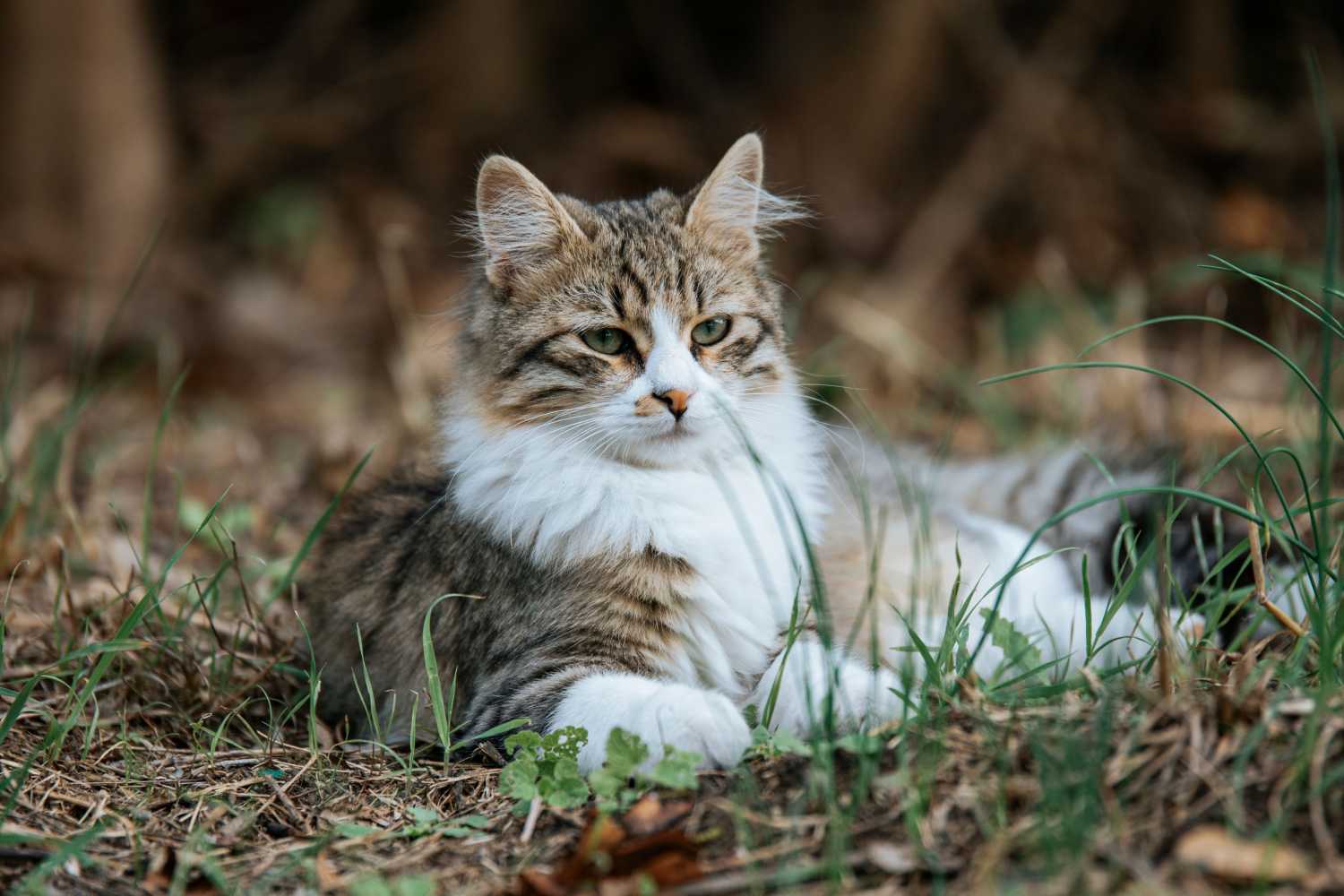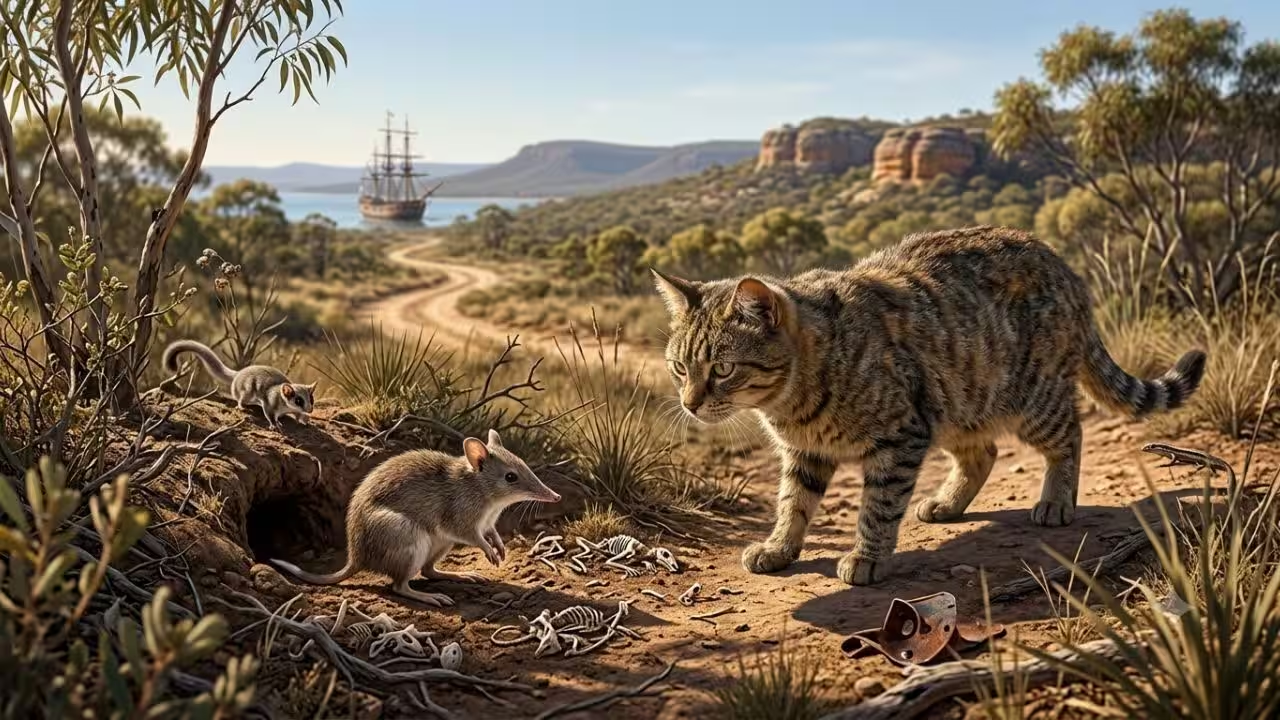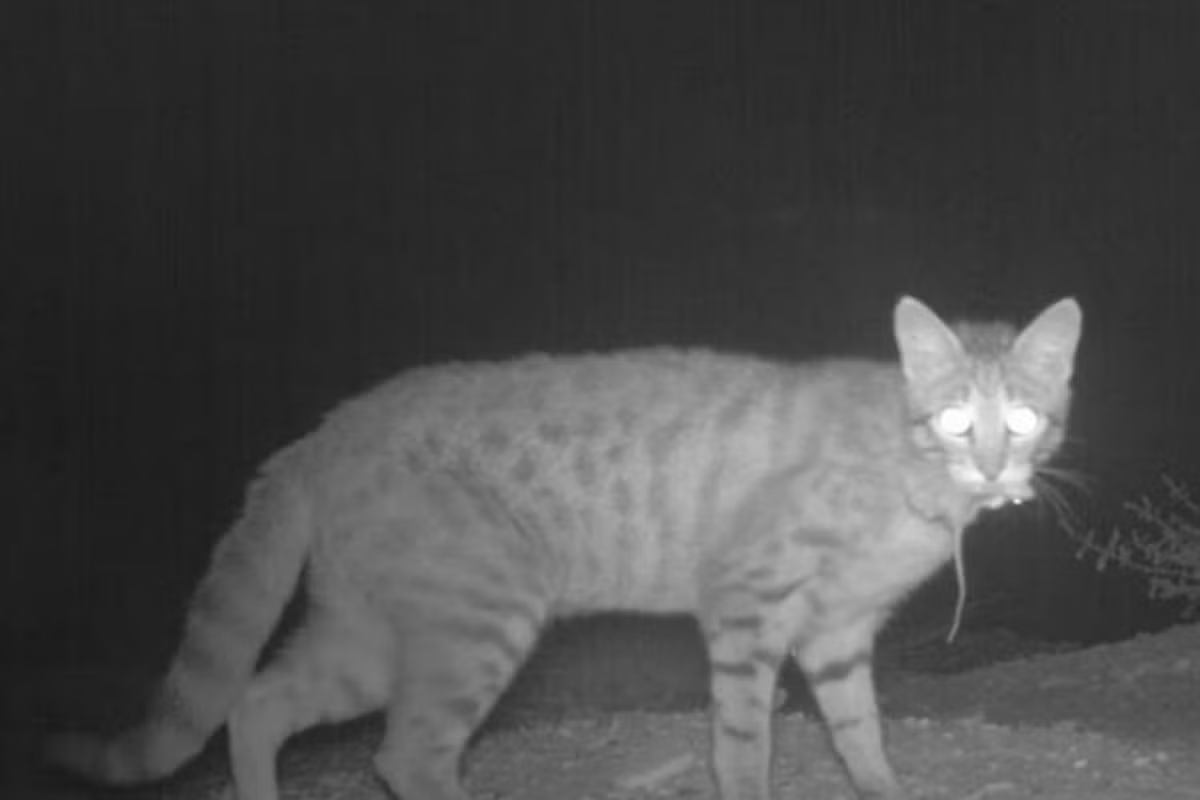
Feral cats in Australia are responsible for reducing the populations of a far greater number of mammal species than previously thought, according to a new study.Australia has recorded over 40 mammal extinctions in the last 250 years and almost 700 animals, several of them unique to the continent, have been deemed to be at risk of future extinction. According to researchers from the University of New South Wales, as many as 200 of the 700 at-risk species are directly threatened by feral cats, in addition to land-clearing activities, invasive predators and diseases.An earlier review of over 100 studies had found that wild cats killed almost 1.5 billion native animals every year. The latest study concludes that the review greatly underestimates the true number of native animals killed by feral cats.Feral cat (Katherine Moseby/UNSW)Australian cats may be killing twice as many mammal species and three times as many bird species as previously thought, according to the study published in the journal Wildlife Research.To study an animal’s diet, scientists typically look through their gut contents or scat samples manually, documenting hair, bones, feathers, or other partial prey remains.But these prey bodies can rapidly degrade inside a cat’s digestive system, making it difficult to identify small prey fragments. Only remnants still visible to the naked eye are documented, researchers say.In the latest study, scientists applied a forensic DNA analysis method to detect even tiny remains of animals eaten by feral cats. Relying on the knowledge that the genetic fingerprint of each animal was unique, they created a “barcode” to identify various prey remains from certain regions of their DNA.They found the gut contents of feral cats contained soft-bodied New Zealand frogs more often than previously thought.The findings led researchers to conclude that feral cats of the continent were consuming wildlife at a much higher rate than traditional methods estimated.Cat responsible for killing over 100 bats (Department of Conservation, New Zealand)Researchers call for building fenced “safe havens” around wildlife populations at most risk from cats to slow the extinction of many Australian wildlife species.The fences can keep away cats, foxes and rabbits, and enable the continent’s native species to thrive in pre-colonial conditions, they argue.“Overall, these findings have direct implications for invasive predator monitoring programs, as detection of rare species is crucial to effective monitoring and conservation,” the study noted.“Furthermore, additional monitoring at known roosts and in drier periods could improve our knowledge of cat predation.”
Cats are killing far more native Australian wildlife than previously thought
Scientists call for creating fenced ’safe havens’ around wildlife to slow extinction threat posed by feral cats
402 words~2 min read