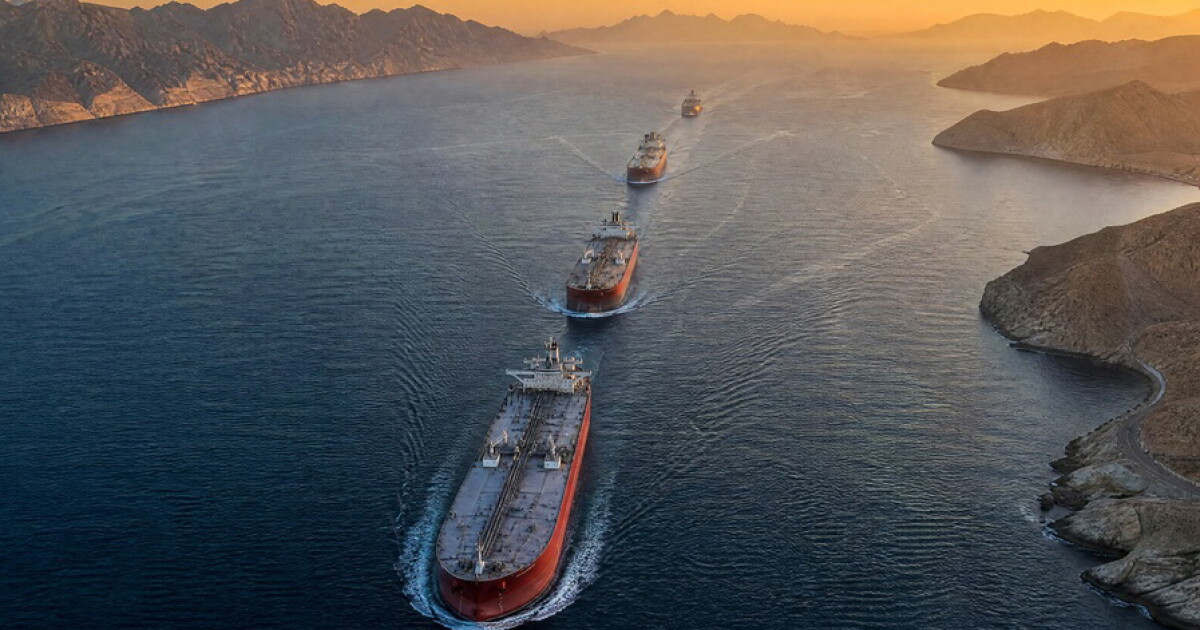
The collapse of the US-Iran ceasefire in early July has changed the conversation in oil company boardrooms. After more than five months of conflict, executives are no longer focused primarily on whether the Strait of Hormuz will reopen or how quickly Mideast production can recover. Instead, second-quarter earnings calls suggest the industry is beginning to accept that repeated disruptions to oil trade may become a defining feature of the market — and companies are reshaping investment, trading and supply strategies accordingly. The emerging consensus is that the global oil system has proved far more resilient than initially feared, but it also has become significantly more fragile. One of the Mideast conflict's biggest surprises has been the speed with which production returned when export routes briefly reopened. TotalEnergies CEO Patrick Pouyanne said the company's Gulf production rebounded rapidly during the late-June ceasefire, with Abu Dhabi assets returning almost to normal within days. The lesson, he argued, is that restoring production is relatively straightforward. The real constraint is moving barrels to market. Once hostilities resumed after Jul. 8, storage quickly filled, tanker loadings stalled and production again had to be curtailed — not because wells were damaged, but because exports became impeded again. Now, rather than treating the Hormuz constraints as an unavoidable feature of Gulf exports, companies increasingly are planning around them. TotalEnergies is studying additional export routes from both the UAE and Iraq with state-run partners, while engineering contractor Technip Energies says Gulf governments are fast-tracking pipeline and terminal projects designed to reduce dependence on Hormuz altogether. The industry's objective is no longer simply restoring production after disruptions, but ensuring crude can continue reaching customers during them. "We are looking at everything, including the East-West Pipeline and other opportunities that we have in our hands to strengthen our capability to export through different routes," Saudi Aramco CEO Amin Nasser said this week.
Oil Industry Adapts as Volatility Becomes Structural
Companies are beginning to accept that repeated oil trade disruptions may become a defining feature of the market and are reshaping their approach accordingly.
312 words~1 min read