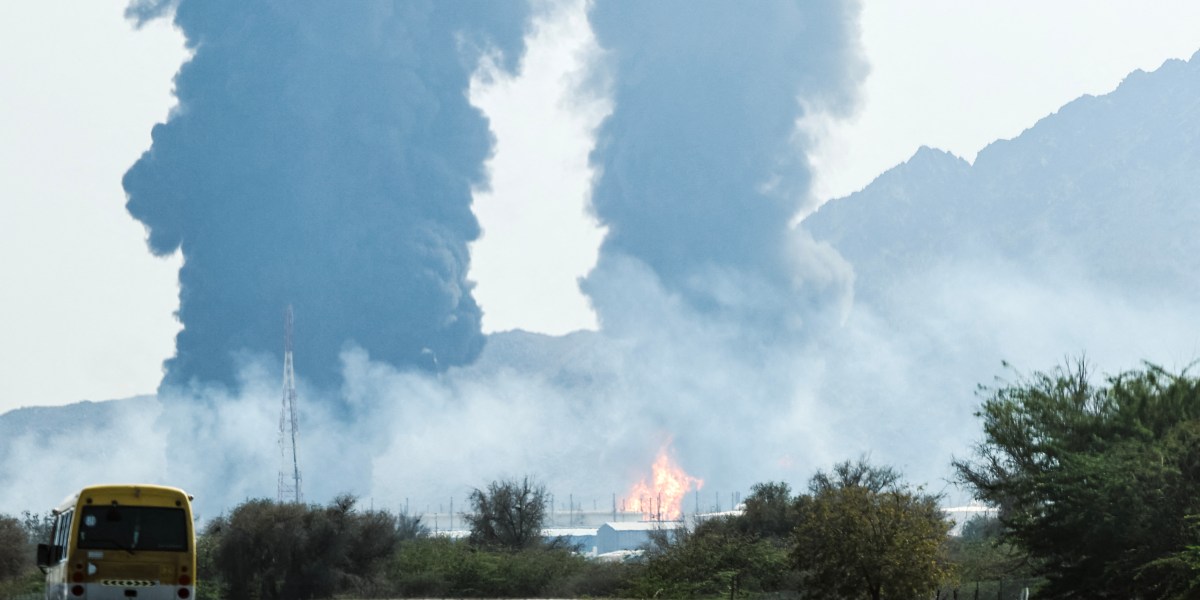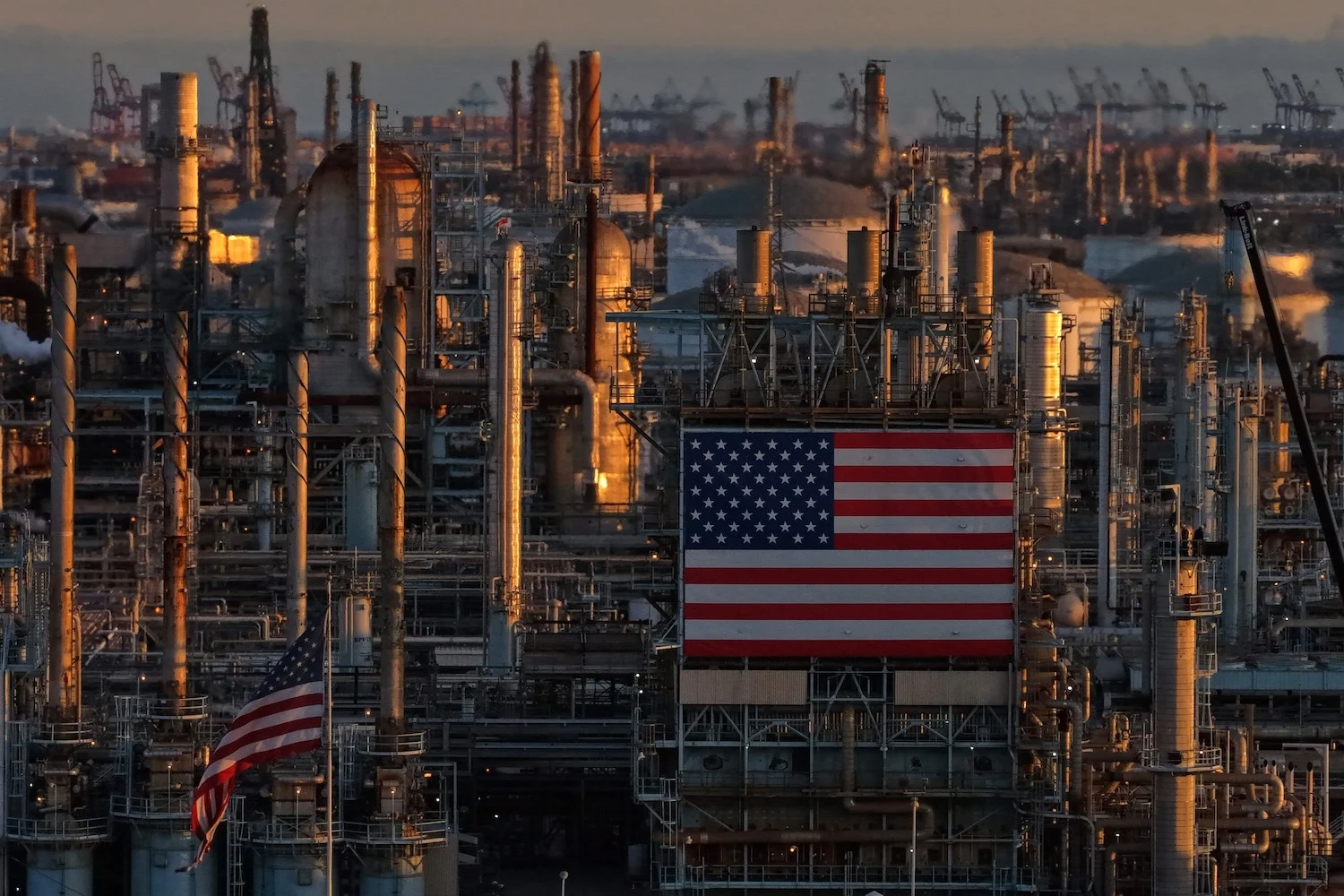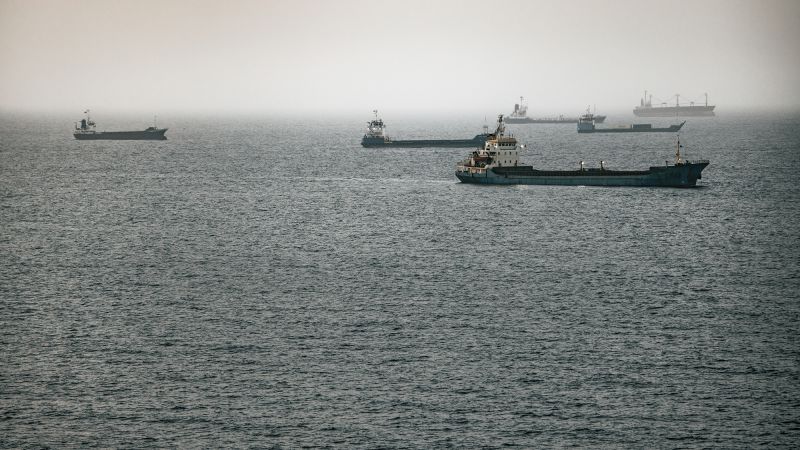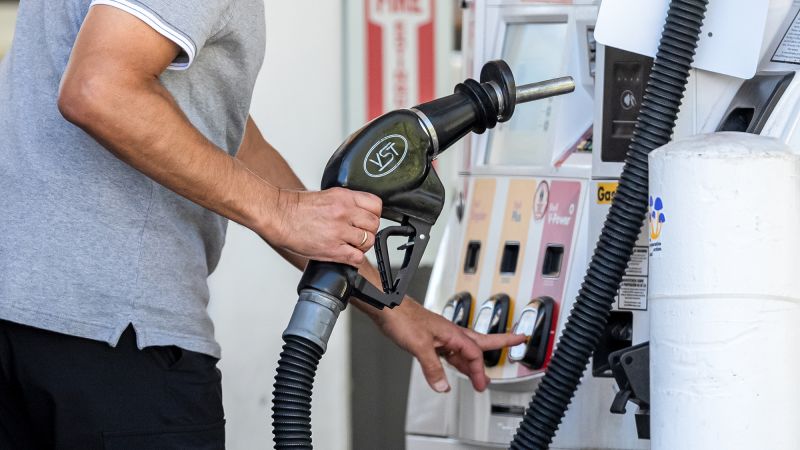
The oil market has proven defiantly resilient, but that tenacity faces its biggest threat since the start of the Iran war.
The energy industry’s remarkable workarounds to the world’s biggest-ever oil shock have insulated consumers from an inflation and affordability crisis. During the war, crude prices rose uncomfortably high, though they never approached the $128 a barrel level reached in 2022 or the all-time record of $146 a barrel just before the Great Recession of 2008.
But extraordinary pressure is building in the Middle East, and the new escalation could send oil blowing past those dubious milestones.
“The conflict has entered a decidedly more dangerous phase,” said Helima Croft, head of global strategy at RBC Capital Markets. “It could shift the sentiment of ‘the market always finds a workaround’ camp.”
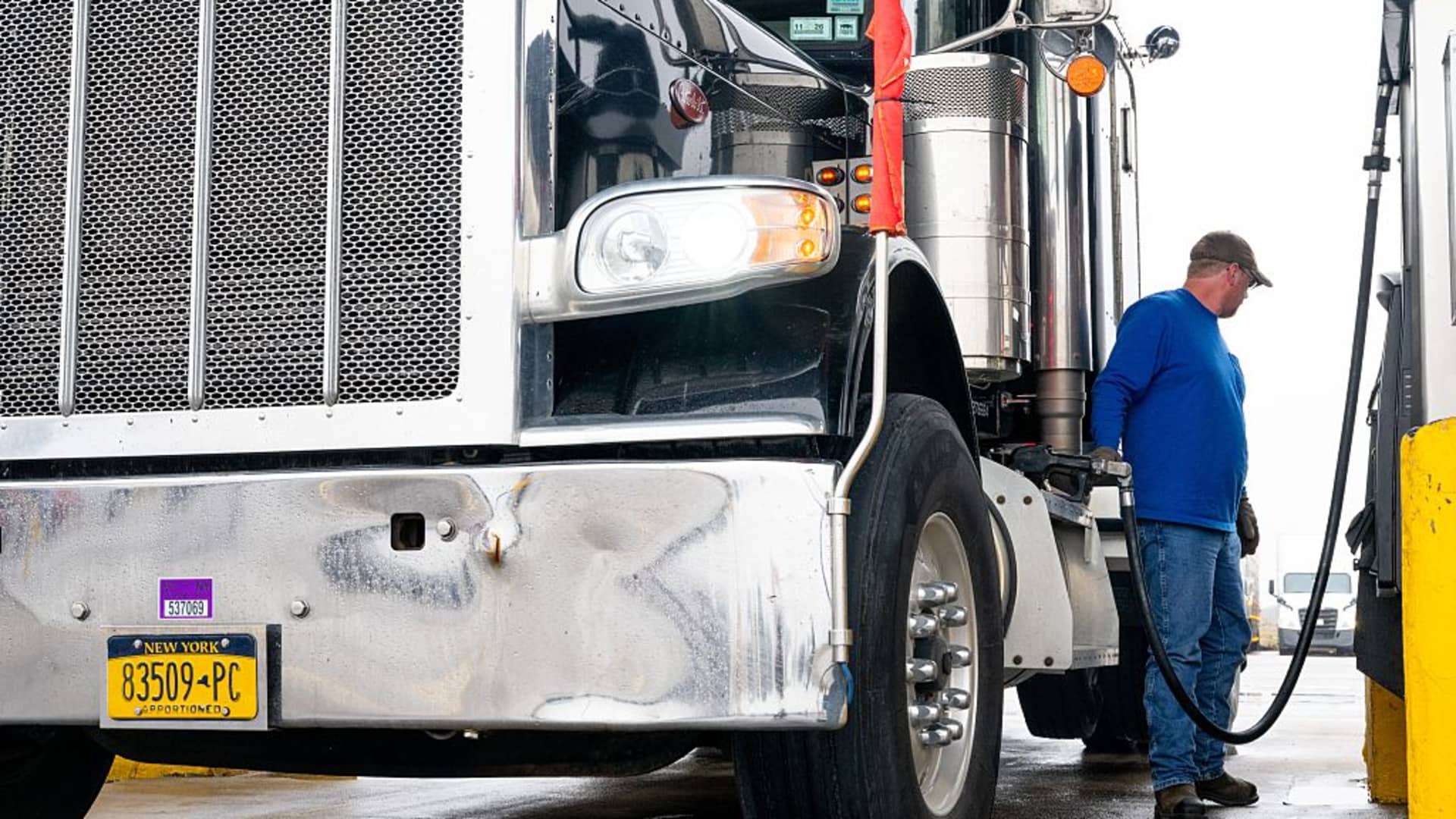
On Thursday, oil topped $100 for the first time since May. Gas prices are now solidly above $4, and diesel is above $5.20 a gallon. The bond market is signaling that it’s more concerned about an inflation problem now than at any point during President Donald Trump’s second term.