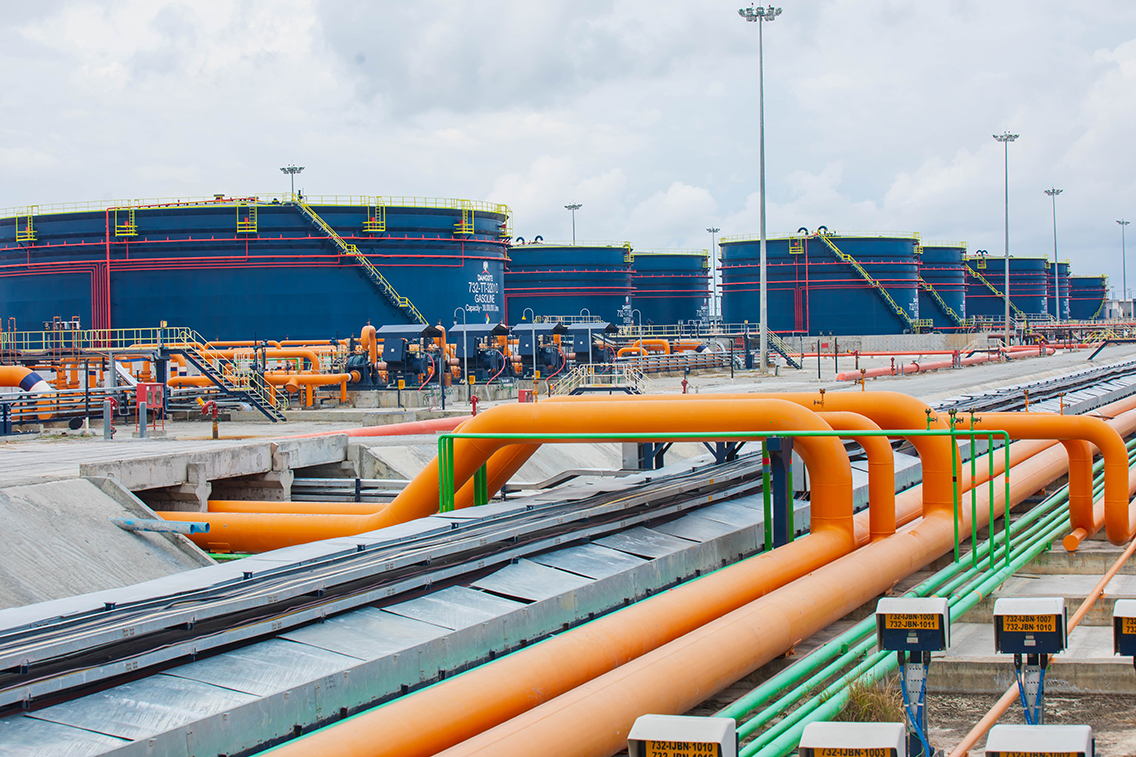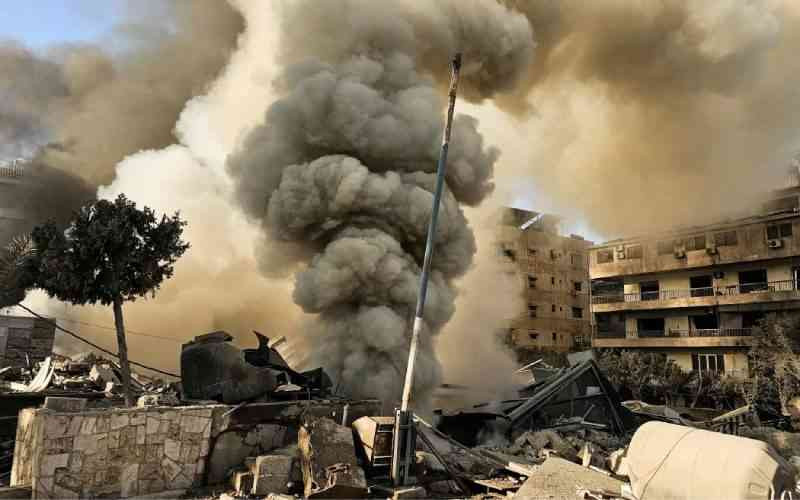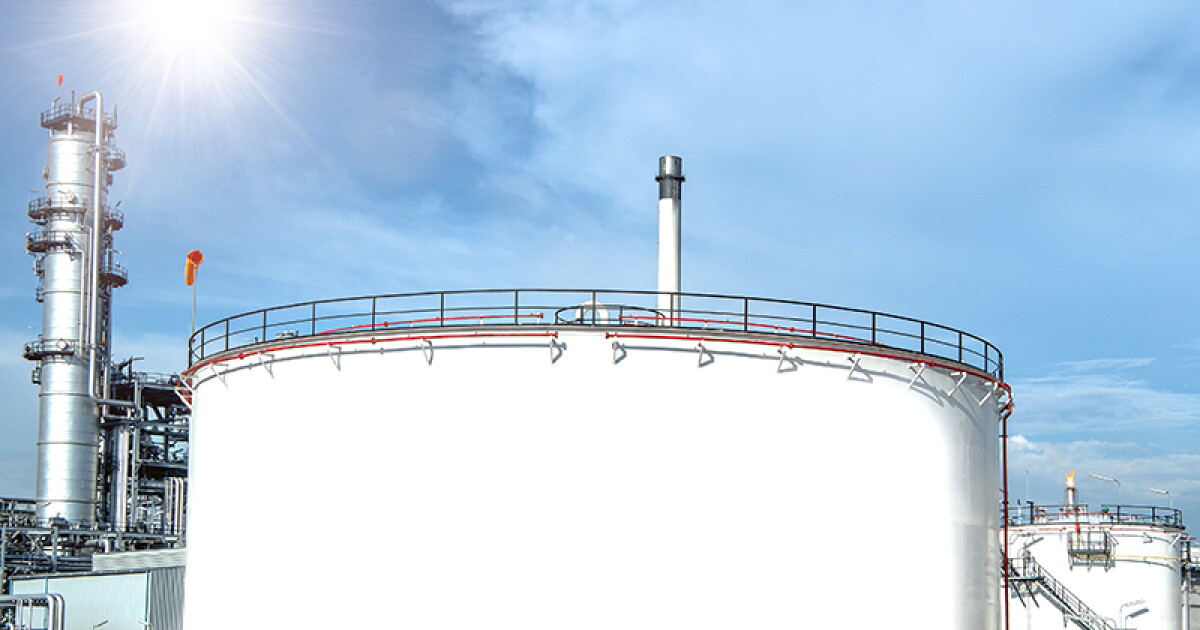
The energy supply shock stemming from conflict in and around the Mideast Gulf has awoken African policymakers to the economic perils of inadequate downstream and oil inventory capacity. African economies have weathered unprecedented market conditions relatively well over the last five months, with few major supply shortages. That's thanks in large part to the full ramp-up of Nigeria's Dangote refinery in March, just as the US-Iran war kicked off. But governments in South Africa and Ghana, among others, are actively looking to bolster their resiliency to future shortages, as shipping constraints continue in the Strait of Hormuz and the Red Sea. African countries have not been uniformly unscathed by the monthslong crisis. High prices have been painful for many: In Kenya, for example, April protests over fuel prices turned fatal. East African refiners are at particular risk of tightened crude flows through Hormuz and the Bab al-Mandeb strait. Moscow's ban on Russian diesel exports further increases the risk of supply shortages in Africa. Initial August data points to a sharp fall in key Russian and Saudi products imports to the continent. African products markets will "increasingly need to rely" on India and the US, "with maybe some potential for South Korean deliveries before December," says Nikolas Plonski of Sparta Commodities, a market intelligence firm. Many Saudi products cargoes to West Africa were going via the Suez Canal even before the Houthis' latest "embargo" threats against Saudi shipments in the Red Sea. Now even some cargoes to East Africa will get rerouted north, with commensurate increases in cost, says Faraaz Khan of consultancy FGE NexantECA; he says one gasoline cargo to Kenya has already made that voyage.
Mideast Crisis Delivers Africa Energy Security Wake-Up Call
High volatility in global crude and products markets has reenergized efforts by African policymakers to ensure their markets are prepared for future supply shortages.
276 words~1 min read