Published on
06/08/2026 - 19:06 GMT+2
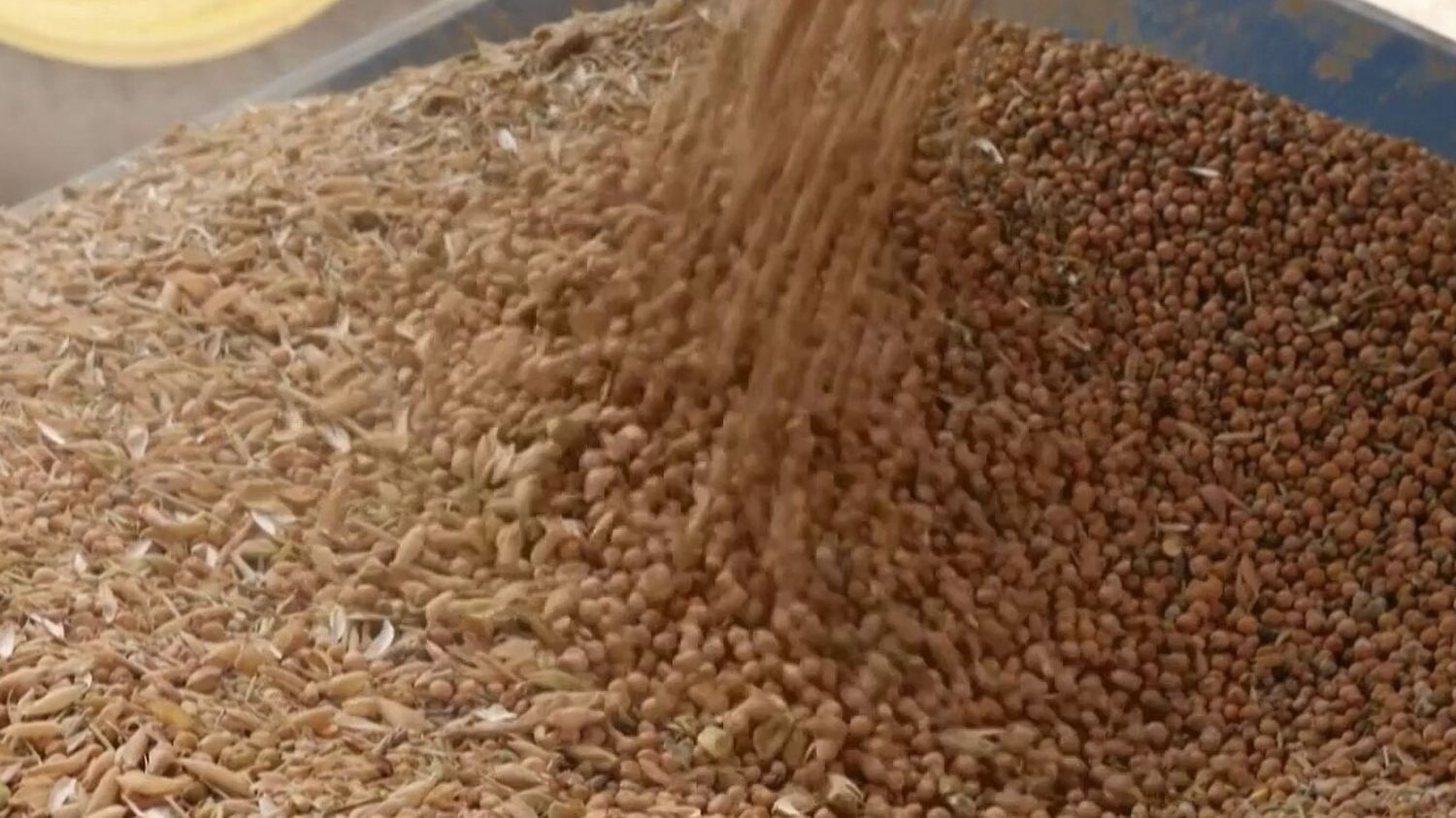
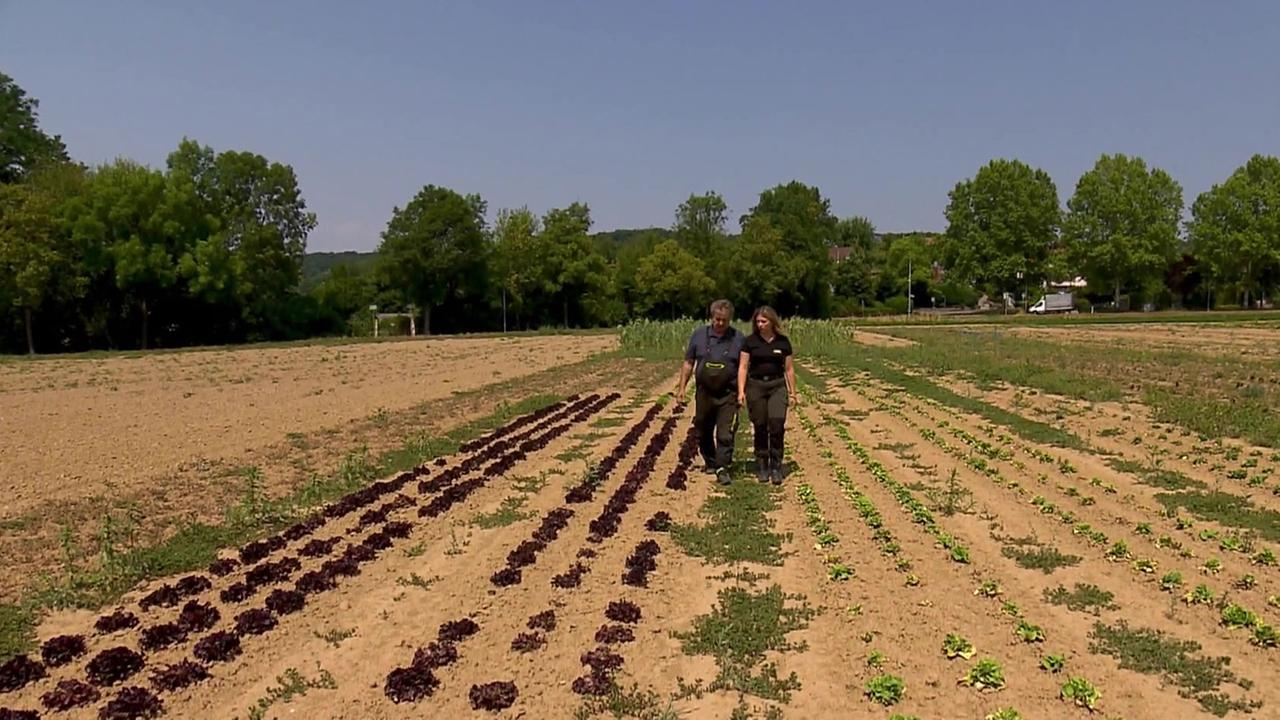
They have been appearing more and more often in fields in the Bas-Rhin in recent years: lentils, chickpeas and quinoa. Faced with repeated heatwaves and droughts, a group of farmers from Illkirch-Graffenstaden, south of Strasbourg, decided to bet on these pulses, which use less water and fewer pesticides.
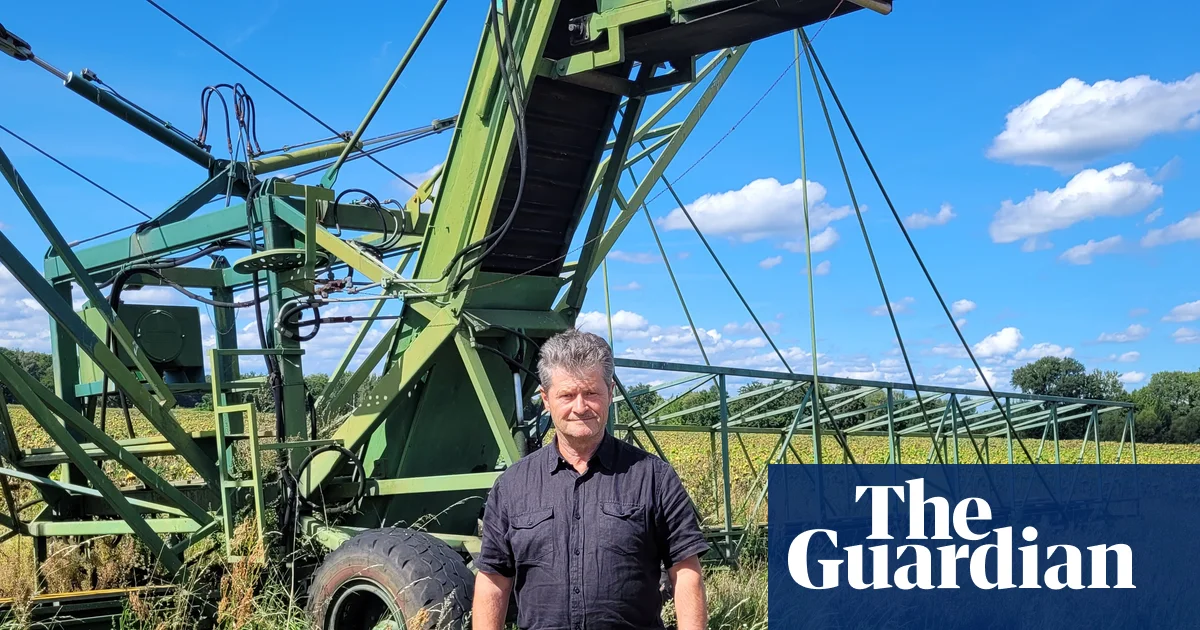
An initiative that is slowly catching on, as explained by Cédric Steinlé, who switched to these crops during the COVID-19 pandemic six years ago: "We realised we really needed to do something, because it was very interesting for consumers to be able to eat these products, local produce that is still quite unusual. Chickpeas, for example – we'd never seen any here."
Soon, three producers from nearby farms joined him and together they launched their brand, "Graines d'Alsace". Today, organised as "a small cooperative", they produce more than 100 tonnes of pulses a year, twice as much as three years ago. Other crops have been added, such as chia seeds and red beans.