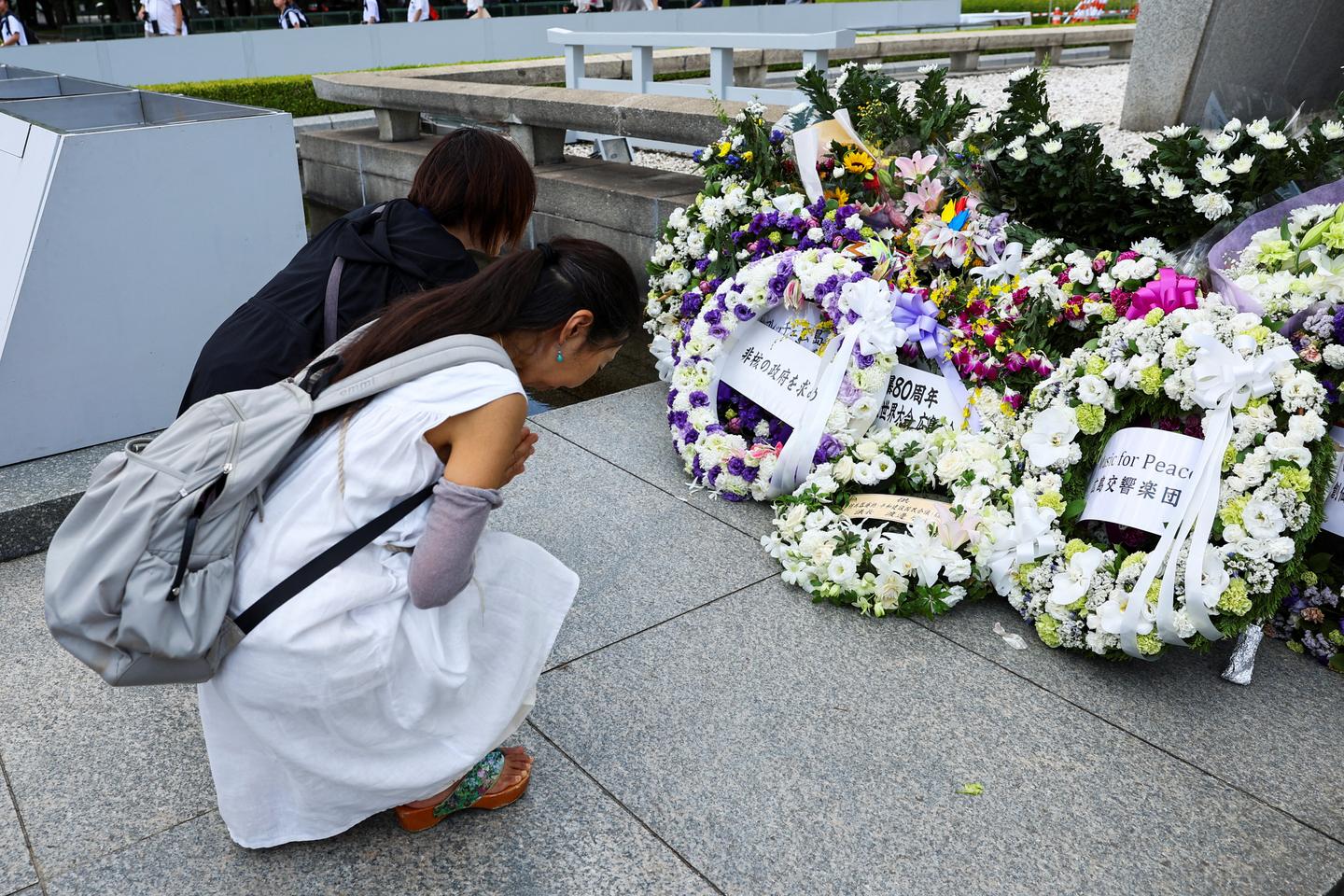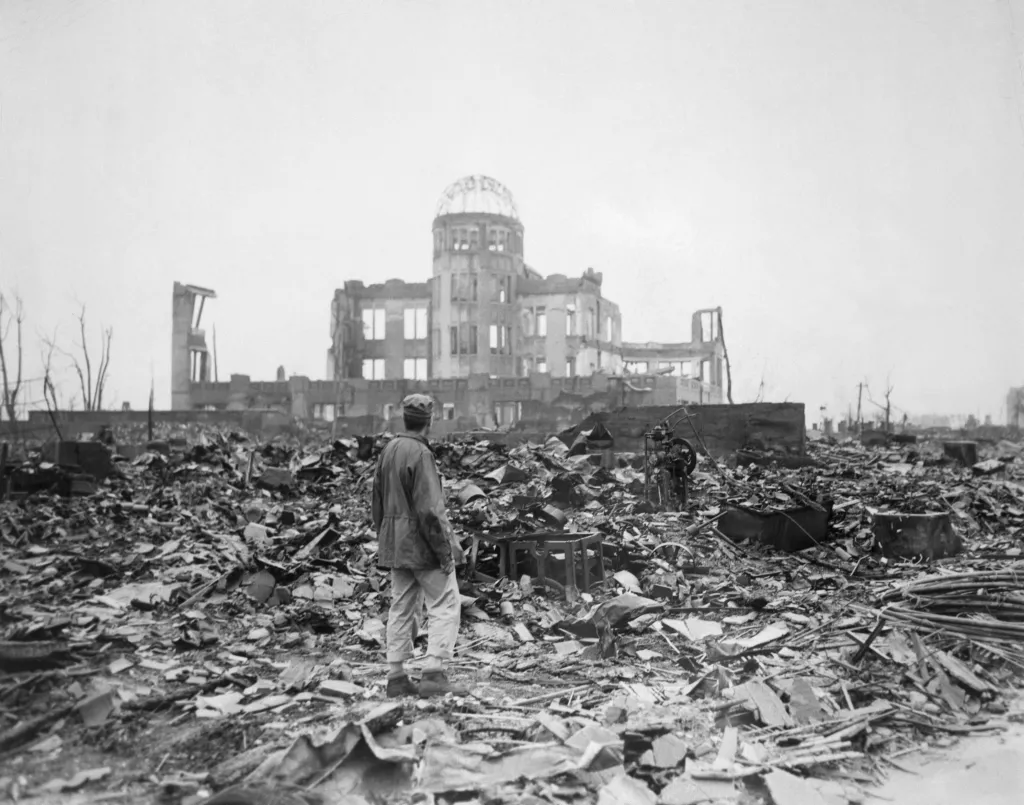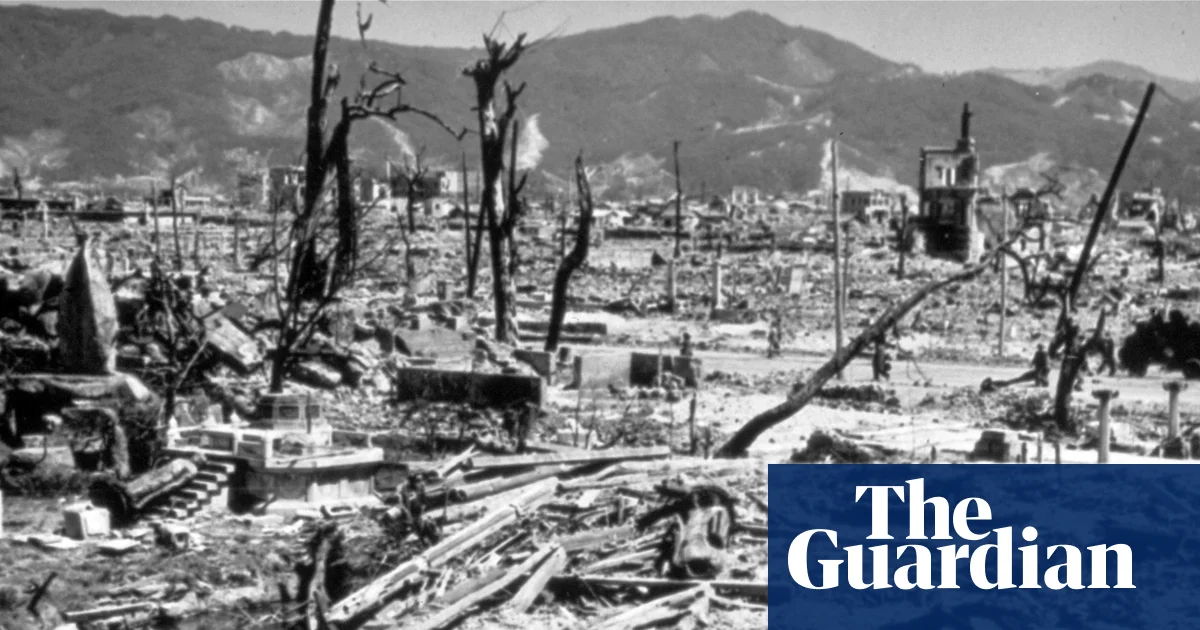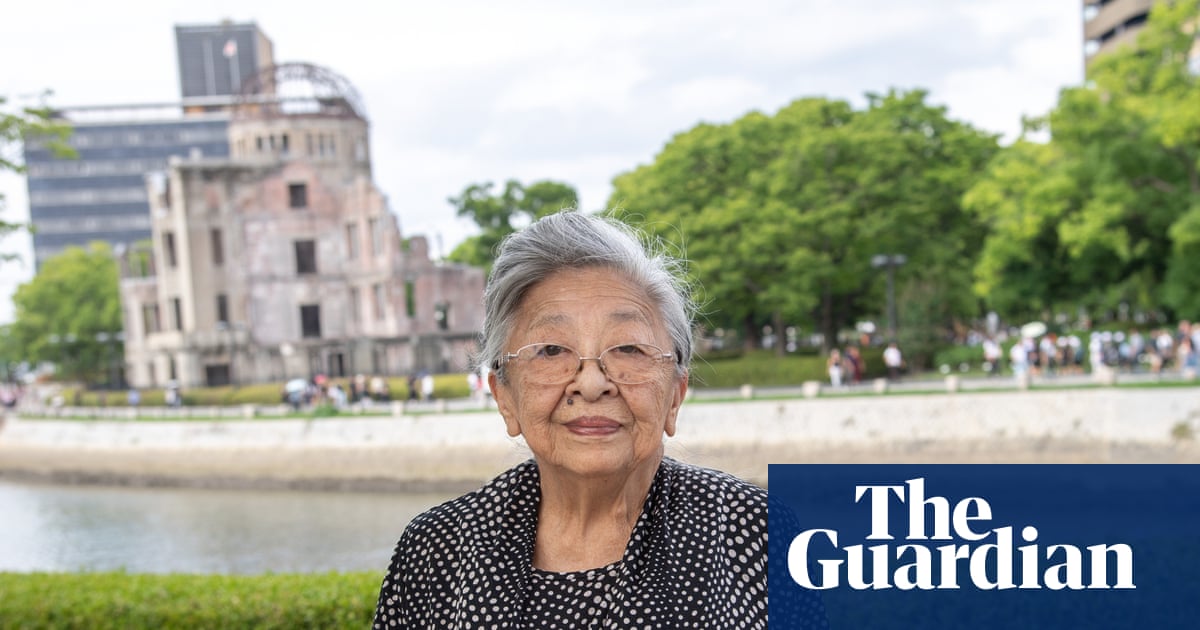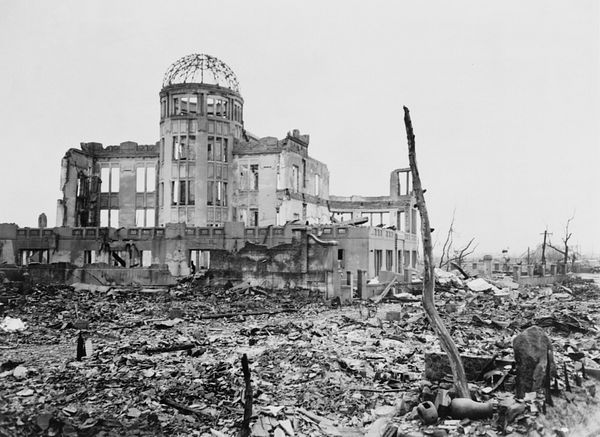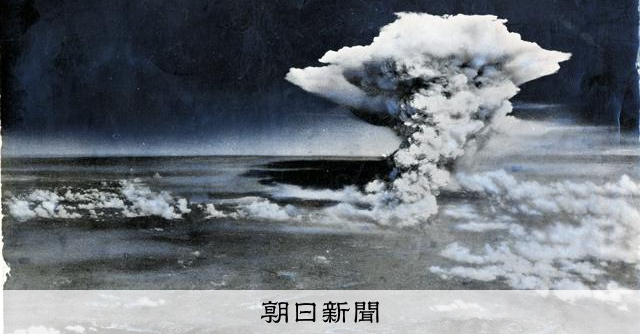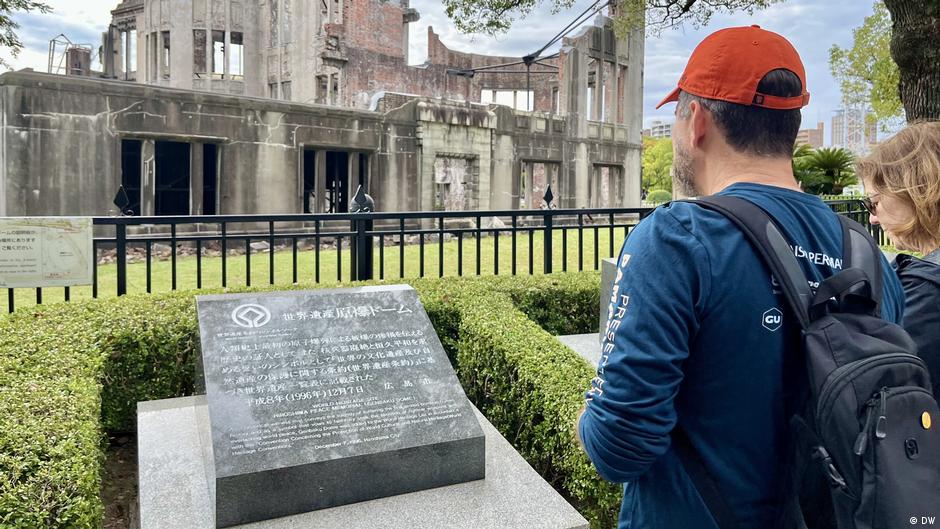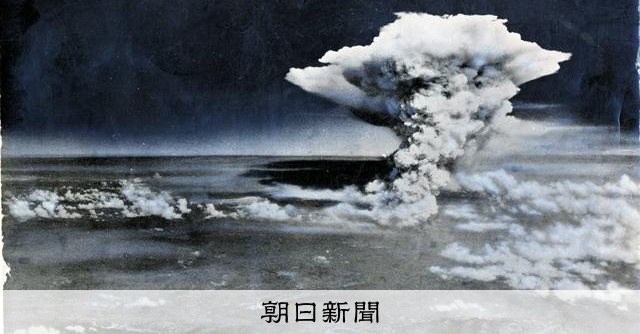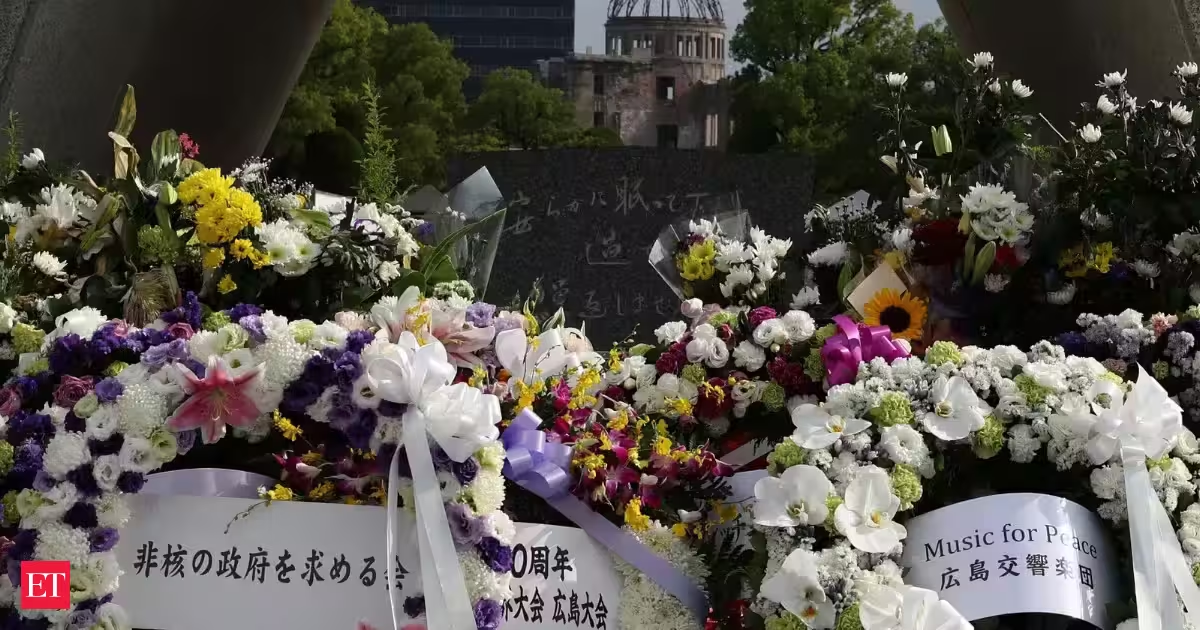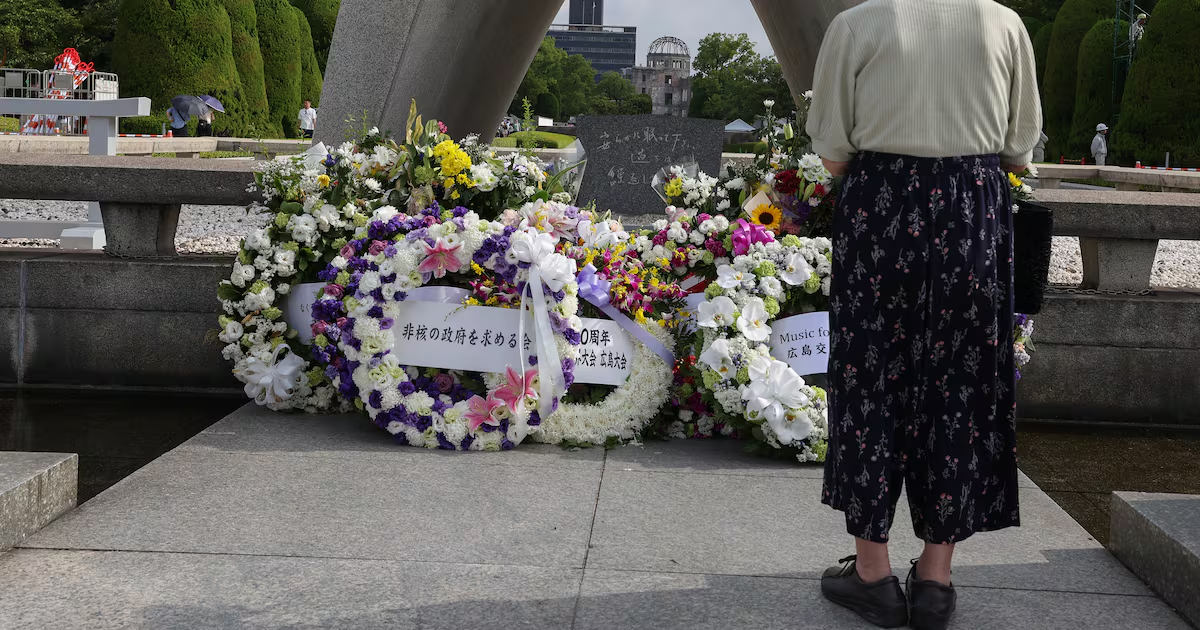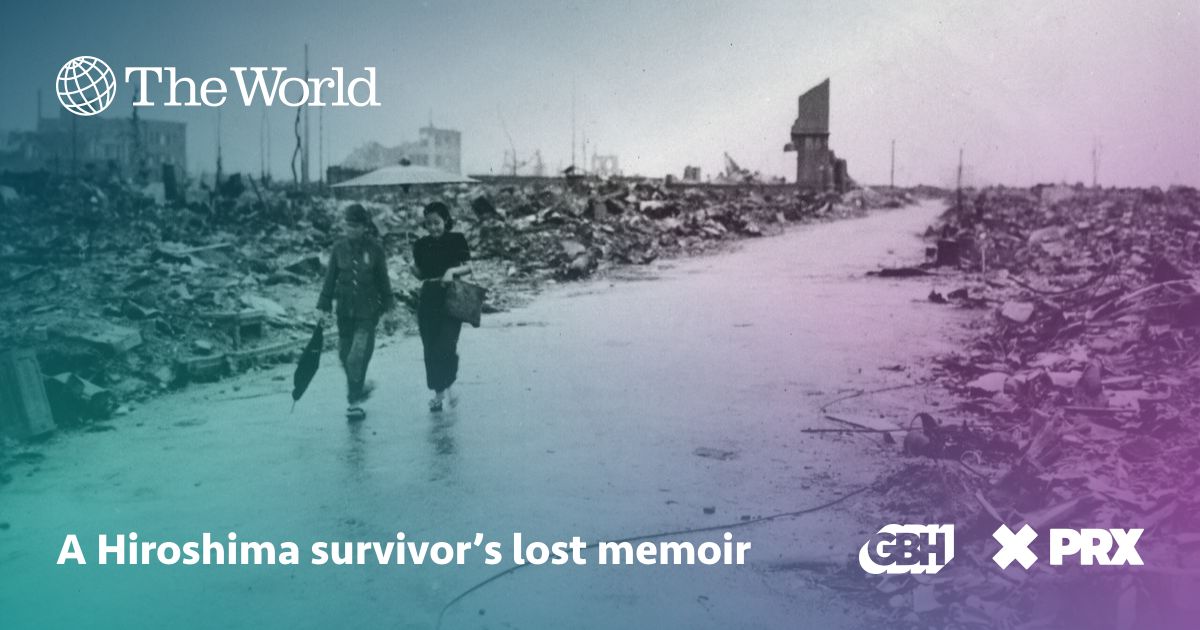
Public radio’s longest-running daily global news program.AboutContactDonateMeet the TeamPrivacyTerms of use©2026 The World from PRXPRX is a 501(c)(3) organization recognized by the IRS: #263347402.A Hiroshima survivor’s lost memoirToday marks 81 years since the Enola Gay dropped an atomic bomb on the Japanese city of Hiroshima, killing tens of thousands of people. Kiyoshi Tanimoto, a Methodist minister, was on the outskirts of the city when the bomb exploded. In the hours that followed, he risked his life to carry the injured to safety and comfort the dying. A recently unearthed memoir offers a firsthand account of what he witnessed that day. The World’s Marco Werman speaks with David Corn, who wrote the foreword to “Hiroshima 8:15.”In this Sept. 8, 1945, file photo released by U.S. Air Force, two people walk on a cleared path through the destruction resulting from the Aug. 6 detonation of the first atomic bomb in Hiroshima, Japan. An estimated 140,000 people, including those with radiation-related injuries and illnesses, died through Dec. 31, 1945. That was 40% of Hiroshima’s population of 350,000 before the attack.Eighty-one years ago today, the United States dropped the first of two atomic bombs on Japan, first on Hiroshima and then on Nagasaki.They brought about the rapid surrender of Japan’s imperial forces, but the instantaneous destruction of human life was unlike anything the world had ever seen — 70,000 to 80,000 died instantly. By December of 1945, a few months later, the total had reached 140,000 due to the effects of radiation sickness. The book cover of “Hiroshima, 8:15: The Lost Memoir” by Kiyoshi Tanimoto.Courtesy of David CornThere have been many efforts to document what the people of Hiroshima and Nagasaki went through. Remarkably, we have another important addition: a Japanese account of the bombing was recently unearthed and provides the perspective of Kiyoshi Tanimoto, a man in Hiroshima who survived it. His manuscript has just been published as “Hiroshima 8:15: The Lost Memoir,” 8:15 referring to the time in the morning the atomic bomb detonated over the city. Author David Corn wrote the book’s introduction and edited Tanimoto’s original manuscript. He joined The World’s Host Marco Werman in conversation about the book.David Corn: Kiyoshi Tanimoto was a Methodist minister who [led a fairly] large church in Hiroshima, and, interestingly, he had been educated in the United States. He had attended a theological seminary at Emory University in Atlanta before World War II. But by the time the war broke out, he was at a church in Hiroshima, about 35 or 36 years old. And on the morning of the blast, he was two miles outside the city, bringing property from the church basically to someone’s home to store it there, because this is what a lot of Hiroshima residents were doing, moving their valuable possessions outside the city because they feared one of those massive air raids that US forces were unleashing on many Japanese cities, Tokyo and others.So, in anticipation of that, he was carting things to this safe location when he saw a gigantic flash in the sky and felt a concussive wave. He, himself, was not injured in that blast, but he immediately started back toward the city and very soon passed hordes of injured and dead bodies — and they were gruesomely wounded. I mean, the descriptions are quite awful. And he got back to the city, [made] sure that his wife and his young daughter, who was eight months old at the time, had survived, and then went on to ferry the wounded. I mean, tremendously wounded people, across the river using a dilapidated boat and not even an oar, but a pole, a long stick, and he goes into great detail in his memoirs about this day and what happened in the weeks and months afterward.The area around the Sangyo-Shorei-Kan (Trade Promotion Hall) in Hiroshima was laid waste after an atomic bomb exploded within 100 meters of the location in 1945.AP/FileWell, Tanimoto became one of the most famous survivors of Hiroshima because he was one of six subjects in John Hersey’s breakthrough story, which appeared in The New Yorker a year after the blast. We now know what happened at Hiroshima, but in the year afterward, the US military downplayed the effects of radiation poisoning, and a lot of the media, because there wasn’t wide access to Hiroshima for reporters and journalists, it was being controlled by US military occupation. So, a lot of what people saw was just piles of rubble and crushed buildings, and they saw devastation. They didn’t see what happened to the people, to the residents of Hiroshima. And when John Hersey went over there a few months after the bombing and then, a year later, wrote this piece for The New Yorker, which consumed the entire issue, it became a phenomenon. Albert Einstein wanted 1,000 copies. It sold out on newsstands. It was serialized in newspapers and magazines and on radio shows around the world. And finally, people understood what an atomic blast did to the residents of a city.In this 1945 file photo, an Allied war correspondent stands in the ruins of Hiroshima, Japan, just weeks after the city was leveled by an atomic bomb. The bombing killed some 140,000 people — some instantly, others within months. Three days later, the US dropped a second atomic bomb on Nagasaki, killing an estimated 70,000 people shortly before the end of World War II. Those categorized by the government as sick from the Hiroshima bombing radiation still number more than 200,000.AP/FileAnd he went on to become a famous, world-renowned anti-nuclear activist and campaigner. It turns out he wrote his own account of what happened that day and in the weeks and months that followed, and it was written in English, so he obviously meant it for an English-reading, speaking audience. And at some point, he sent it to John Hersey, and it sat in Hersey’s boxes for God knows how long. He died, I think, in 1993; John Hersey did. Tanimoto died in 1986, and Hersey left his papers to the library at Yale University. A few scholars and researchers would come across this manuscript from Tanimoto, but it didn’t get any attention until a couple of years ago, when Cannon Hersey, John Hersey’s grandson, who is working on developing a film about his father — a feature-length movie about his father John Hersey — found this in a box at Yale. He gave it to a producer working on the film, who decided this had to be published and brought to light, and he came to me.It was never quite straightforward, and I think there was a mix of emotions. He bore no bitterness towards the United States for dropping the bomb, which is interesting in itself. He blamed the warmongers of the Imperial Japanese government for leading the country into this war. But then he started considering the morality of dropping the bomb. Was it a moral thing for the US to do? He went back and forth on that.And he talks about conversations he had with other leaders in Hiroshima about how to commemorate the attacks on Hiroshima and Nagasaki. Whether they should focus on the victims, they should focus on rebuilding, whether there should be an element of blame, who should be blamed. And he came at this almost entirely from his Christian perspective. He believed that to be a Christian, you had to evangelize Christianity, but also you had to take action. You could not just say you’re a good Christian and just call on people to become Christians. And the action that he pursued for decades was trying to prevent another atomic blast.Well, there was tremendous anti-nuclear sentiment in Japan. And the interesting thing about Hiroshima, the city itself, was that rather than play a role as a victim or a martyr, it dedicated itself to preventing any other nuclear attacks. If you go there today, it’s rather moving. There’s a peace museum, a peace memorial. They rebuilt the city. They rebuilt a city that people at the time thought could not be rebuilt, that there would not be a tree that could grow there for 75 years. Now it’s full of beautiful parks and trees. And there’s a whole message that Hiroshima still seems to be unified around, which is ending the threat of nuclear warfare and working for the abolition of nuclear weapons. And when I went to Hiroshima a few years ago, I was quite moved because it represents both the worst of humanity and now the best of humanity. And I think Tanimoto tried to capture that in the work that he did. But like everything, the anti-nuclear movement in Japan became political. It was dominated by people on the left and labor unions. He was not political in that sense, and he was certainly not of the left. So, he was always a bit of an odd man out in Japan.The famed Atomic Bomb Dome is seen through the cenotaph dedicated to the victims of the atomic bombing, at the Hiroshima Peace Memorial Park in Hiroshima, western Japan, Wednesday, May 17, 2023.Hiro Komae/AP/FileOne thing that’s quite interesting to me, as I edited his manuscript, is that he opens it with the idea that when this thing happened, when that flash went off, no one knew what it was. They knew there were massive air raids, and they were looking for fleets of airplanes in the sky, bombers that would drop destruction upon them, but this was like cataclysmic. It was the apocalypse. And it took a day or two for some people to figure out that it was a bomb and that it was this new form of atomic warfare. And so, these people under the worst of circumstances are not even able to understand what happened to them and their loved ones. As you know, the city is flattened. Every building has basically collapsed. People are dying beneath burning wreckage. People are vaporized immediately. People have the worst burns imaginable, and they don’t understand why.New buildings rise out of the ruins of Hiroshima, March 11, 1946. Hiroshima was the first Japanese city hit by the atomic bomb. These single-story homes built along a hard-surfaced highway are part of the program by the Japanese government to rebuild devastated sections of the country. In the left background are damaged buildings whose masonry withstood the effects of the bombs. Charles Gorry/AP/FileThat’s a good question. I mean, we can talk for hours about how America has and has not come to terms with the use of atomic weapons in Hiroshima and Nagasaki. We still debate to this day whether those actions were justified or necessary, and whether there were other ways to end the war. And we saw with the movie “Oppenheimer” just a couple of years ago that debate reignited, right? So, I mean, it was probably not a pleasant moment for Tanimoto, but I think it was, at least for the American public, yet again, another reminder of what had happened. It was just a very bizarre event: It happened between advertisements for fingernail polish, and they showed the maidens in silhouette — they didn’t bring them out, but they had them there, too. So, it was certainly a reminder to the American public of what had happened and some of the consequences.Koko Kondo speaks during an interview with The Associated Press in front of the cenotaph for the atomic bombing victims near Hiroshima Peace Memorial Museum in Hiroshima, western Japan Wednesday, Aug. 5, 2020. Kondo was determined to find the person who dropped the atomic bomb on Hiroshima, western Japan, the person that caused the suffering and the terrible facial burns of the girls at her father’s church – and then square off and punch them in the face. Ten-year-old Kondo appeared on an American TV show called “This is Your Life” that was featuring her father, Rev. Kiyoshi Tanimoto, one of six survivors profiled in John Hersey’s book “Hiroshima.” Kondo stared in hatred at another guest: Capt. Robert Lewis, co-pilot of B-29 bomber Enola Gay that dropped the bomb.Eugene Hoshiko/AP/FileIt’s hard to see because we still have a tremendous nuclear arsenal. We have a president who now has no interest in working towards nuclear nonproliferation. And I think this is just one of those issues that may be too big to fully absorb. I mean, what Tanimoto has talked about when he was alive, what John Hersey wanted to do, was just remind people that every day we live in this peril, we’re just a couple of bad decisions away from the use of nuclear weapons, and it could end everything. So, what do you do about that? I think for a lot of people, the answer is, I don’t want to think about it because it’s too horrific a notion, and it seems too big a problem to solve. And so, 80 years after we were the first country to use nuclear weapons, we still haven’t really dealt with the full implications of that or taken all the necessary steps to make sure it doesn’t happen again.Parts of this interview have been lightly edited for length and clarity.
A Hiroshima survivor’s lost memoir - The World from PRX
Today marks 81 years since the Enola Gay dropped an atomic bomb on the Japanese city of Hiroshima, killing tens of thousands of people. Kiyoshi Tanimoto, a Methodist minister, was on the outskirts of the city when the bomb exploded. In the hours that followed, he risked his life to carry the injured to safety and comfort the dying. A recently unearthed memoir offers a firsthand account of what he witnessed that day. The World’s Marco Werman speaks with David Corn, who wrote the foreword to “Hiroshima 8:15.”
2,198 words~10 min read