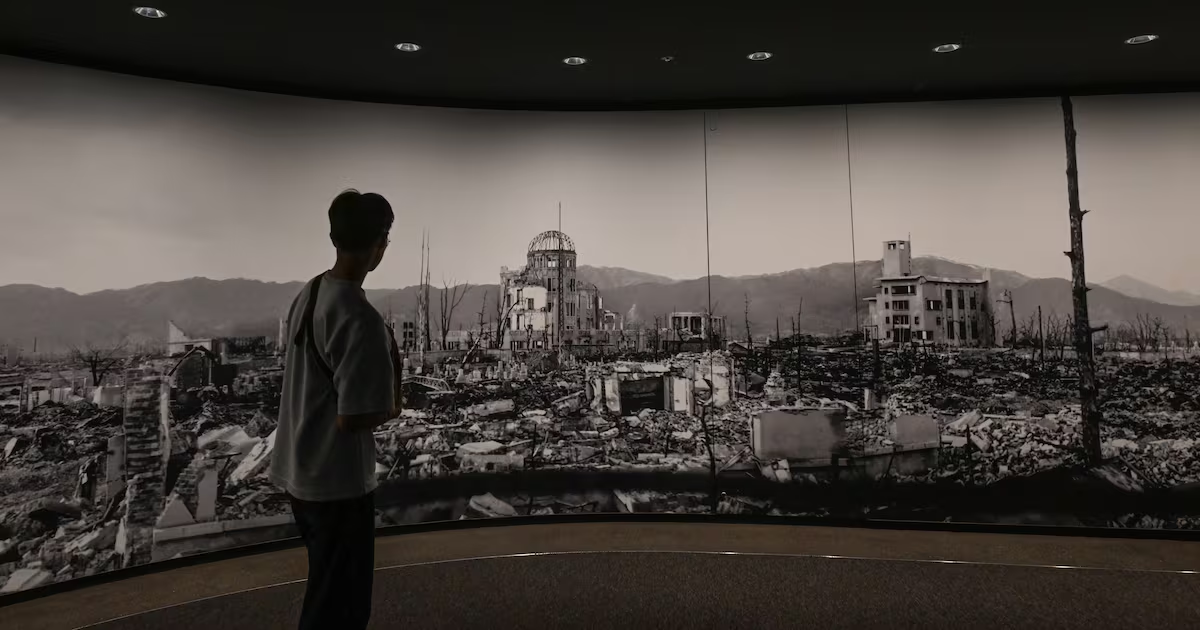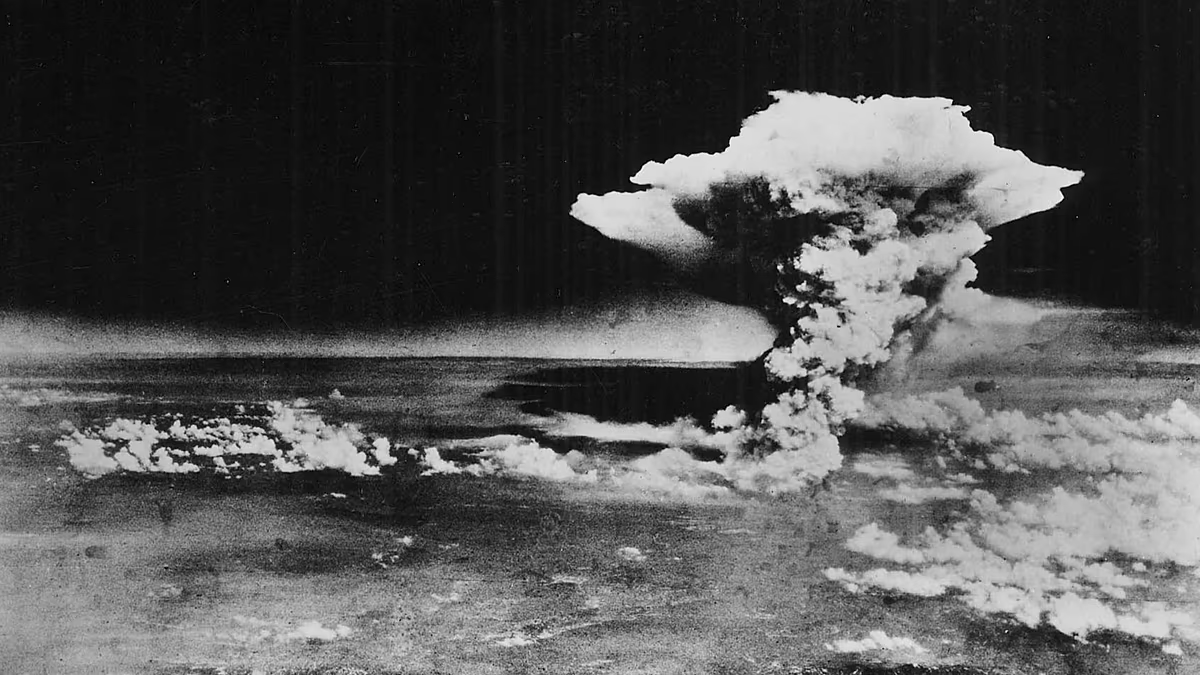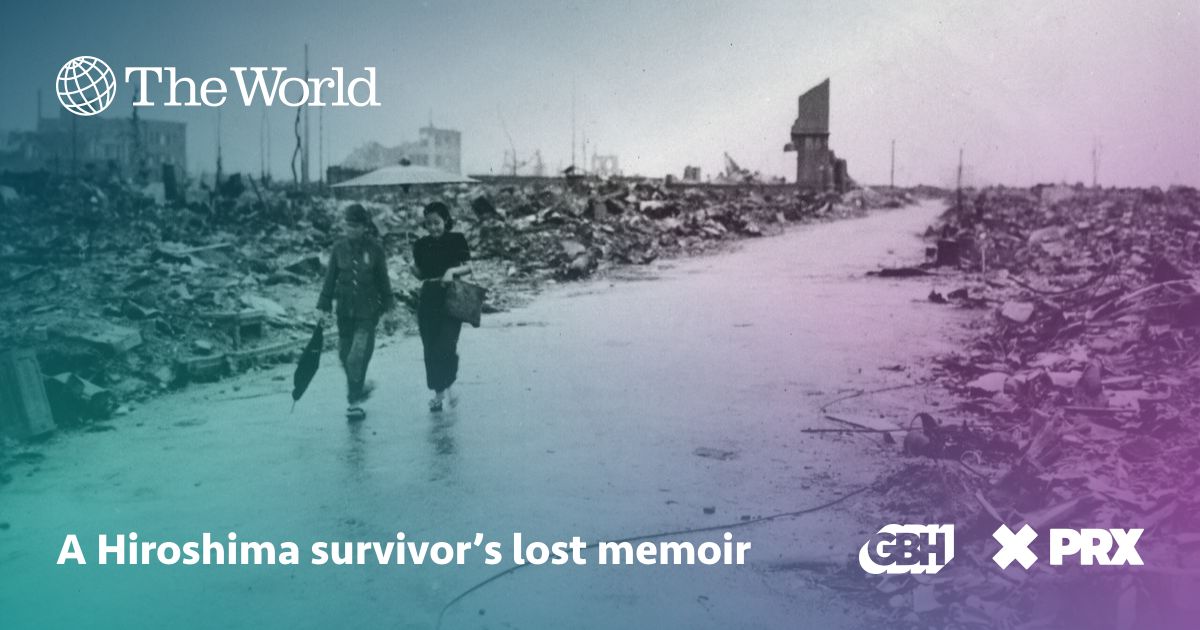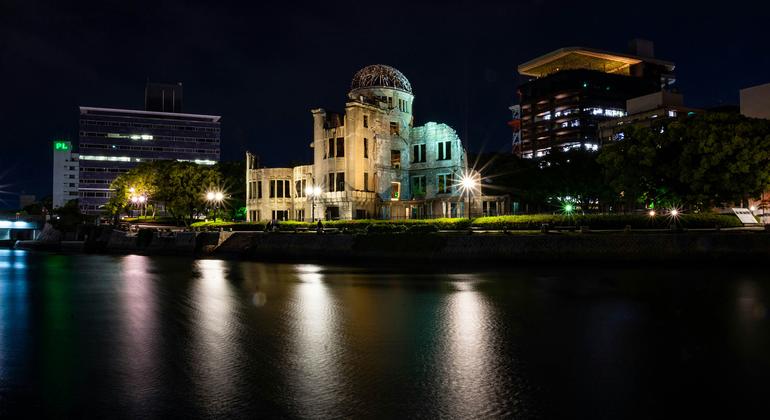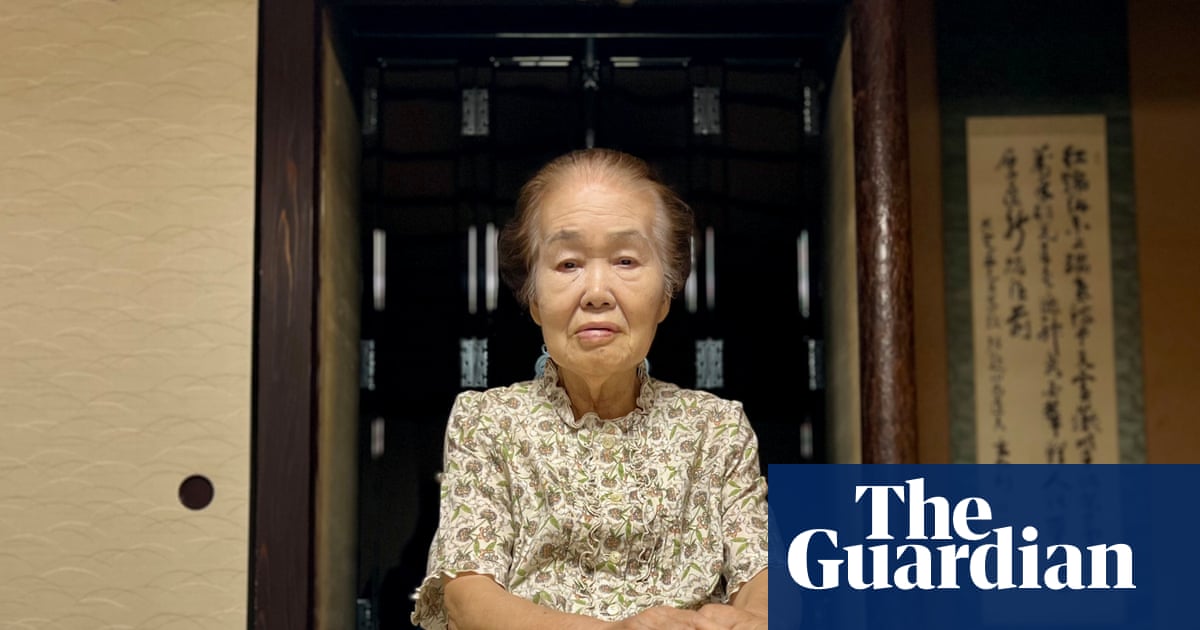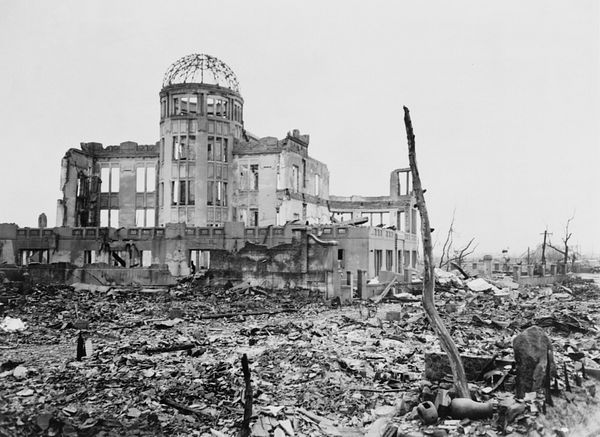
Terumi Tanaka was 13 when on one fine day the sky above Nagasaki was suddenly flooded with blinding white glare; “a blazing inferno” he would recall years later. At 97 now, he still carries memories of sitting next to the window. His home was hit suddenly by a flash, then thunder, followed by an unbearable silence. Within moments, his city was reduced to ash.
“It was literally hell,” he said in his eyewitness account.
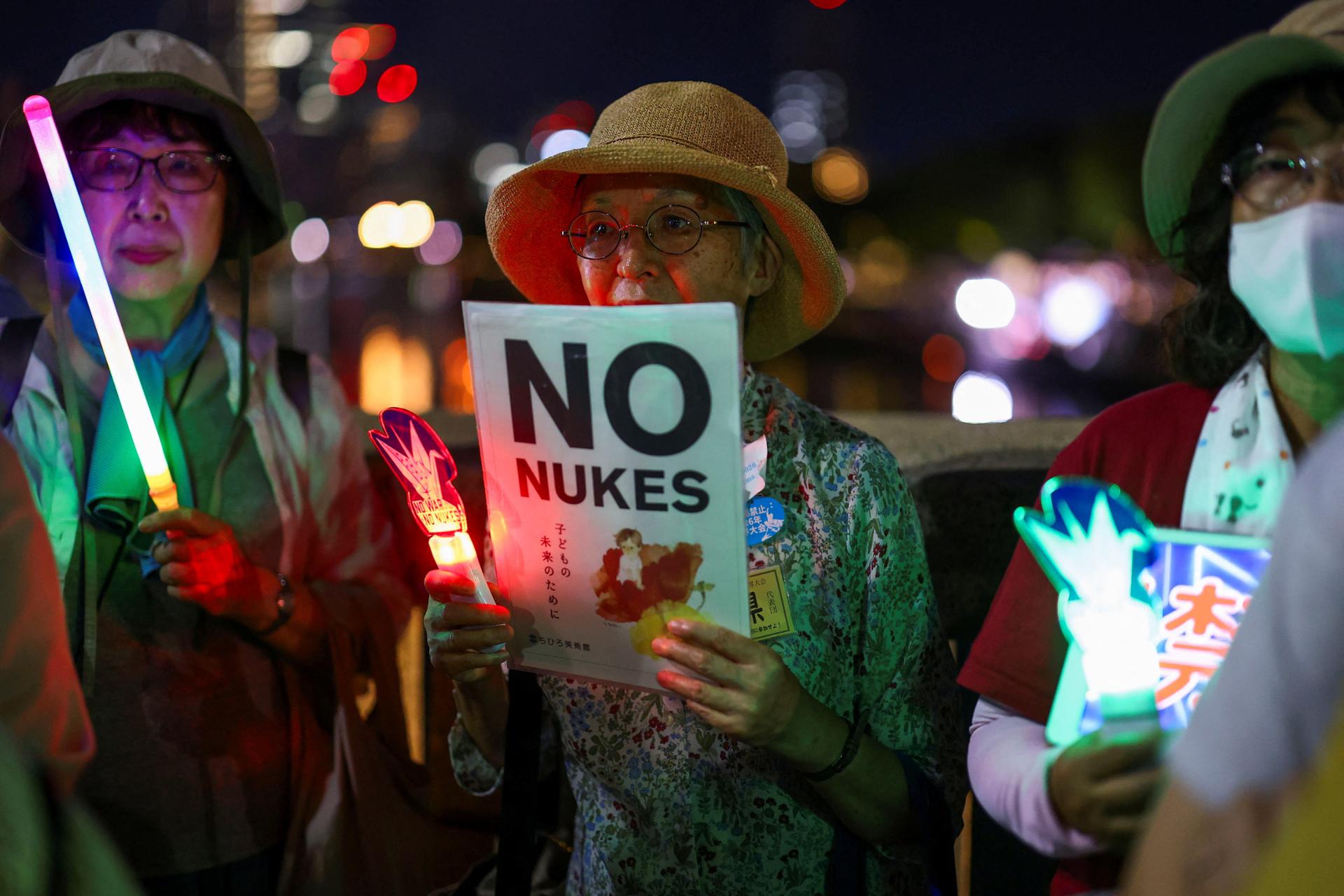
With the average age of the hibakusha (atomic bombing survivors) reaching 87, there will soon be no one left to provide such first-person testimony.
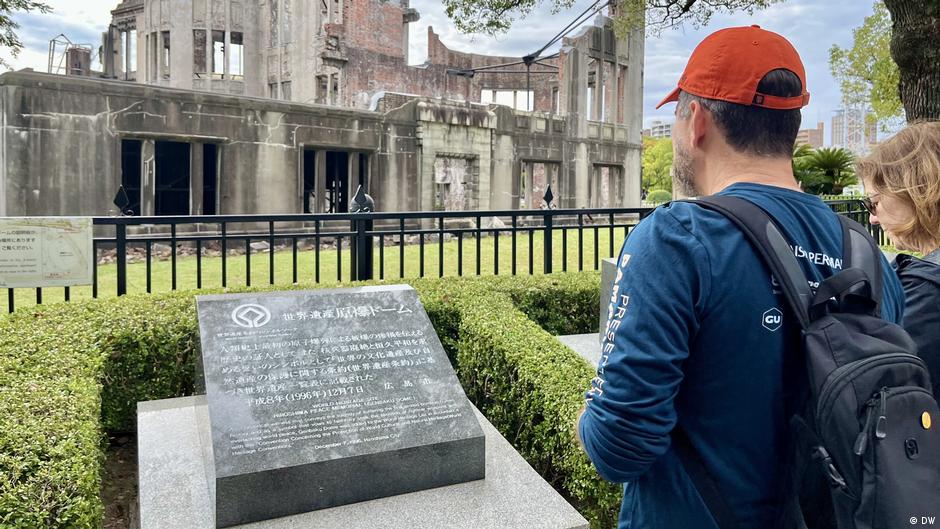
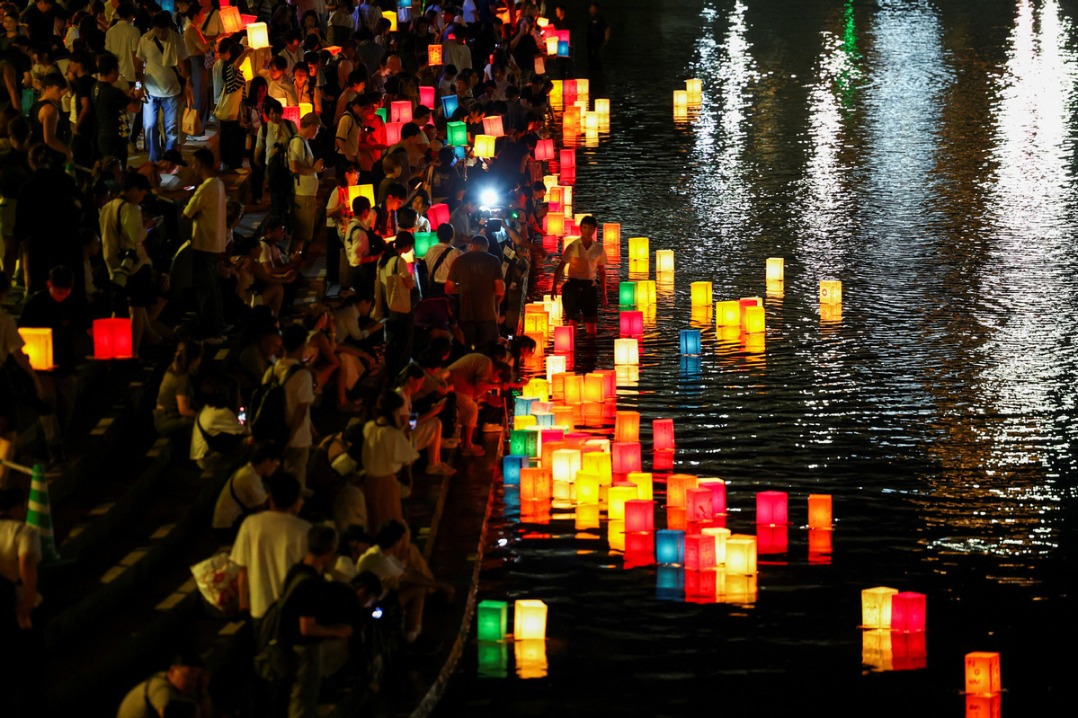
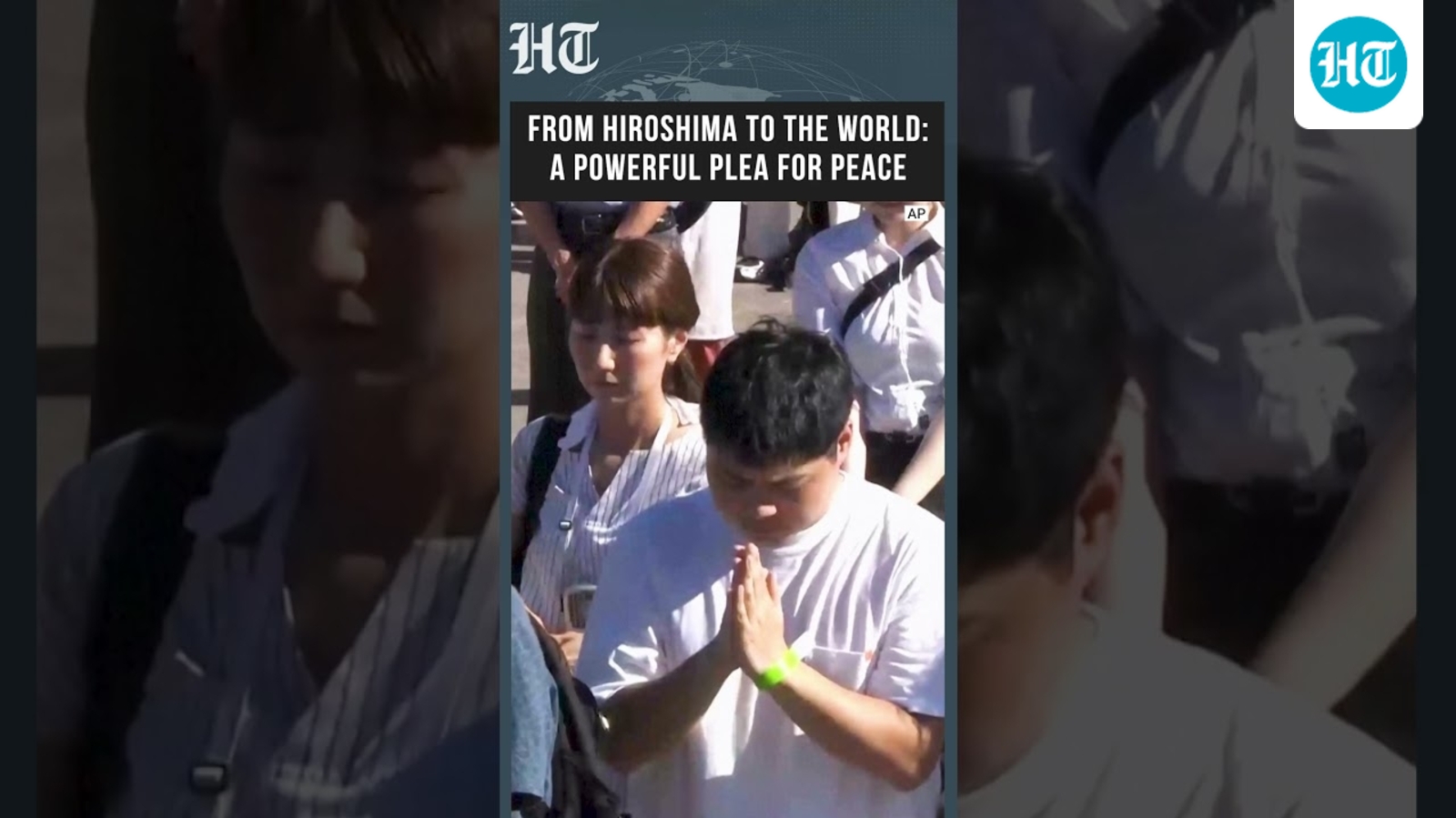
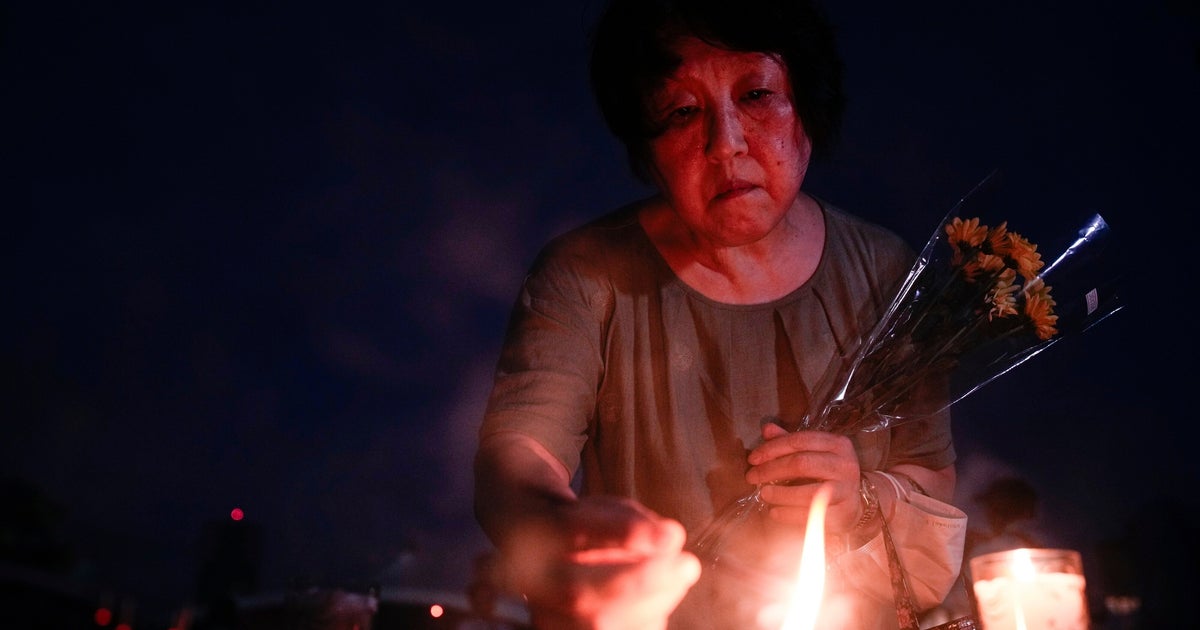
As humanity loses these eyewitnesses — 91,105 left as of March 2026 — we are also losing our moral compass. As the world commemorates the 81st anniversary of the dropping of atomic bombs on Japan, a cruel irony is fast unfolding in front of our eyes. The generation that witnessed the Hiroshima and Nagasaki bombings is fading away just as the world rediscovers the strategic significance of nuclear weapons — and loses sight of the human suffering such weapons embody.
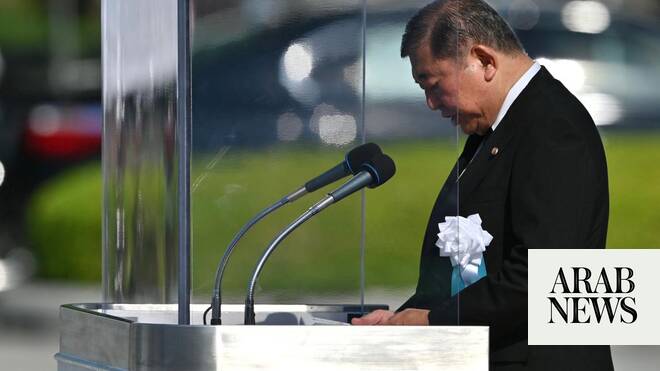
For decades, the horrors of Hiroshima and Nagasaki had imposed an invisible restraint on policymakers. Nuclear weapons were tolerated, but never celebrated. The nuclear taboo — non-possession, non-transfer, and non-use of nuclear weapons — was assumed to be universal and robust. Today, deterrence has displaced disarmament as the dominant concern. Even before the last hibakusha leave this earth, the world is turning its back on their warnings.