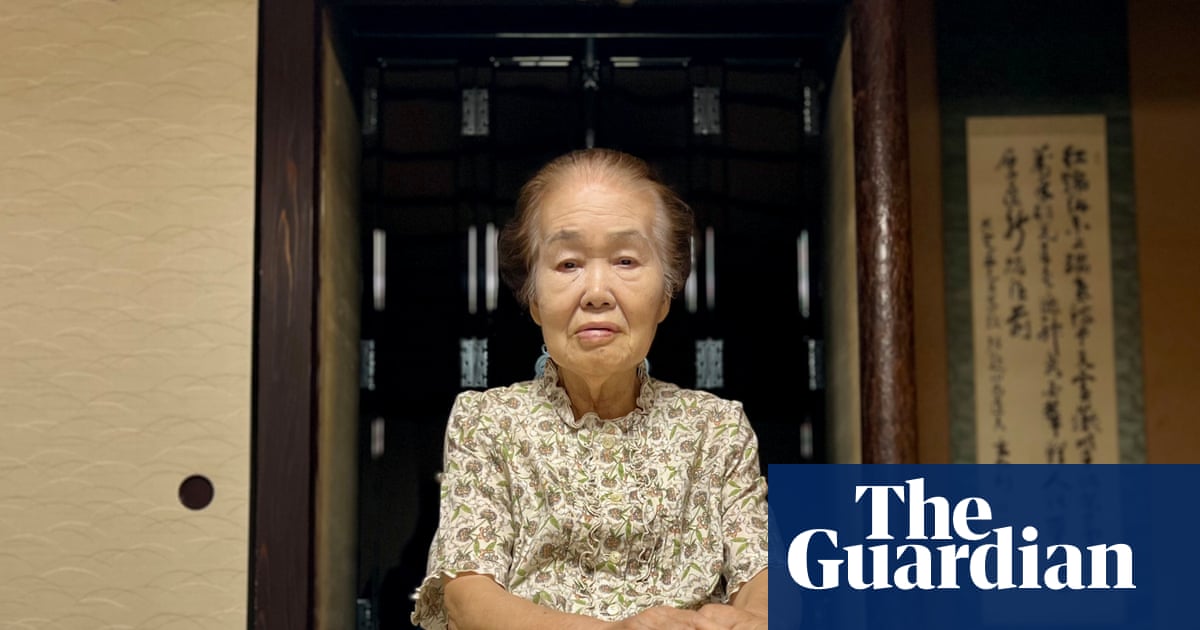
Eighty years on from the destruction of the city, registered survivors of the blast - known as hibakusha – have fallen below 100,000
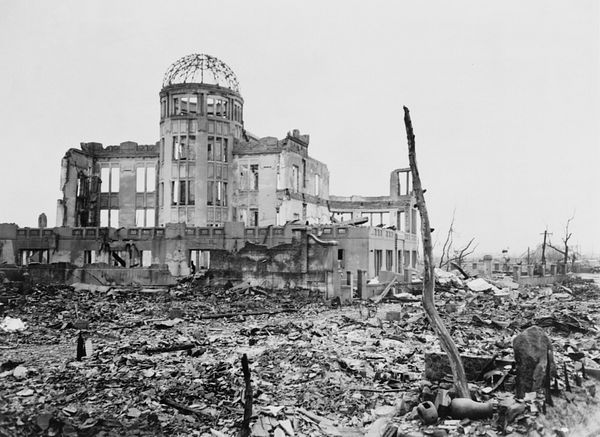
The fires were still burning, and the dead lay where they had fallen, when a 10-year-old Yoshiko Niiyama entered Hiroshima, two days after it was destroyed by an American atomic bomb.
“I remember that the air was filled with smoke and there were bodies everywhere … and it was so hot,” Niiyama says in an interview at her home in the Hiroshima suburbs. “The faces of the survivors were so badly disfigured that I didn’t want to look at them. But I had to.”
Niiyama and her eldest sister had rushed to the city to search for their father, Mitsugi, who worked in a bank located just 1km from the hypocentre. They had been evacuated to a neighbourhood just outside the city, but knew something dreadful had happened in Hiroshima when they saw trucks passing their temporary home carrying badly burned victims.
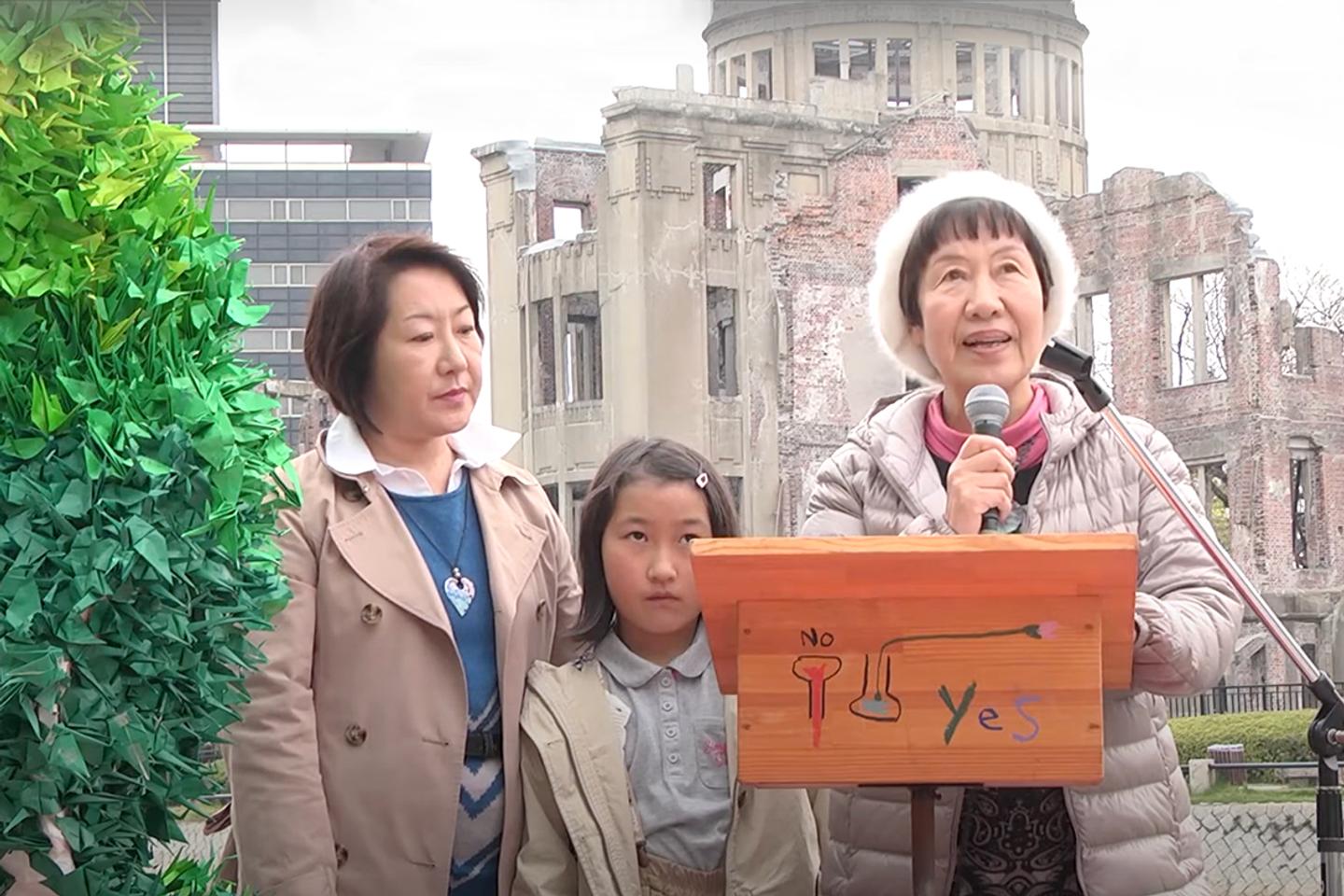
As Hiroshima prepares to mark 80 years since the city was destroyed in the world’s first nuclear attack, the 90-year-old is one of a small number of hibakusha – survivors of the atomic bombings – still able to recall the horrors they witnessed after their home was reduced to rubble in an instant.