Survivors put their hopes of achieving nuclear weapons abolition in the hands of younger people, saying memories of the bombing must be preserved
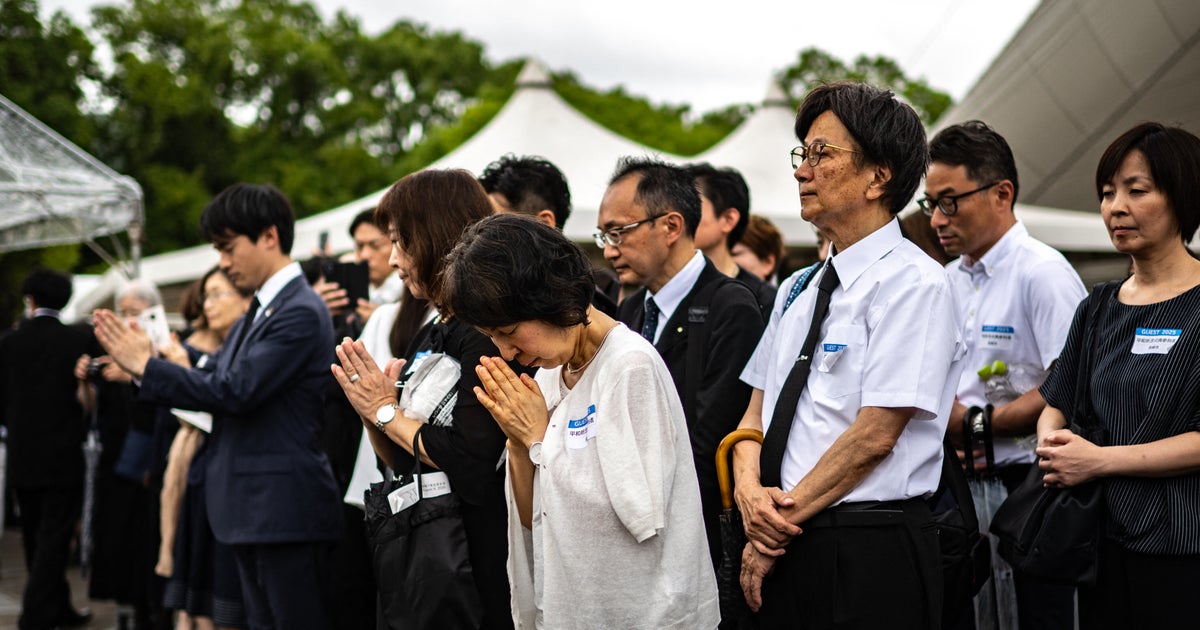
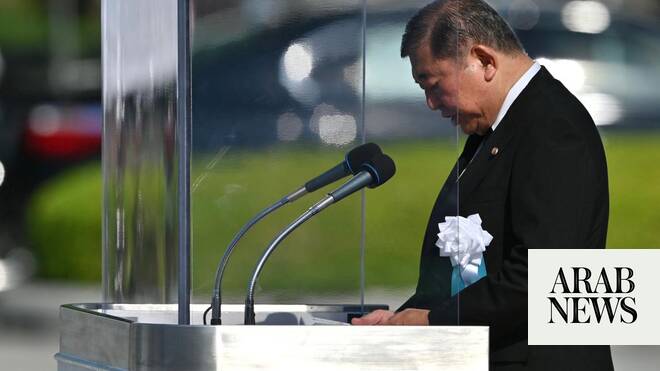
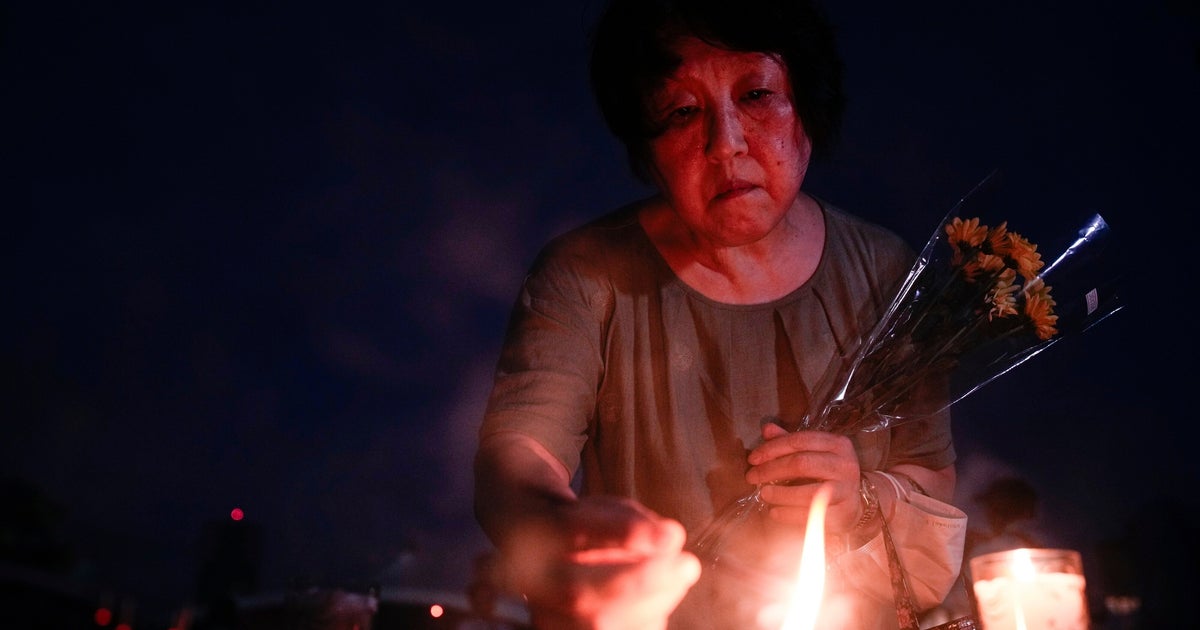
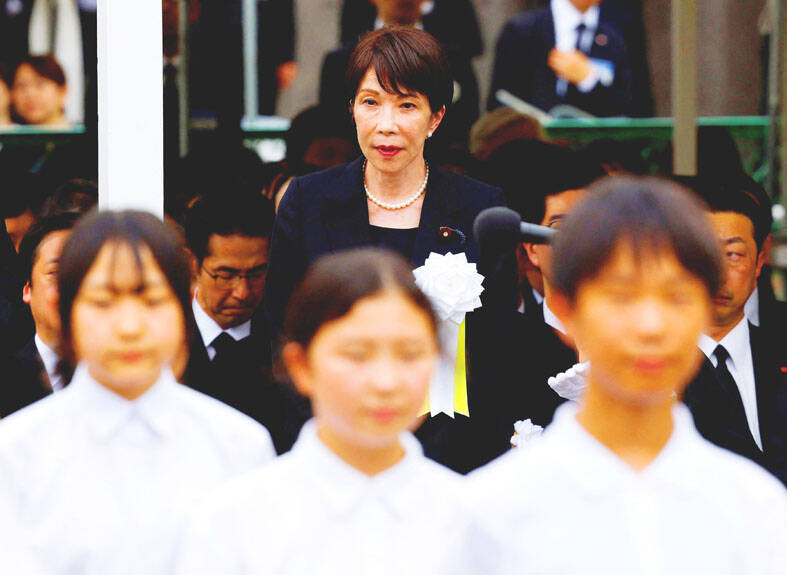
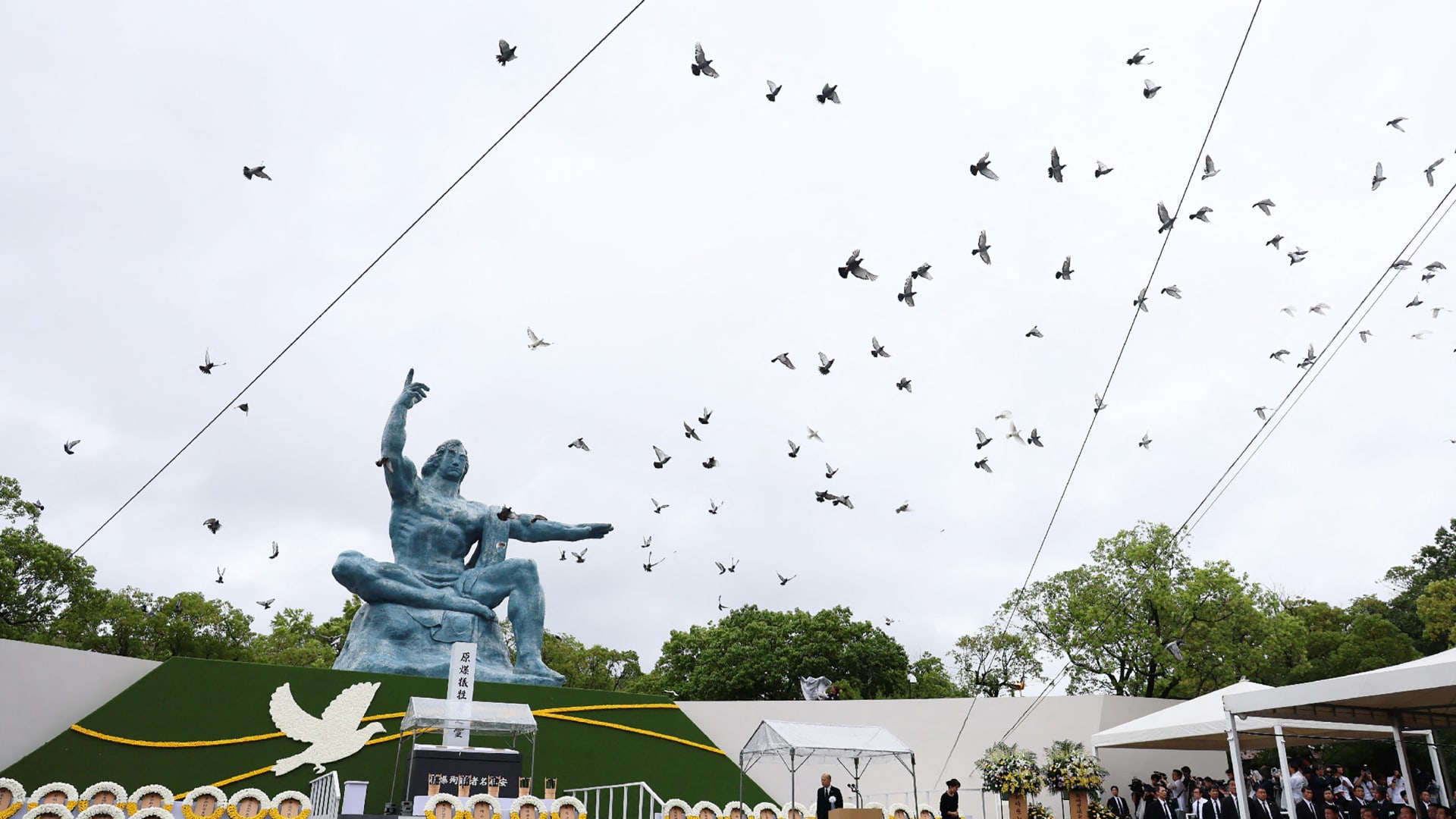
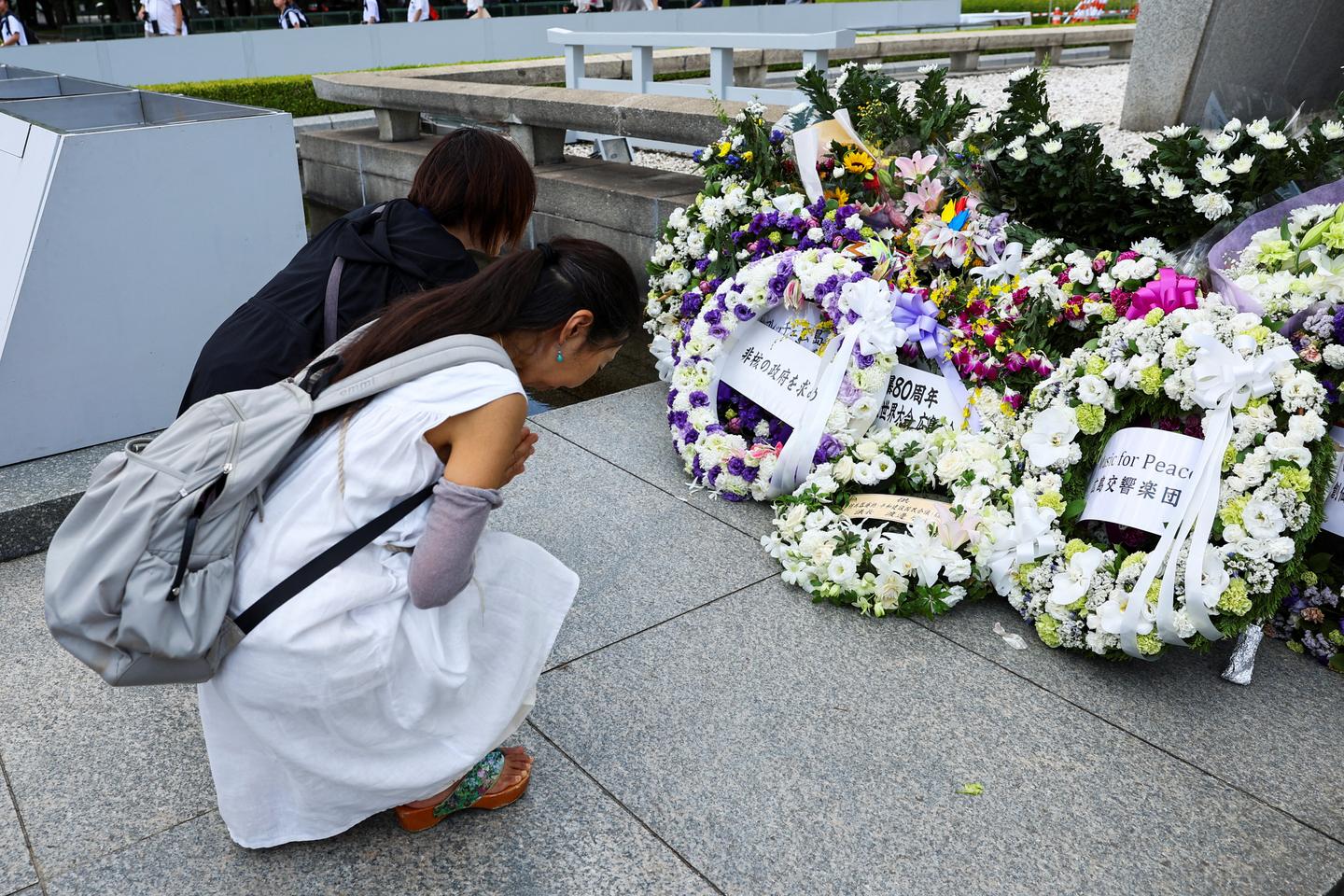
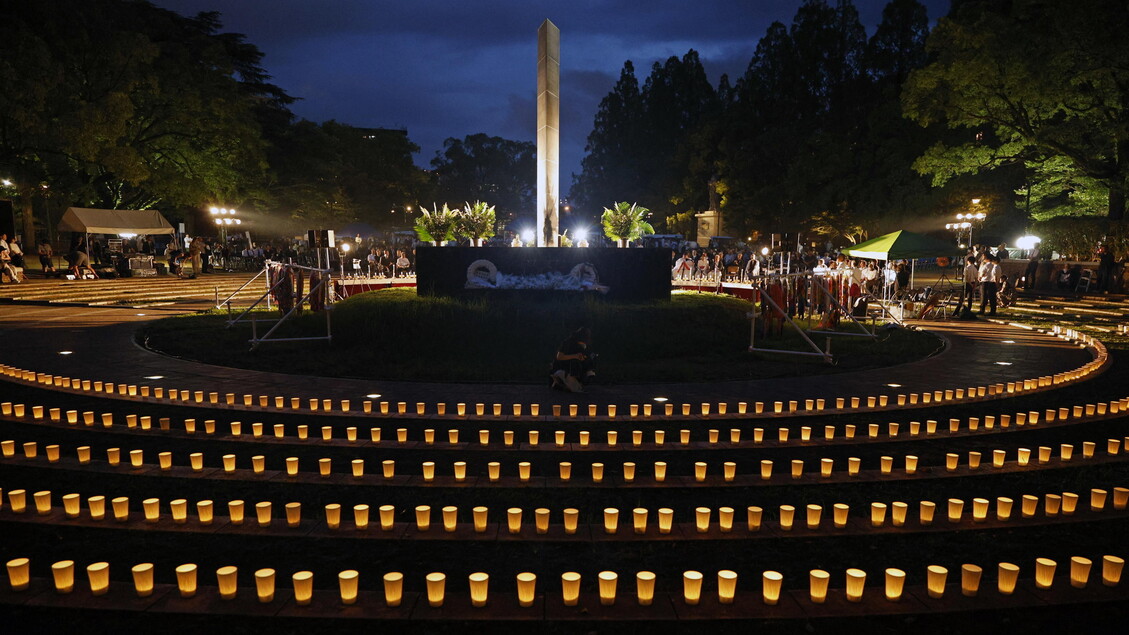
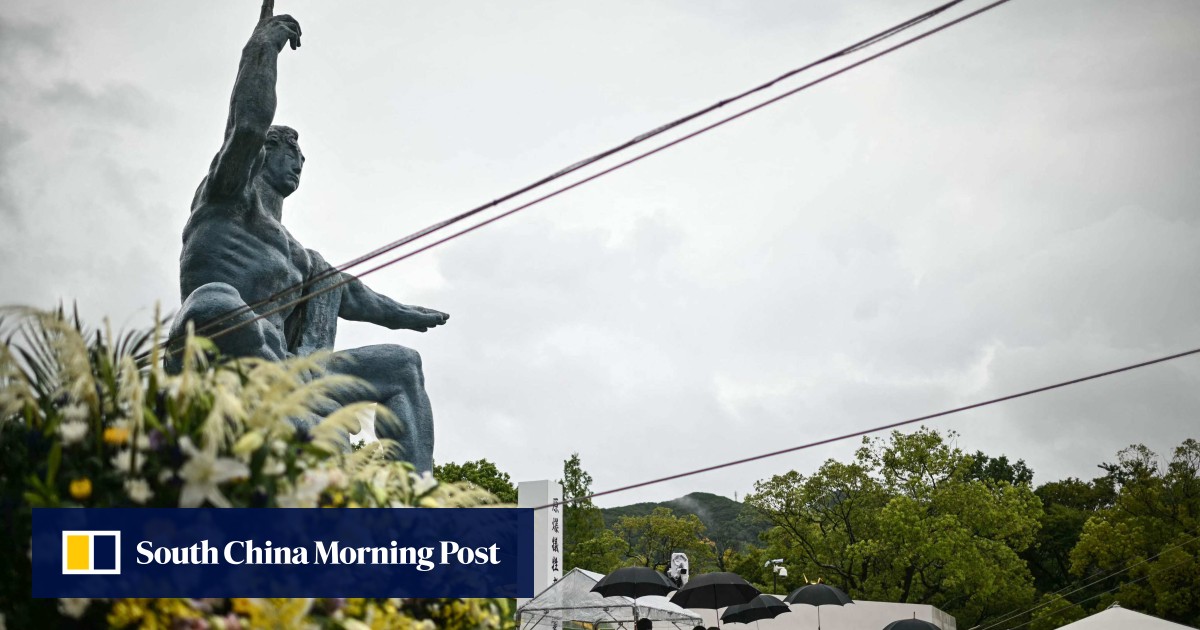
Nagasaki is marking the US atomic attack on the southern Japanese city 80 years ago and survivors of the attack are working to make their hometown the last place on earth hit by the bomb.
Despite their pain from wounds, discrimination and illnesses from radiation, survivors have publicly committed to a shared goal of abolishing nuclear weapons. But recently they worry about the world moving in the opposite direction as the anniversary is commemorated Saturday.
The atomic bomb dropped by the United States on Nagasaki on August 9, 1945, killed some 70,000 people, three days after the bombing of Hiroshima killed 140,000. Japan surrendered on August 15, 1945, ending World War II and the country’s nearly half-century of aggression across Asia.
Ageing survivors and their supporters in Nagasaki now put their hopes of achieving nuclear weapons abolition in the hands of younger people, telling them the attack is not distant history, but an issue that remains relevant to their future.