Hiroshima fosters hope, 81 years on from nuclear catastrophe
5 August 2026
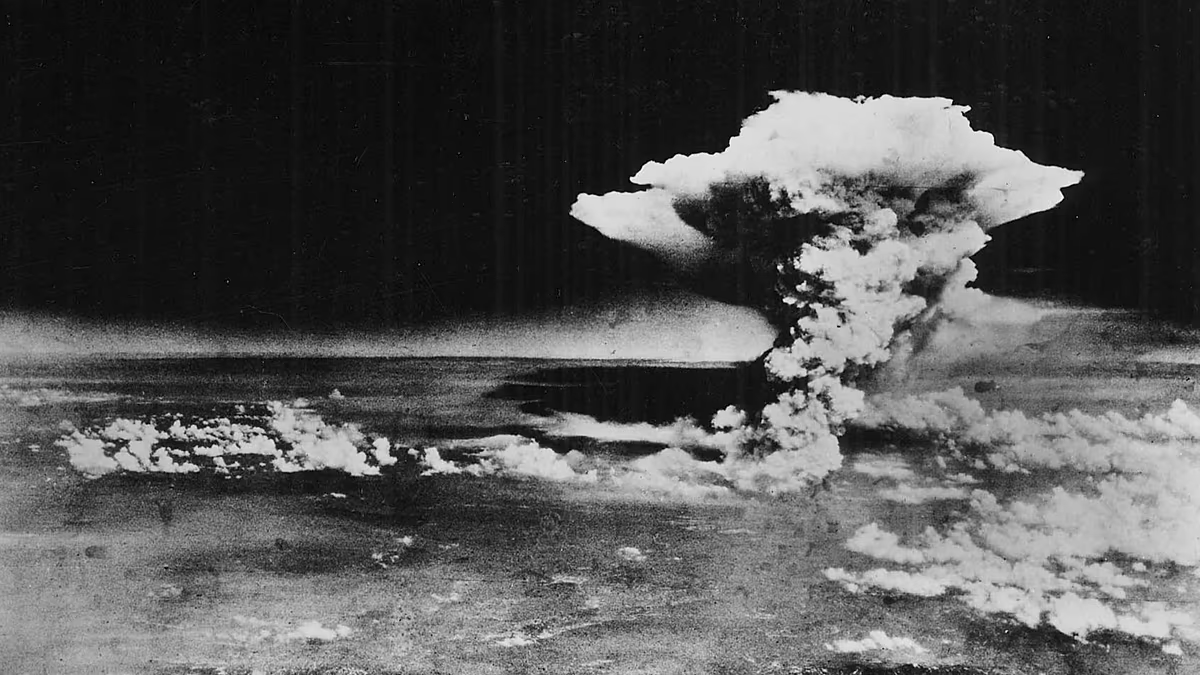
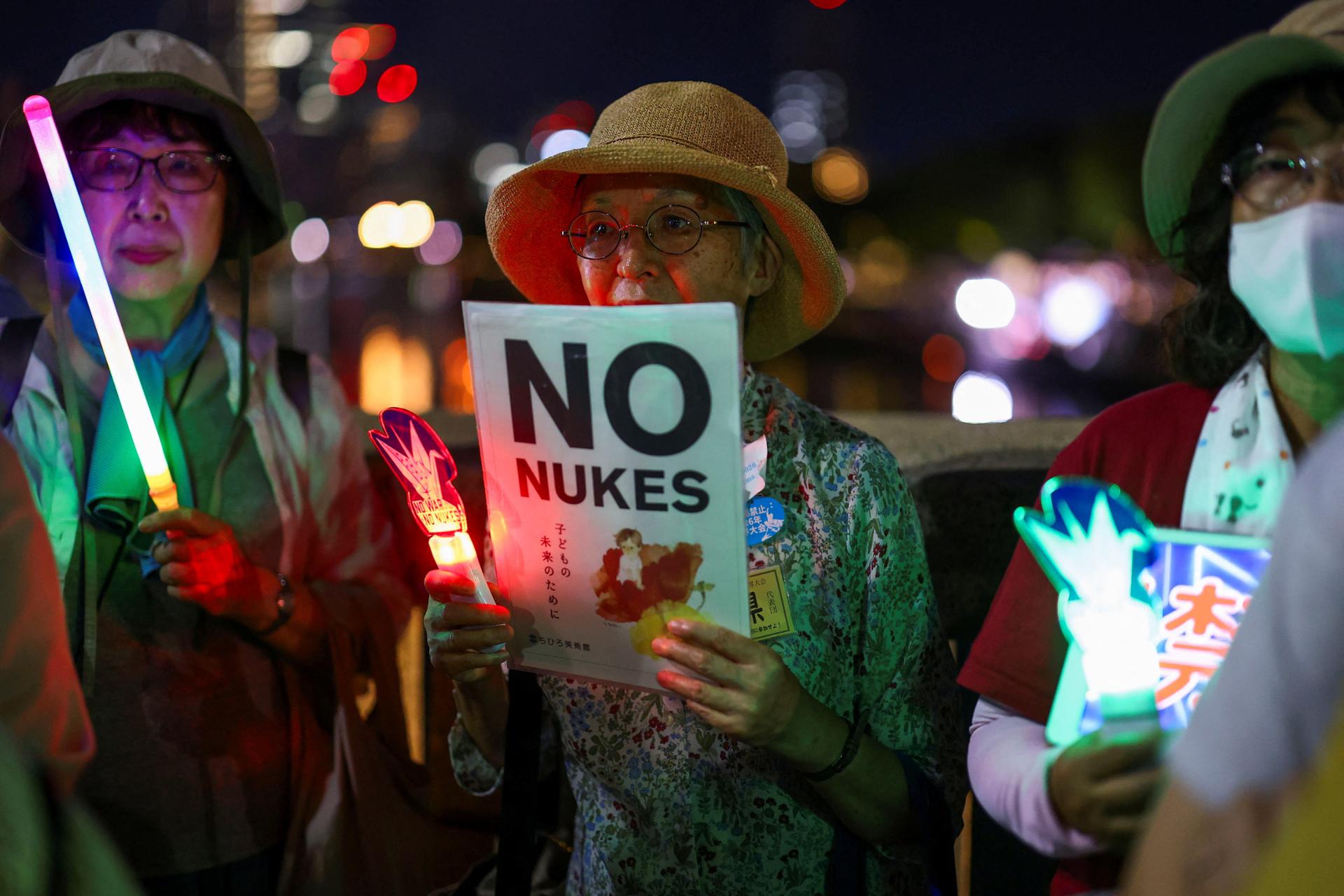
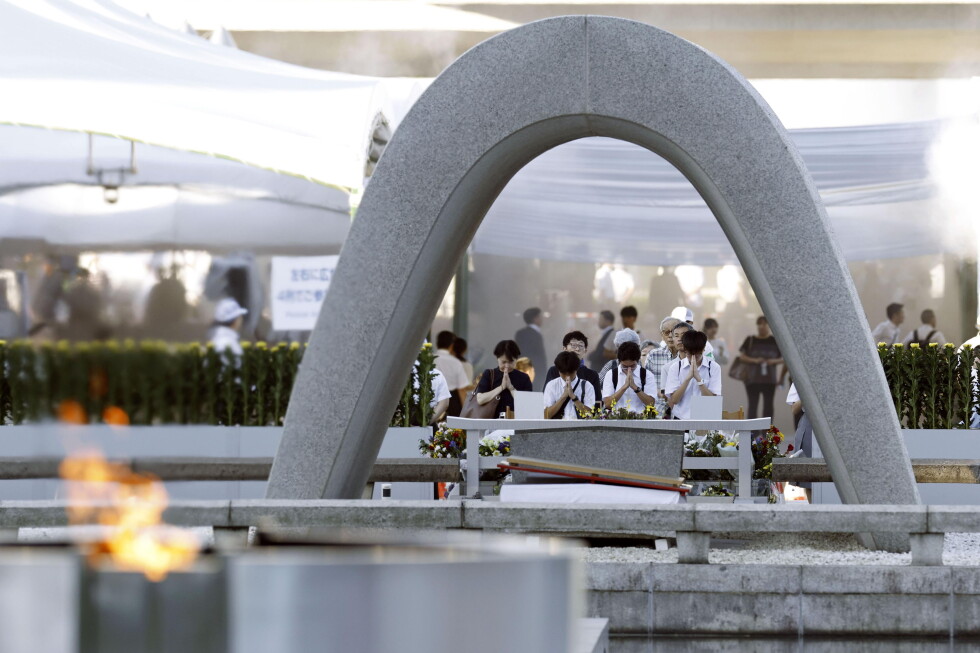
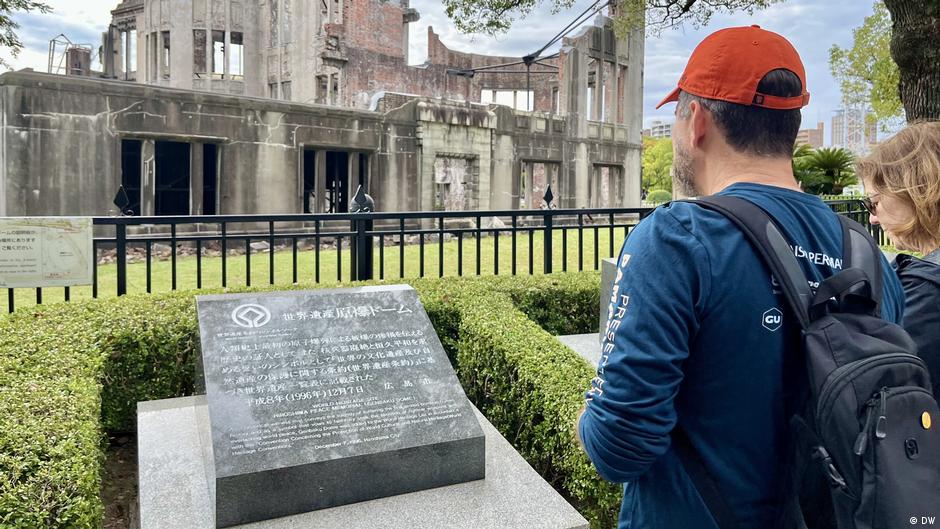
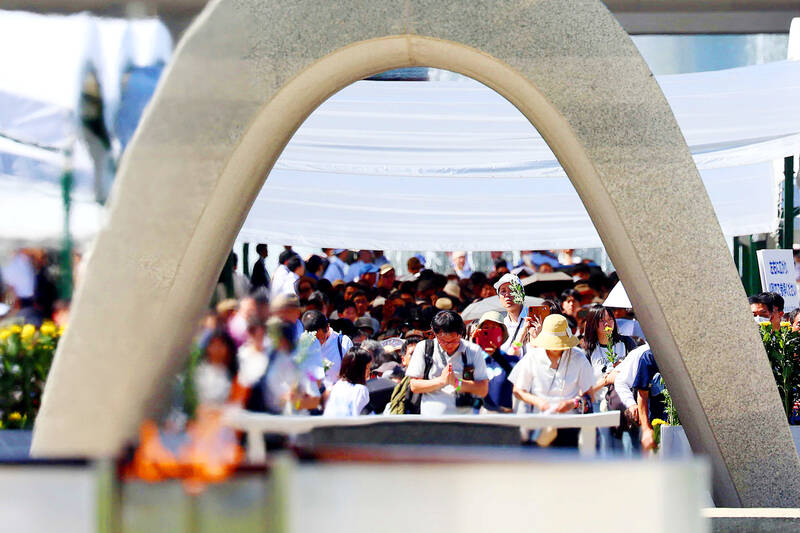
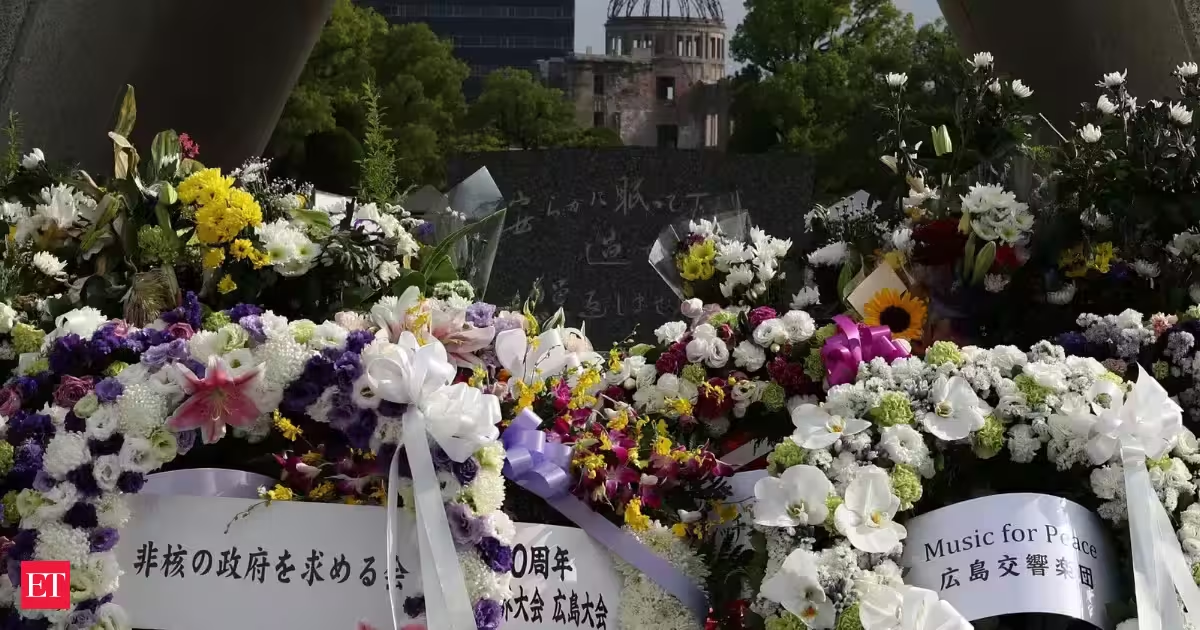
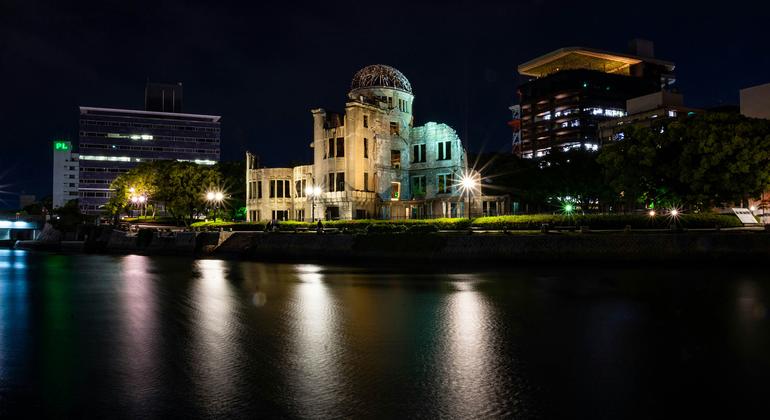
Peace and SecurityEighty-one years ago on Thursday, the United States dropped an atomic bomb on Hiroshima, reducing the city to ruins, killing tens of thousands of people and bringing the world “face to face with the catastrophic power of nuclear war”.
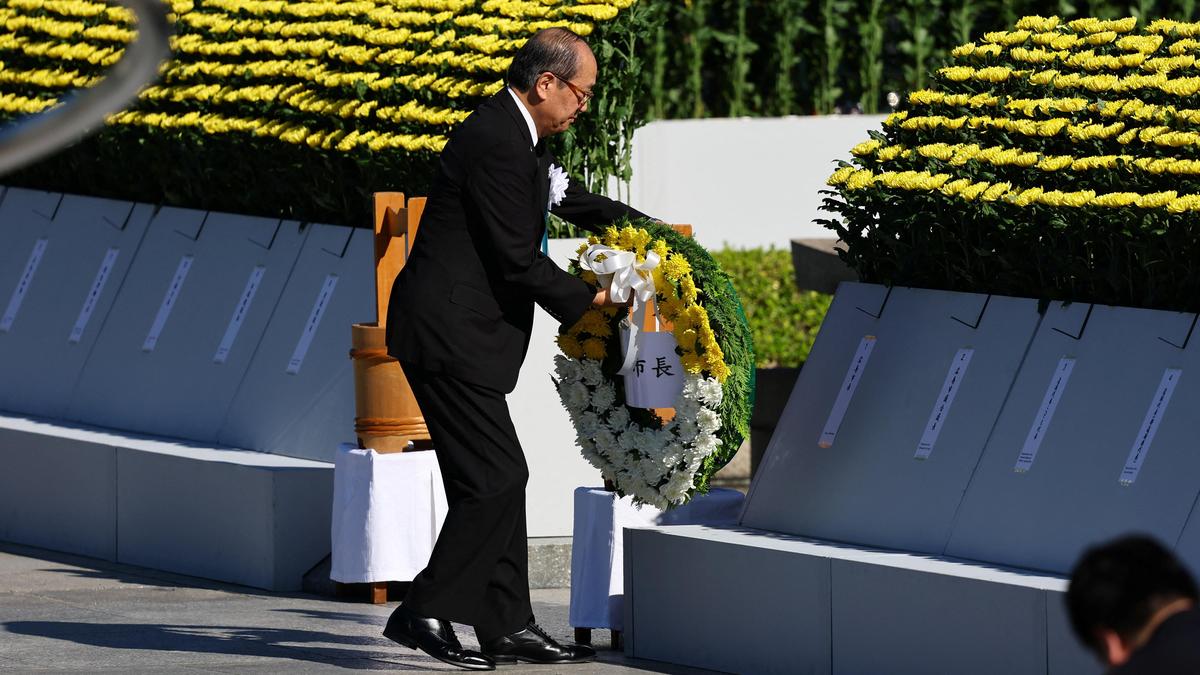
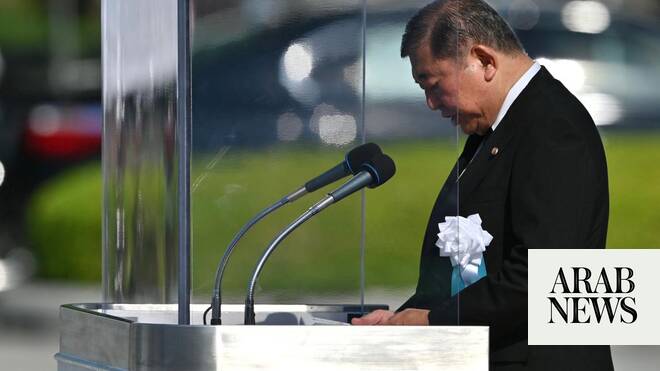
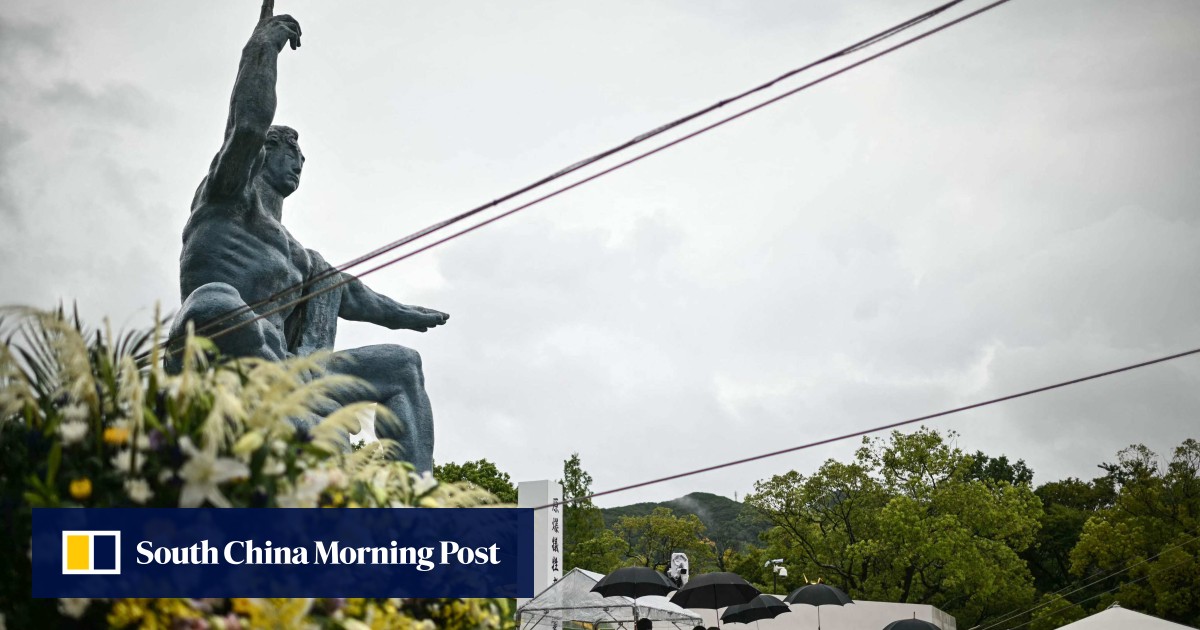
It was an act that must never be repeated, said the UN chief for disarmament affairs, at a memorial ceremony in the Japanese city. “Hiroshima stands as an inspiring example of resilience, renewal and hope,” said Izumi Nakamitsu, speaking on behalf of UN Secretary-General António Guterres.“Across generations, its people remind us that, even after the darkest moments, we can choose and build a different future.”Just two days later, a second nuclear bomb targeted Nagasaki on 8 August 1945. The two blasts killed around 120,000 people, with a similar number dying later of burn and radiation injuries, and left behind 650,000 survivors, known as the hibakusha.
Nuclear sabre rattlingProviding a snapshot of the current nuclear weapon landscape, she said deepening geopolitical division, rising mistrust and intensifying competition are straining the norms and guardrails that have helped prevent a “nuclear cataclysm”. The decades-long trend in nuclear arsenal reductions is reversing, the global norm against nuclear testing is under threat and worldwide, military spending jumped to $2.9 trillion in 2025, she warned.“Nuclear sabres are being rattled once again in the name of power and coercion,” the UN disarmament chief said, noting that the UN was founded to rid the world of the scourge of war, with the General Assembly’s very first resolution in 1946 aiming at eliminating nuclear weapons.