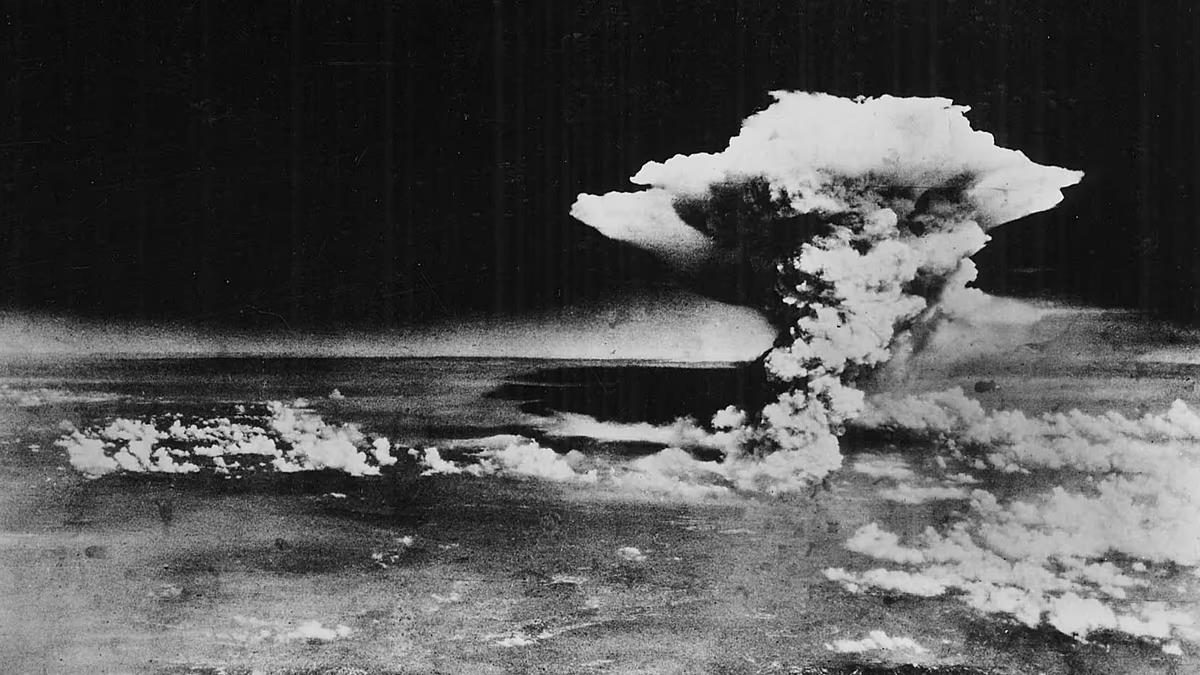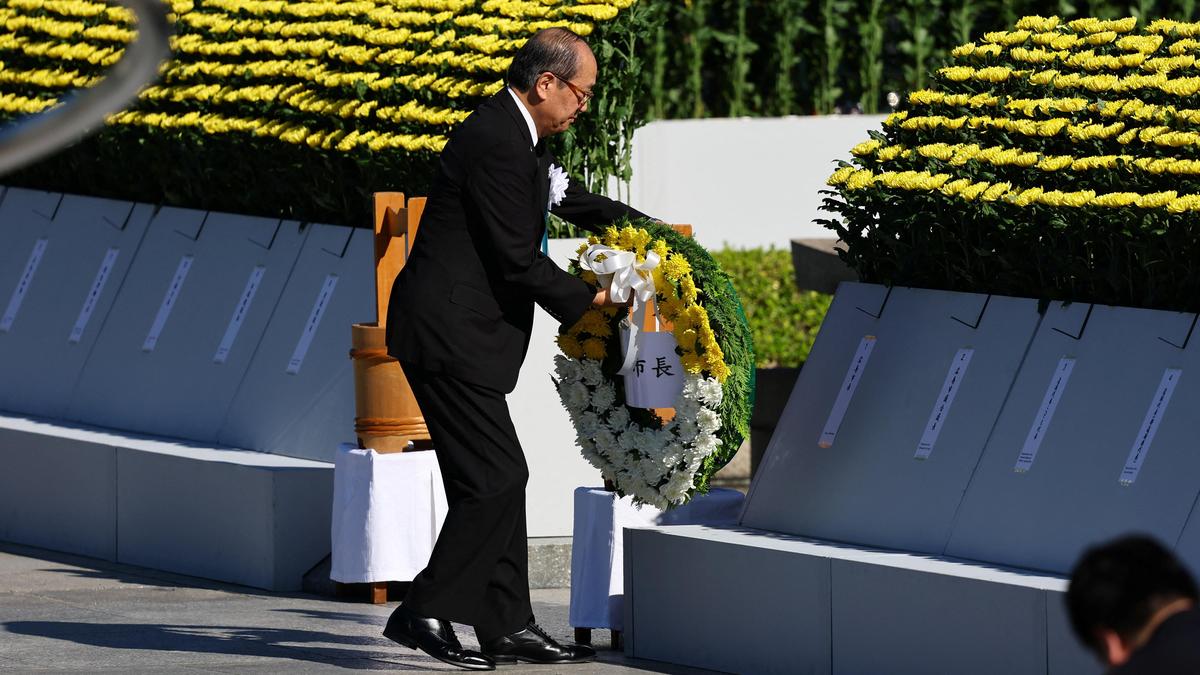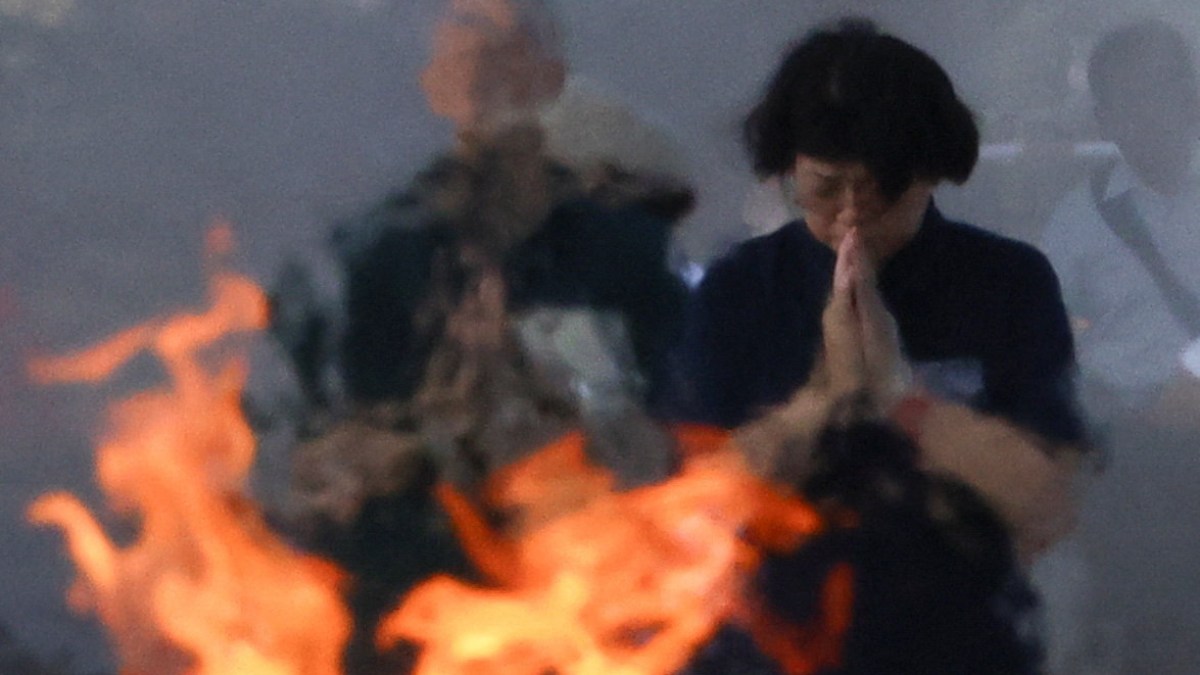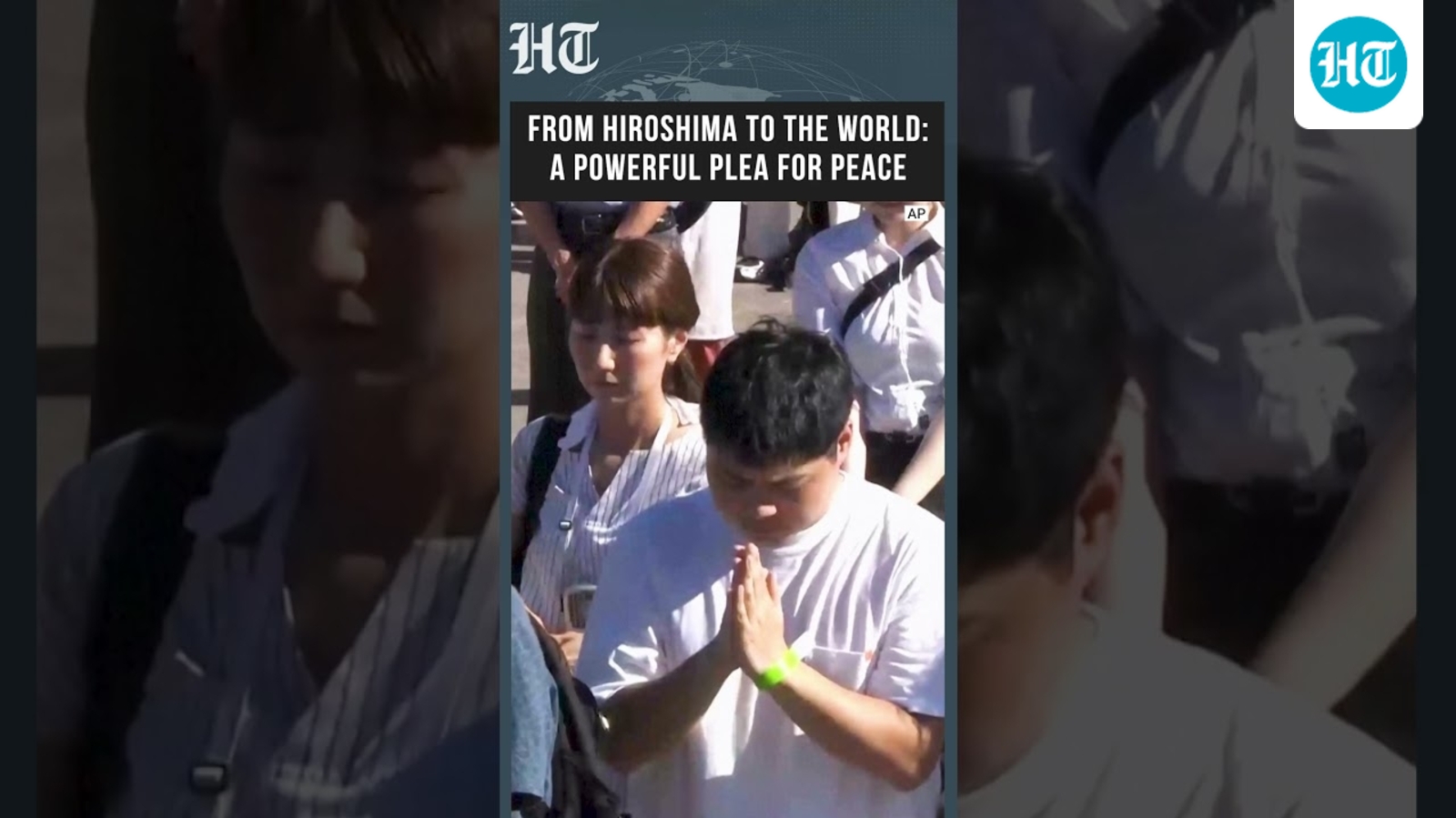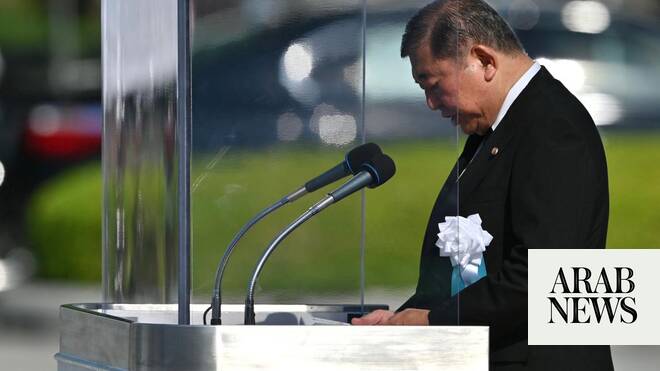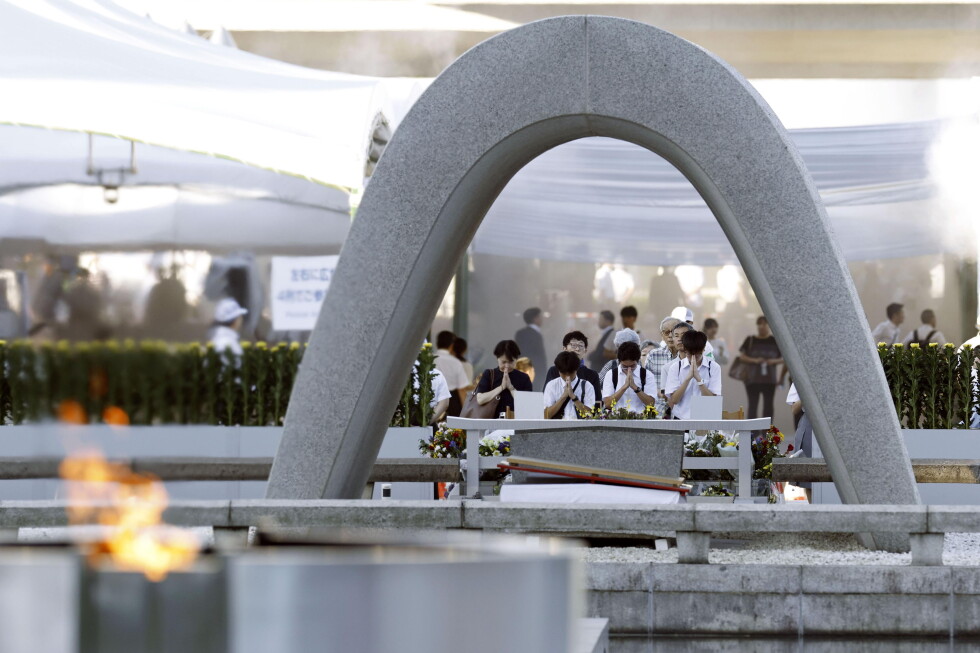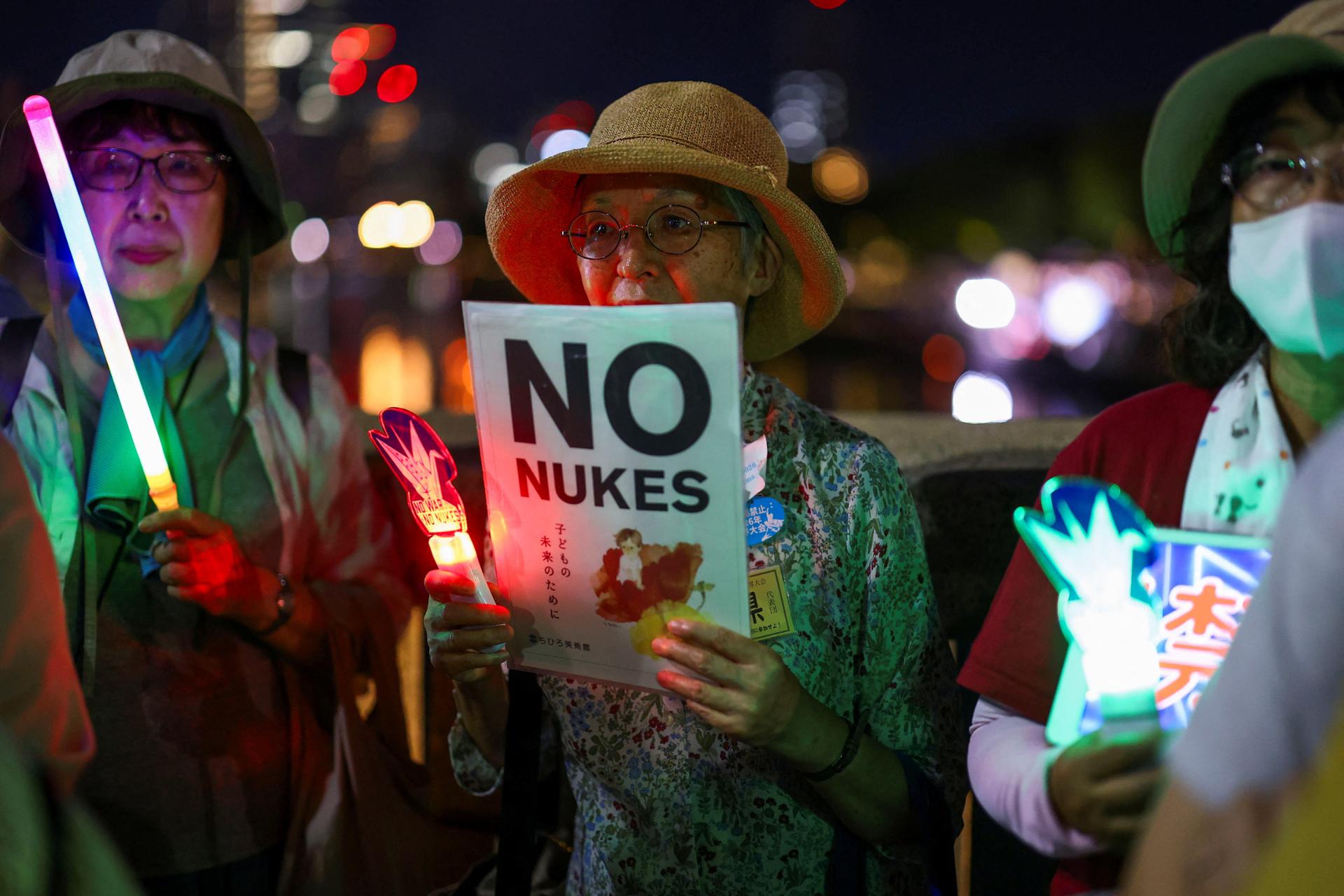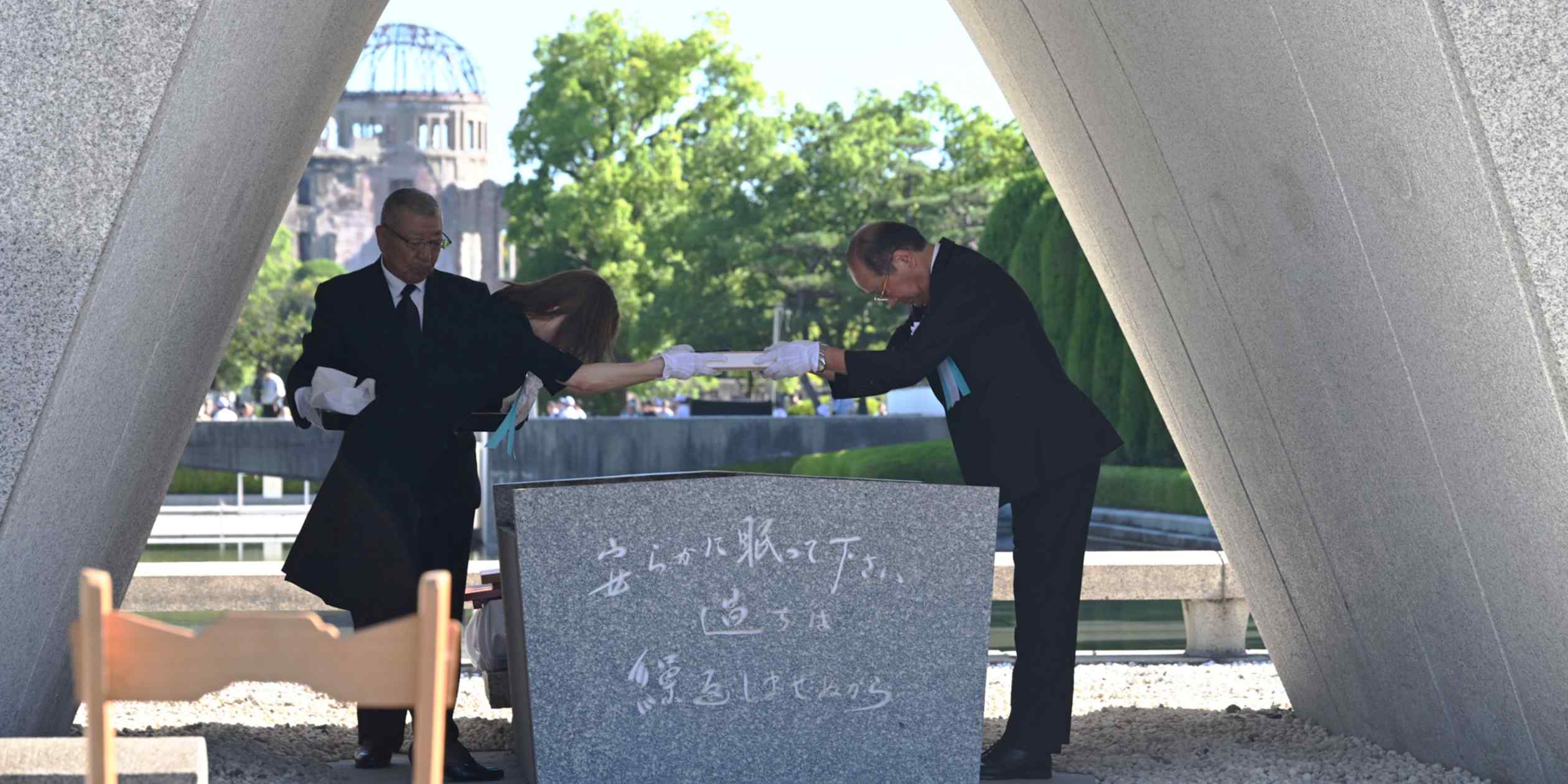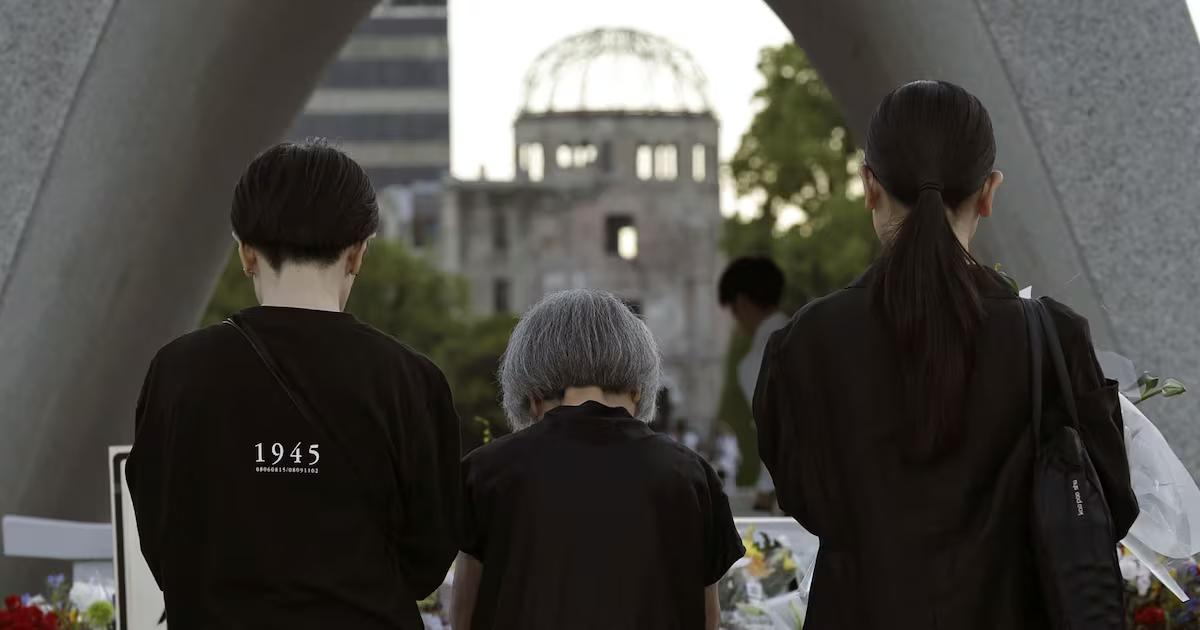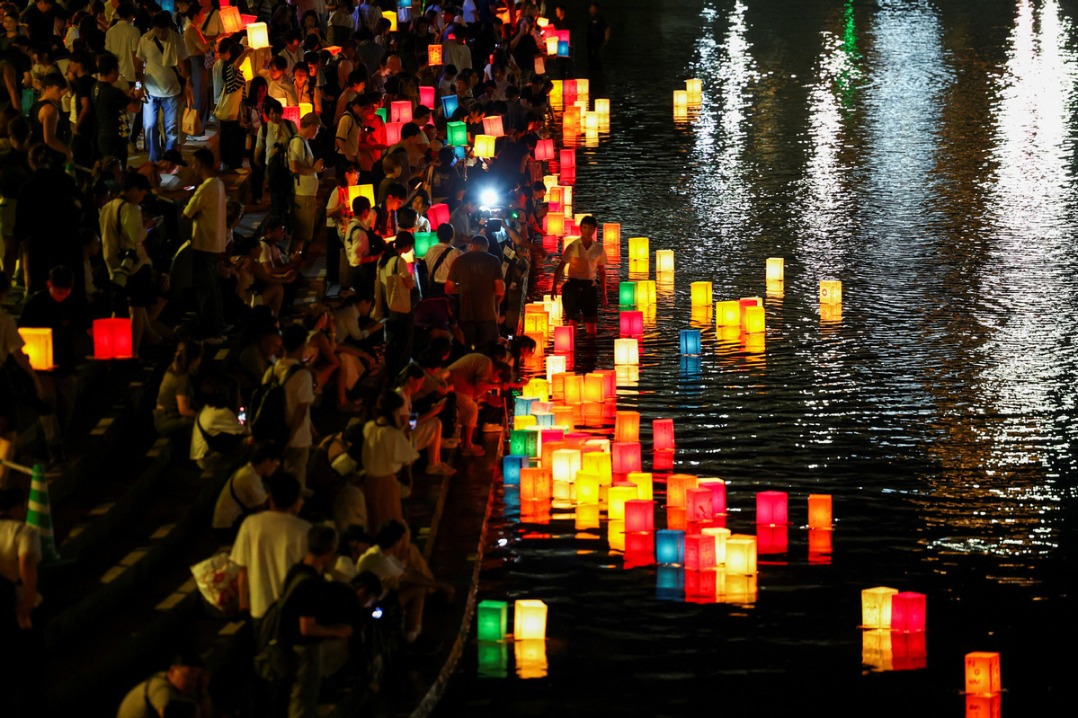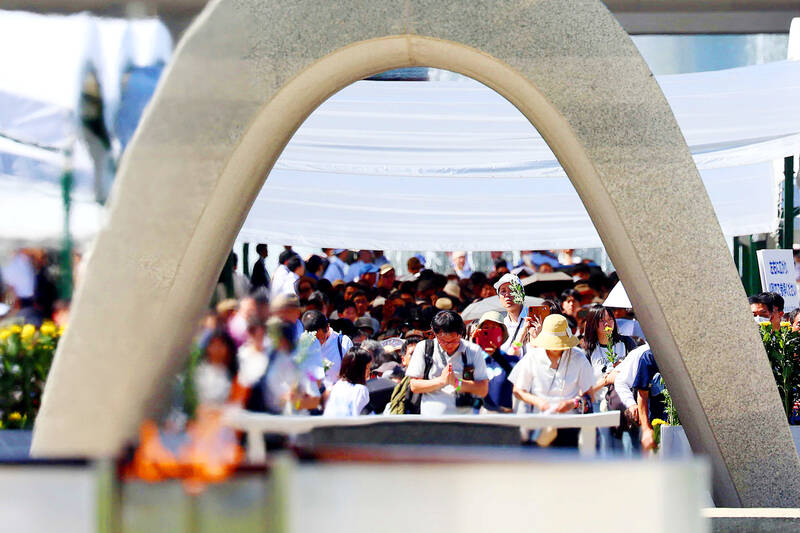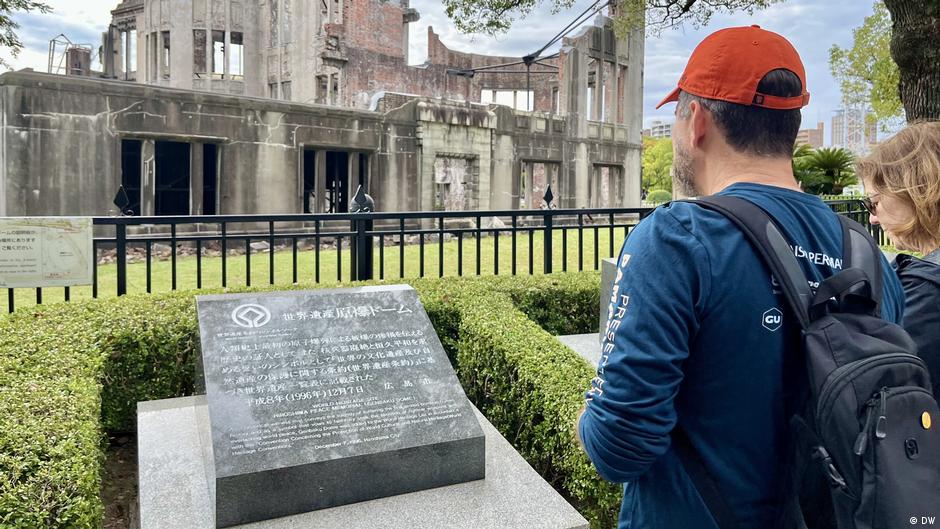
Japan on Thursday commemorates the 81st anniversary of the nuclear attack on Hiroshima.
On August 6, 1945, the US dropped an atomic bomb on the Japanese city of Hiroshima during the last days of World War II, killing close to 80,000 people in the initial blast. Three days later, the US dropped a bomb over Nagasaki.
"Japan adopted a pacifist constitution in reflection on World War II," noted Masako Wada, assistant secretary general of Nihon Hidankyo, or the Japan Confederation of A- and H-Bomb Sufferers' Organizations.
Japan "earned the trust of the international community as a country that promised never to wage a war again," added Wada, who survived the Nagasaki bombing as a 1-year-old.The dropping of the atomic bomb on August 6, 1945, flattened more than two-thirds of Hiroshima [FILE: September 8, 1945]Image: Stanley Troutman/AP Photo/picture alliance
However, in recent years, Japan has increased defense spending, eased restrictions on weapons exports and expanded the role of its military, citing growing risks from China, North Korea and Russia.