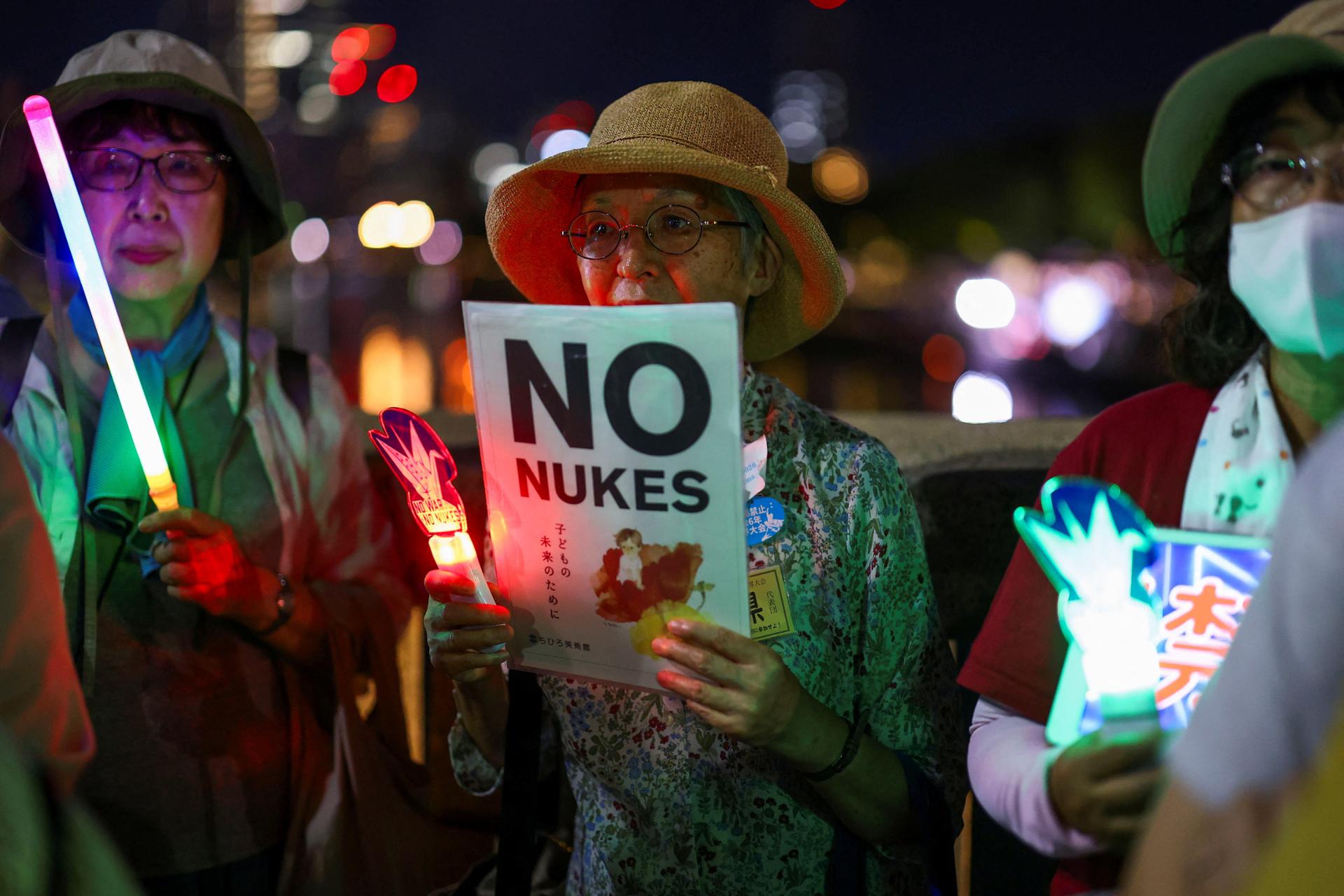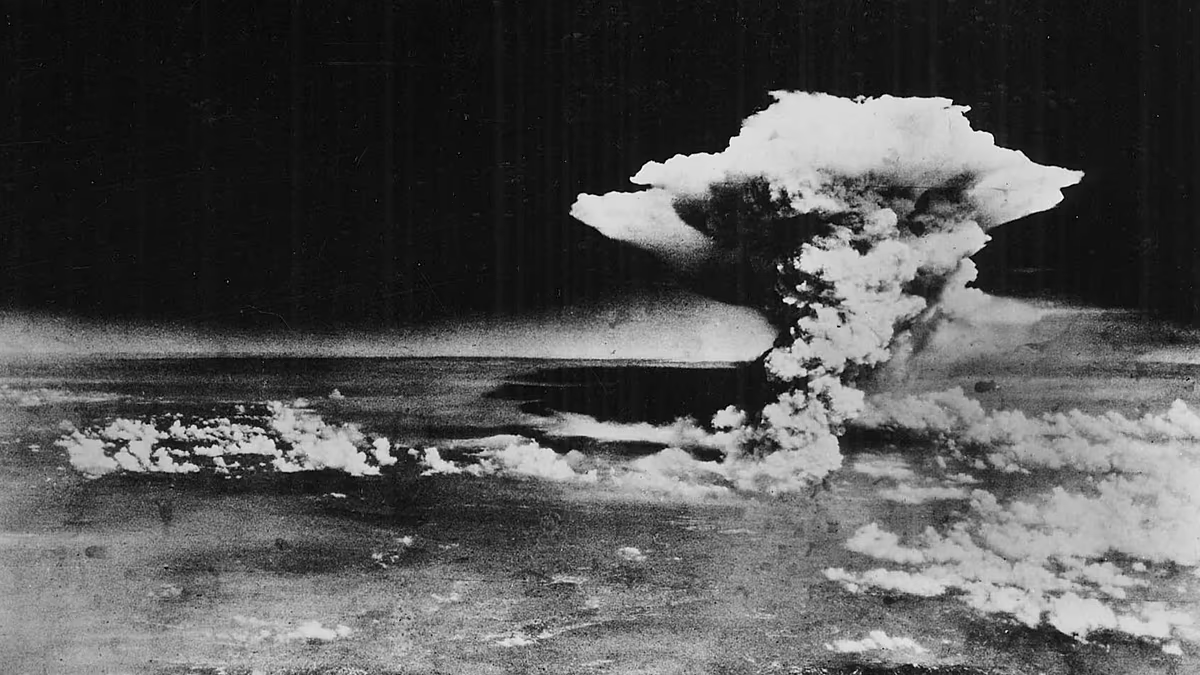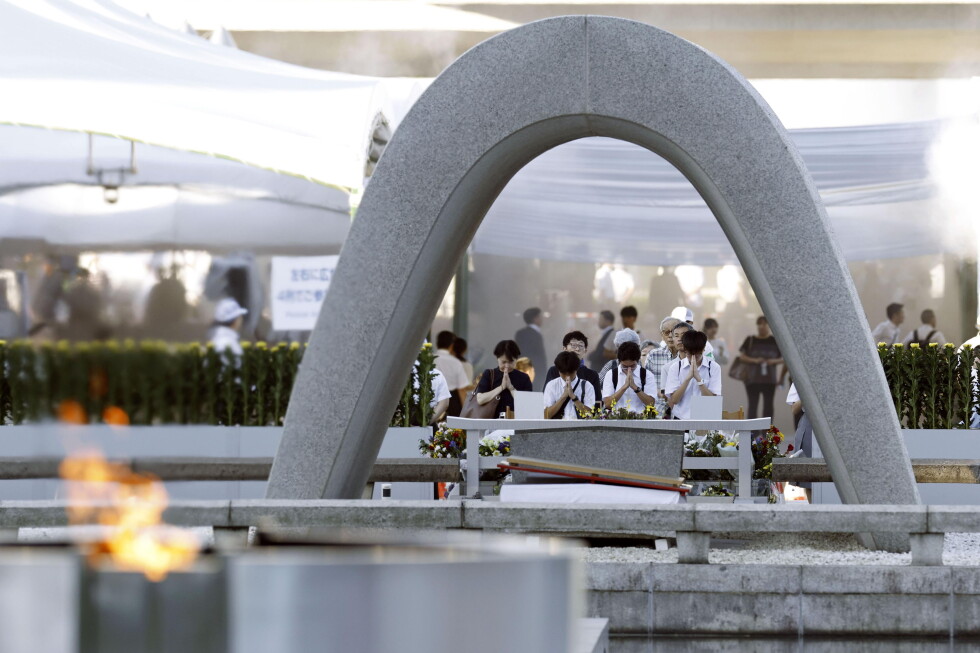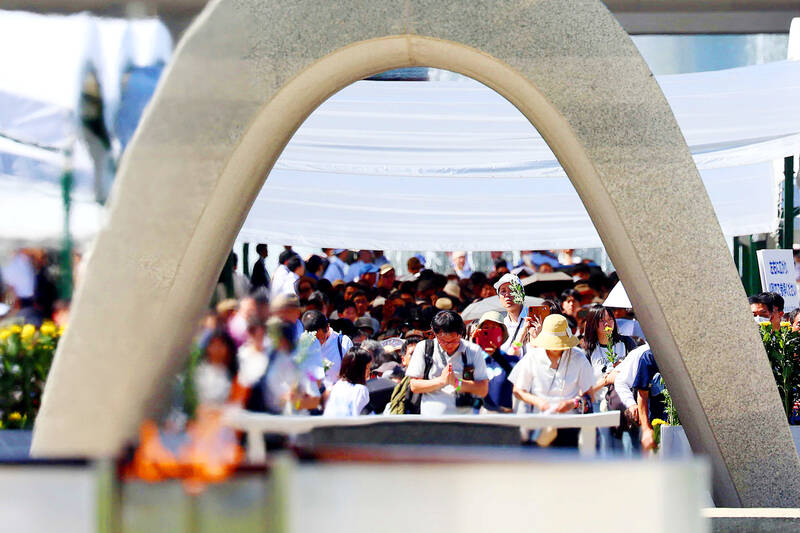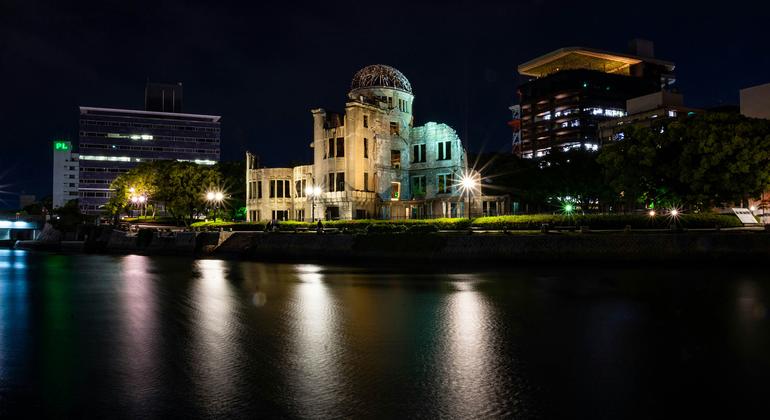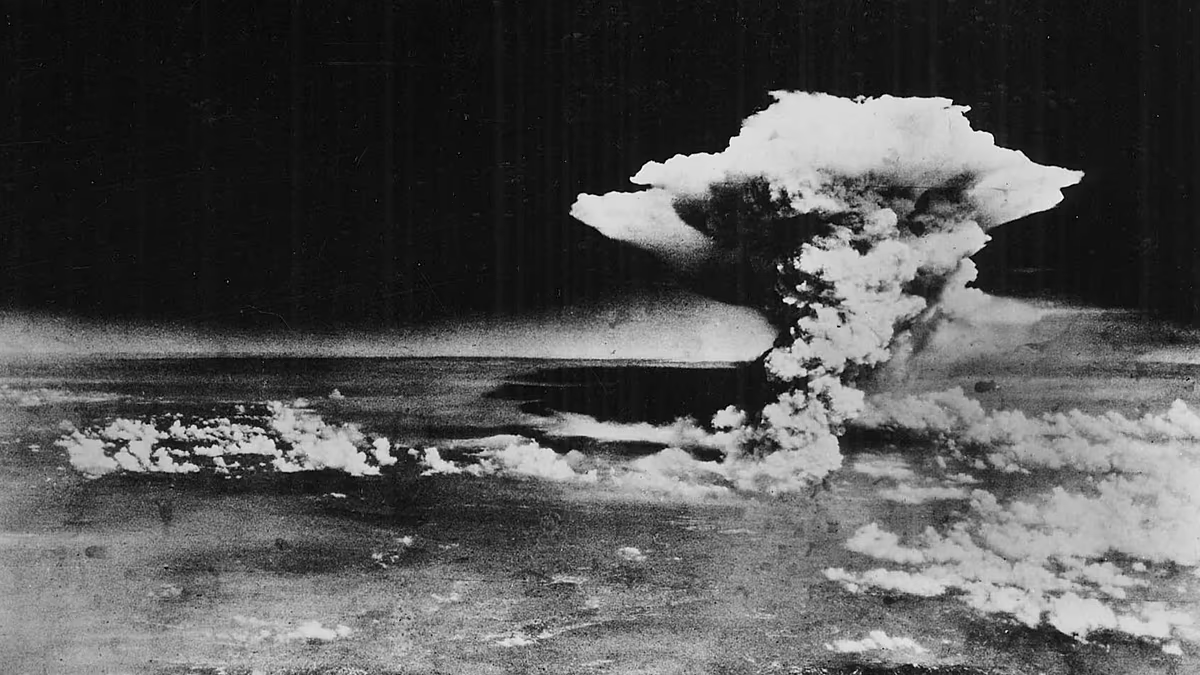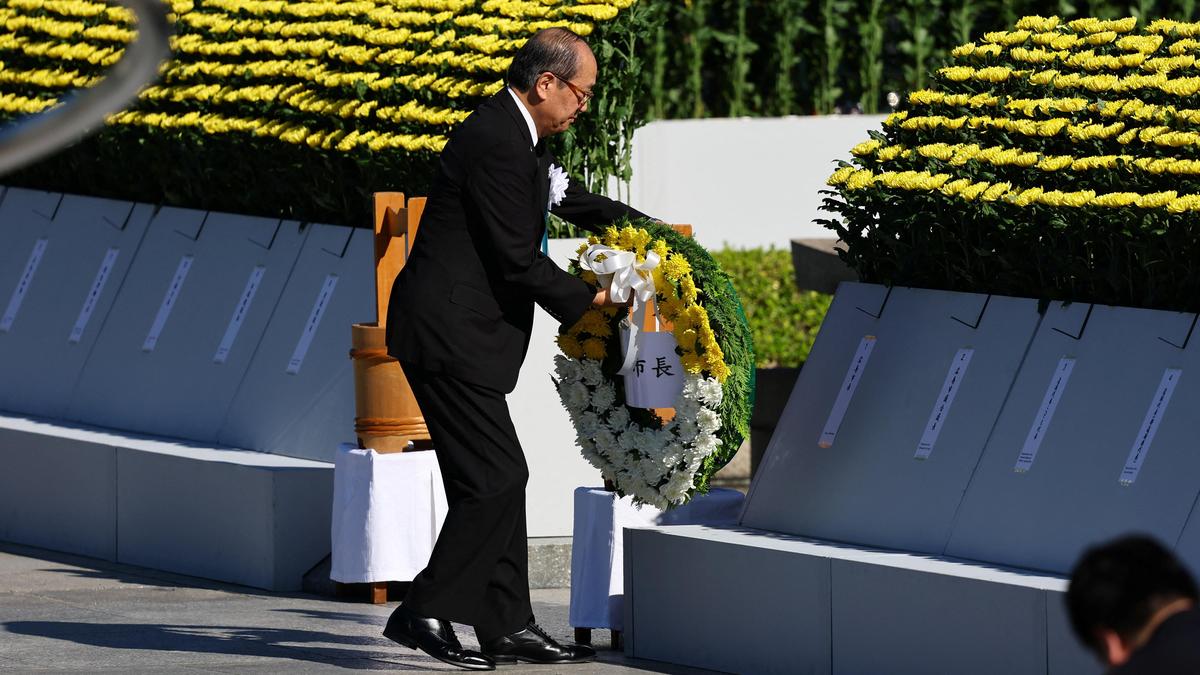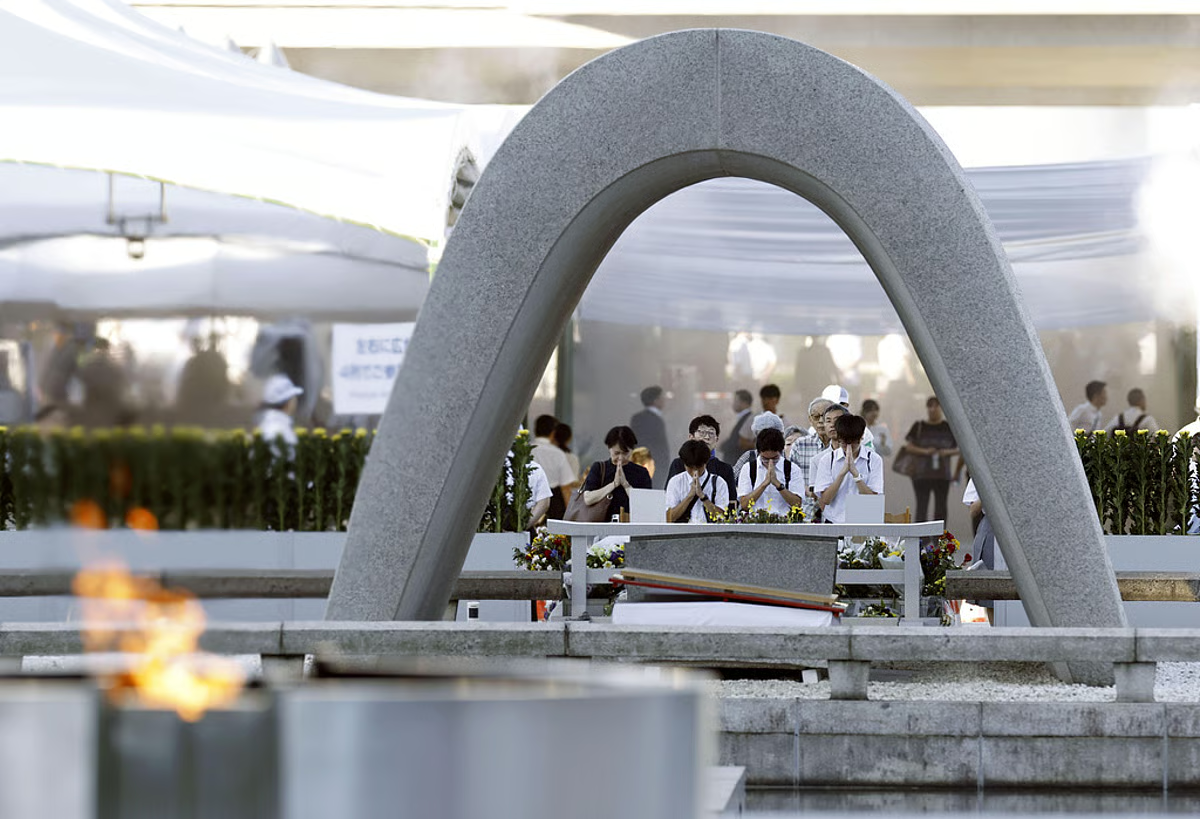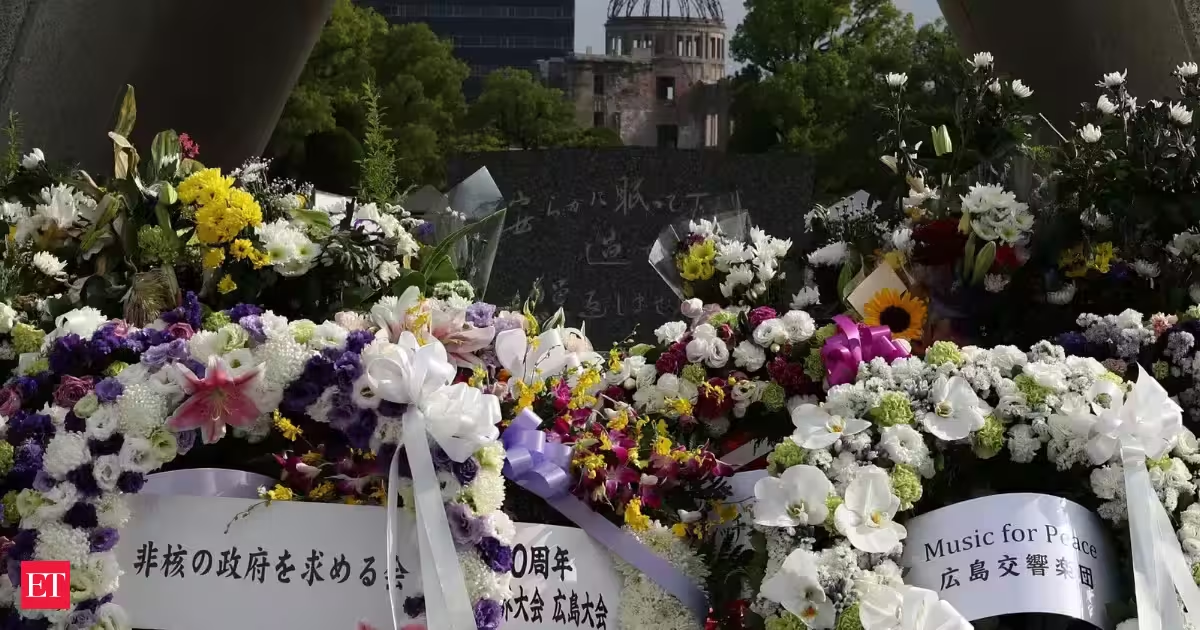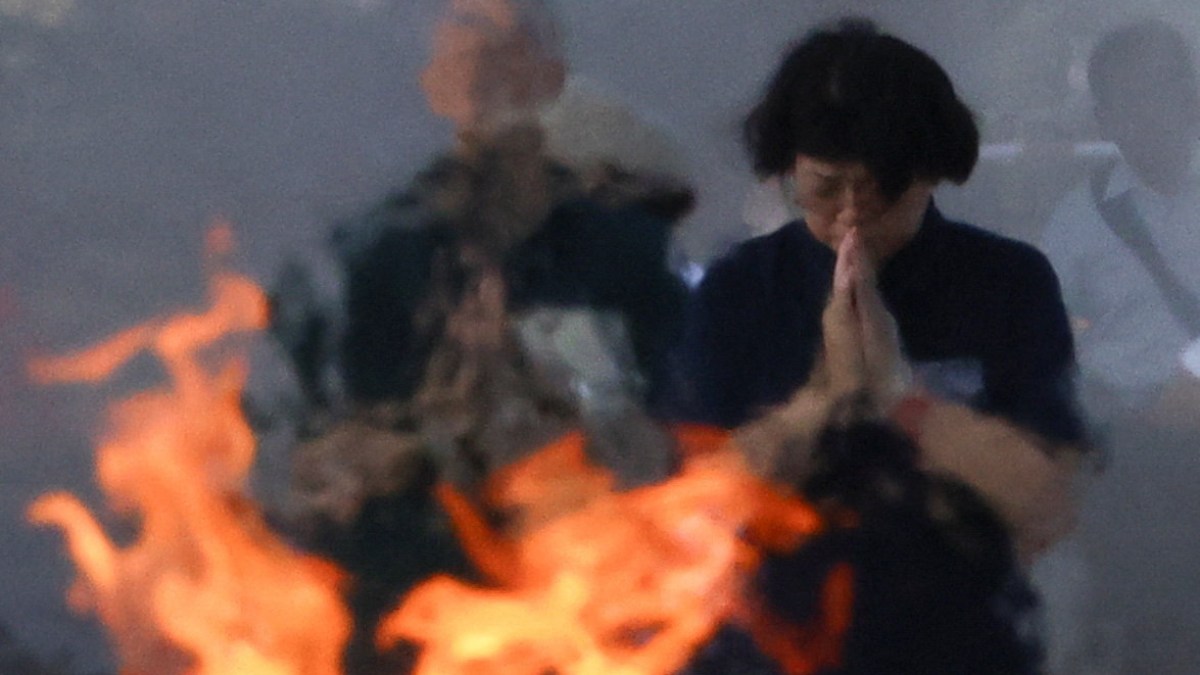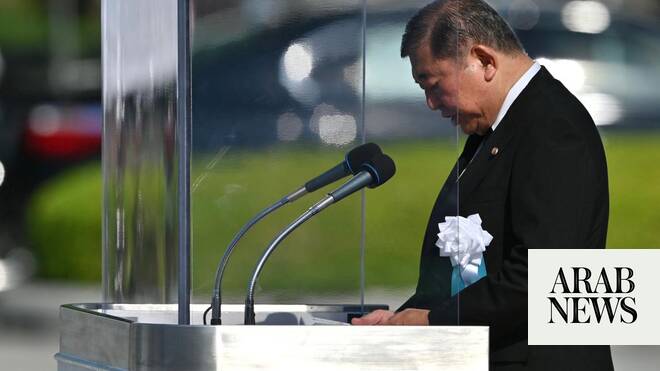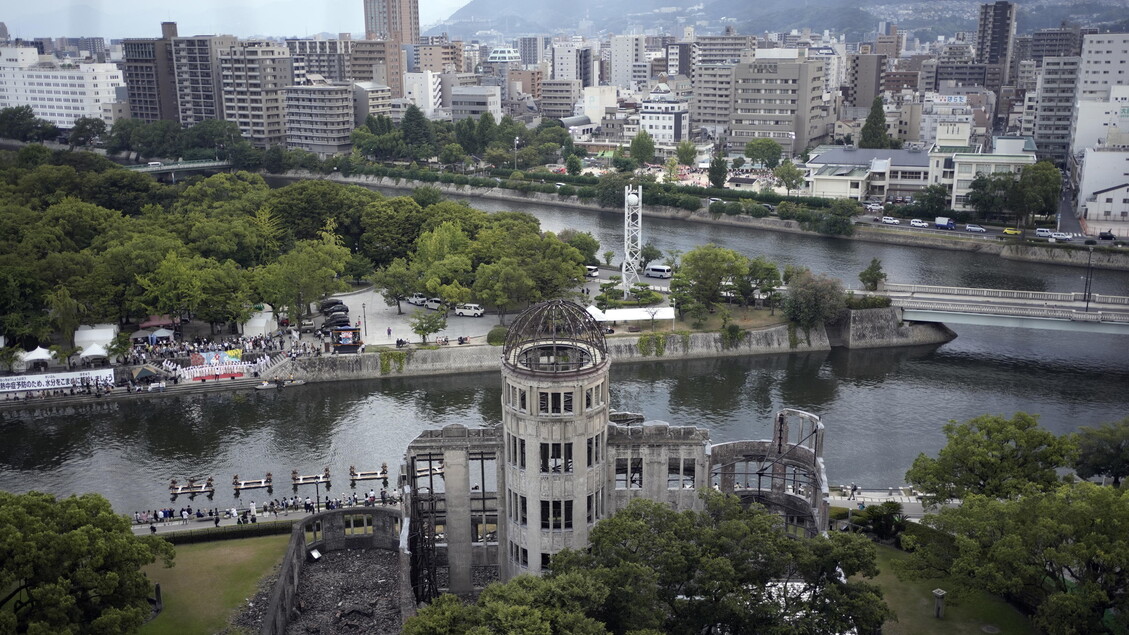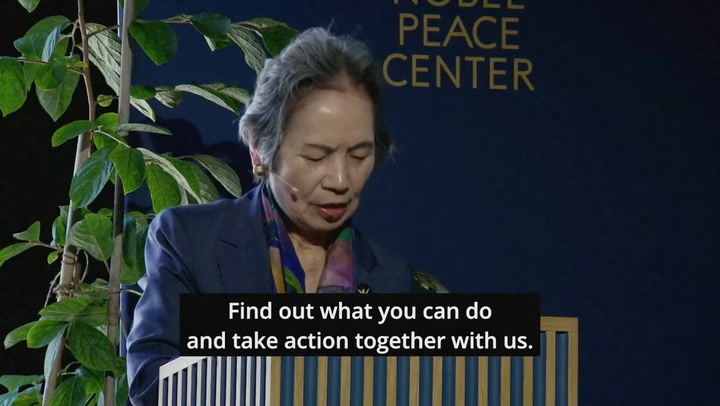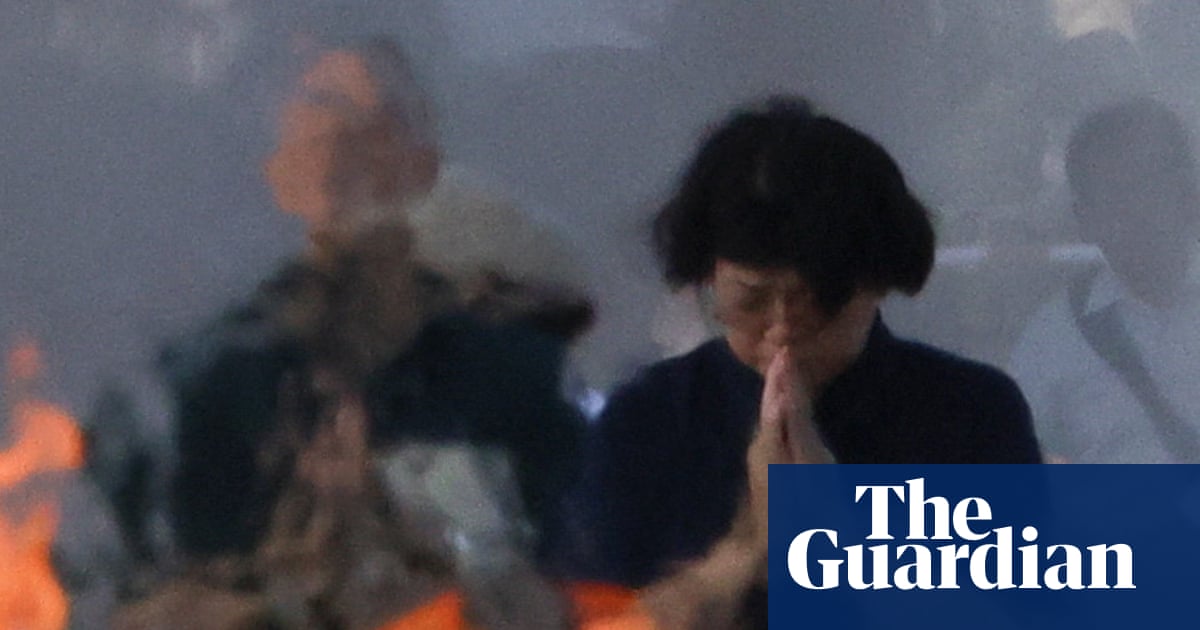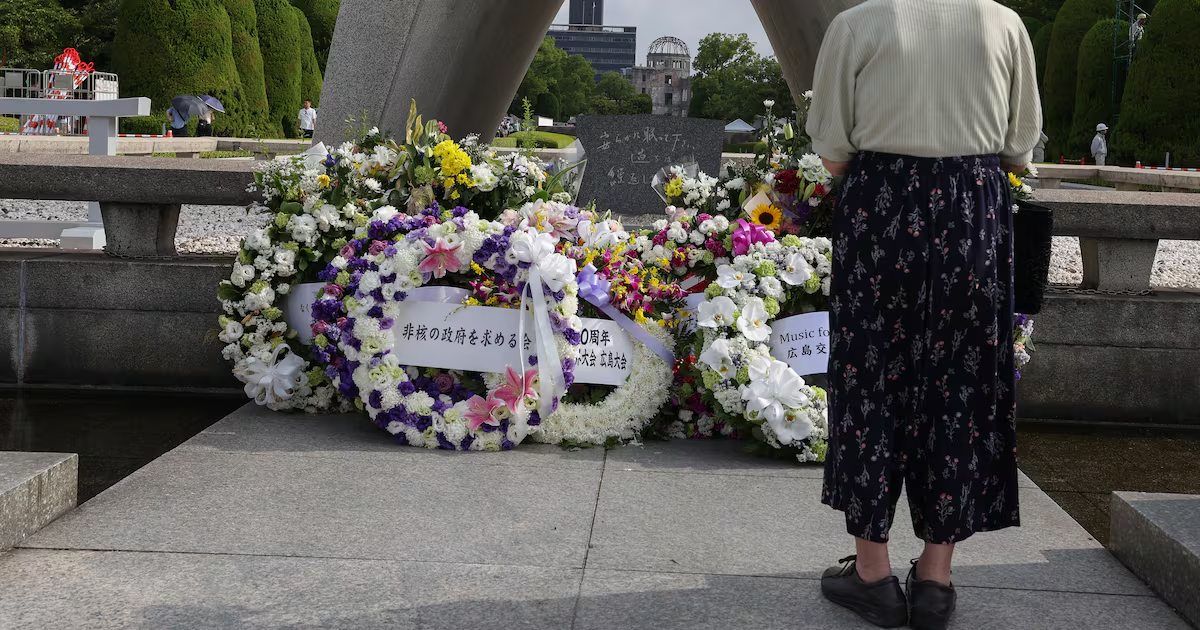
As Hiroshima marks Thursday’s 80th anniversary of the dropping of the atomic bomb by the US on the city, remembering the more than 72,000 who died, the “Doomsday Clock” counting down the tide of man-made threats to humanity, registers 85 seconds to midnight. Never before, the nuclear scientists who conceive of the clock say, has humankind been so close to self-extinction. The last year has not been good. There has been a resumption of the nuclear arms race and repudiation of non-proliferation efforts, disruptive technologies like artificial intelligence (AI), multiple biological security concerns, and the climate crisis. While nuclear non-proliferation has held, by and large, with only nine states in possession of nuclear arsenals, leaders in countries like Poland, Saudi Arabia, South Korea, Turkey, Iran and even Japan openly debate going nuclear.Hiroshima Day is a call to worldwide action – for disarmament and against nuclear weapons. The unanswerable moral case against their development or use faces a formidable obstacle in the “consensus” over their ability to deter. Nuclear weapon possession constrains aggressors, the argument goes, with “mutually assured destruction” making nuclear war impossible. Public complacency has also set in over the years because precisely of the non-use of nuclear weapons, a complacency now being shaken by the fear that rogue regimes like North Korea, Iran, and even Pakistan may not feel so inhibited.Ireland and the 75 state parties to the Treaty on the Prohibition of Nuclear Weapons do not accept this argument. As former Minister Ciarán Cannon told the Dáil in 2019, when enacting legislating to allow the State to sign up to the treaty: “Ireland does not agree … that nuclear disarmament must wait until an ideal security environment is reached. Rather, the opposite is true – the retention of nuclear weapons, and in particular the threat of a renewed arms race, is itself a driver of insecurity and risk, while nuclear disarmament is an enabler of an improved security environment.”
The Irish Times view on the Hiroshima anniversary: a worldwide call to action
The 80th anniversary of the bombing falls as new nuclear risks face the world
322 words~1 min read