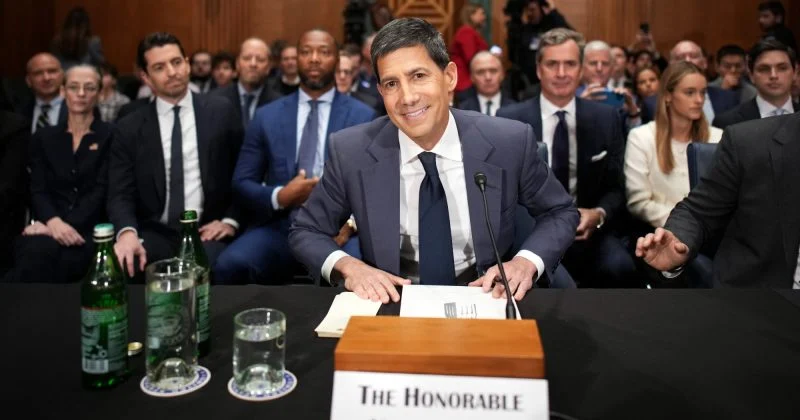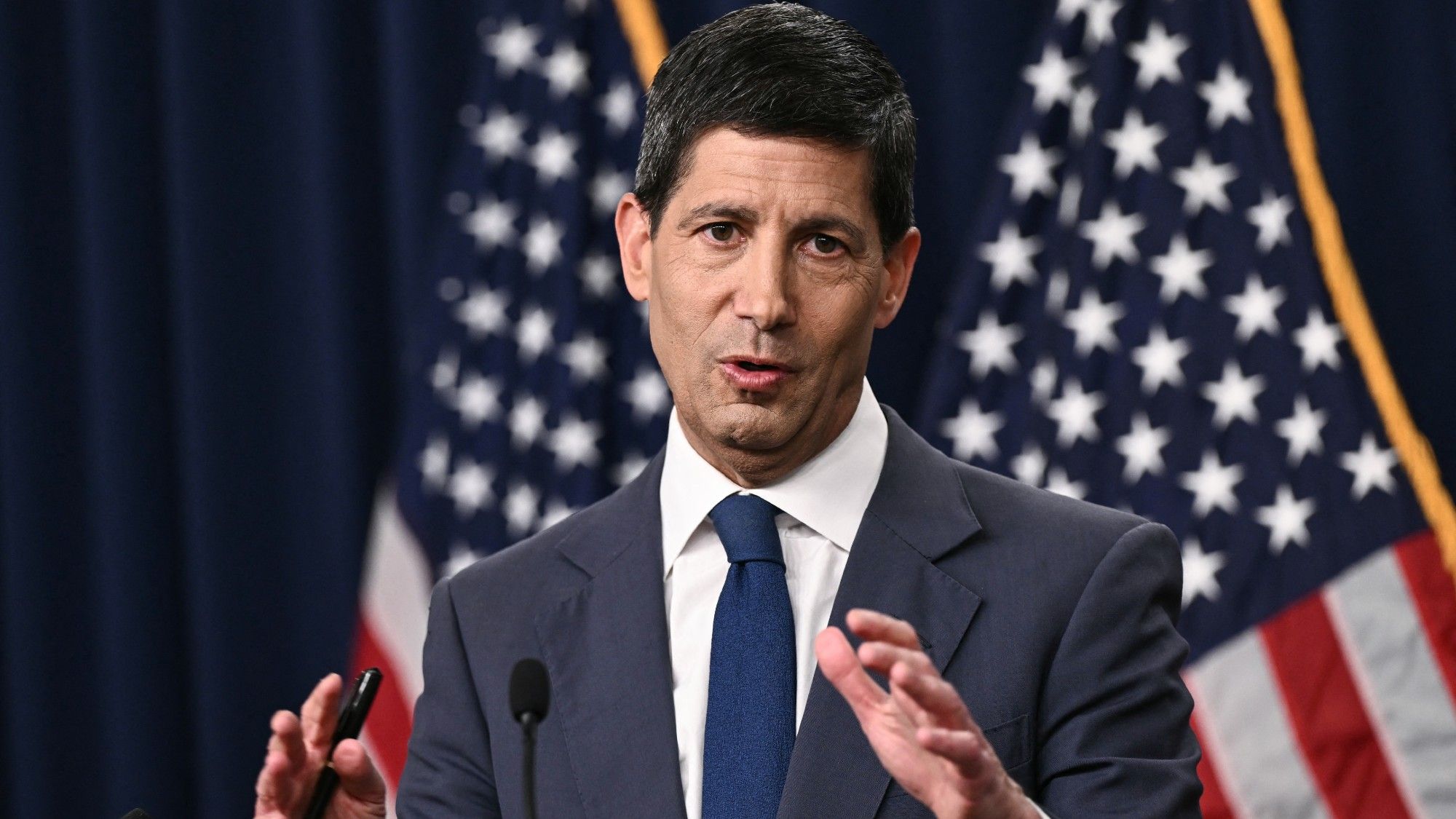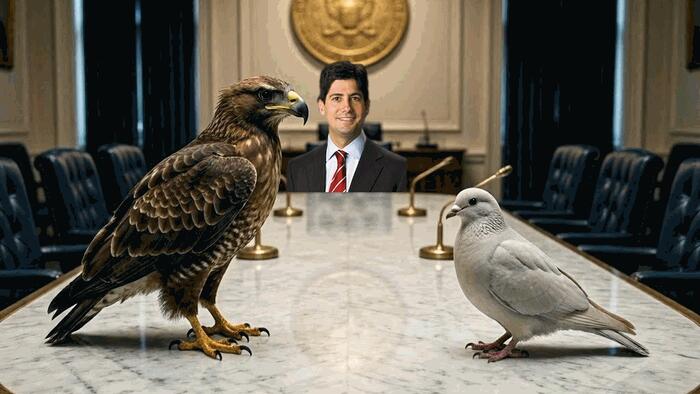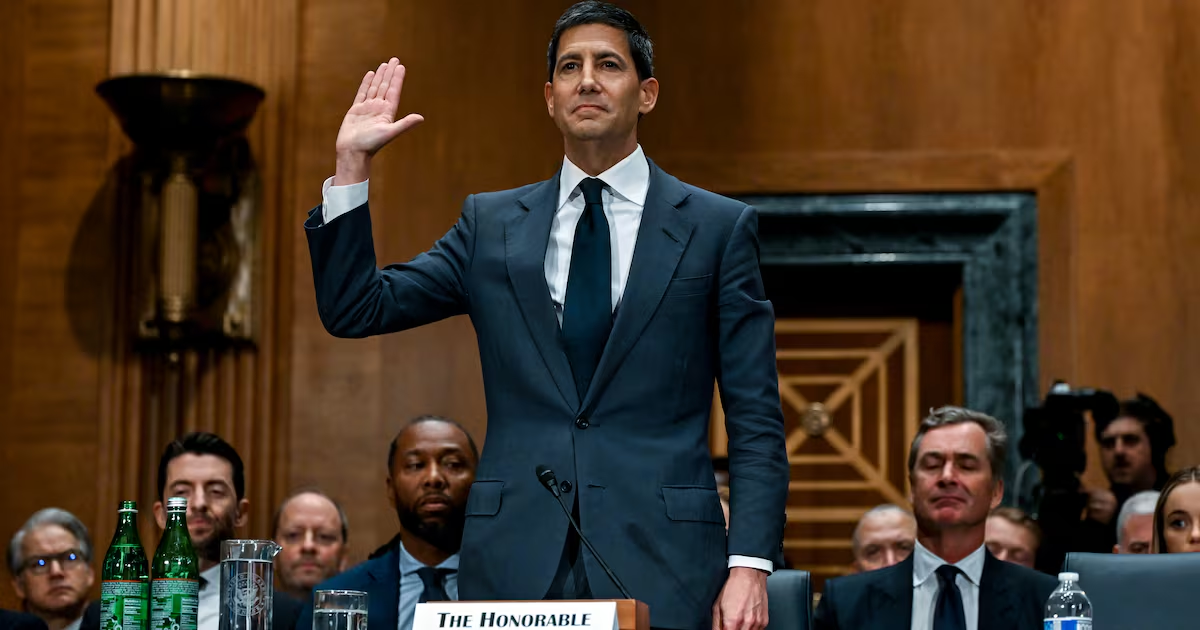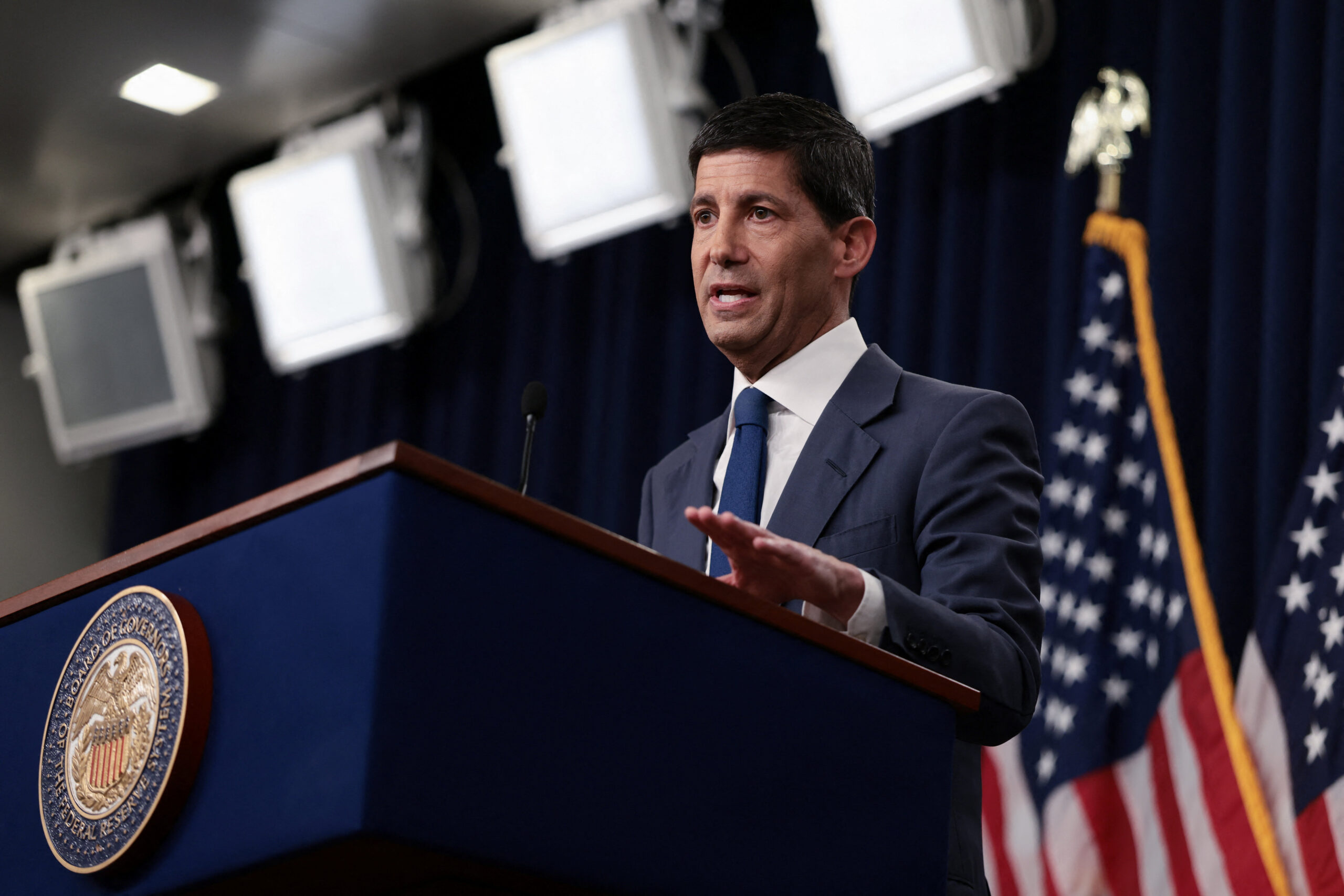
NEW YORK—When questioned about future rates in his April confirmation hearing to lead the Federal Reserve, Kevin Warsh answered that “unlike many of my colleagues past and present, I don’t believe in forward guidance.” The term refers to a central bank’s practice of either committing to future policy actions by “tying itself to a mast,” or of at least providing hints about its future intentions. Staying true to his word, in the first months of his term, Warsh has cut the length of Federal Open Market Committee (FOMC) statements by providing fewer details about inflation and employment and limiting signaling about future rates.
When the Federal Reserve began forward guidance in the early 2000s, it served an important purpose in managing market expectations. The guidance helped avoid a liquidity trap, in which businesses and consumers hoard cash, when nominal interest rates were near zero. Since then, the communication tool has gathered many supporters, who have cited better monetary policy transmission, more accountability, and less-sudden price jumps as benefits. However, among other consequences, it has suppressed volatility—a side effect upon which markets now rely. But, suppressed volatility does not disappear entirely; it accumulates.