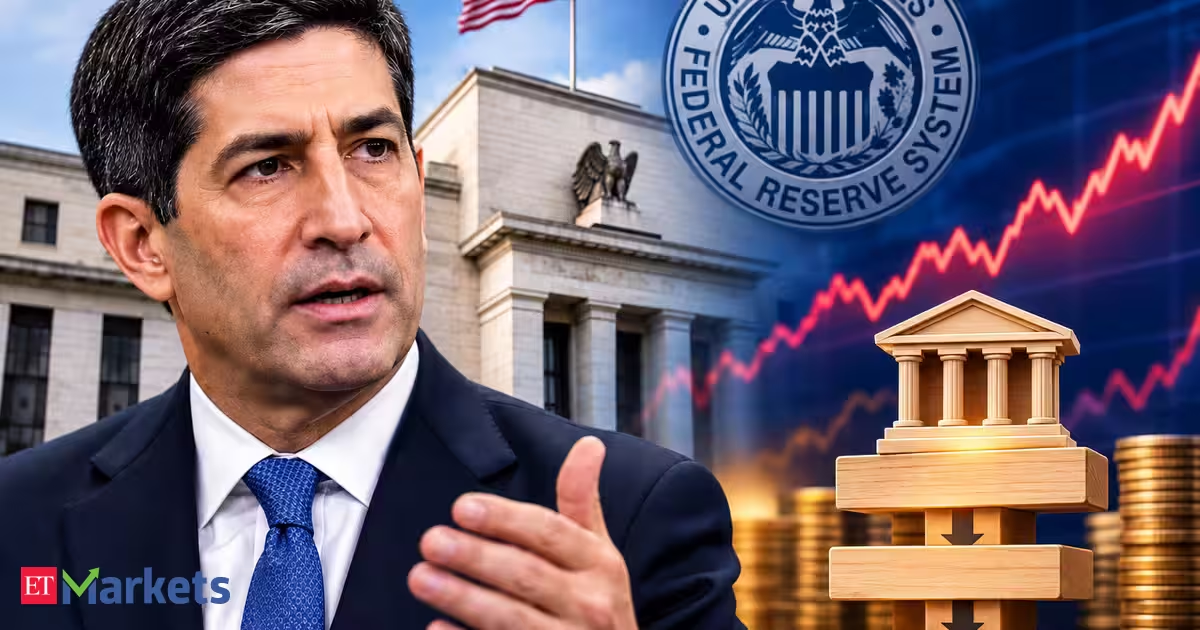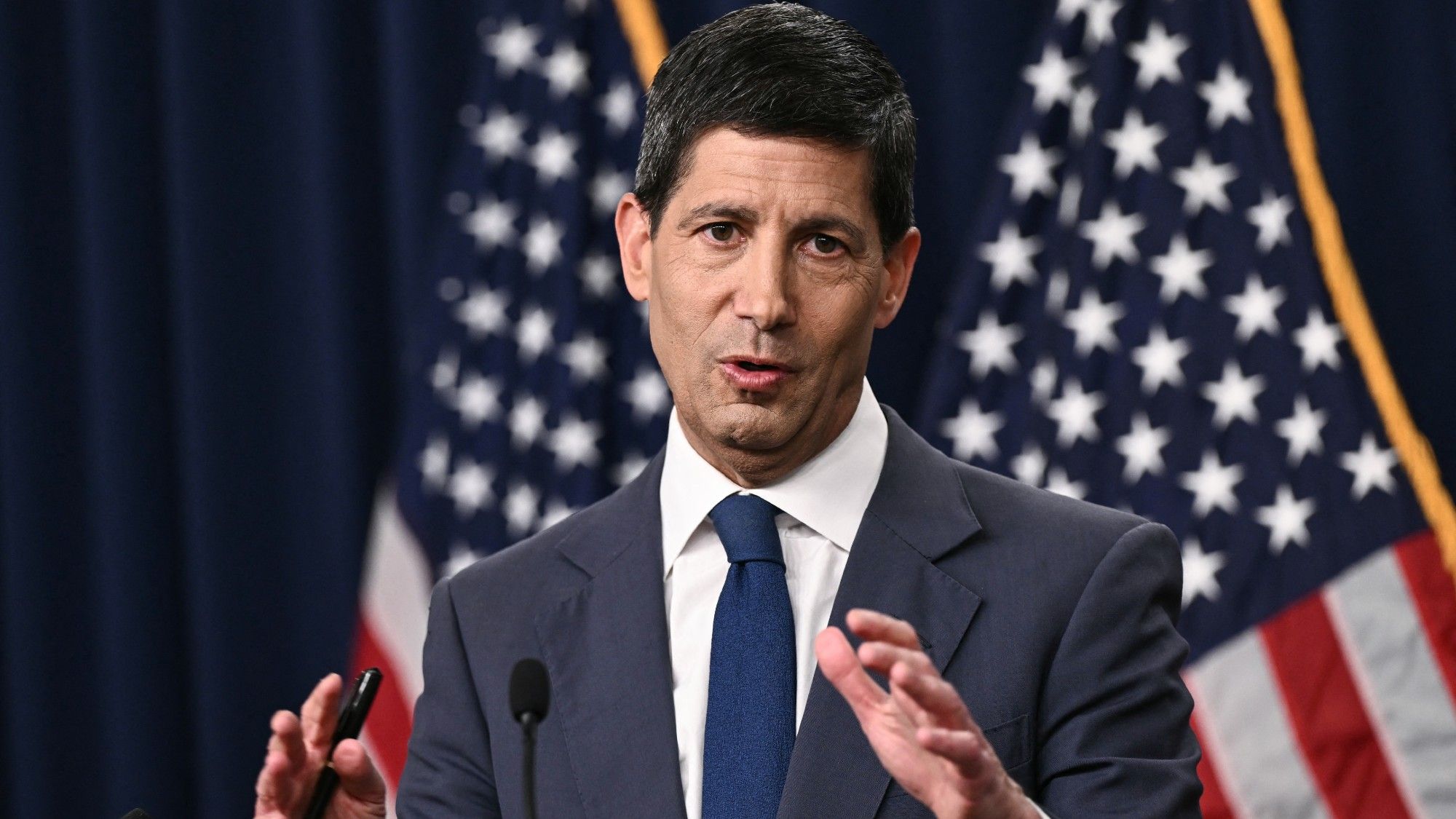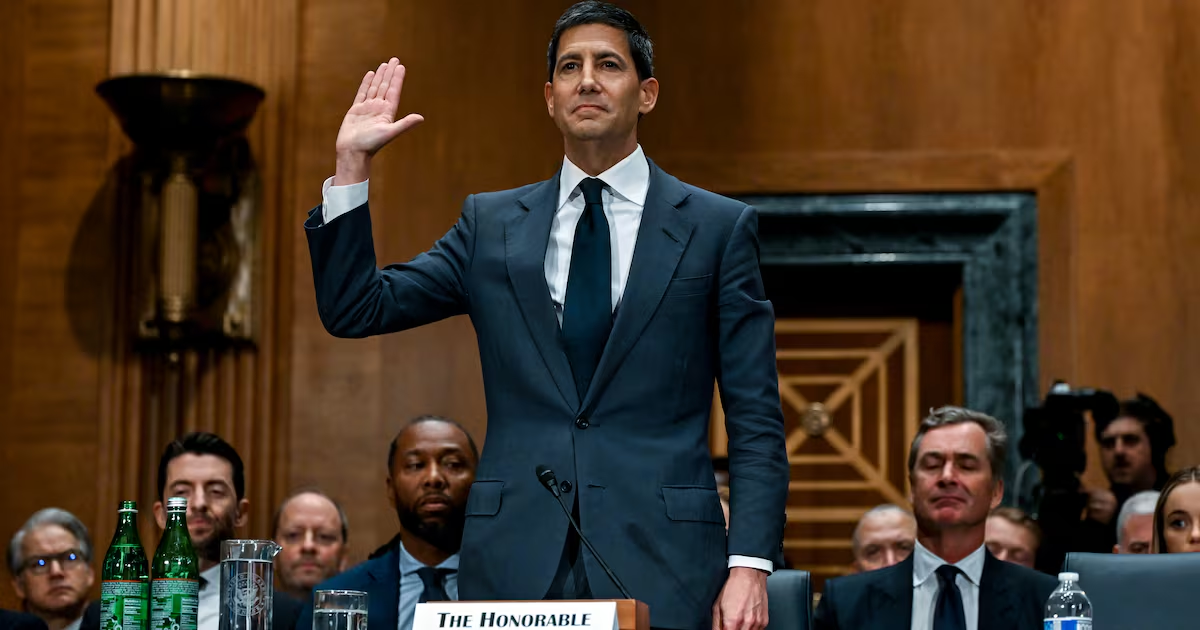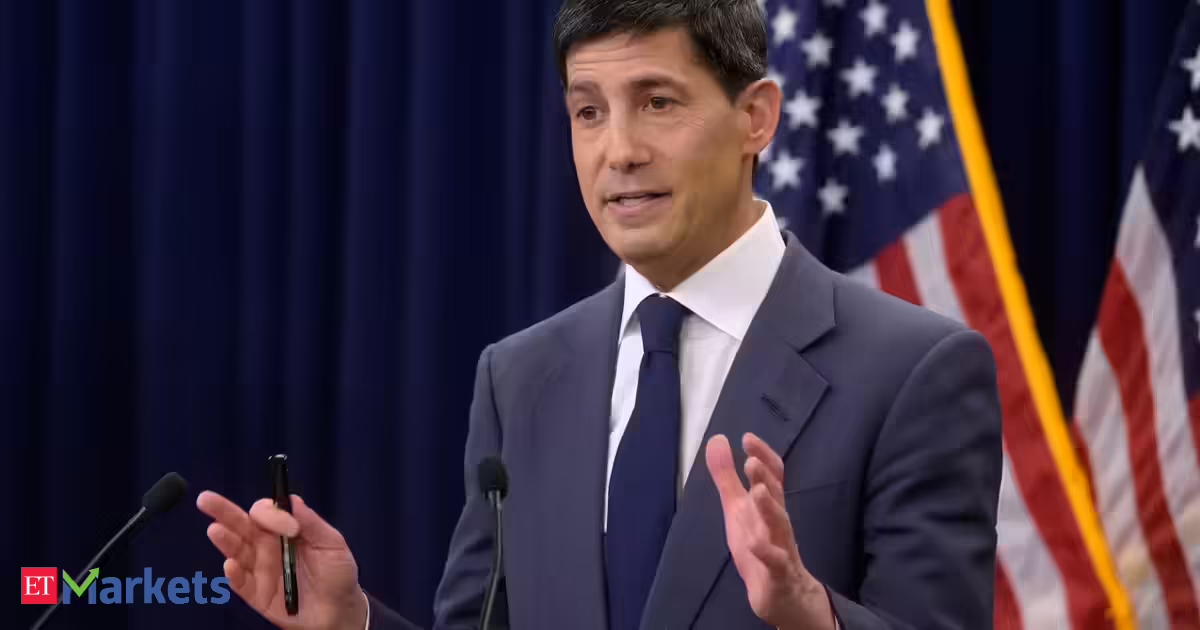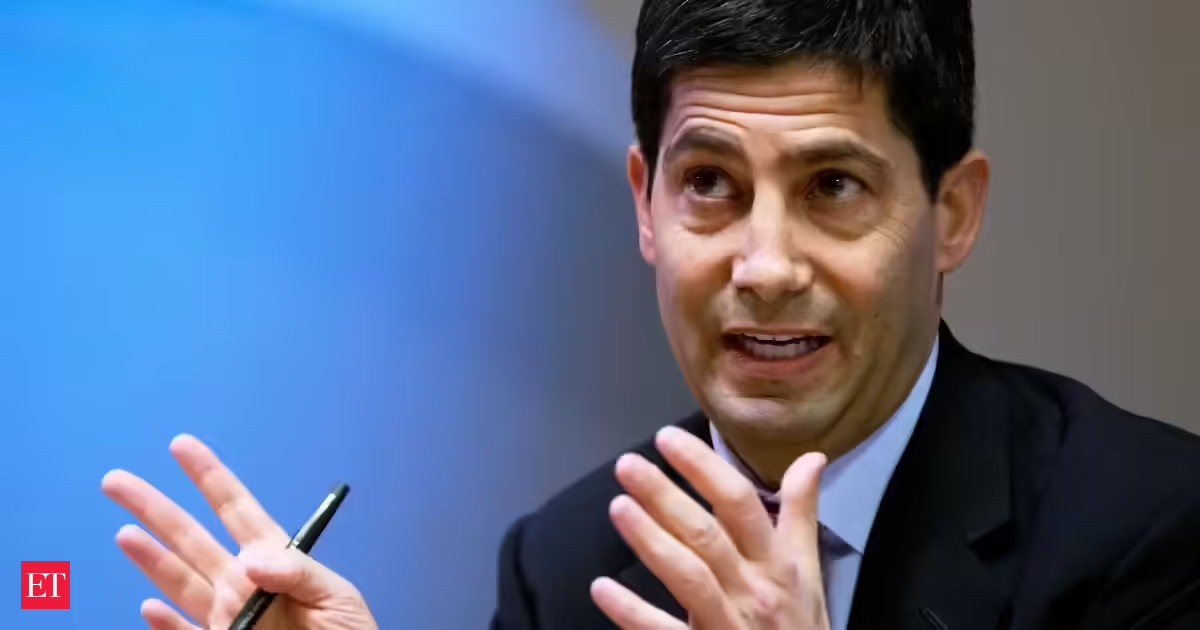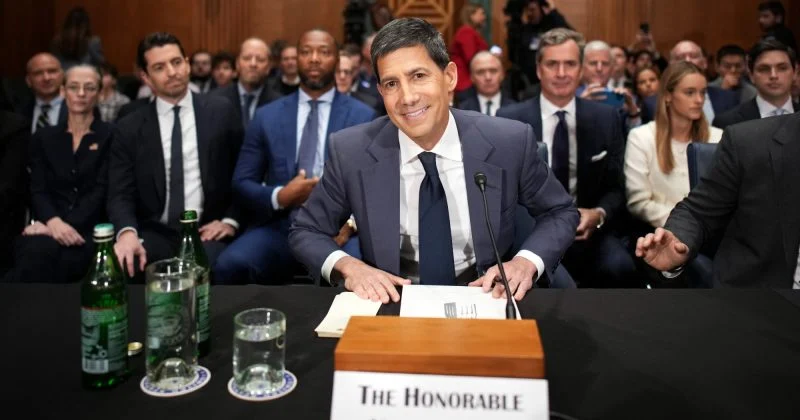
Kevin Warsh has been running the Federal Reserve for roughly three months, and he’s already ripping out one of the central bank’s most familiar tools. At the June 17, 2026 FOMC meeting, the committee’s policy statement arrived without the forward-looking language that markets have relied on for over a decade. The era of the Fed telling you what it plans to do next is, at least for now, over.
Warsh didn’t stop there. He also declined to submit his own interest-rate projection in the quarterly dot plot, the chart where each Fed official places their best guess for where rates are headed.
What forward guidance actually does, and why Warsh wants it gone
Forward guidance is the practice of central banks signaling their likely future policy moves. The idea, popularized after the 2008 financial crisis, was that clarity about future intentions would reduce uncertainty and help the economy run smoother.
Warsh has publicly argued that forward guidance handcuffed the Fed during the pandemic-era inflation surge, making it harder to pivot when prices started climbing faster than anyone expected. In his view, the Fed was so committed to its stated path that it couldn’t react quickly enough to new data.