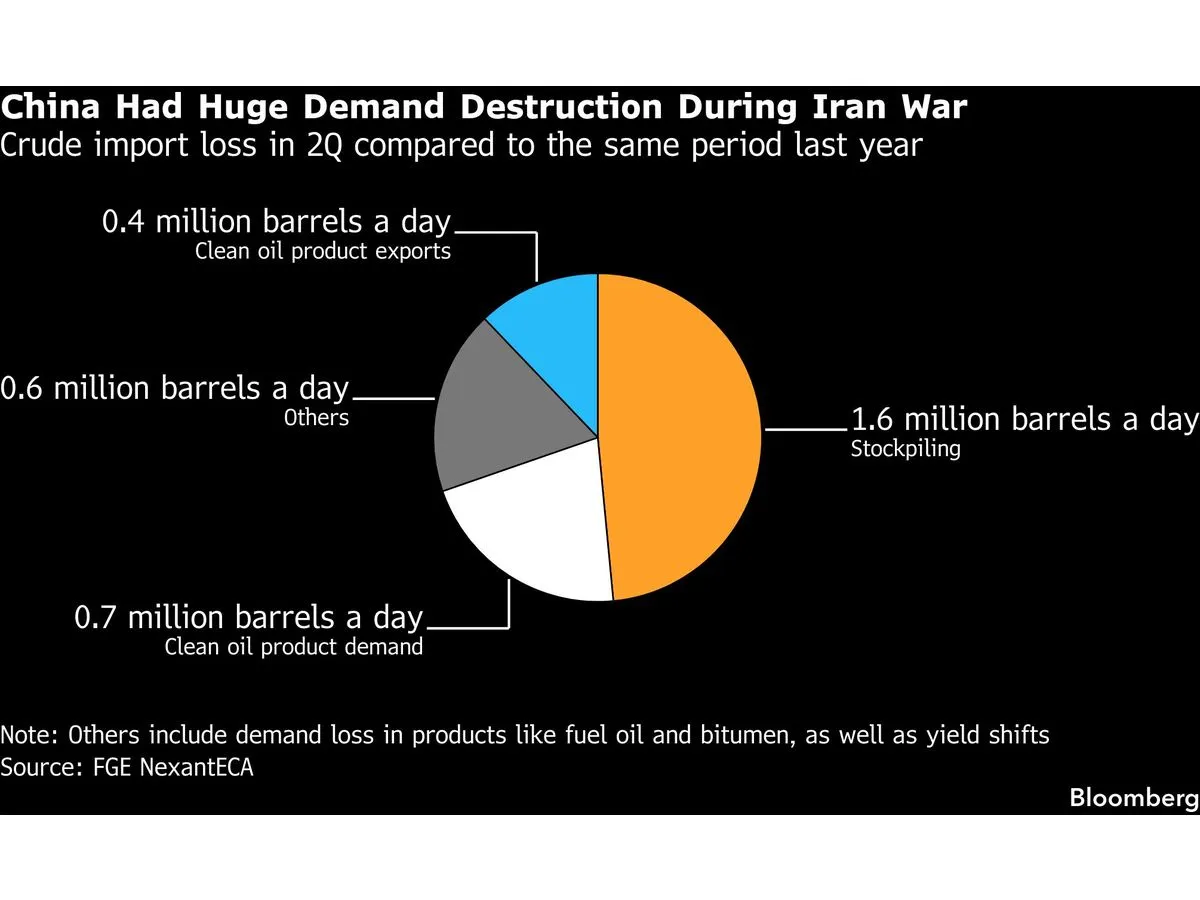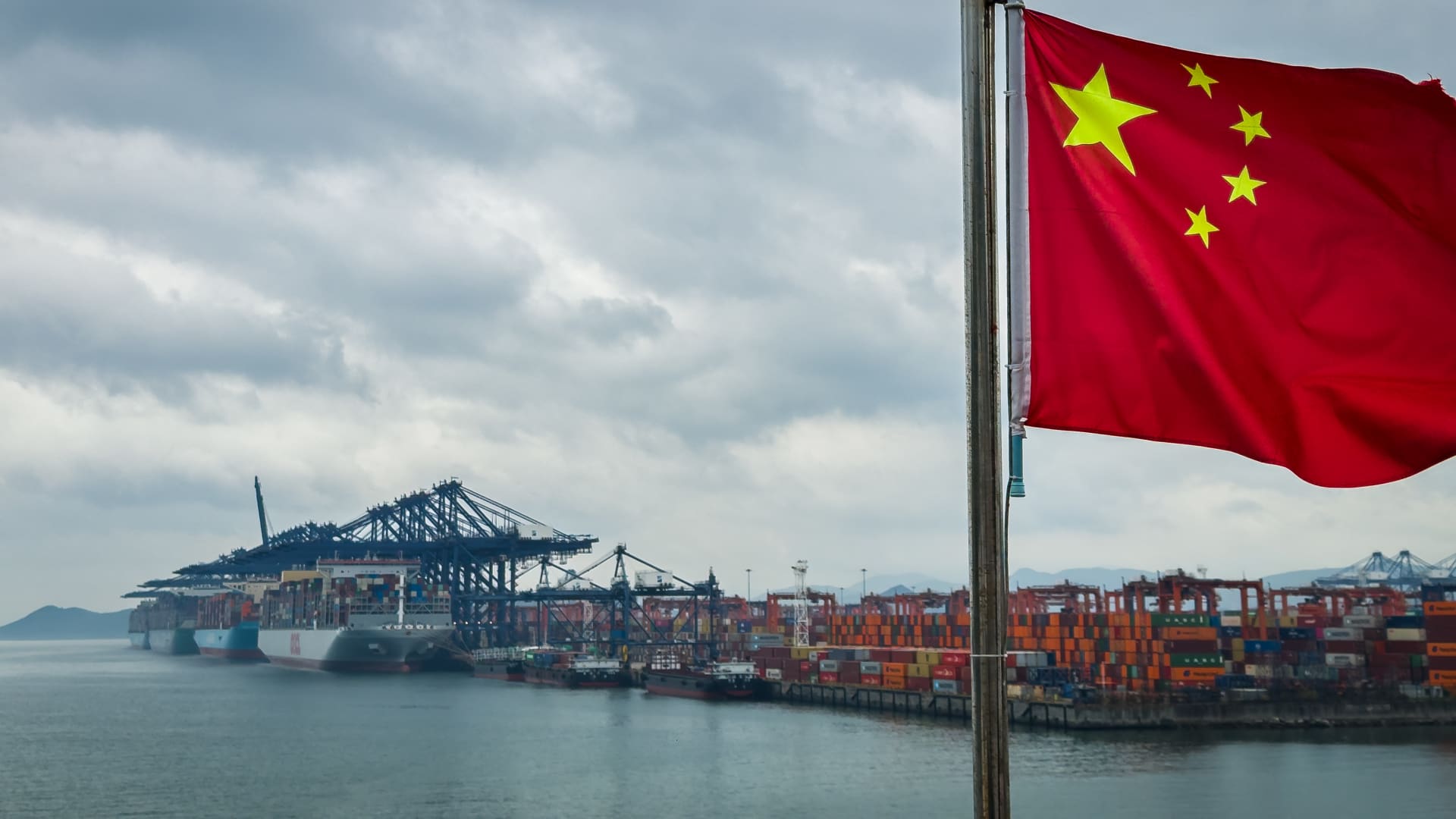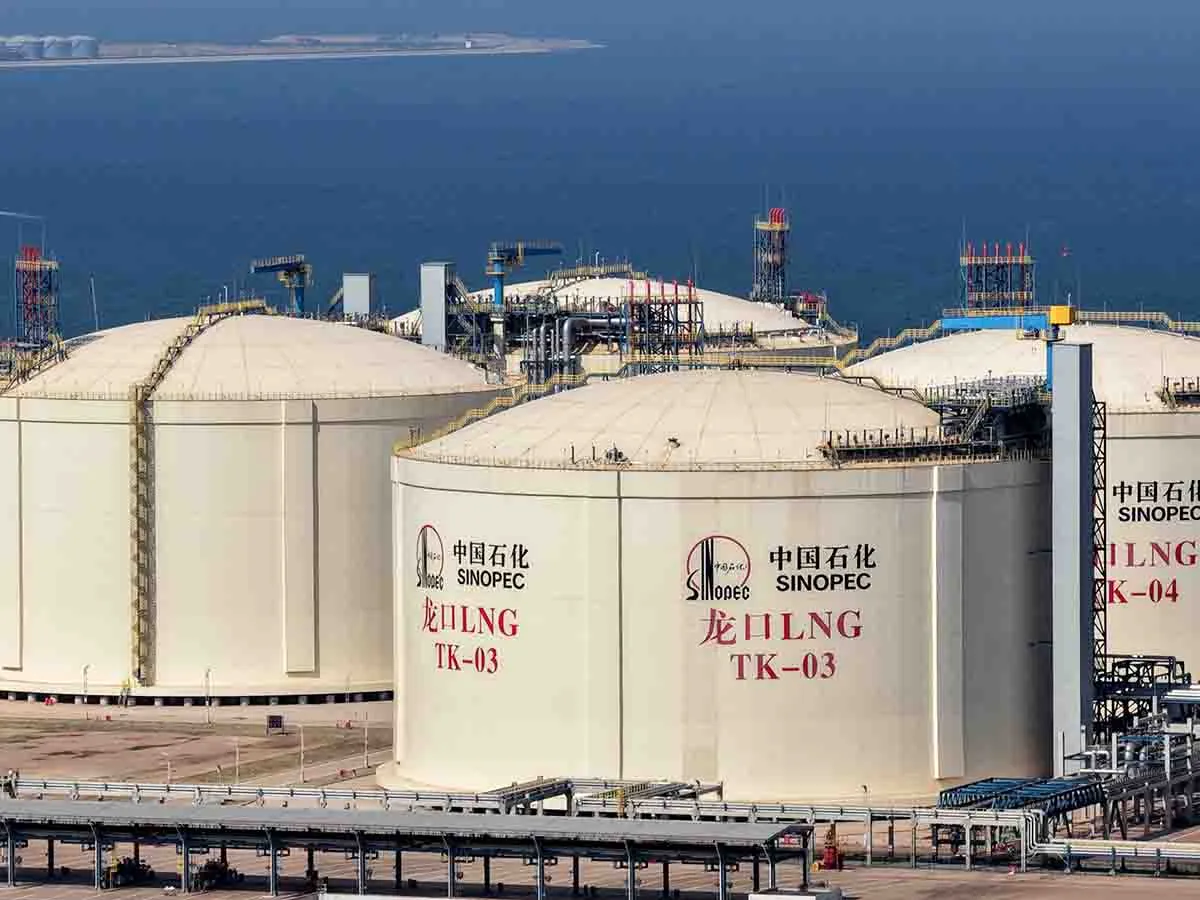
Skip to Content News Archives Economy Energy Oil & Gas Renewables Electric Vehicles Mining Commodities Agriculture Real Estate Mortgages Mortgage Rates Finance Banking Insurance Fintech Cryptocurrency Work Wealth Smart Money Wealth Management Investor Personal Finance Family Finance Retirement Taxes High Net Worth FP Comment Executive Women Puzzmo Newsletters Financial Times Business Essentials More Innovation Information Technology FP500 Podcasts Small Business Lives Told Tails Told Shopping Financial Post Store Obituaries Place a Notice Advertising Advertising With Us Advertising Solutions Postmedia Ad Manager Sponsorship Requests Classifieds Place a Classifieds ad Working Profile Settings My Subscriptions Saved Articles My Offers Newsletters Customer Service FAQ News Economy Energy Mining Real Estate Finance Work Wealth Investor FP Comment Executive Women Puzzmo Newsletters Financial Times Business Essentials HomeNewsPosthaste: How China helped shield the world from an even worse oil price shockColossal drop in imports called the 'Beijing Swing'Last updated 9 minutes ago You can save this article by registering for free here. Or sign-in if you have an account.Tanks are seen at a Sinopec Company oil and LNG storage and transportation base in Longkou, Shandong province, eastern China, on Aug. 2, 2026. Photo by AFP via Getty ImagesSubscribe now to read the latest news in your city and across Canada.Exclusive articles from Barbara Shecter, Joe O'Connor, Gabriel Friedman, and others.Daily content from Financial Times, the world's leading global business publication.Unlimited online access to read articles from Financial Post, National Post and 15 news sites across Canada with one account.National Post ePaper, an electronic replica of the print edition to view on any device, share and comment on.Daily puzzles, including the New York Times Crossword.Subscribe now to read the latest news in your city and across Canada.Exclusive articles from Barbara Shecter, Joe O'Connor, Gabriel Friedman and others.Daily content from Financial Times, the world's leading global business publication.Unlimited online access to read articles from Financial Post, National Post and 15 news sites across Canada with one account.National Post ePaper, an electronic replica of the print edition to view on any device, share and comment on.Daily puzzles, including the New York Times Crossword.Create an account or sign in to continue with your reading experience.Access articles from across Canada with one account.Share your thoughts and join the conversation in the comments.Enjoy additional articles per month.Get email updates from your favourite authors.Create an account or sign in to continue with your reading experience.Access articles from across Canada with one accountShare your thoughts and join the conversation in the commentsEnjoy additional articles per monthGet email updates from your favourite authorsSign In or Create an AccountorIf not for China, the oil price shock from the Iran war that continues to jolt the world would have been worse, says a new report from Toronto-Dominion Economics.“China is an important part of the story,” said Marc Ercolao, an economist at TD, in the report on Wednesday, referring to steps taken by the world’s second-largest economy to cut back crude oil imports by an amount equal to approximately five per cent of global demand, helping to “offset some supply pressures over the past year.”China is the world’s top importer of crude oil. Imports, which averaged about 45 million tonnes a month over the last five years, fell off a cliff to just under 30 million tonnes at the end of June, according to Bloomberg data.Breaking business news, incisive views, must-reads and market signals. Weekdays by 9 a.m.By signing up you consent to receive the above newsletter from Postmedia Network Inc.A welcome email is on its way. If you don't see it, please check your junk folder.The next issue of Posthaste will soon be in your inbox.We encountered an issue signing you up. Please try againOil markets expert Rory Johnston, founder of research company Commodity Context, called the colossal drop in China’s imports the “Beijing Swing” in a note on Wednesday, and said that China accomplished the cut by ratcheting back crude oil refining along with a change in its policy regarding strategic reserve stockpiling.That move — either a natural reaction of the Chinese markets or a policy decision on the part of the country’s leaders — helped to save the global oil market, Johnston said.However, the breathing space, including that provided by China, could close, Ercolao warned.The worst of the shock has also been kept at bay as producers such as Saudi Arabia rerouted barrels of oil, strategic reserves were released in massive quantities and higher prices killed off some demand.“That resilience comes with an important caveat moving forward, in that many of the shock absorbers that helped stabilize the market are temporary or exhaustible,” Ecrolao said.For example, the United States’s strategic petroleum reserves have fallen to their lowest levels since 1983, while the Organization for Economic Co-operation and Development reserves sit below pre-pandemic “norms.” The longer global oil holdings are stretched, the less flexibility the world will have to respond should the crisis enveloping Middle East shipping routes persist or expand.But the weaknesses don’t end there.There are also shortages in the gasoline and diesel markets, with stocks of both sitting below their five-year averages, Ercolao said, adding that this matters because it’s where inflation typically hits the hardest.Similar to strategic reserves, China could also prove to be a temporary “shock absorber” if refiners there decide to ramp up production or beef up reserves, Ercolao said.“It could create a meaningful new source of demand just as global balances tighten,” he said. “One of the adjustments that helped absorb the initial shock could become a source of future pressure.” Sign up here to get Posthaste delivered straight to your inbox.In the Bank of Canada Business Outlook Survey for the second quarter, 30 per cent of respondents said they planned to increase spending on machinery and equipment over the next 12 months, the highest reading since Donald Trump become president of the United States.National Bank of Canada economist Jocelyn Paquet attributed some of that optimism to the expectation of easing trade tensions with the U.S., however, there’s a chance some of those promising intentions could fade, especially since the survey was done prior to Trump’s latest round of tariffs, set to roll out on Aug. 19.Still, Paquet said the reading could have more legs.“It is also possible that businesses are beginning to feel the effects of the federal government’s investment-stimulating efforts,” she said in a note on Tuesday, adding that “we also suspect that companies’ investment plans are currently being driven by spending on artificial intelligence.”The latest trade numbers support that theory, she said, as imports of computers and peripherals rose just over 55 per cent from May to June and are up 97 per cent for the second quarter.“After a slow start, AI investment finally seems to be taking off in Canada,” Paquet said.Today’s Data: U.S. Challenger job cuts, non-farm productivity, unit labour costs, initial and ongoing jobless claimsEarnings: Canadian Natural Rescources Ltd., Enerflex Ltd., Kelt Exploration Ltd., Quebecor Inc., Artemis Gold Inc., Medical Facilities Corp., Tiny Ltd., ATS Corp., Keyera Corp., Illumin Holdings Inc., Open Text Corp., AtkinsRealis Group Inc., Cascades Inc., Knight Therapeutics Inc., Paramount Resources Ltd., Orion Digital Corp., Premium Brands Holdings Corp.Miles plans to join his wife, Eileen, in retirement over the next few years. He’ll have to fund his non-working years with OAS, CPP and investments, unlike his spouse who has an indexed pension fund. Miles is wondering if the conservative investment strategy he has applied to his portfolio will see him through and provide the income he’s targeting. Read FP Answers here to find out more.Interested in energy? The subscriber-only FP West: Energy Insider newsletter brings you exclusive reporting and in-depth analysis on one of the country’s most important sectors.Are you worried about having enough for retirement? Do you need to adjust your portfolio? Are you starting out or making a change and wondering how to build wealth? Are you trying to make ends meet? Drop us a line at wealth@postmedia.com with your contact info and the gist of your problem and we’ll find some experts to help you out while writing a Family Finance story about it (we’ll keep your name out of it, of course).Want to learn more about mortgages? Mortgage strategist Robert McLister’s Financial Post column can help navigate the complex sector, from the latest trends to financing opportunities you won’t want to miss. Plus check his mortgage rate page for Canada’s lowest national mortgage rates, updated daily.Visit the Financial Post’s YouTube channel for interviews with Canada’s leading experts in business, economics, housing, the energy sector and more.Today’s Posthaste was written by Gigi Suhanic with additional reporting from Financial Post staff and Bloomberg.Have a story idea, pitch, embargoed report, or a suggestion for this newsletter? Email us at posthaste@postmedia.com.Bookmark our website and support our journalism: Don’t miss the business news you need to know — add financialpost.com to your bookmarks and sign up for our newsletters here Join the Conversation This website uses cookies to personalize your content (including ads), and allows us to analyze our traffic. Read more about cookies here. By continuing to use our site, you agree to our Terms of Use and Privacy Policy.
Posthaste: How China helped shield the world from an even worse oil price shock
If not for China, the oil price shock from the Iran war world have been worse, says a new report from Toronto-Dominion Economics. Read on.
1,509 words~7 min read