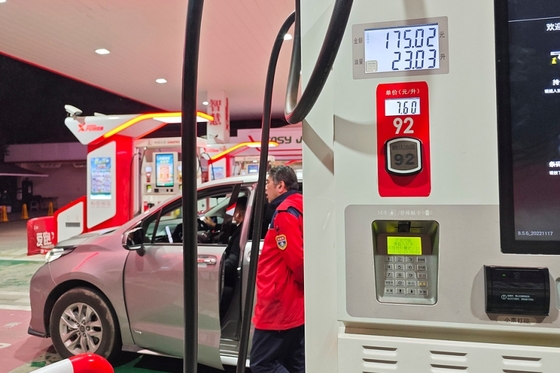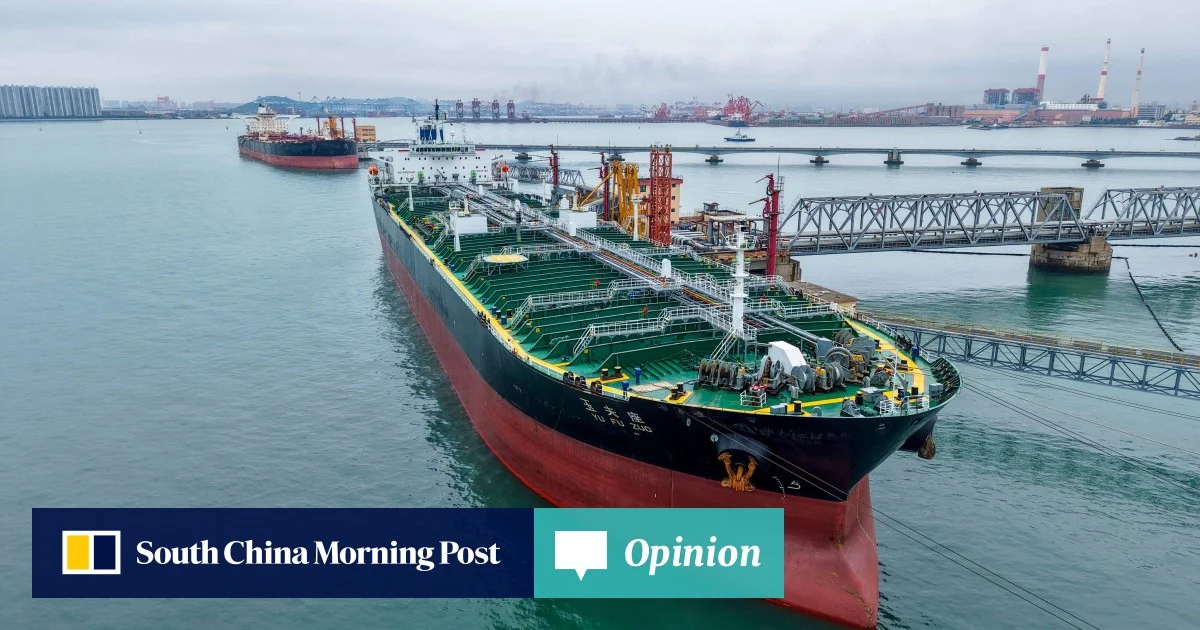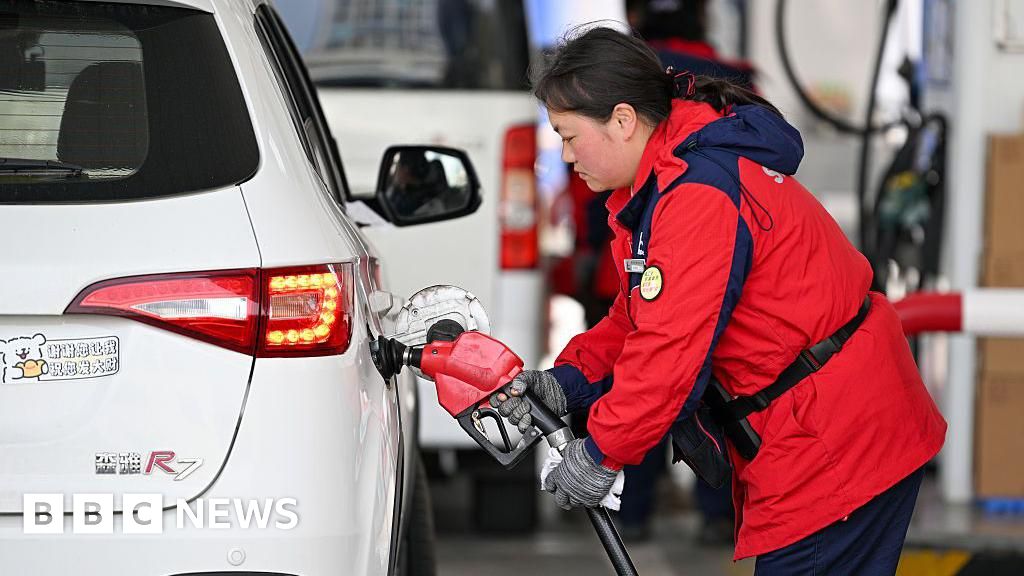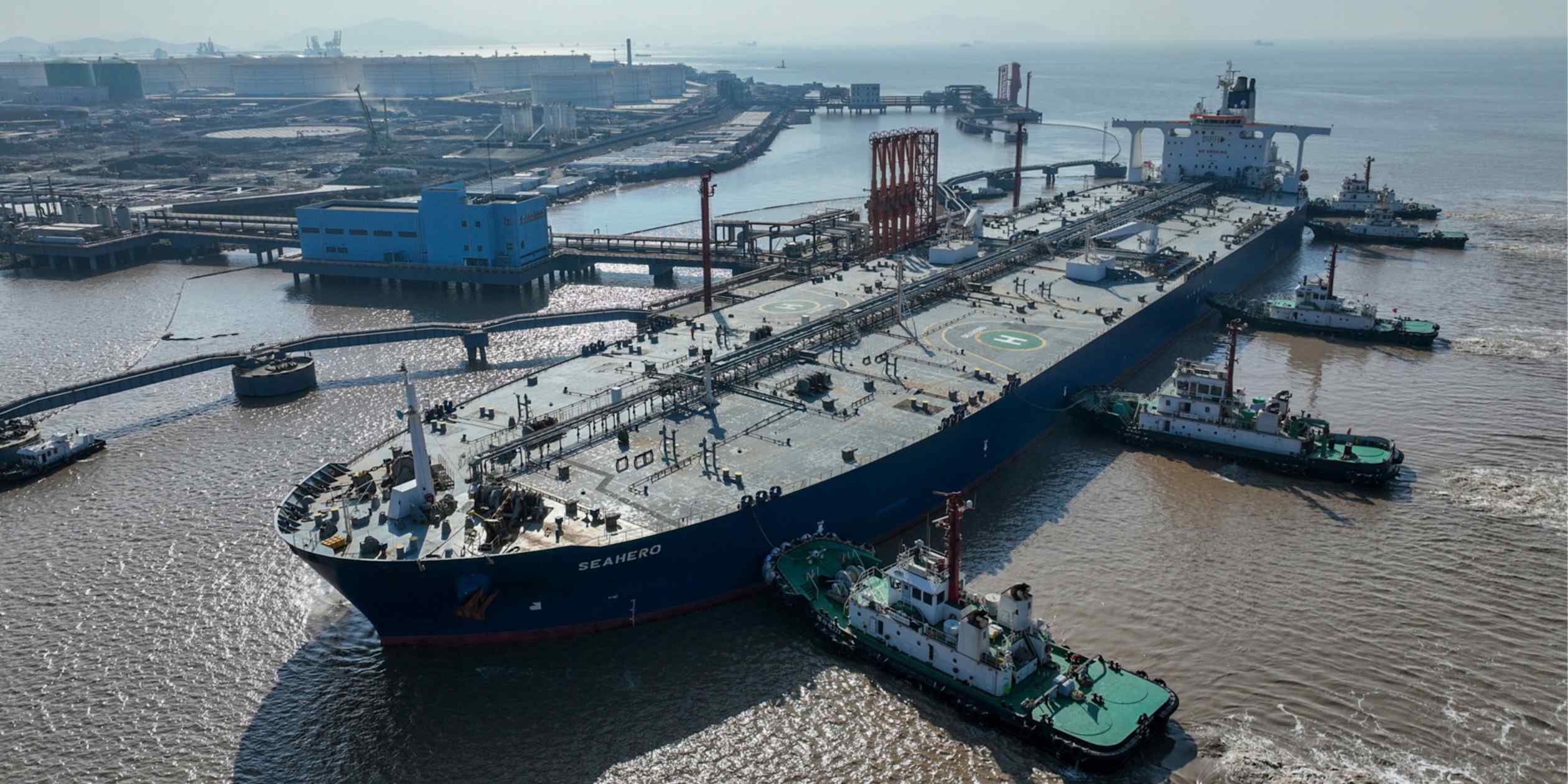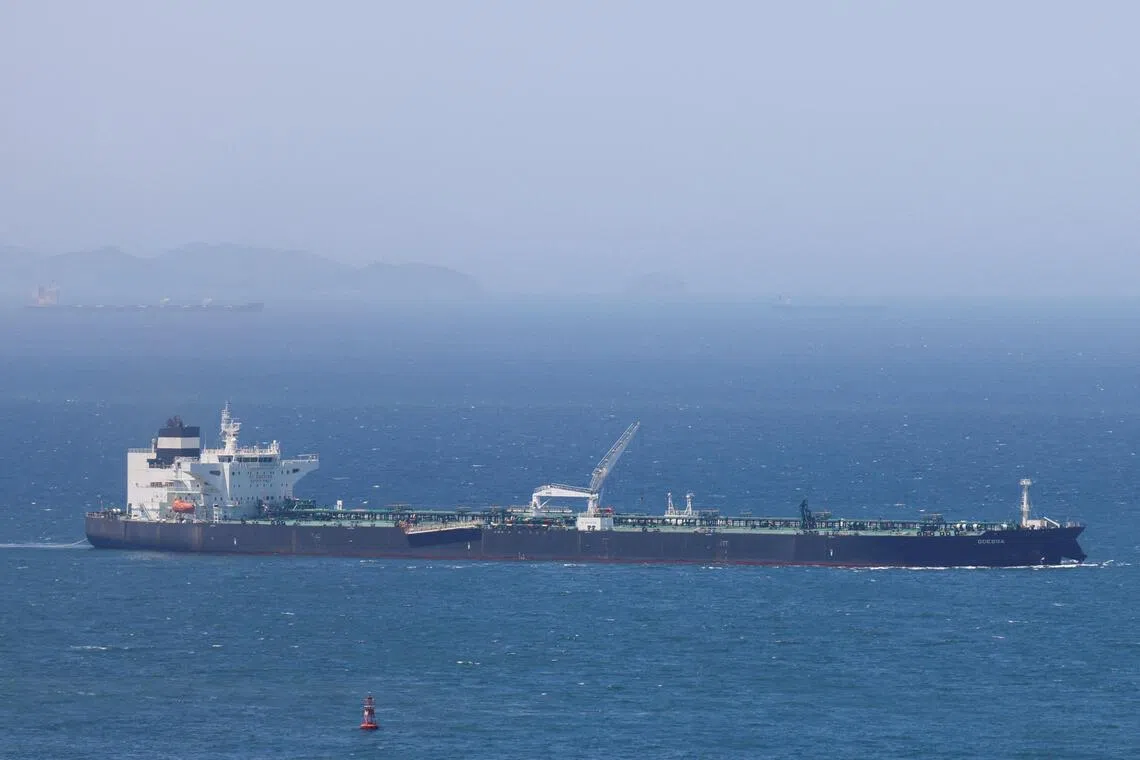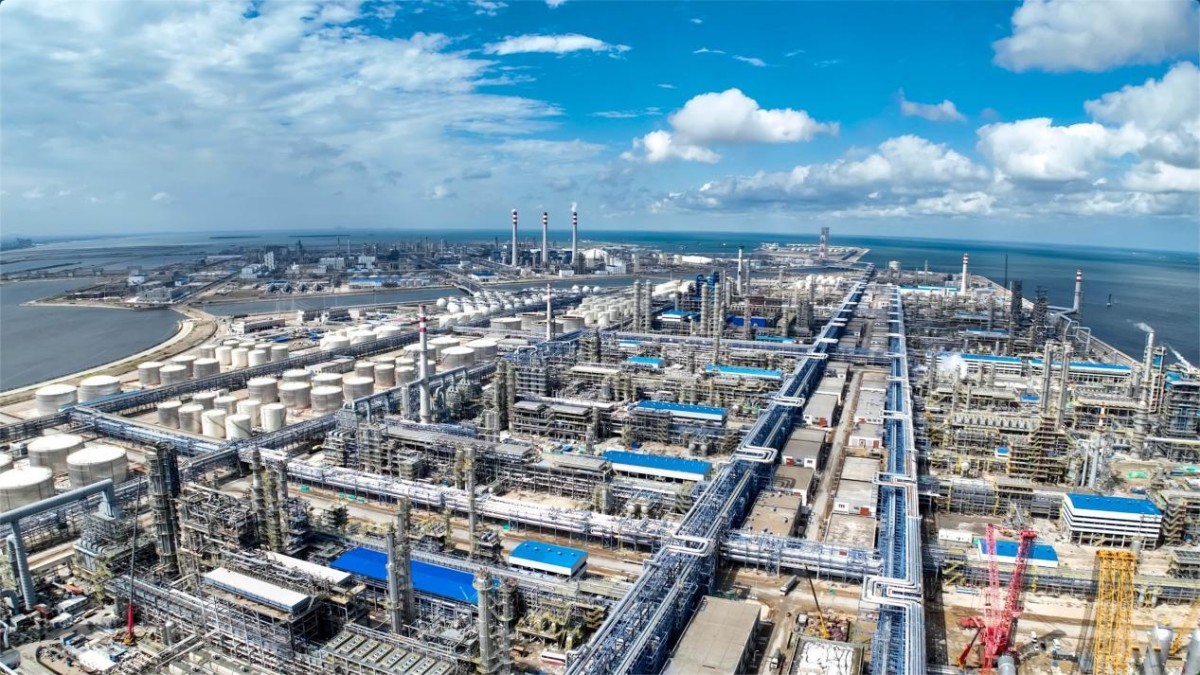
1. Veteran economist Betty Wang told Caixin that China’s economy is likely to weather renewed disruptions around the Strait of Hormuz with limited damage, because energy prices remain below their earlier peaks and China's large oil reserves provide a significant cushion. [para. 1][para. 6]2. Iran’s IRGC announced the closure of the vital waterway again, citing continued U.S. interventions in the region. This came as Iran and the U.S. resumed hostilities despite an interim deal reached in June to halt the war, sending crude prices higher and reviving concerns over global energy supplies and shipping disruptions. [para. 2]3. Wang, head of Northeast Asia Research at Oxford Economics, stated logistics through the Strait are not expected to recover to pre-war levels by the end of Q3. She warned that the fragile ceasefire is likely to lead to continued on-and-off situations. [para. 3]4. For China, the world's largest oil buyer, Wang stated the economic fallout would likely be less severe than the initial shock earlier in the year, provided there is no further escalation. [para. 4]5. Oxford Economics predicted Q3 global oil prices will remain below Q2 peaks, meaning the impact on China's economy—particularly consumer purchasing power—should be more limited. [para. 5]6. Wang highlighted China is in a "much better position" than many Asian economies to withstand an energy shock, pointing to its large oil reserves, sizable foreign exchange reserves, and resilient export sector. [para. 6]7. However, a prolonged disruption could weigh on consumers by pushing up inflation and eroding purchasing power, potentially spreading beyond oil to food and other commodities through higher fertilizer costs and supply chain disruptions. Wang emphasized that Chinese consumption remains relatively weak. [para. 7][para. 8]8. The geopolitical uncertainty highlights a widening gap between resilient exports and sluggish domestic demand. Exports surged 27% in June (highest since October 2021), while retail sales grew only 1%, rebounding from a 0.6% drop in May. [para. 10][para. 11]9. Supported by China's manufacturing dominance and the global AI boom, high-tech exports remain resilient. Wang noted this has not translated into higher income growth or a better outlook, as the property downturn, sluggish private sector, and poor employment outlook weigh on spending. [para. 14][para. 15]10. China's GDP grew 4.3% in Q2, weaker than expected, pressuring the annual growth target of 4.5% to 5%. Wang identified reviving private consumption as the biggest challenge this year. [para. 16][para. 17]11. While Beijing has introduced consumer goods trade-in programs, their effects diminished quickly. Wang argued the deeper issue is that households remain cautious about future financial security, leading to rising precautionary savings. She advocated for strengthening the social safety net (retirement, healthcare) while supporting the private sector for job creation. [para. 18][para. 19][para. 20]12. The property market remains a drag. Investment fell 18% year-on-year in H1, and sales volume of newly built housing dropped 13.6%. While top-tier cities saw a pickup, a broader recovery remains unlikely, with investment expected to decline for "at least the next three years." [para. 21][para. 22][para. 23][para. 24]13. Wang does not expect further policy support to revive the sector soon. Policymakers have shifted from using it as stimulus to simply maintaining stable growth. Weak new project starts, land sales, and financing conditions all suggest a limited recovery. [para. 25][para. 26][para. 27]AI generated, for reference only
China Can Shield Its Economy From the Iran War, Economist Says
Oxford Economics’ Betty Wang Rui says the country’s vast oil reserves will cushion the shock of rising oil prices, but warns a prolonged conflict could erode already sluggish consumer spending
542 words~2 min read