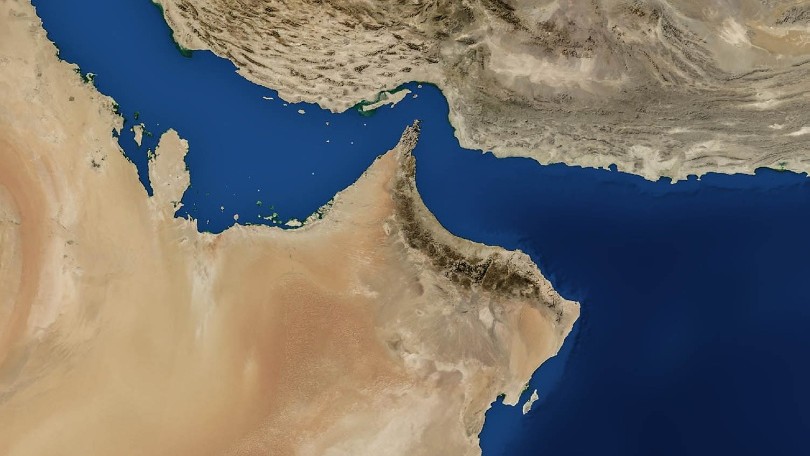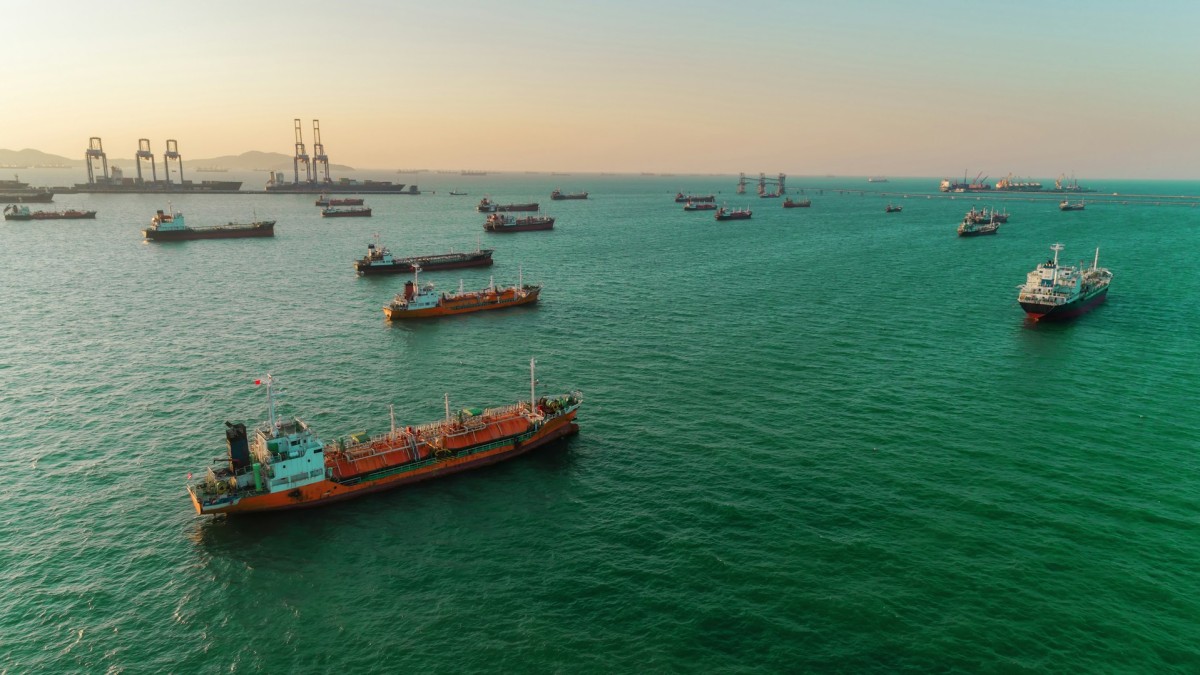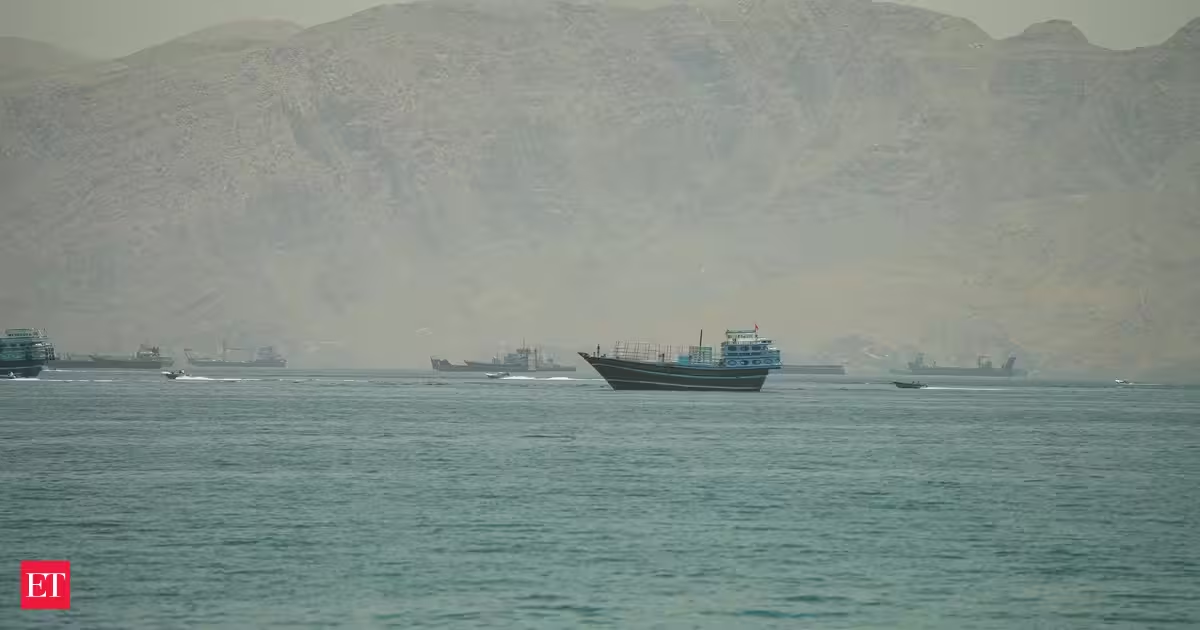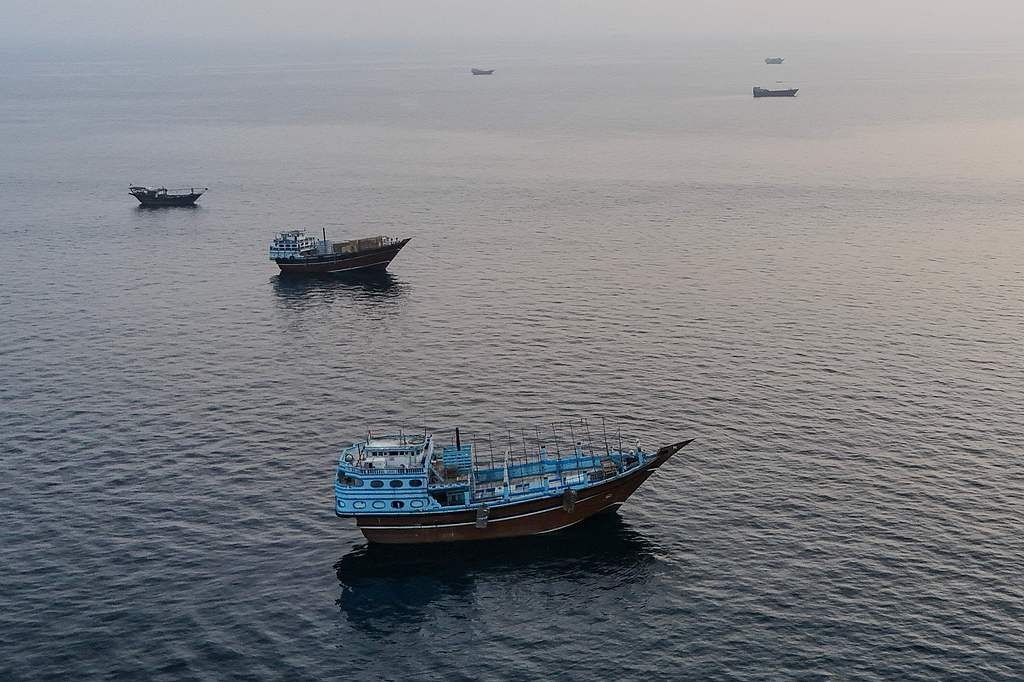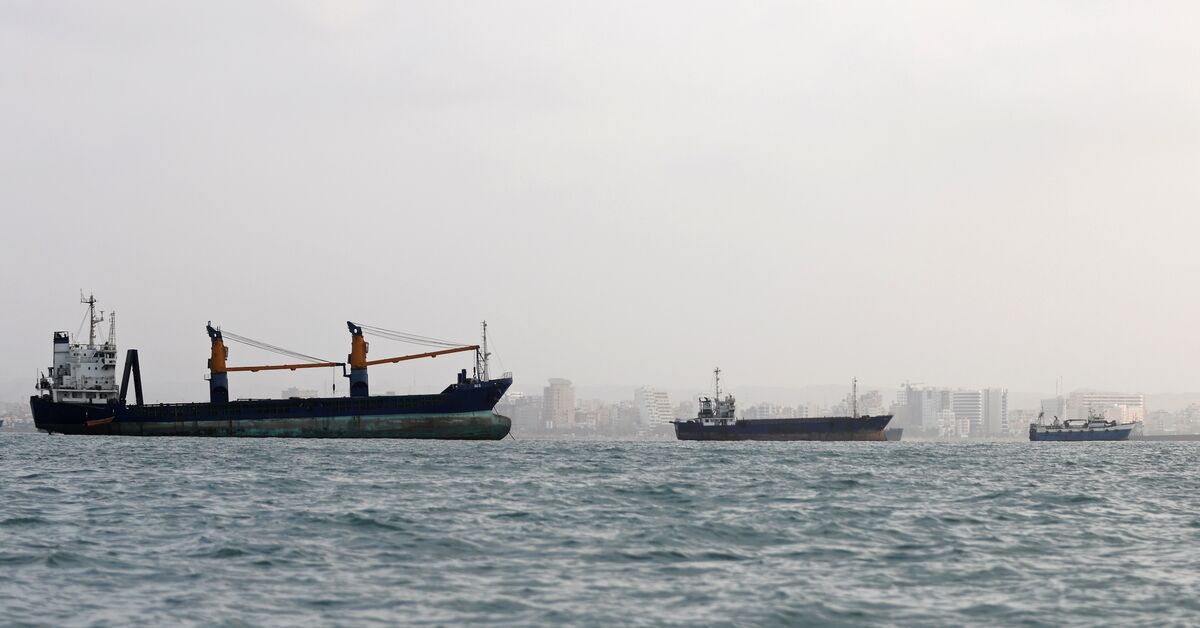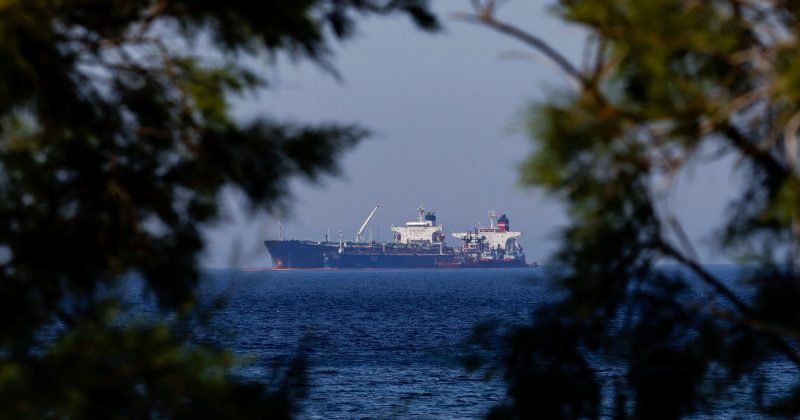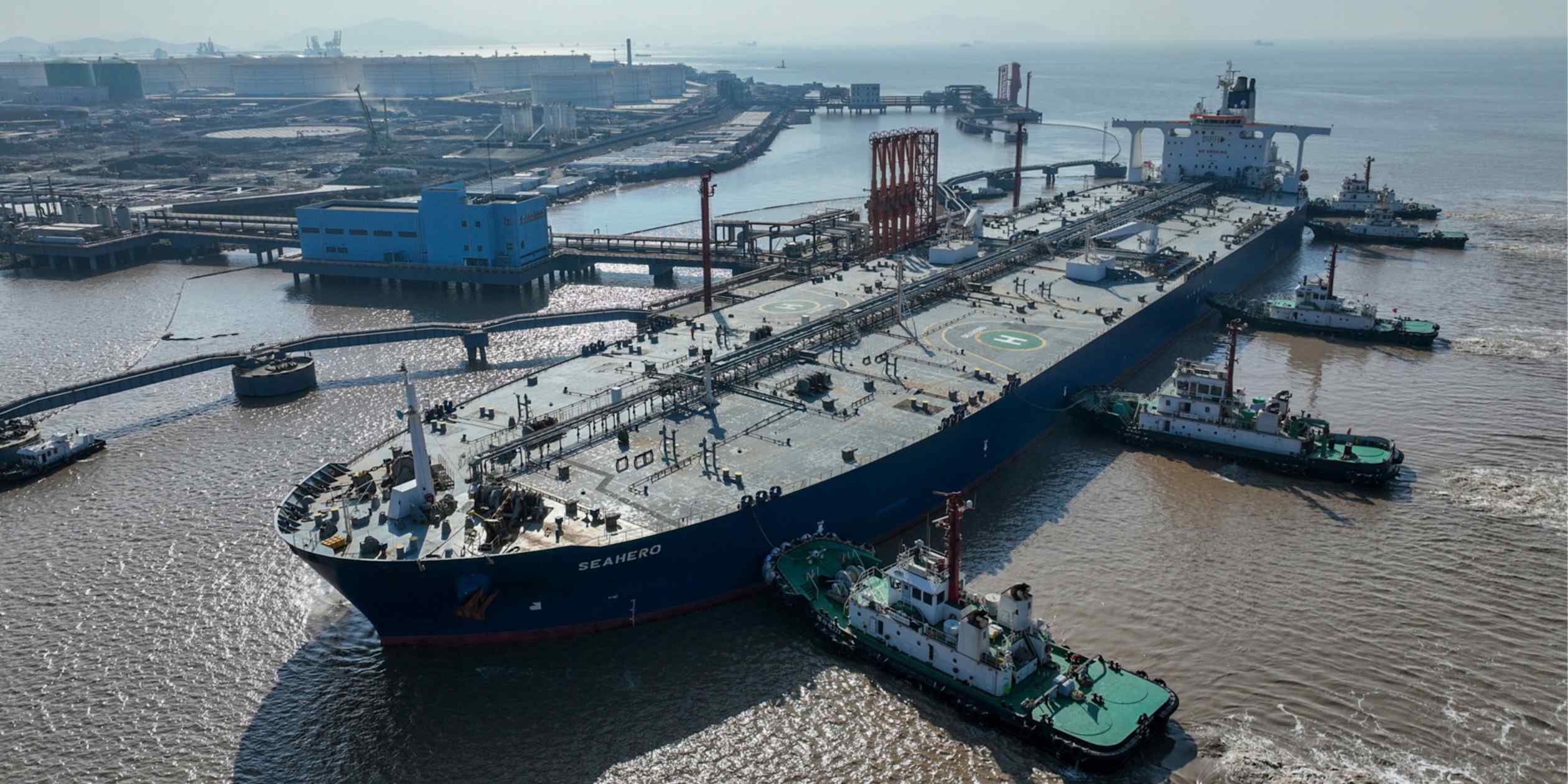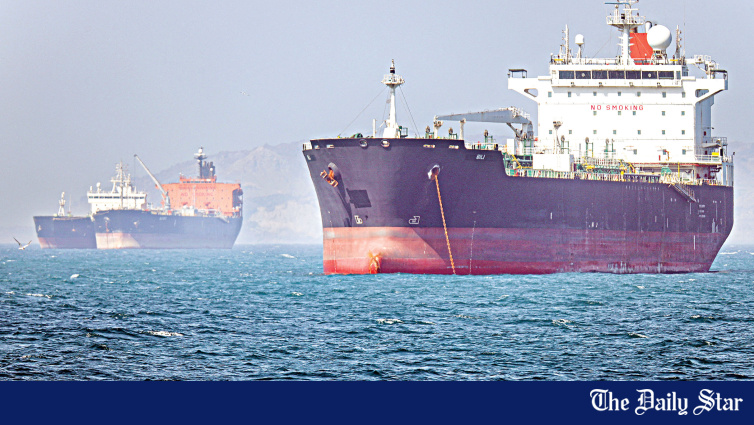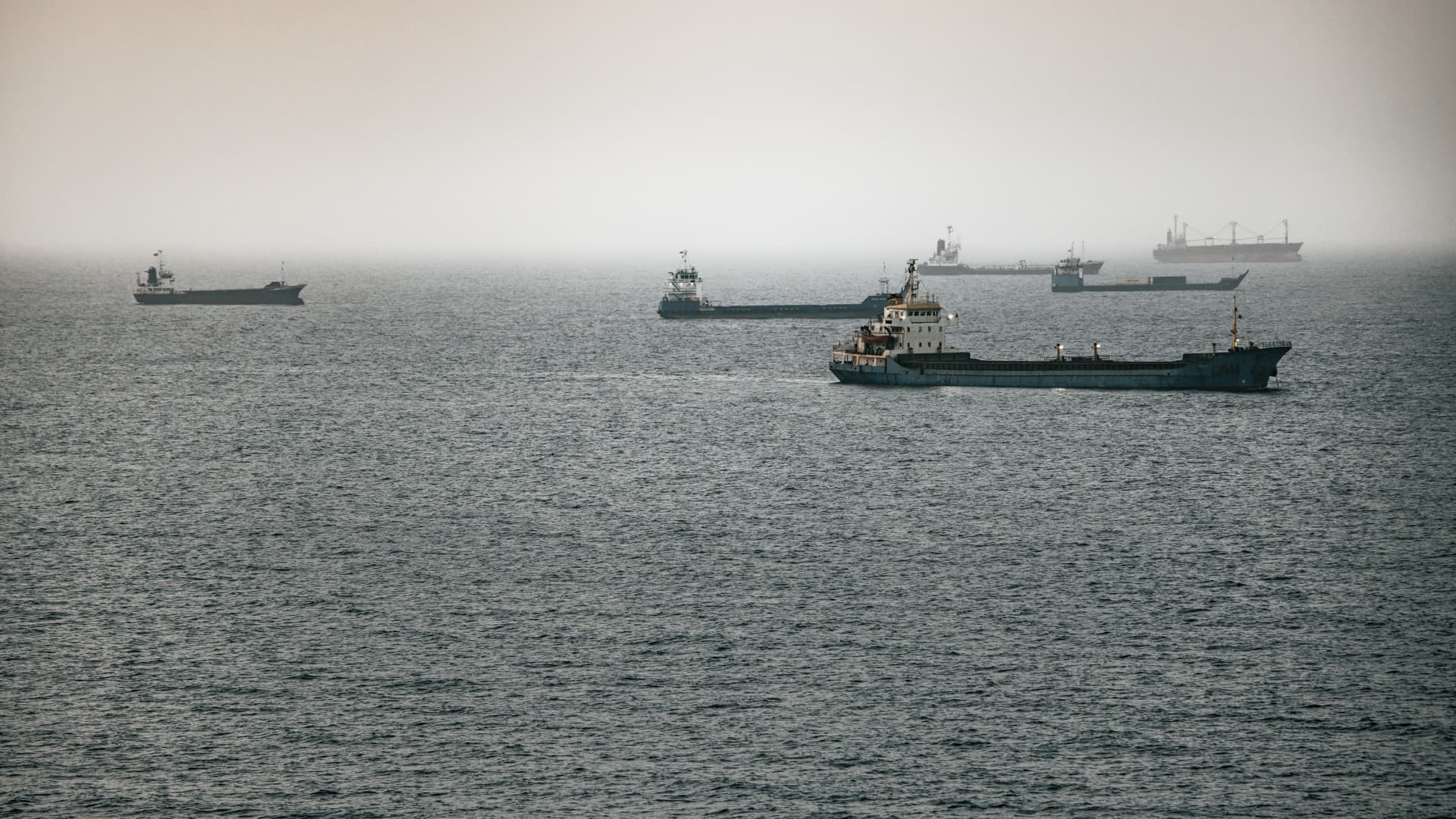
The U.S.-Iran cease-fire that was supposed to reopen the Strait of Hormuz for good is falling apart. American forces reimposed a naval blockade on Iranian ports this week and hit dozens of targets along Iran's coast, and Tehran answered by striking tankers moving through the strait without its permission. Brent crude, which had drifted down into the mid-$70s while the June peace deal held, jumped back above $85 a barrel on the news, its highest level since the truce was signed. It's the second time this year the market has had to price in a full stop to a fifth of the world's seaborne oil. The first time, back in February, analysts were calling for $200 crude and never got close. A lot of that traces back to Beijing rather than the Gulf, and it's the same reason getting tested again this week. Riders are ditching the pump for a cabIn China's biggest cities, hailing a ride is now often cheaper than driving your own car, even with gasoline getting pricier by the week. People took 3.05 billion taxi and rideshare trips in May, up 6% from a year earlier, and the reason has almost nothing to do with the war directly. A weak job market has pushed a wave of new drivers into ride-hailing just to make ends meet, and a flood of cheap electric cars has made it easy for them to do it, so fares keep sliding even as fuel costs climb for anyone still driving themselves. A part-time Beijing driver surnamed Li, six months into the job, told Reuters his fares have dropped 10% to 15% since he started. Set OilPrice.com as a preferred source in Google here."Competition is intense," he said. On the other side of that trade, a 45-year-old petrol car owner who gave only her surname, Yang, said she'd rather cab it than drive whenever gas prices spike, since then she doesn't have to hunt for parking or pay for a fill-up.Layer that fare war on top of a taxi fleet that's already mostly electric and the fuel numbers move fast. About half of China's 1.3 million taxis run on batteries, and in the largest cities that share is close to 100%. Didi's non-fossil fleet, hybrids and EVs combined, grew to 8 million cars last year and now covers three-quarters of the app's total mileage. Add it up and China burned 10% less gasoline and 14% less diesel this May than a year earlier, even with road freight up 2% and record traffic over the May holiday. As Daizong Liu of the Institute for Transportation and Development Policy put it, travel demand keeps climbing regardless, it's just shifting onto taxis and the subway instead of private cars.A billion-barrel cushion bought time, and it isn't freeThe bigger, more deliberate move happened well before the fighting started… For more than a year, Chinese refiners bought far more crude than they needed, cashing in on calm prices and steep discounts on sanctioned Russian and Iranian oil few other buyers wanted. Nobody outside Beijing has an exact figure, but analysts pegged the buildup at close to a billion barrels in commercial and strategic storage by the time the war began in February.Then Beijing spent it. Crude imports fell from 11.39 million barrels a day in February to 6.36 million by May, a drop of more than 44%, while refiners kept running near normal rates. The gap came straight out of storage; the IEA estimated China pulled 41 million barrels from inventories in June alone. "China has been putting a floor under prices," is how Rystad Energy's Janiv Shah described the buildup to CNN. That floor turned into a genuine shock absorber once the war hit. Whether it can do the same job a second time is a different question. Drawdowns don't refill themselves, and J.P. Morgan is now debating whether China's slump in demand was ever going to reverse or whether it's closer to a permanent shift in how much oil the country needs.Pipelines the war can't touchTwo decades of pipeline construction across Russia and Central Asia mean Hormuz now carries only 40% to 50% of the country's seaborne oil imports, according to Rush Doshi, director of the China Strategy Initiative at the Council on Foreign Relations, who says Beijing has "taken the last 20 years to reduce some of its dependence on maritime oil". Crude moving overland doesn't get boarded by the Revolutionary Guard, doesn't need war-risk insurance, and doesn't care whether Iran has mined the water it's meant to guard. Russian gas moving through the Power of Siberia pipeline runs on the same logic, though it isn't unlimited either. Those pipelines are already close to capacity, and Russia doesn't have enough tankers of its own to make up the difference by sea even if it wanted to.Analysts at OCBC argued back in March that this kind of diversification would leave China less exposed than its Asian neighbors to a long shutdown of the strait. That argument is getting a real-world test again this week, with the strait effectively contested and both sides trading strikes.Nobody's racing for Iran's stranded oilIranian tankers are, in practice, the only ones still guaranteed passage through the strait, and nearly all of that oil is bound for China, which buys around 90% of everything Iran exports. You'd think Chinese refiners would be desperate for it. They aren't, particularly. When Iranian cargoes piled up during the brief cease-fire, buyers largely walked away instead of competing for them. Privately owned Shenghong Petrochemical, for one, bought roughly 12 million barrels of Iraqi, Emirati and Saudi crude for July delivery instead, once Gulf producers cut their own prices to move barrels. Iranian imports into China were projected to fall to around 556,000 barrels a day in July, the lowest since early 2023, with 30 million to 34.5 million barrels of Iranian oil sitting in floating storage with no buyer lined up.J.P. Morgan's Natasha Kaneva put the dynamic bluntly in a note to clients this month, writing that the barrels leaving Hormuz "increasingly have nowhere to go except China. But China is not buying". When the world's largest crude importer can afford to be that picky, it isn't taking the price the market hands it. It's setting one.The bigger shift was already underwayOne in every two new passenger cars sold in China today is a new energy vehicle. Clean-tech exports, solar panels, batteries, EVs, hit a record in March, right as the fighting in Iran was getting started. Beijing's own target is to push non-fossil fuels to 25% of total energy consumption by 2030, up from about 22% last year, war or no war. J.P. Morgan analysts wrote earlier this month that the conflict may have simply accelerated behavioral changes that were already underway, leaving China less dependent on oil than markets had assumed going in.Whether that holds through a second round of strikes and blockades is the real question hanging over this week's price jump. Goldman Sachs' Don Striven has floated the idea that some meaningful share of China's import collapse, maybe a tenth of it, never comes back at all, cease-fire or no cease-fire. If he's right, then whatever happens to the strait in the coming weeks, the country that quietly built five layers of protection years in advance may end up needing less of the world's oil than anyone budgeted for. Permanently.By Michael Kern for Oilprice.comMore Top Reads From Oilprice.comU.S. Gasoline Prices Could Hit $4 Per Gallon Within DaysUtility-Scale Solar Costs Rise 18% but Remain Cheapest Power SourceRussia’s Oil Export Surge Runs Into a 135 Million-Barrel Traffic Jam
Five Ways China Is Shielding Itself as the Hormuz Cease-Fire Collapses | OilPrice.com
The Hormuz truce just collapsed and Brent hit $85. Here are five ways China insulated itself from the oil shock before this war even started.
1,265 words~6 min read