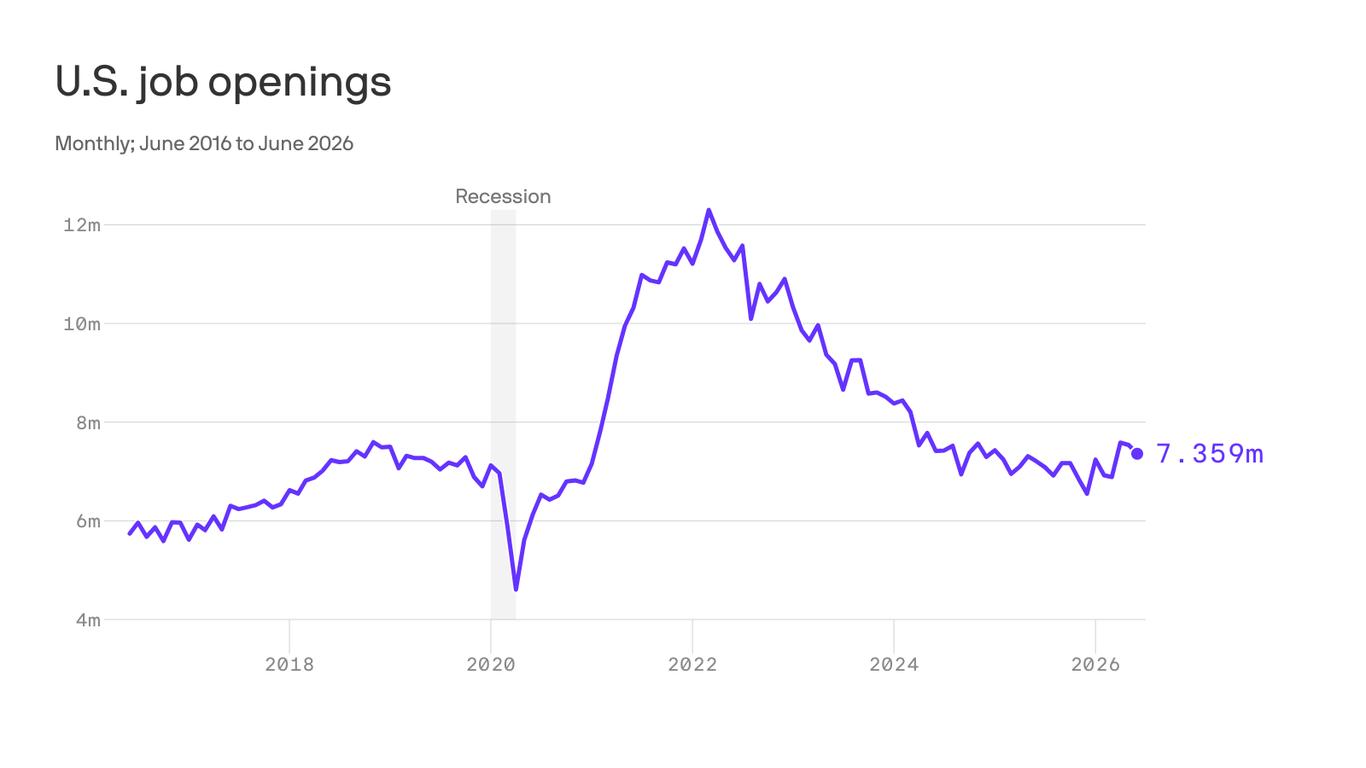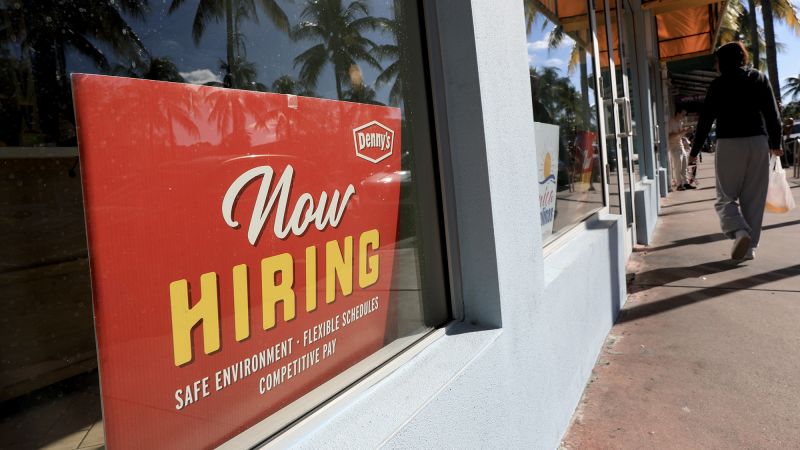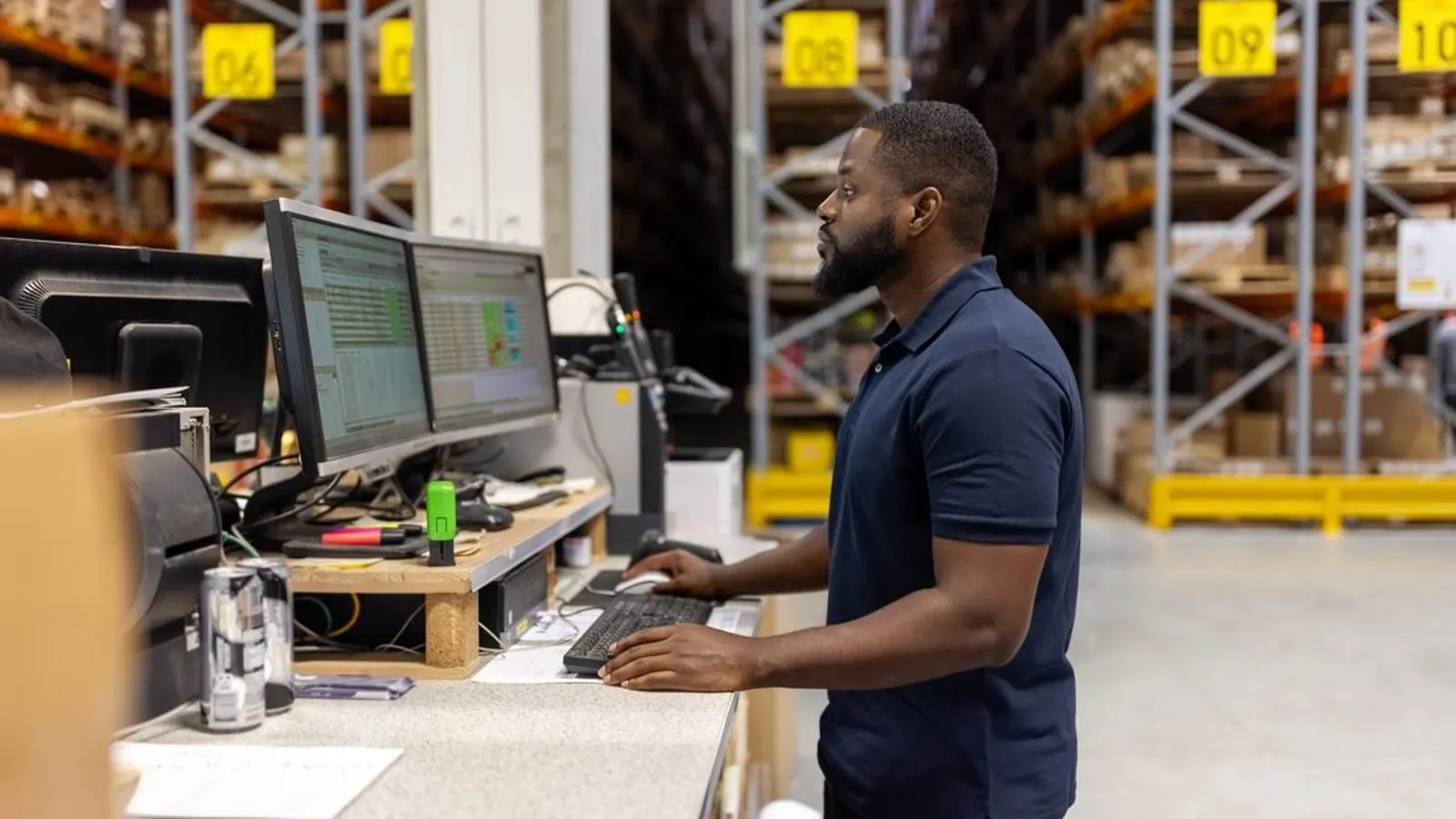
US employers added a shockingly lower number of job openings in July than expected, while business activity and new orders continued to risegettyU.S. employers added 44,000 jobs in July, down from 95,000 in June and well below the 75,000 expected. Within the services sector, the ISM Employment Index declined from 51.2 in June to 47.4 in July. Yet business remained strong while hiring activity declined.Business activity moved from 55.4 to 59.1 on the Index, and new orders increased from 55.1 to 57.2.Could AI be to blame? Well…it's not that simple.Is AI Causing A Hiring Slowdown?First, Sam Altman is known to have predicted and envisioned a utopian future where there will be one-person billion-dollar companies because of the advancements of AI and frontier models. Similarly, when I’ve recently interviewed CEOs and experts including Dr. Ben Goertzel, the godfather of AGI, they shared a similar view. They’ve told me that where companies needed large teams previously, now the same work can be completed within a fraction of the time and with a fraction of the team's size. Now we will see more three- to five-person teams where there were 10- to 15-person teams. There’s a growing sentiment among employers as to who can operate the leanest. After all, doing more productive work with less financial resource expended on human capital improves margins and shareholder returns, and makes the company look like a forward-thinking operator, especially when financial investments are being redirected towards AI implementation and hyperscaling AI investments. At the same time, there is another issue at play here:The new era of work requires professionals who can adapt fast, operate lean, and complement their niche expertise with AIgettyWhy Employers Are Turning To Smaller Teams And Freelance TalentThe report measures only payroll data, which means salaried employees. It does not account for that of contract workers like freelancers, which sit outside the traditional payroll system.Meanwhile, freelance job positions have grown by 22%, within the past six months, according to a FlexJobs’ 2026 report. “More than 72 million people in the U.S. currently work independently, and that number is projected to reach 86.5 million by 2027,” they said. As employers continue to lay off workers, they are at the same time hiring more freelance contractors.The reason for this is simple: freelancers carry a lower costs overall because employers do not have to think about hiring costs like employee benefits or long-term employment obligations. Freelancers can get to work almost instantly without onboarding issues or onboarding delays. They are usually more specialized and niche experts within their field, which is exactly what employers need right now as they undergo AI implementation and deployment.The relative level of AI talent and skills available in the U.S. job market right now is scarce when compared with demand. And that’s precisely why, if you’re an expert consultant, tech talent, or strategic minds with a niche background, you will be in high demand right now. This fresh demand for freelance talent reveals exactly where employer sentiment is heading. What This Means For Your Career Right NowHere’s what I see happening over the next few years:If these trends continue to build momentum as they are now, the future of work will be leaner, and the expectation will be to operate fast with agile teams. There will be (as there increasingly already is) higher expectations of each employee to produce more output, because they are now each assisted with a team of AI agents. Freelance contracted expert talent will come in at critical, mission-critical points to ensure project success, go-to-market, scalability, and high profit turnover.The motto of this AI era is: shift faster, better, execute more with higher quality. Generic knowledge workers that simply clock into a job without a defined purpose, or unique value proposition are being left behind. Only those with niche expertise, who have clearly defined their place in the job market, and know how to communicate their market value as complementary to AI, will succeed in 2026 and beyond.
U.S. Employers Are Growing More, Hiring Less. Is AI To Blame?
U.S. employers are hiring less while growing business activity. Is AI to blame? Here's what's happening and why it matters for your career.
TL;DRAI
US job additions fell to 44K in July while business activity rose, as employers scale with smaller AI-assisted teams rather than traditional hiring. Freelance hiring up 22% in six months; niche AI expertise and margin optimization now drive shift toward lean, contractor-based teams.
661 words~3 min read