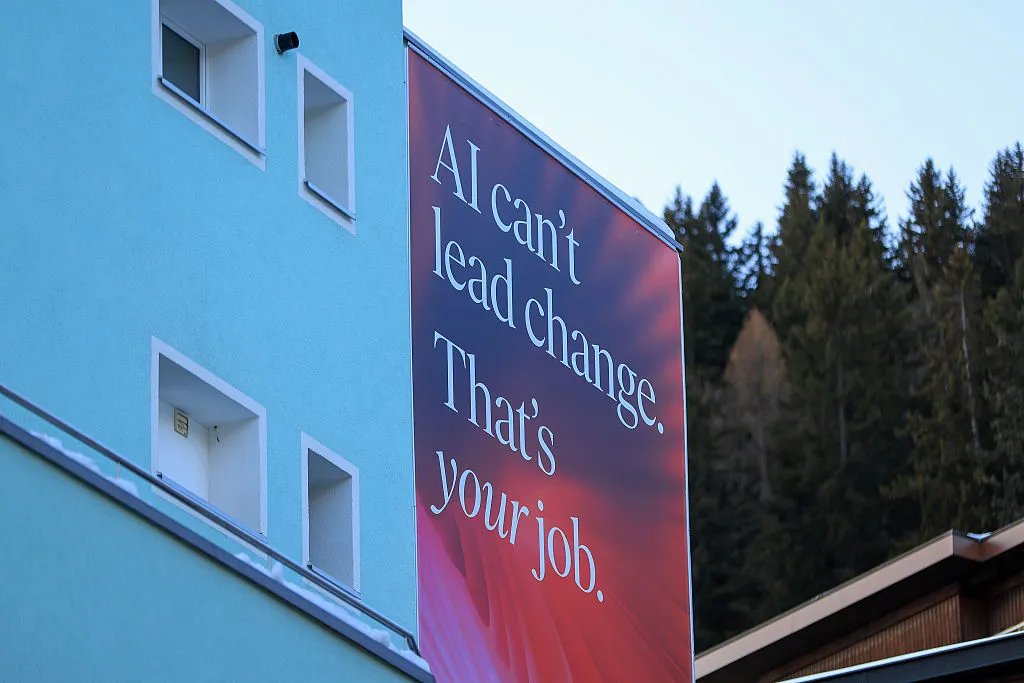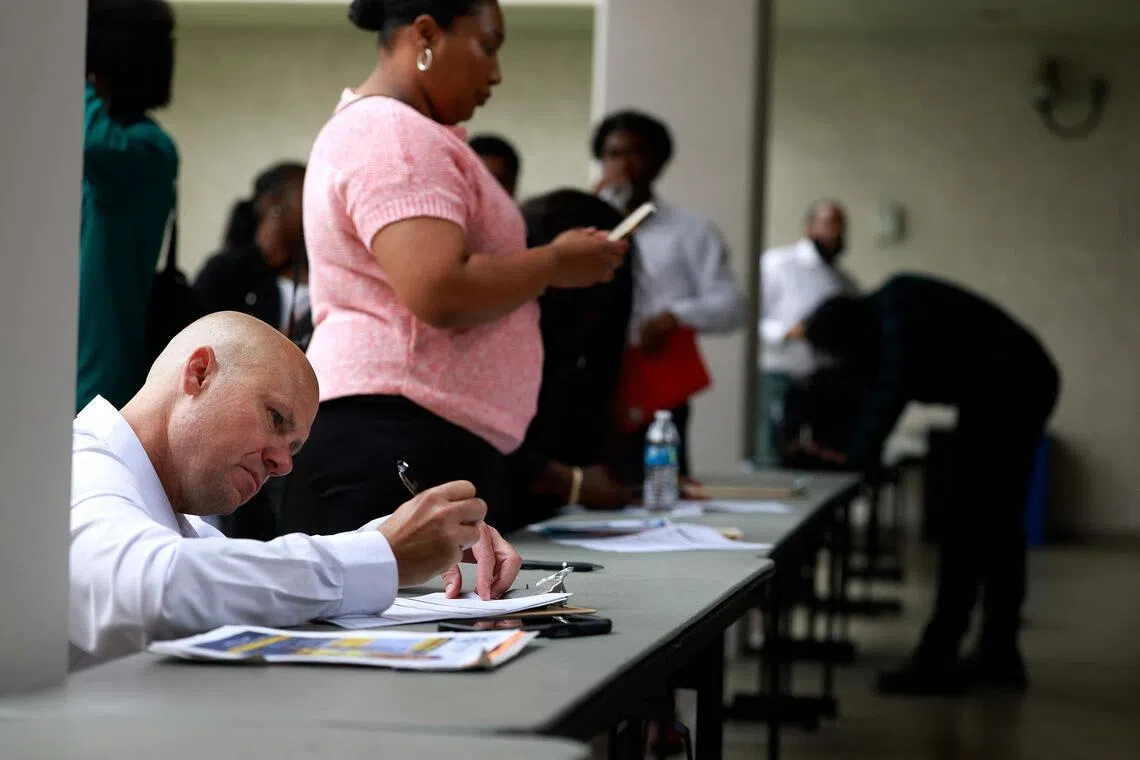
The shocking news that U.S. payrolls dropped by 92,000 in February—market watchers were expecting a 50,000 gain—trained the spotlight on what’s probably today’s most worrisome issue for everyone from money managers to Main Street shareholders to office workers: What’s the looming impact of AI on jobs? The widely accepted view, of course, holds that AI has already started generating gigantic efficiency gains empowering enterprises to do everything quicker and better while deploying far fewer people. But is that what’s really going on? Or is it possible there’s another explanation?
We know there’s been a huge jump in global capital spending on AI, a number that Gartner expects to reach $2.5 trillion this year, up 44% over 2025. And that money’s got to come from somewhere. So some experts are starting to theorize that the narrative is backwards: Companies aren’t curbing headcount because AI’s accelerating their processes right now. Instead, they’re offsetting a lot of those lavish AI outlays by tightening the biggest expense item on their income statements, labor costs.
That’s the view of Brad Conger, chief investment officer at Hirtle Callaghan, a firm that manages $25 billion on behalf of such clients as charitable institutions and college endowments. He’s not buying the “AI’s doing all those peoples’ jobs right now or soon” argument. “You see it at our company,” he told Fortune. “We’ve bought five different AI software products in the past six months. AI is better at little functions, but doesn’t replace people overall. A job does 100 things in a day, and that’s a lot more than a single AI workflow can perform. It replaces activities that are just pieces of jobs. We have programmers who have to de-bug what AI produces.” Conger avows that at his shop, AI’s adoption hasn’t cost a single job.