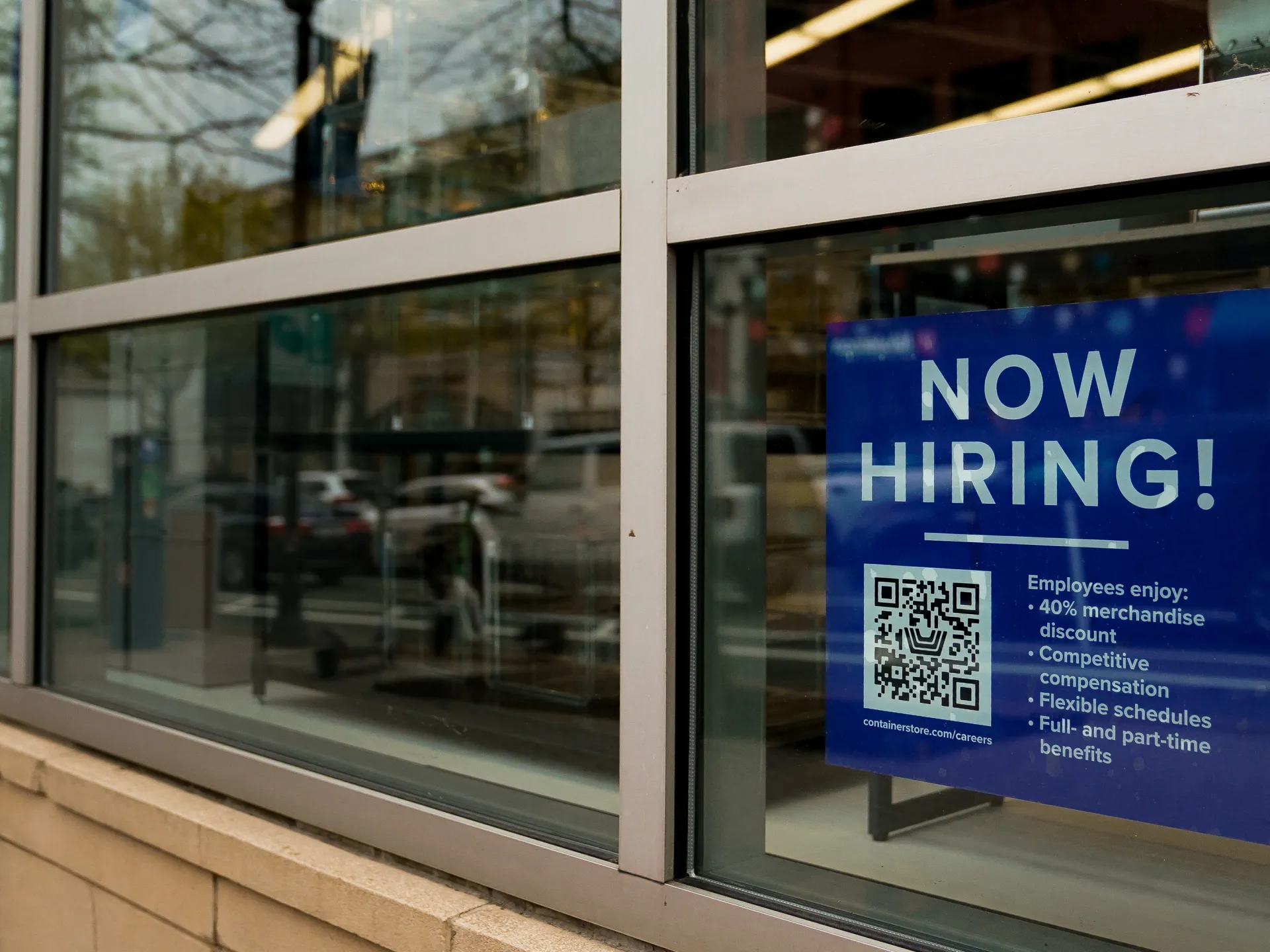
Show Caption
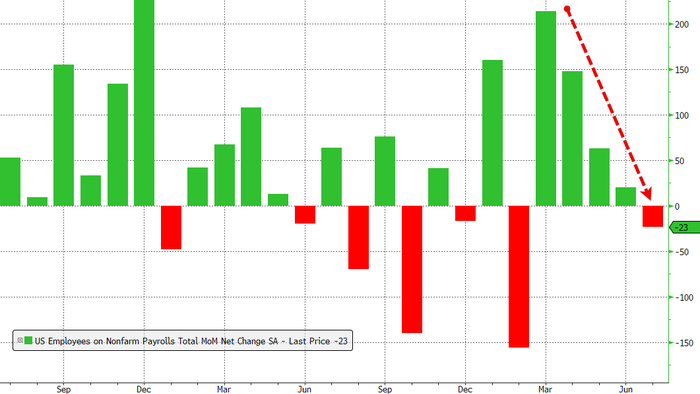
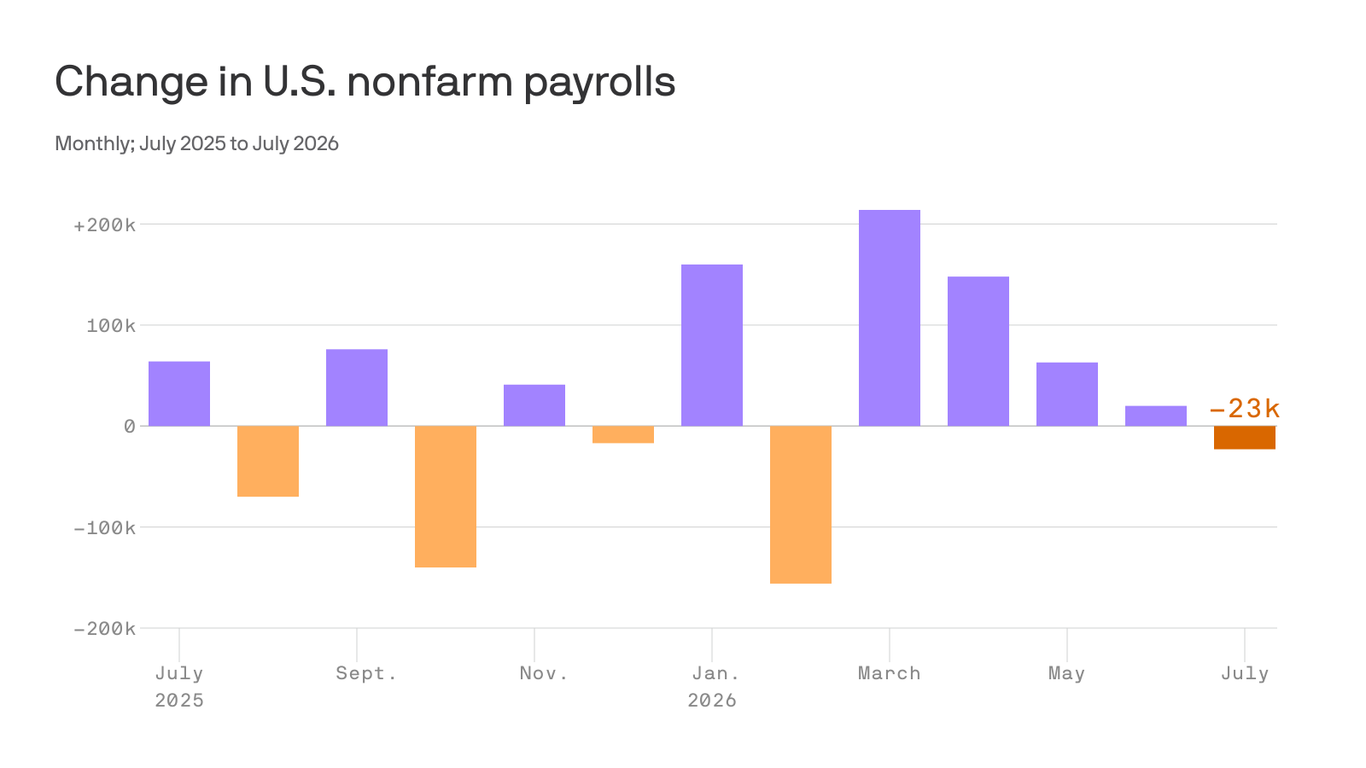
U.S. employers shed 23,000 jobs in July, the Bureau of Labor Statistics said Aug. 7, a figure far below analysts' expectations, and downward revisions to job growth numbers for May and June reflect a weaker labor market than previously estimated.The July job losses come after hiring slowed in June following an earlier rebound from historically weak job creation in 2025. The July estimate comes in below the department’s now-revised estimated gains of 20,000 jobs added in June and 63,000 added in May.The unemployment rate ticked down to 4.1% in July. After three months of holding steady at 4.3%, it dropped to 4.2% in June, though some experts attributed that dip to a decline in the number of people looking for work, rather than a significant rise in those getting hired. Average hourly earnings for employees on private, nonfarm payrolls rose by two cents to $37.62 in July, the BLS said. Over the last 12 months, they have increased 3.2%, falling short of the 3.5% year-over-year increase in consumer prices recorded in June. The bureau’s Consumer Price Index report due out Aug. 12 will reveal whether workers’ paychecks kept up with inflation in July. See the jobs dataJuly marked the first time since February this year the U.S. economy shed jobs.July also marked the first time in 2026 the unemployment rate fell to 4.1%.Which sectors lost jobs? Which are still hiring?Health care, typically a reliable engine of job growth, was the only industry to post notable gains in July, adding 22,000 roles. While that figure still represents growth, it's lower than the sector's average monthly gain of 36,000 over the last 12 months.Employment in local government education fell by 50,000 in July after showing little net change over the last year, the BLS said. Retail trade shed 19,000 jobs and the financial activities sector lost 14,000.Employment was little changed from June to July in other industries, including social assistance, construction, manufacturing, professional and business services, and leisure and hospitality.While the BLS jobs report is generally considered the gold standard for labor market data, ADP’s National Employment Report released Aug. 5 also offers a look into private-sector hiring trends. It tells a different story, suggesting private U.S. employers added 44,000 jobs in July, driven by 36,000 roles added in the education and health services sector. The ADP report found hiring increased in several other industries, including financial activities, professional and business services, information, construction, and manufacturing. It found hiring declined in leisure and hospitality, trade, transportation and utilities, and natural resources and mining.(This is a developing story and will be updated to add new information.)Reach Rachel Barber at rbarber@usatoday.com, follow her on X @rachelbarber_, and subscribe to her newsletter "Making More of Your Money" here.