As someone whose work sits at the intersection of faith, leadership, governance, and development, I have become increasingly convinced that Africa’s greatest challenge is not merely a shortage of resources or opportunities. Rather, it is the absence of sound, progressive, and values-driven philosophies capable of shaping leaders, strengthening institutions, and driving sustainable development.
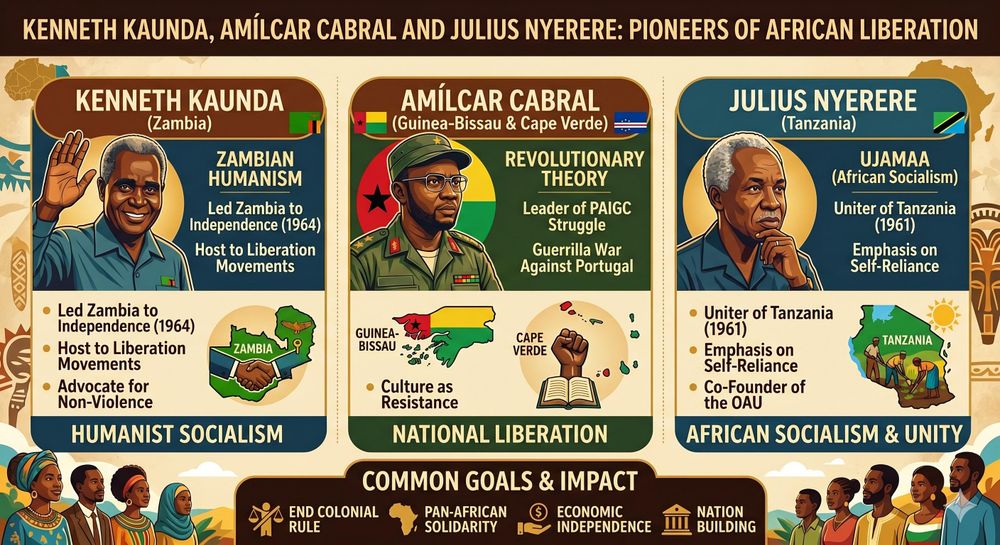
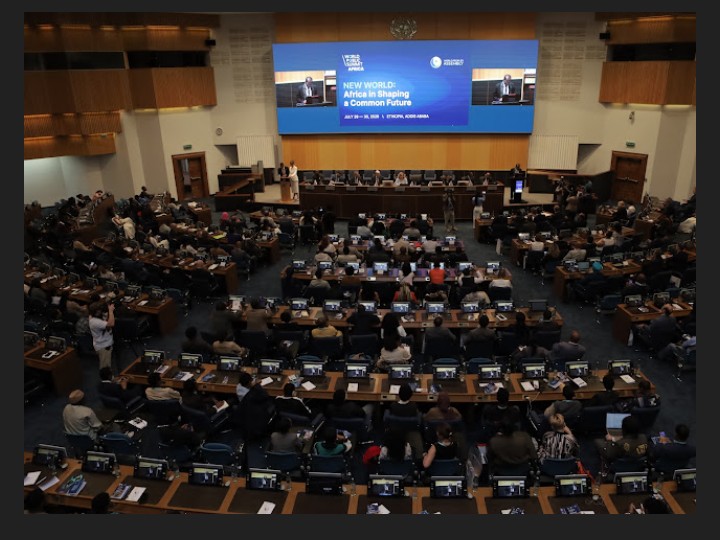
Every society rises or falls on the ideas that shape its people. Philosophies influence culture. Culture shapes institutions. Institutions, in turn, determine the quality of governance and national development. This conviction was reinforced during my recent visit to Nairobi, Kenya, where I joined civil society leaders, scholars, and curators of leadership programmes from across Africa for a two-day dialogue on the role of African Leadership Philosophies in addressing the continent’s leadership challenges.
The gathering brought together an impressive community of practitioners and thinkers united by a common concern: How do we develop leaders who are not merely competent, but are also deeply rooted in values that reflect Africa’s realities and aspirations? Our conversations explored several important questions. To what extent are African leadership philosophies currently reflected in leadership development programmes across the continent? Which indigenous ideas remain relevant in addressing today’s governance and development challenges? What barriers have prevented these philosophies from being integrated into formal leadership education? And perhaps most importantly, how can they be transmitted to future generations in ways that are both authentic and practical?