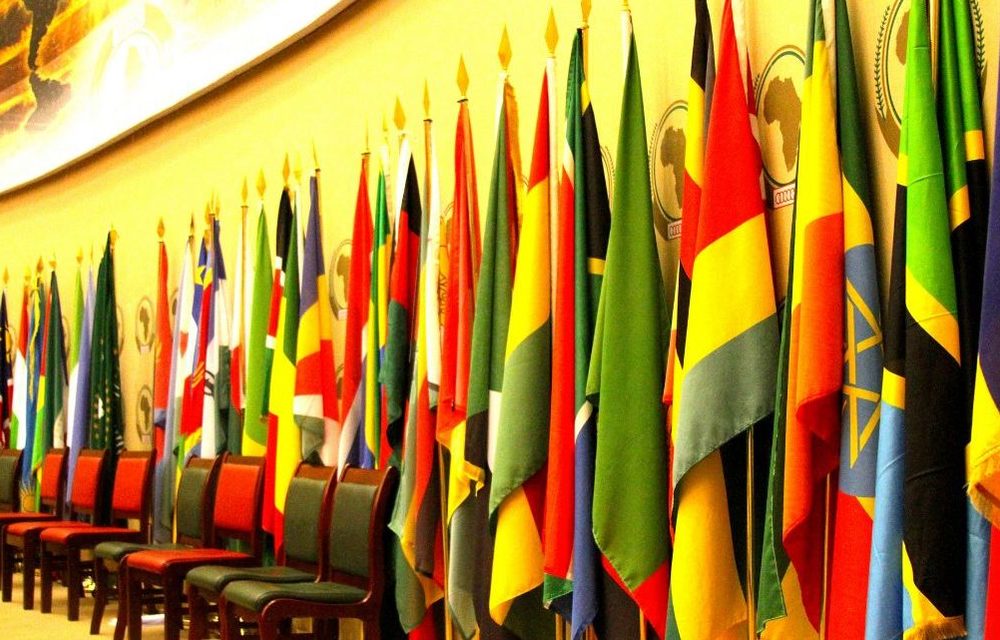
This column today begins an occasional series to examine governance issues on the continent of Africa.
Africa is the richest of the seven continents in the world, and the second largest continent by land mass, though you would not guess that fact from looking at the distorted cartography of the globe that is used to put the continent down. Despite Chinua Achebe’s giant literary effort, through ‘Things fall apart’ , to debunk Joseph Conrad’s and Hugh Trevor-Roper’s wholesale labelling of the land as a ‘Dark Continent’, with no history or self-awareness before the advent of the white man, an aura of dark mystery and negative expectation still pervades any discussion about Africa.
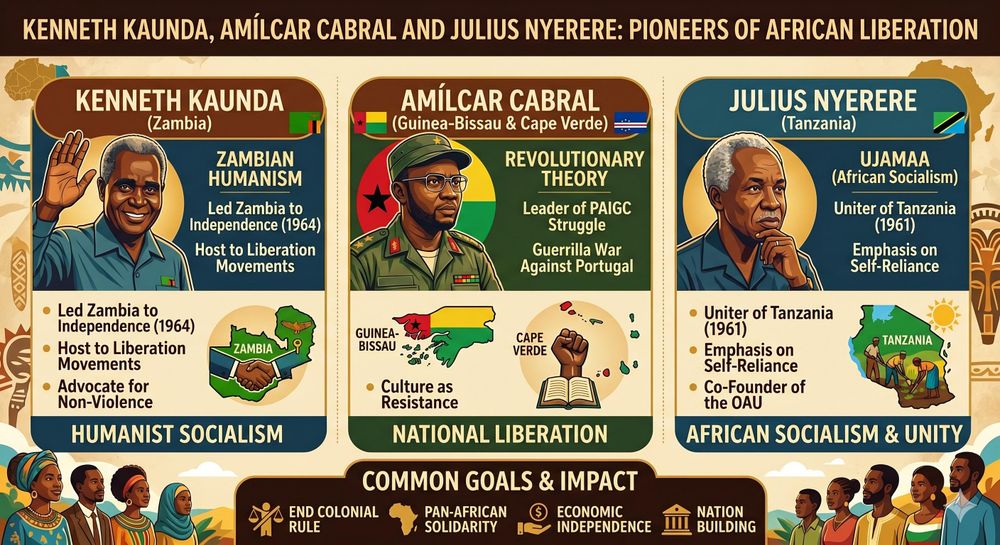
A lot of developments on the continent since countries began to achieve independence from colonial rule have encouraged the narrative. Despite the colourful aura of the early generation of leaders such as Kwame Nkrumah, Mwalimu Julius Nyerere and Mzee Jomo Kenyatta, among others, who were inspirational arrowheads of anti-colonial struggles in their countries, things have not played out in a manner to match the optimism of the early days. In many cases the ‘fathers’ themselves have proved to be all too human in their psychological frailties. The attributes required to lead a successful ‘liberation struggle’ have looked somewhat different from what it takes to lead poor, uneducated masses, through the rituals of faulty ‘democracy’, on the path to national growth and rapid development. Many of the countries have descended further into poverty and strife, despite – and sometimes because of, the exertions of their ‘founding fathers’.