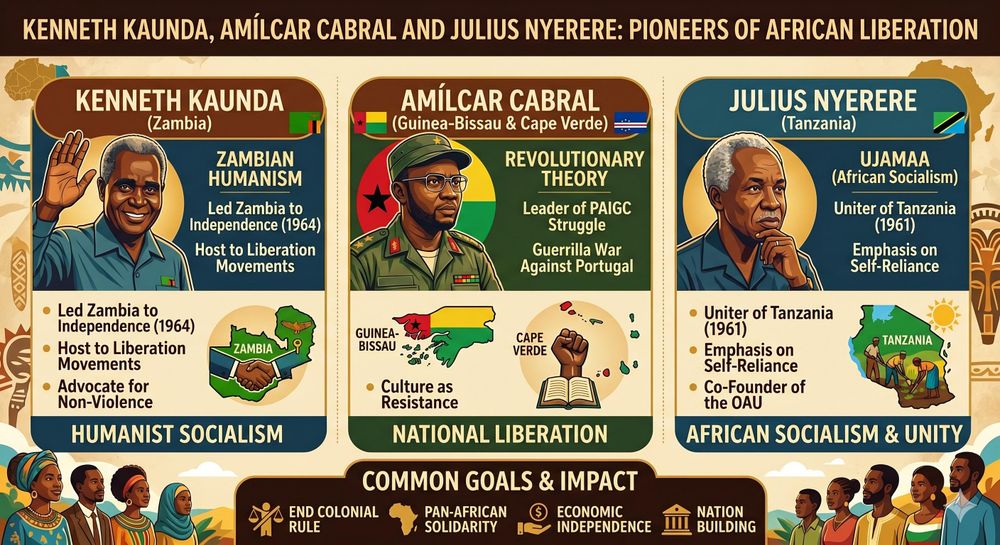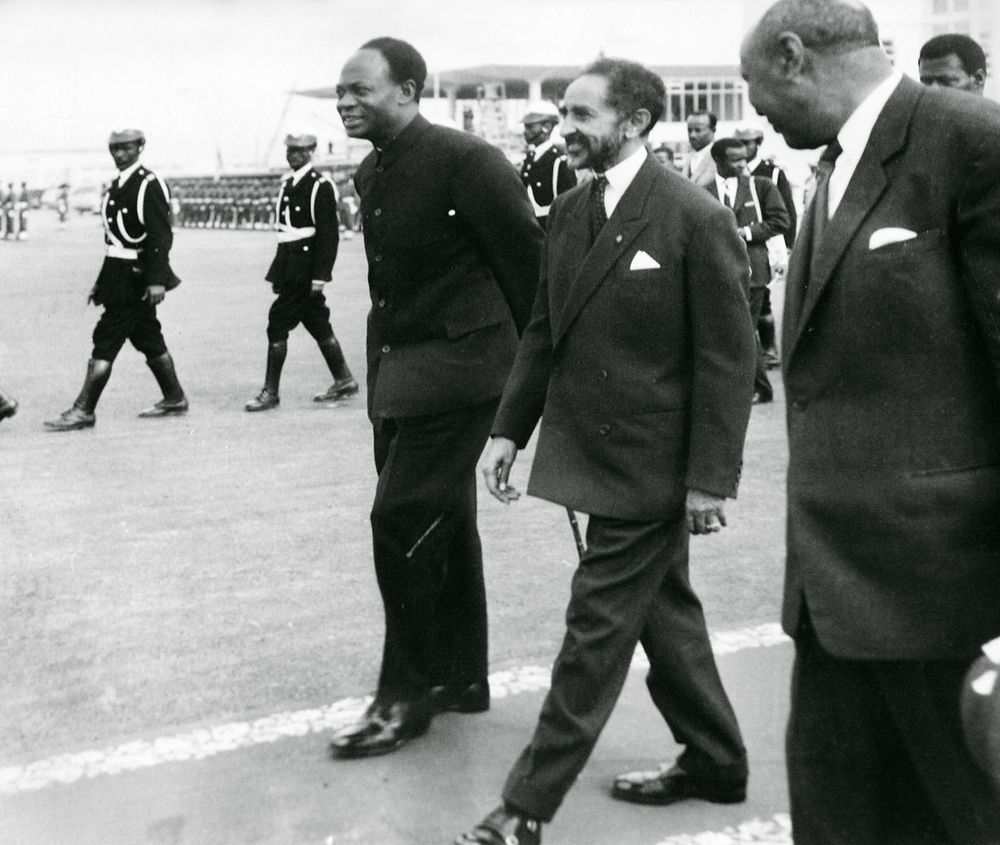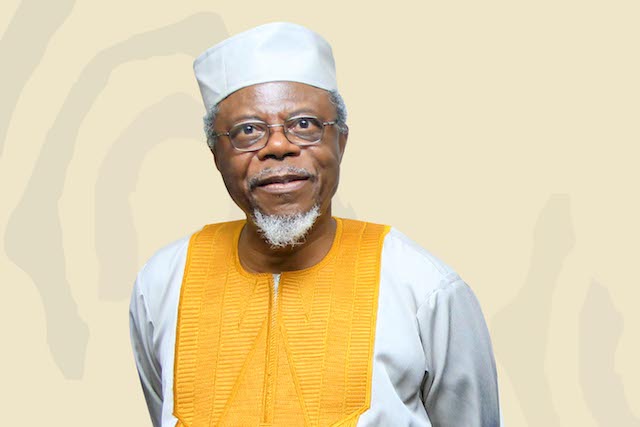
Africa has had good leaders throughout its history who have been empire builders, thinkers, traders, kings, diplomats, and freedom fighters, who have established civilisations and made their impact on World history. Certainly, before the rise of the modern nation-state, Africans already had elaborated political, trading, and intellectual networks, extending from Timbuktu to Great Zimbabwe, from Benin to Axum. But even if the continent has such a rich history, there is one issue that haunts the discussions about the future of Africa: why has a continent blessed like this not managed to create institutions of prosperity and good governance?
The usual answers are certainly not entirely off base. Colonialism had a significant impact on the politics and economy of Africa. Outside interference, imbalanced world markets, and geopolitical competition have historically prevented the continent from developing. While all that is true, it does not tell the full story. The crucial issue is not just what history has done to Africa, but what Africa has been doing with its history up until now. It is an inescapable issue of leadership.
Leadership is often viewed simply in terms of people and elections. Public discourse fluctuates between berating corrupt politicians and hunting for a “saviour-president,” who will steer the country towards success. This approach is a misconception of the very essence of leadership. Leadership is not just the art of governing but the process of creating institutions, gaining people’s trust and wielding power for the benefit of society. It defines how governments enhance their societies or serve themselves.