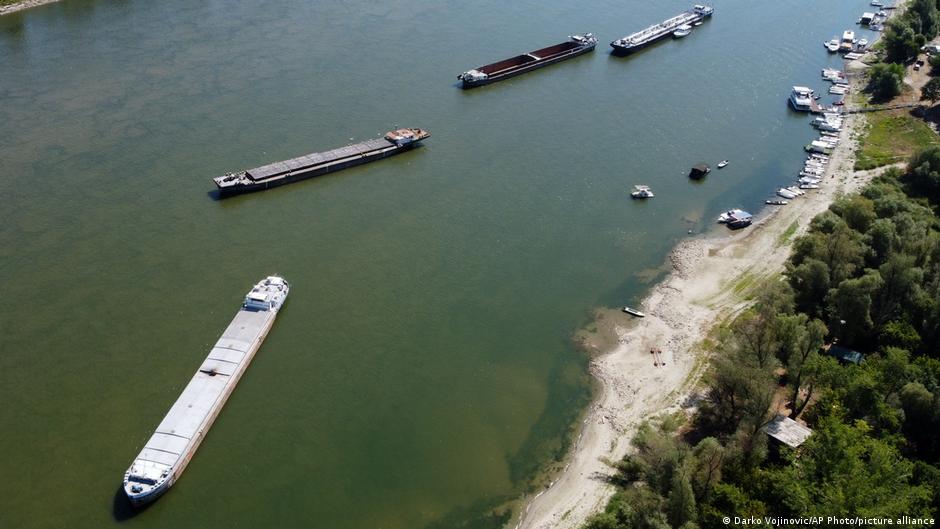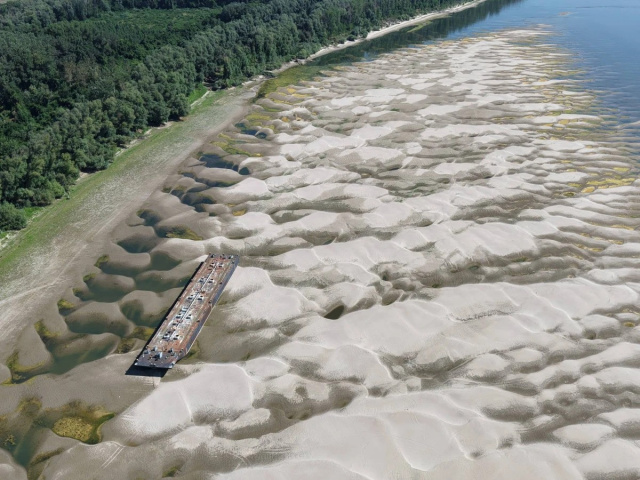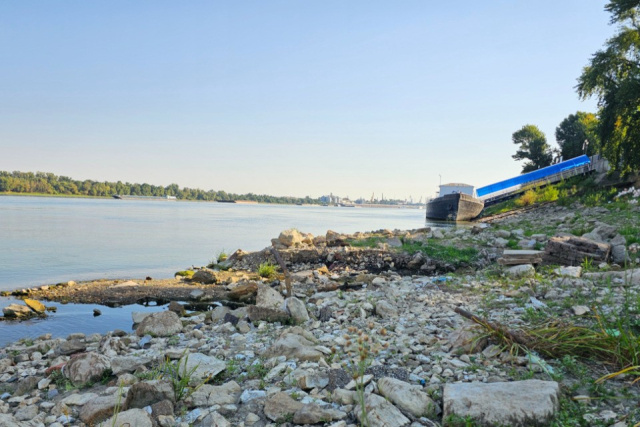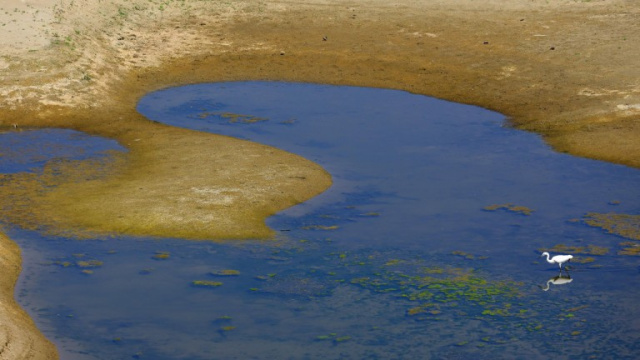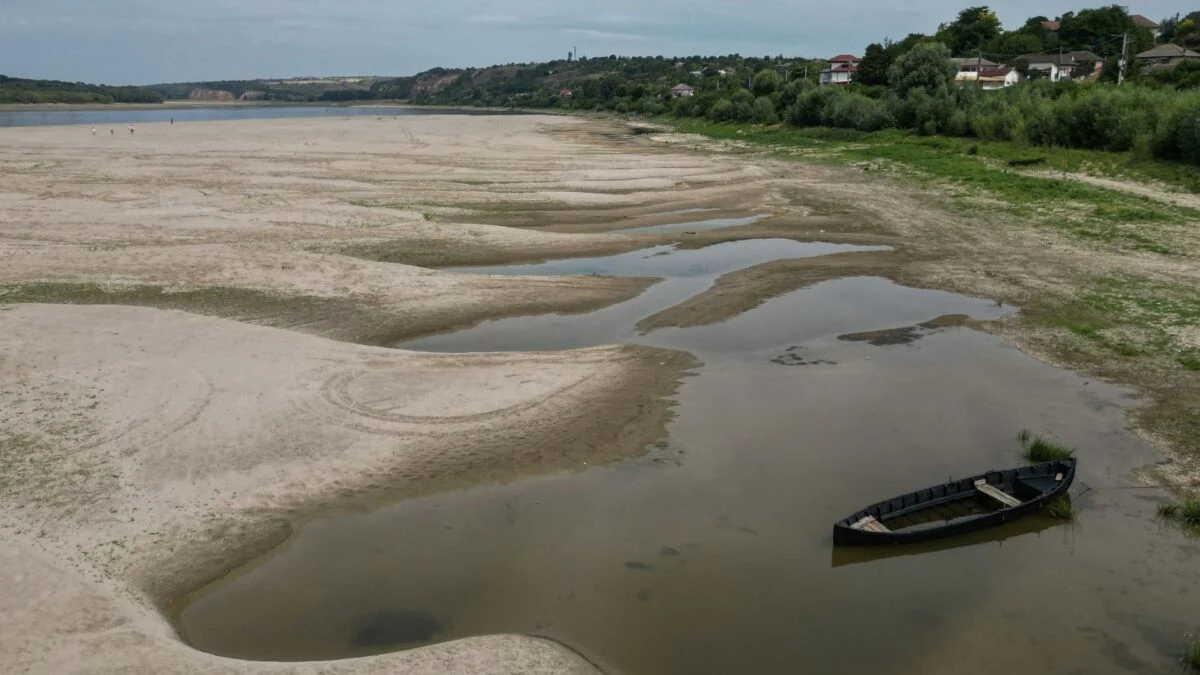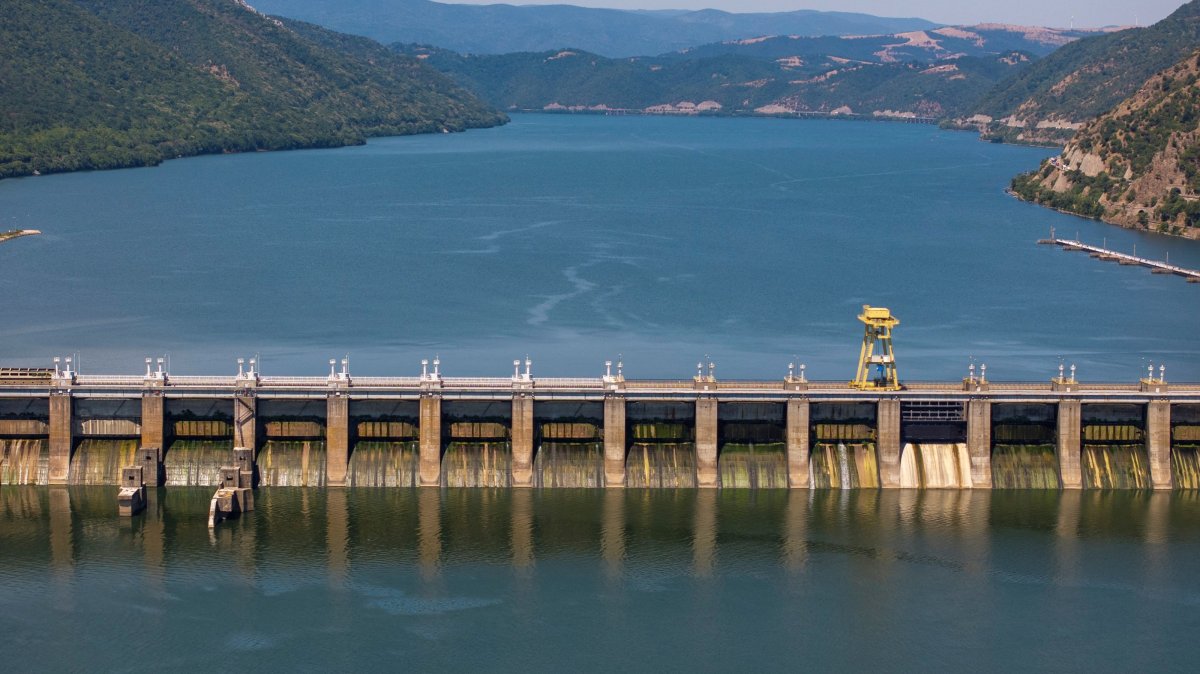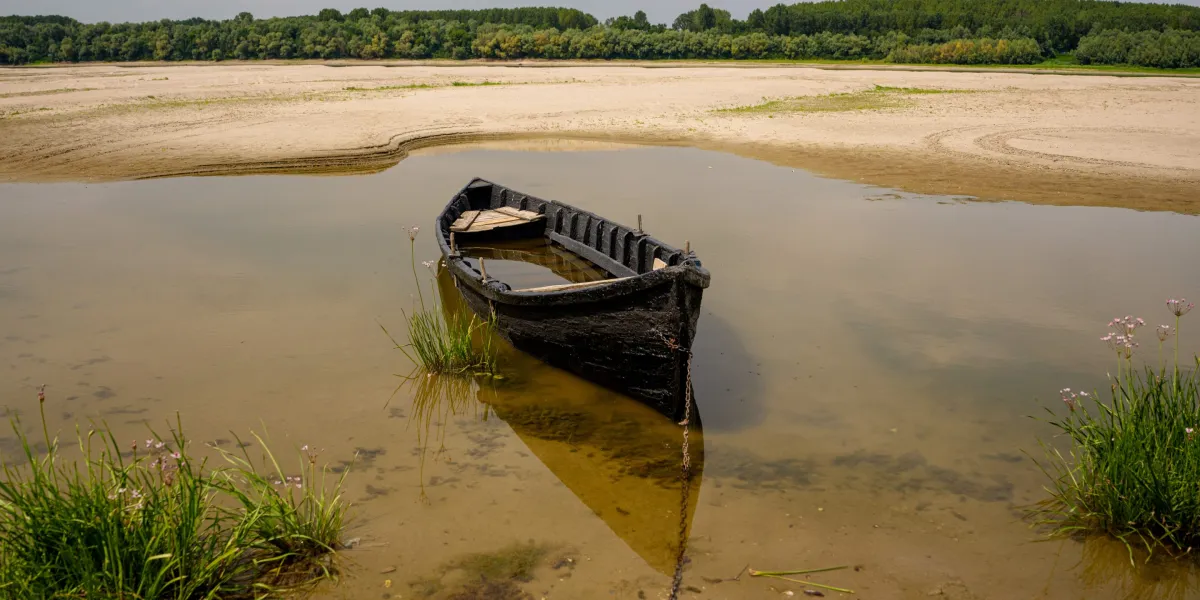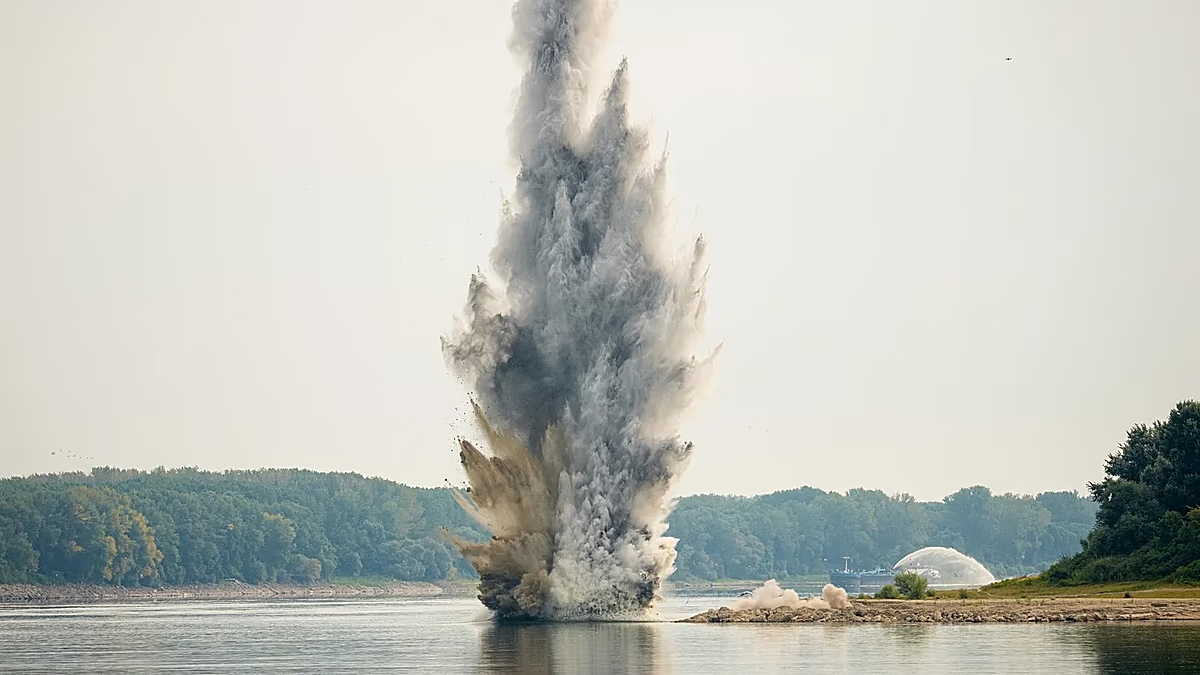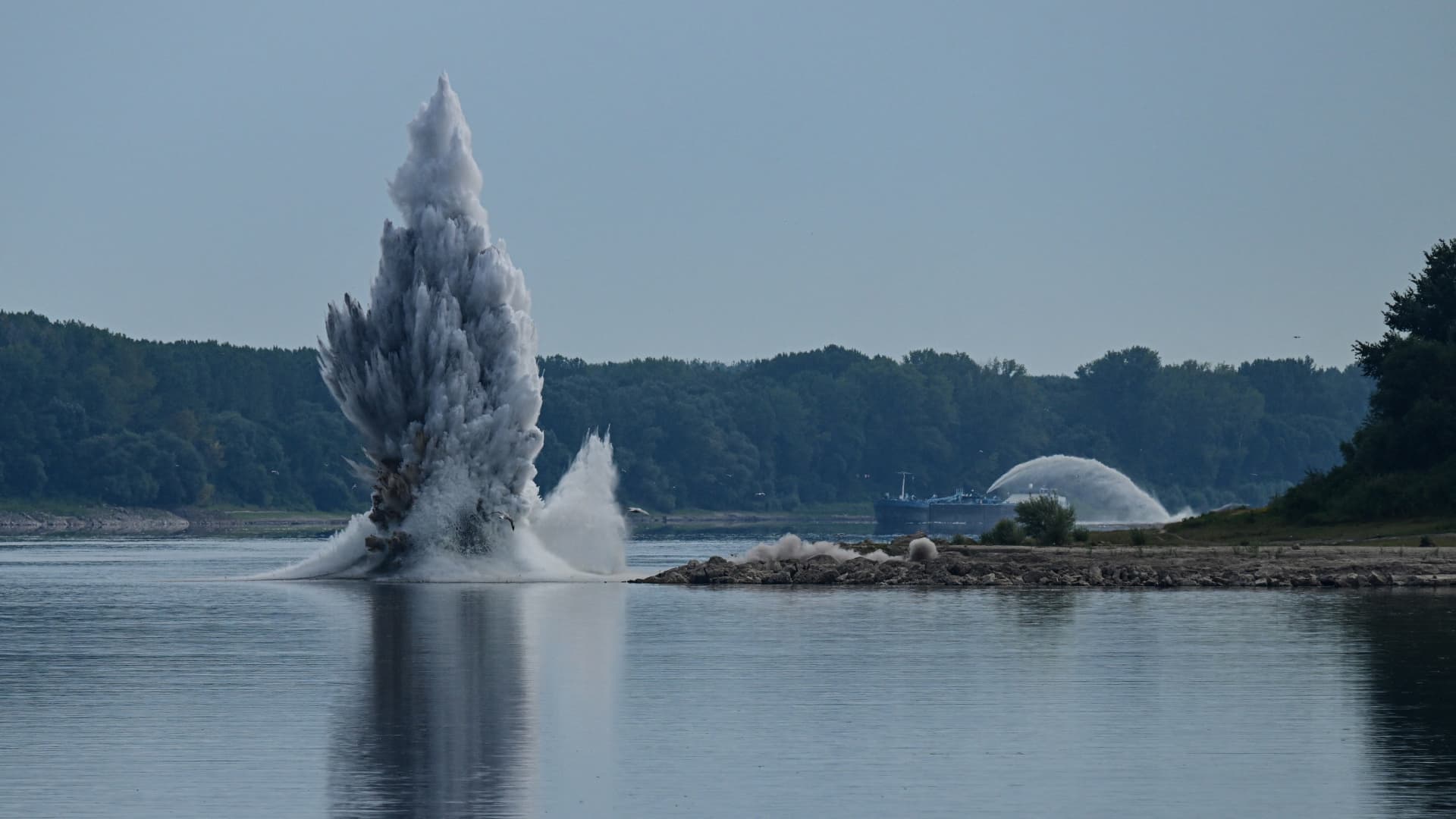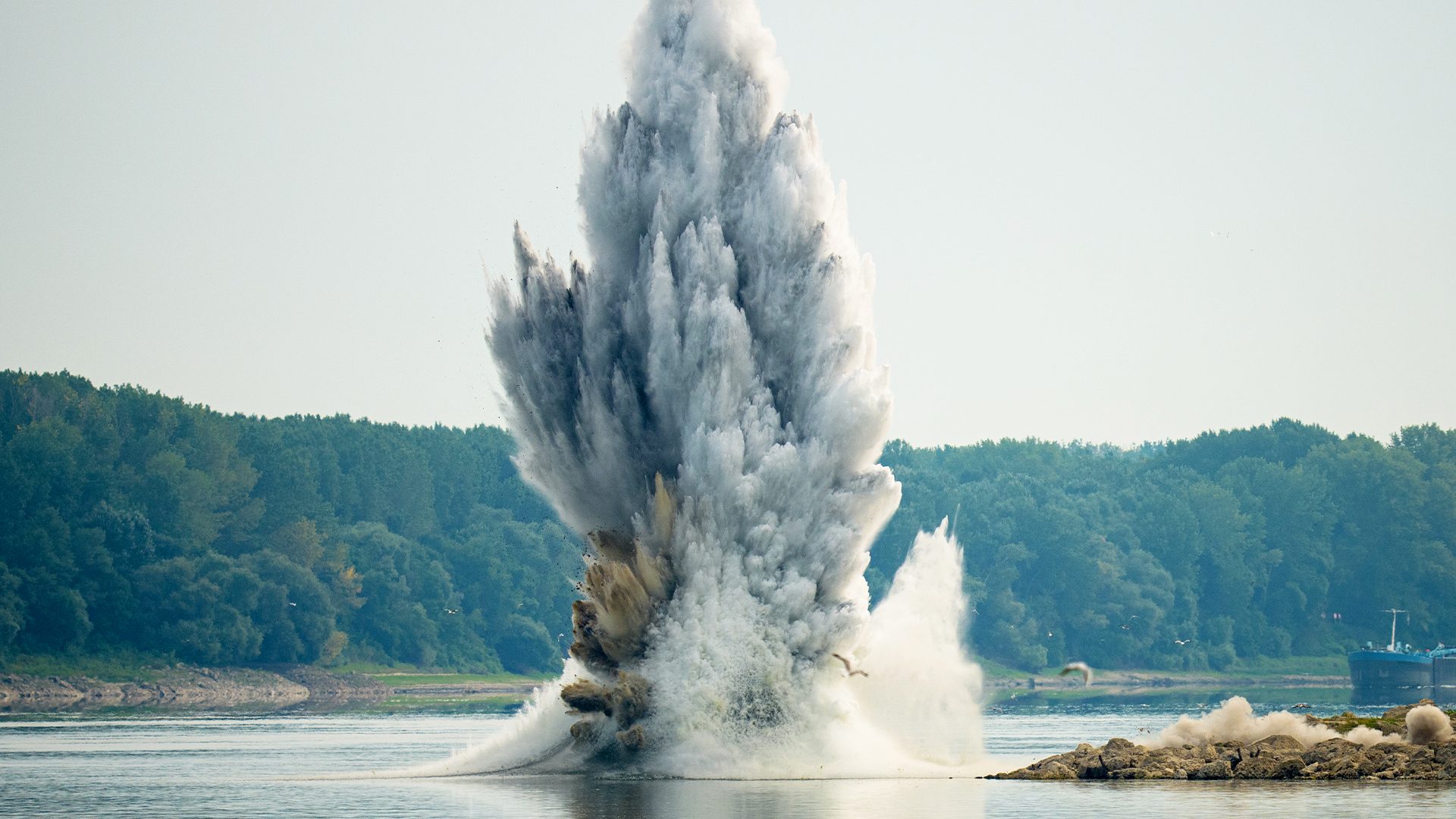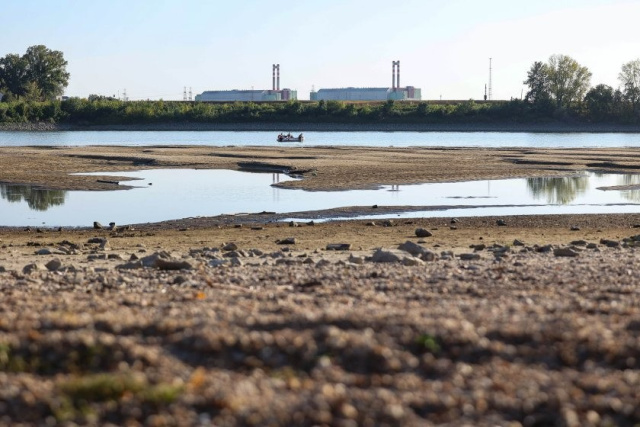
Farmers in Northern Bulgaria are facing severe financial pressure as drought and the sharply falling level of the Danube River threaten crops, irrigation and agricultural incomes across the region.
The prolonged heat and lack of rainfall have created critical conditions along the Bulgarian section of the river, affecting not only navigation but also farming communities in the Danube lowlands. Producers from Vidin, Montana, Vratsa, Pleven, Ruse and Silistra are reporting significant losses as corn and sunflower crops suffer from the combination of extreme temperatures and insufficient moisture.
The irrigation situation has become particularly difficult. As the Danube retreats, water levels near the riverbanks have fallen, making it harder or impossible for many pumping stations to operate. Farmers who invested in irrigation infrastructure are being forced to stop using their systems because they can no longer draw enough water.
Agricultural producers are also struggling with rising costs for fuel, fertilizers and crop protection products. Lower yields combined with higher expenses are pushing many grain farmers toward bankruptcy or serious financial difficulties.
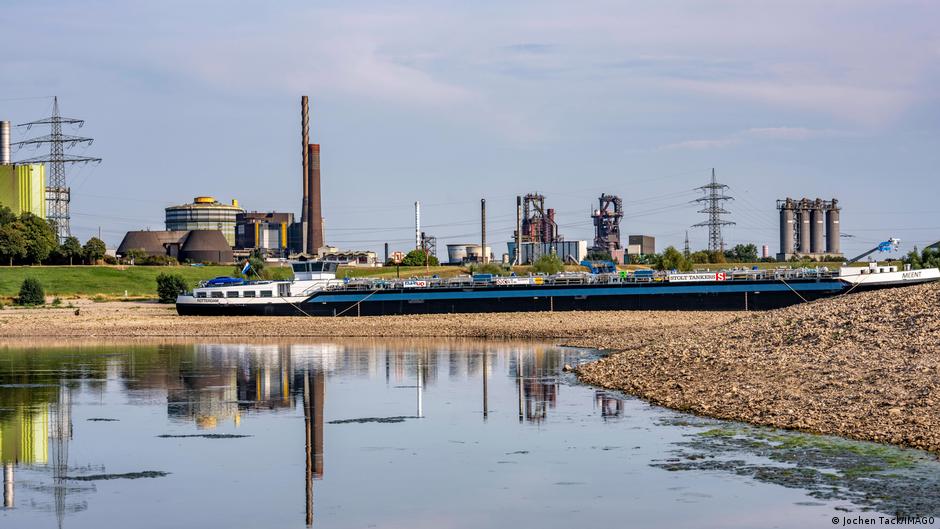
The crisis is further complicated by disruptions to river transport. Some farmers rely on the Danube to receive fertilizer deliveries or ship their production, but the almost halted navigation has created uncertainty and additional losses.