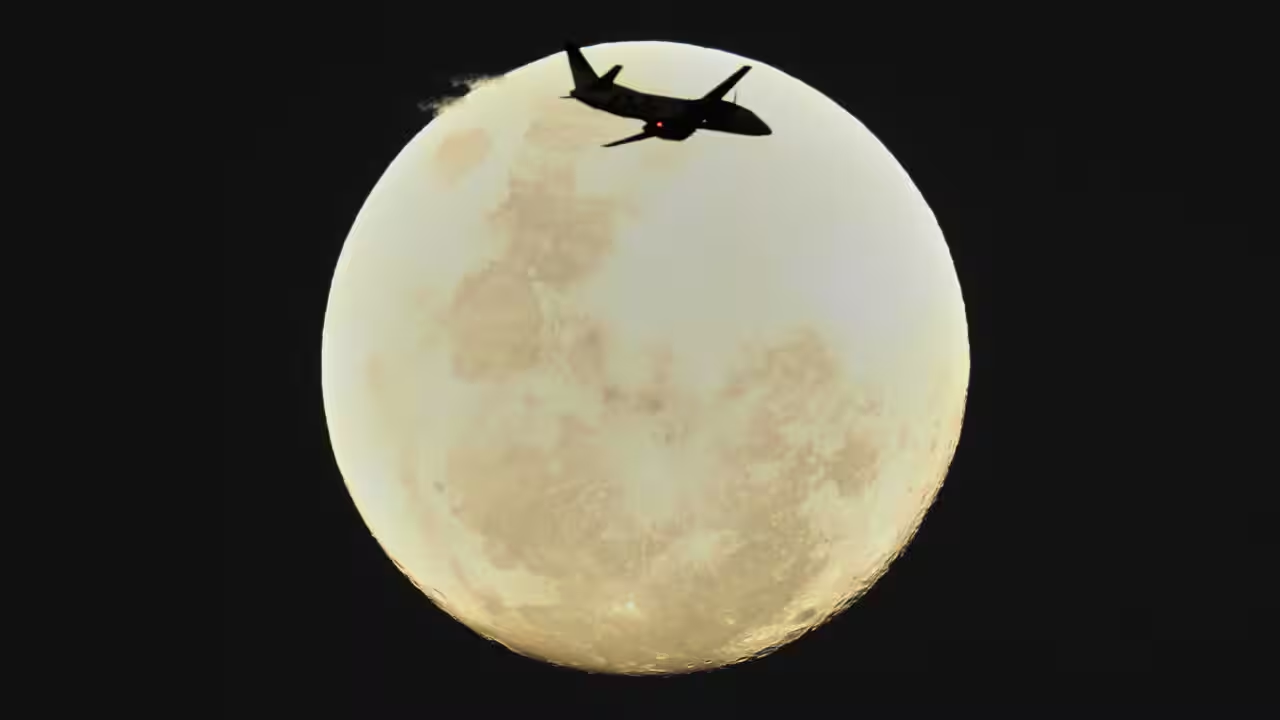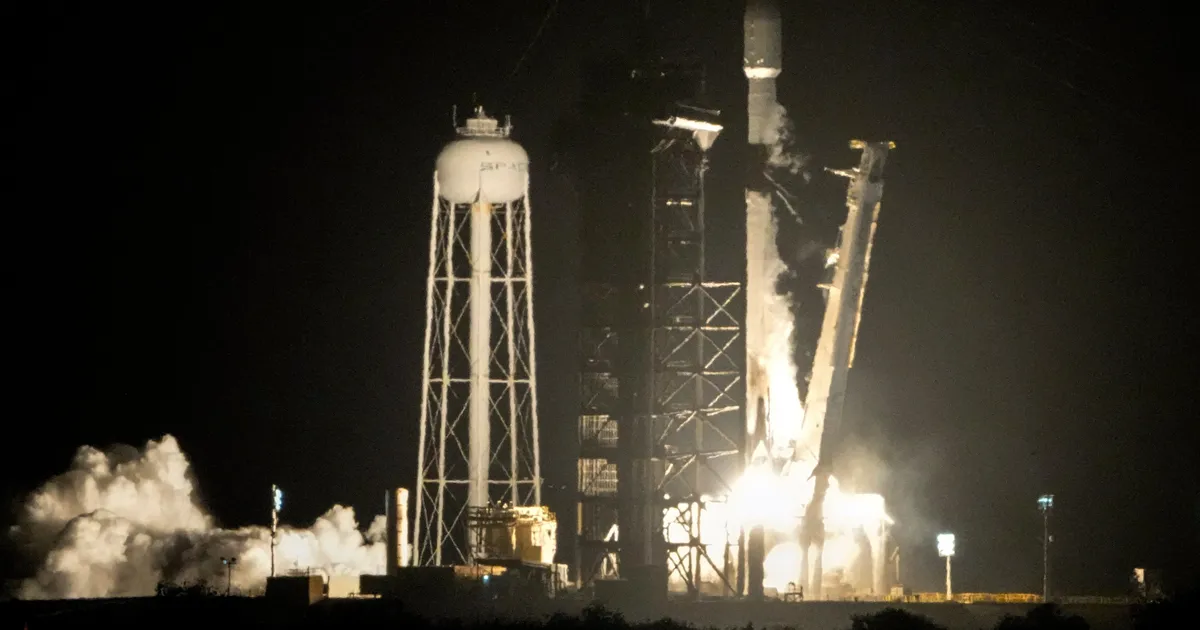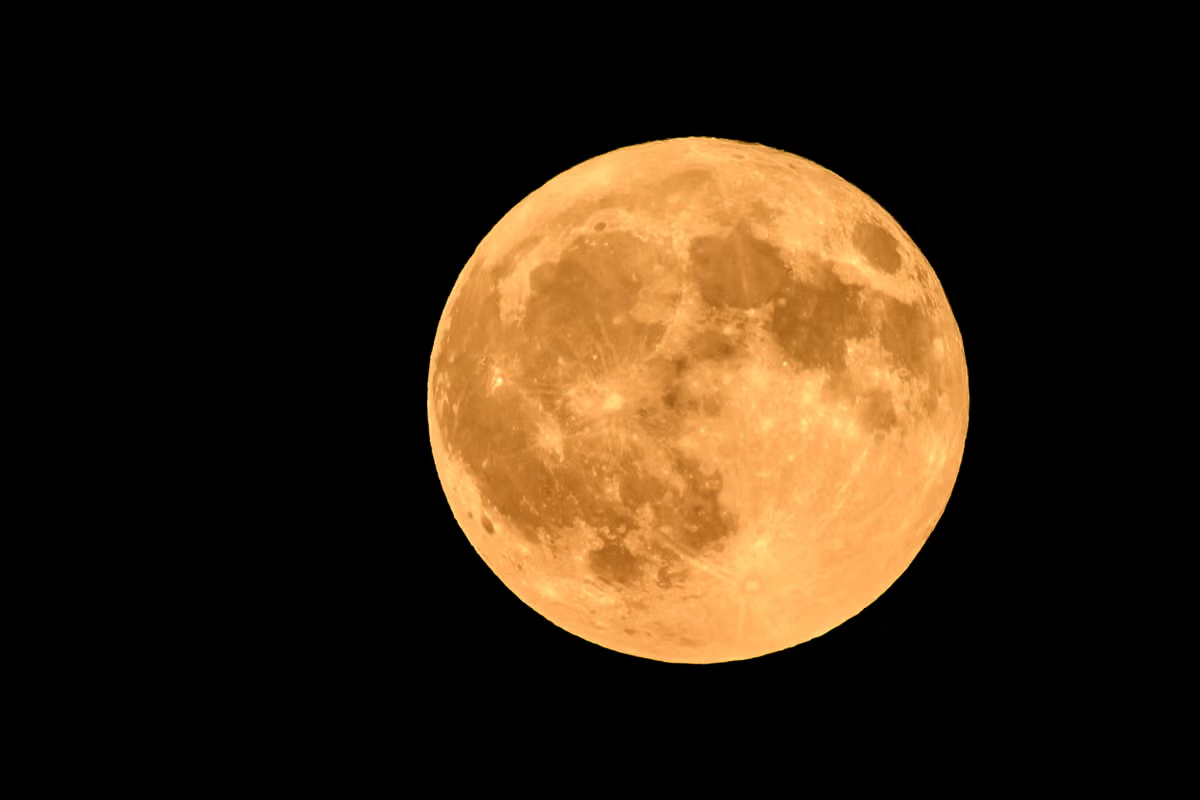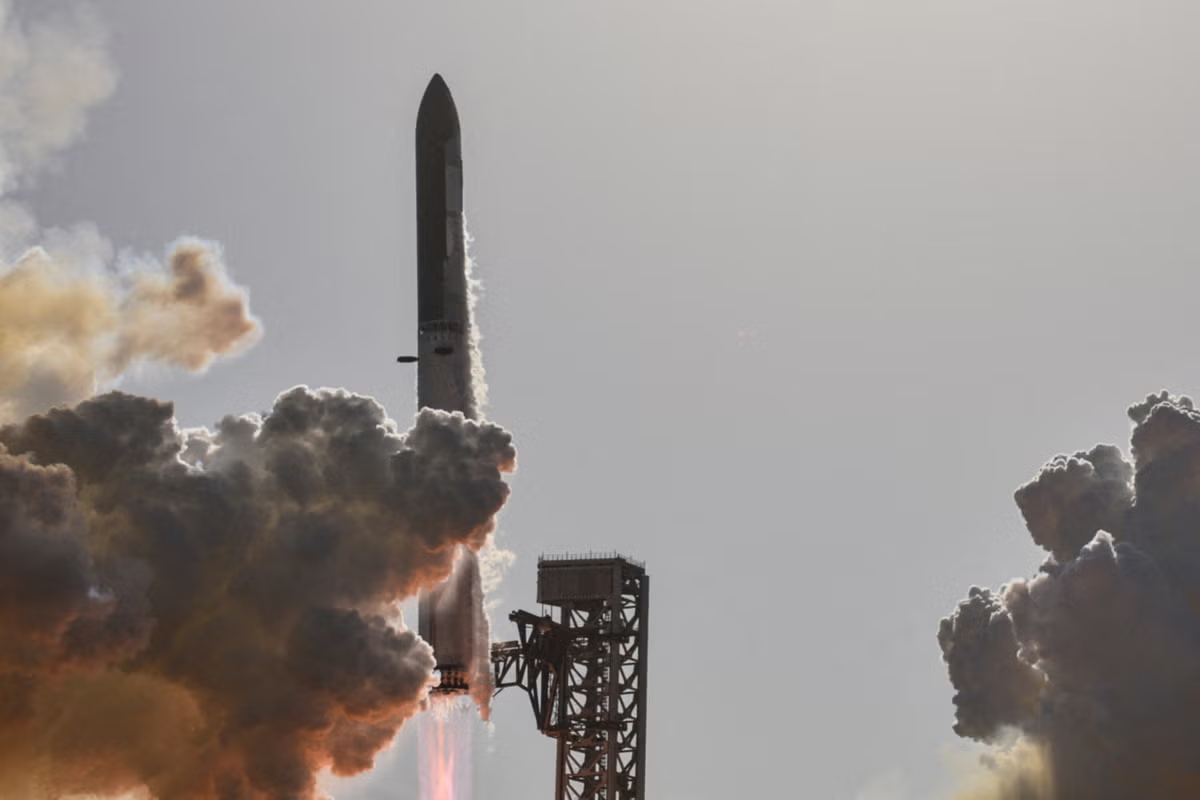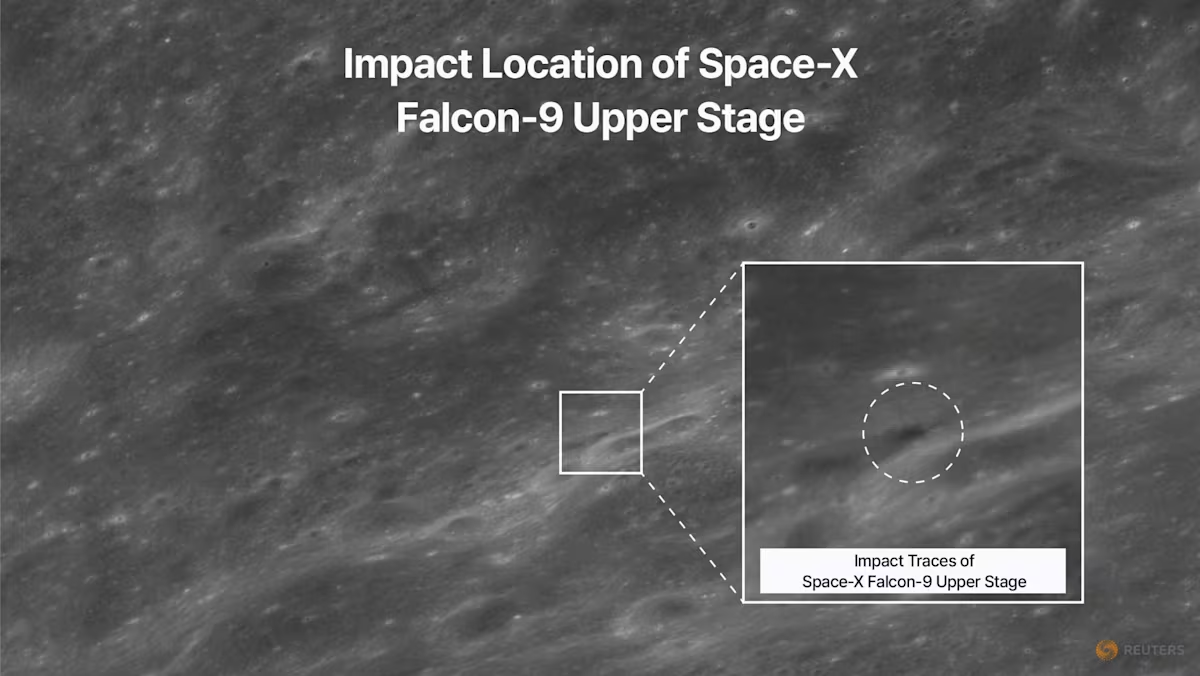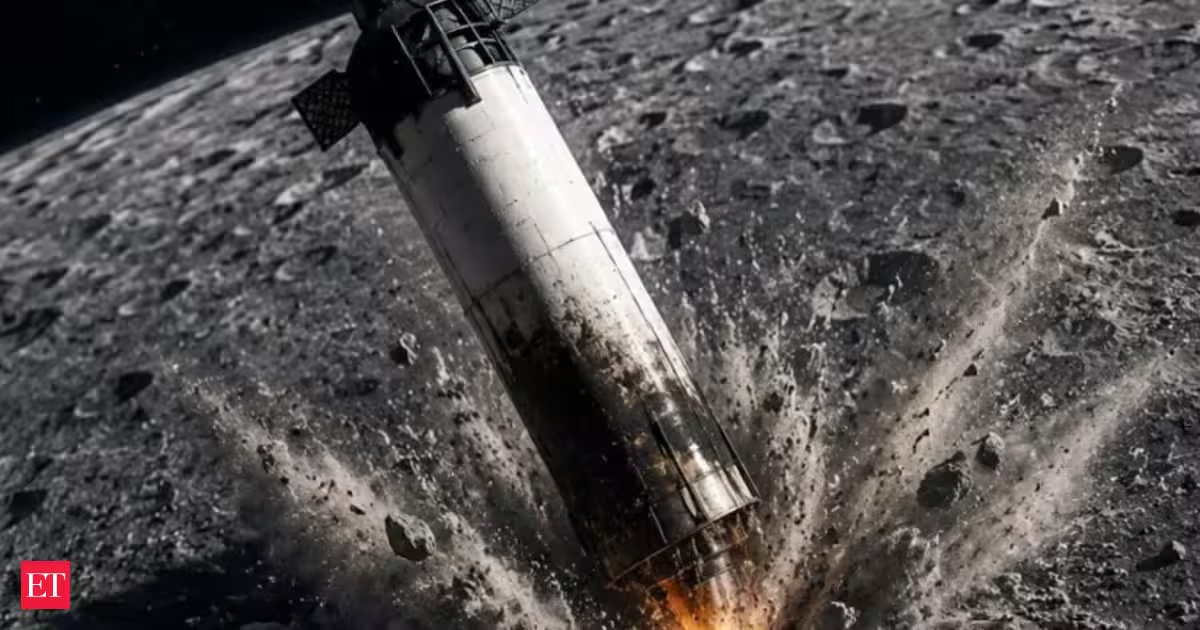
Although no one observed the actual 5,400-mph (8,700-kph) collision, a telescope in Chile spotted what astronomers have identified as the debris plume resulting from the crash. Space tracking experts said it was inevitable that the leftover rocket segment plowed into the moon.
It’s the latest instance of lunar litter, a problem that many fear could worsen as the U.S. and China race to put astronauts on the moon. In 2022, a Chinese rocket unintentionally hit the moon following a lunar mission, and many more stray rocket pieces likely struck the moon in decades past without scientists’ knowledge.
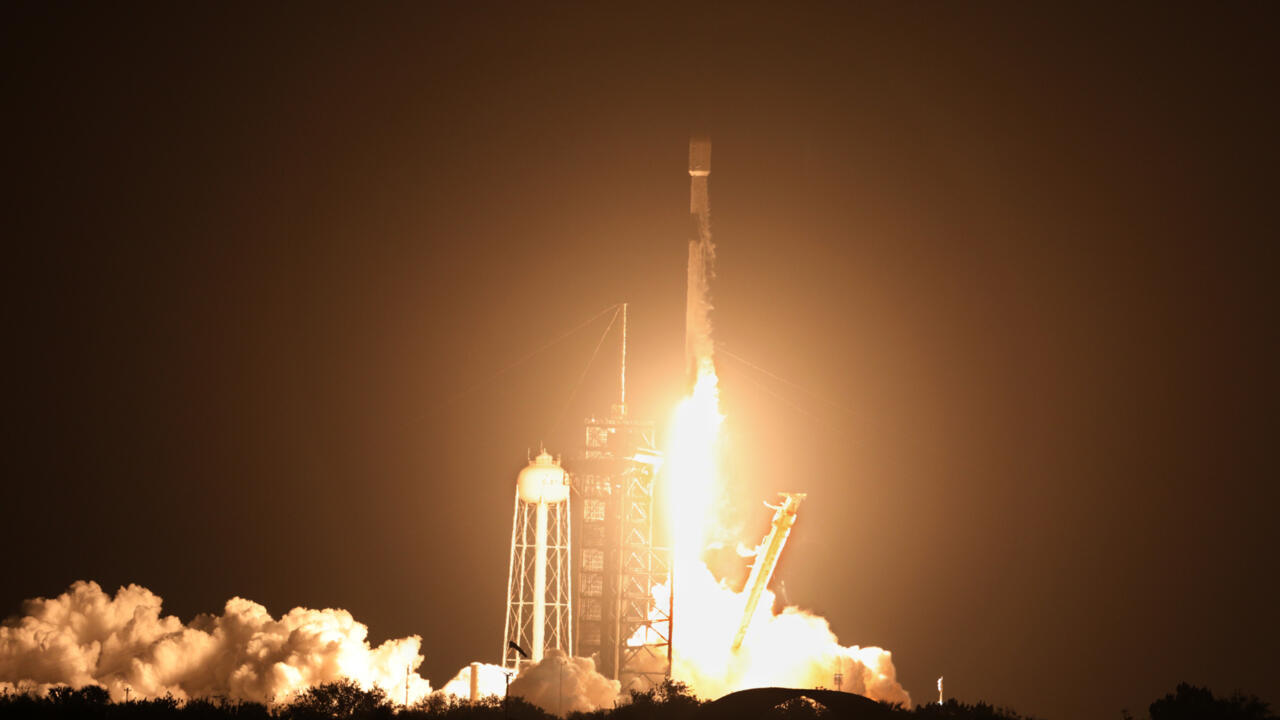
SpaceX’s Julianna Scheiman said this week that the company is working with NASA to avoid future wrecks, stressing that this projected crash was not deliberate. A combination of solar activity and gravity accidentally put it on a collision course with the moon, she said.
Boston University’s Carl Schmidt said he is “100% certain” that his team’s observations revealed signs of the lunar crash. The European Southern Observatory’s Very Large Telescope detected a stream of sodium and lithium stretching for miles (tens of kilometers) into space for at least five to 10 minutes following the impact, he added.