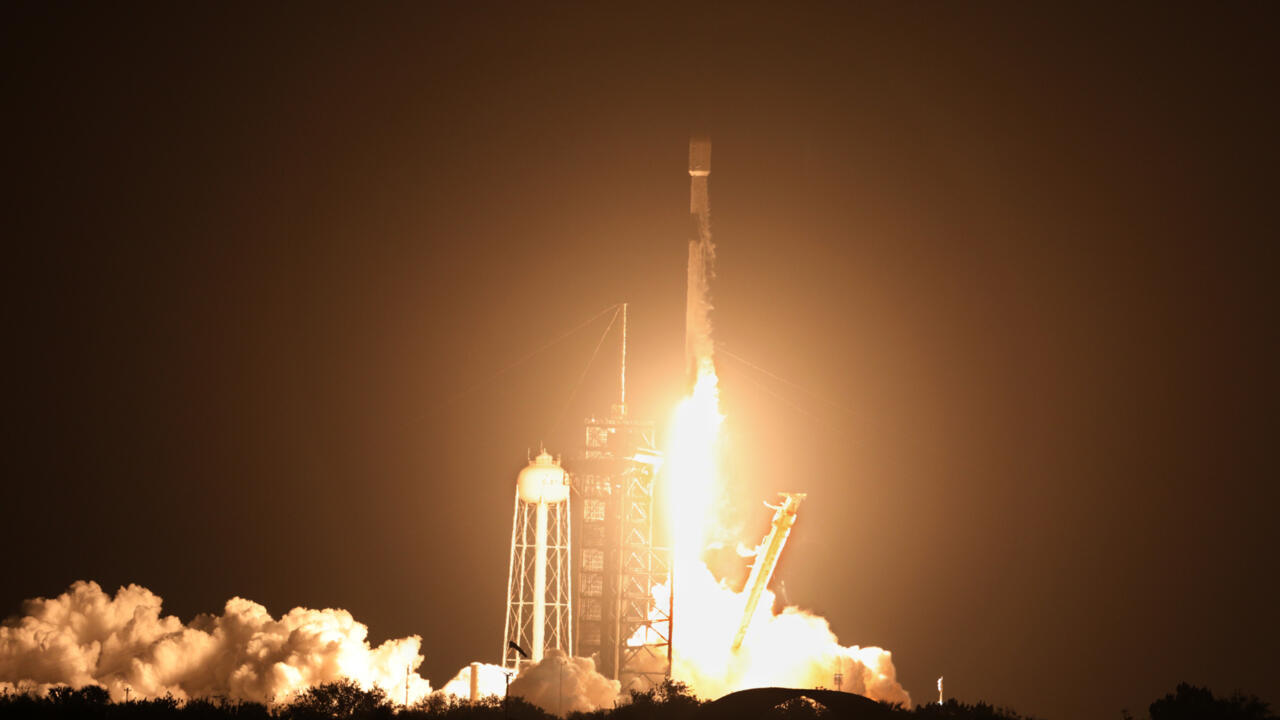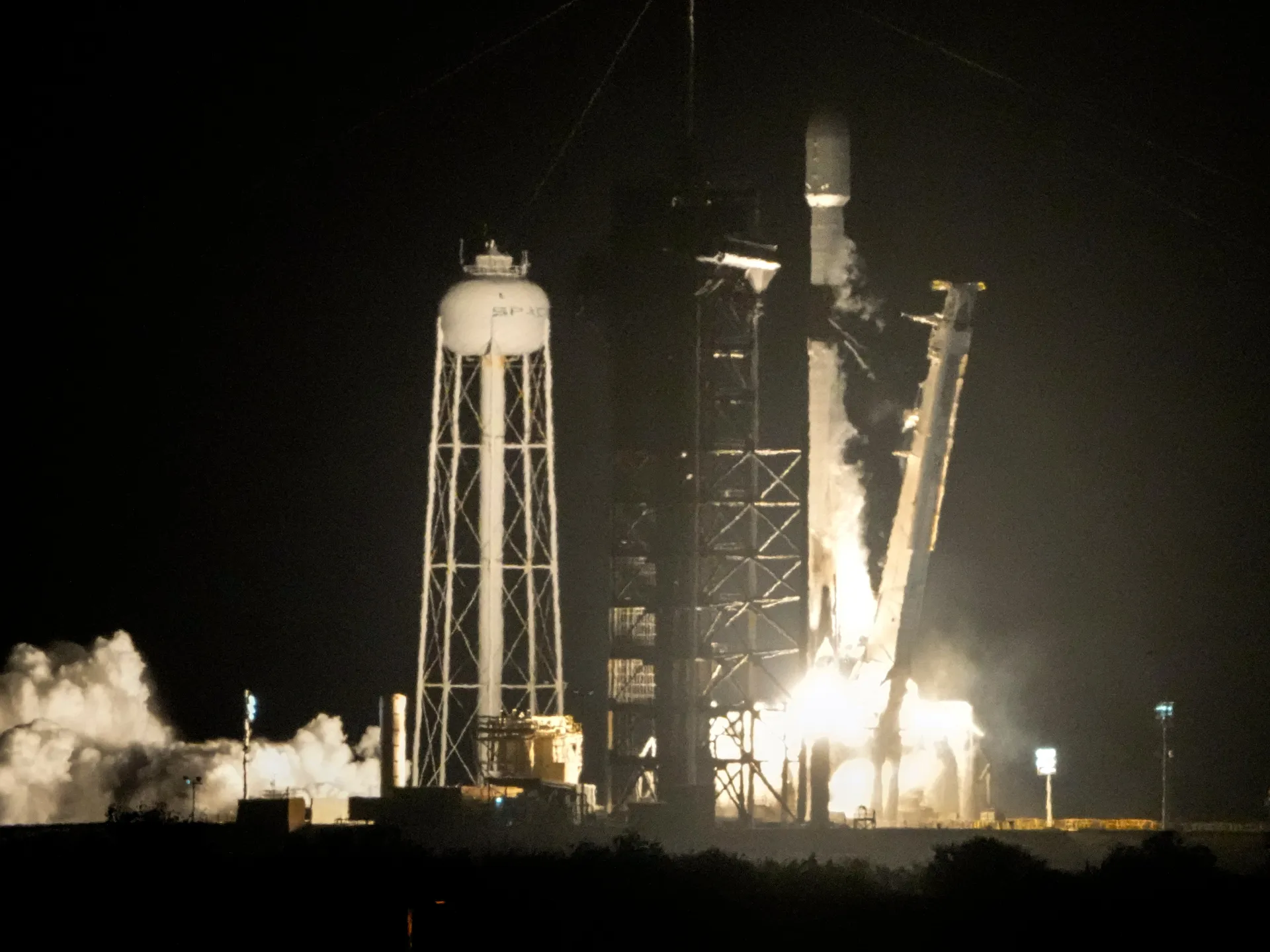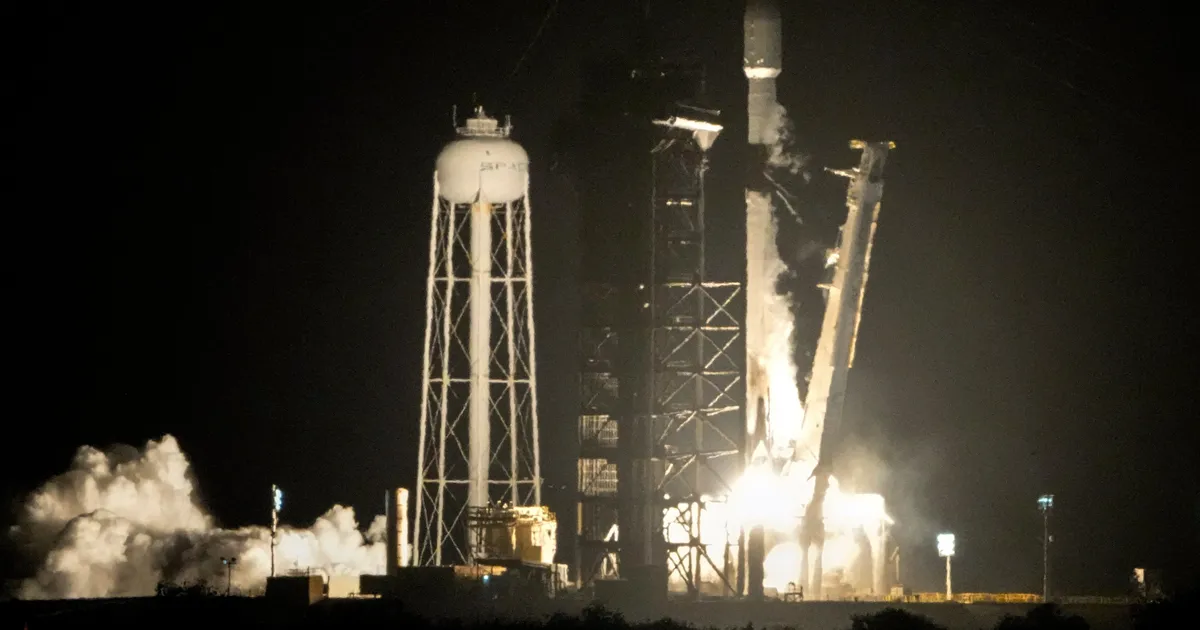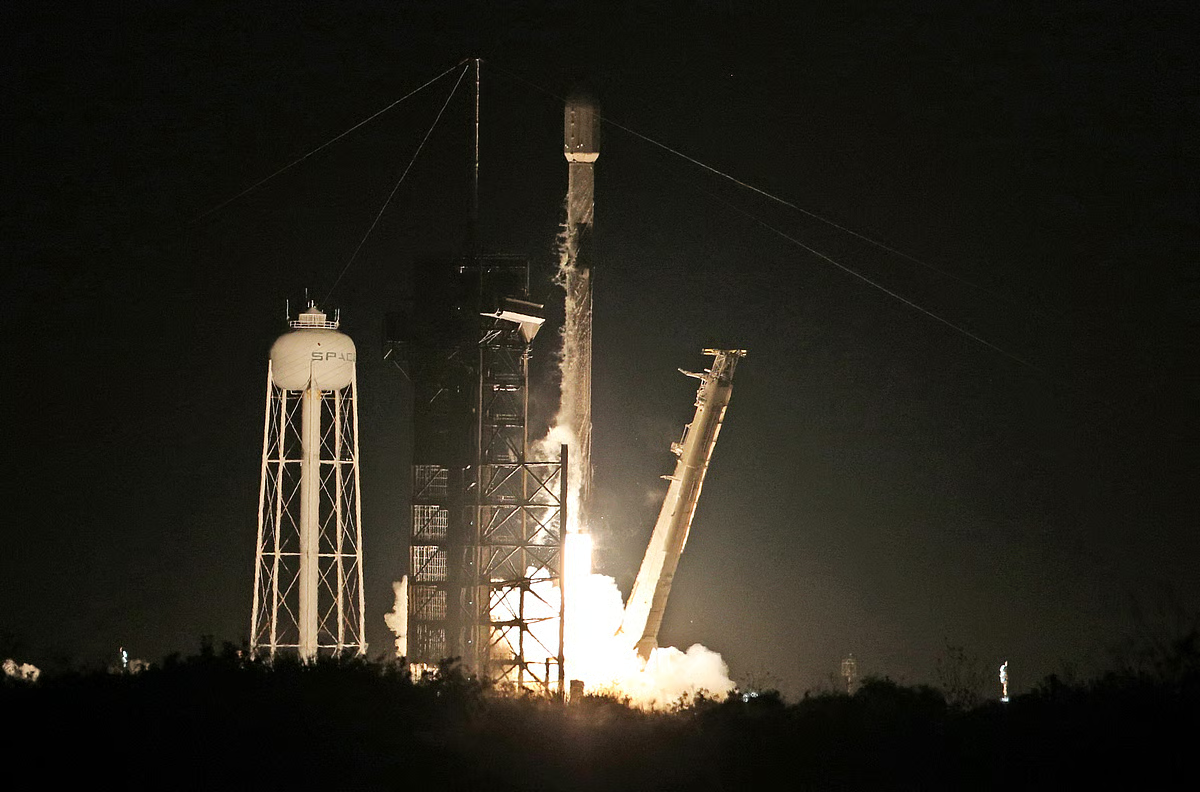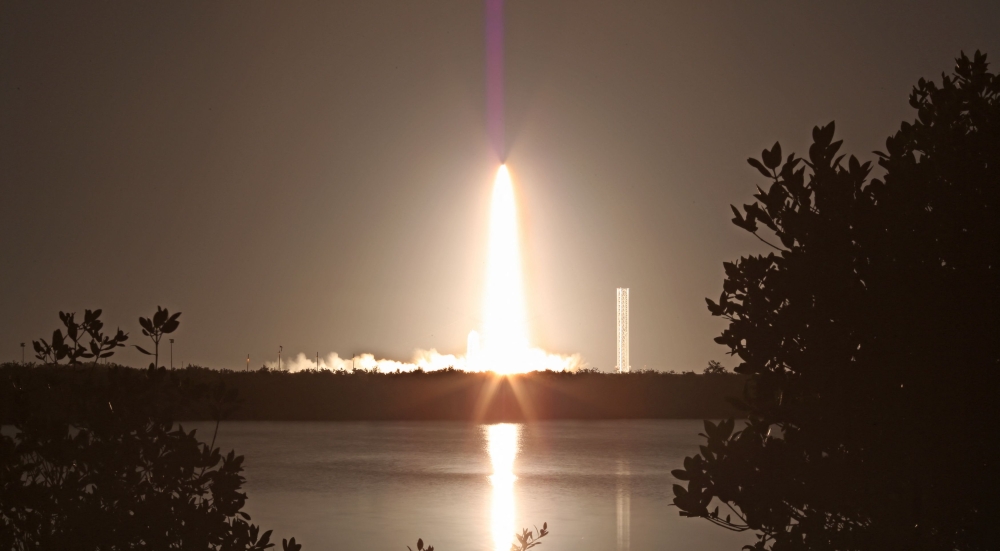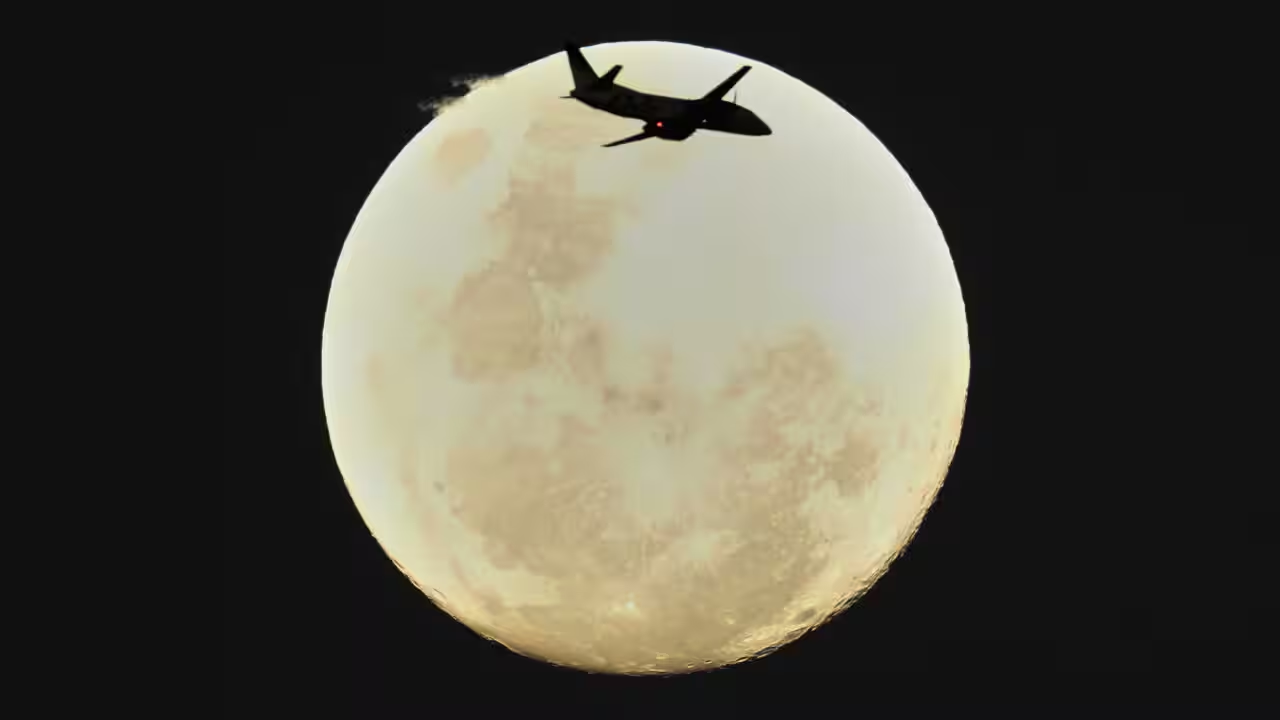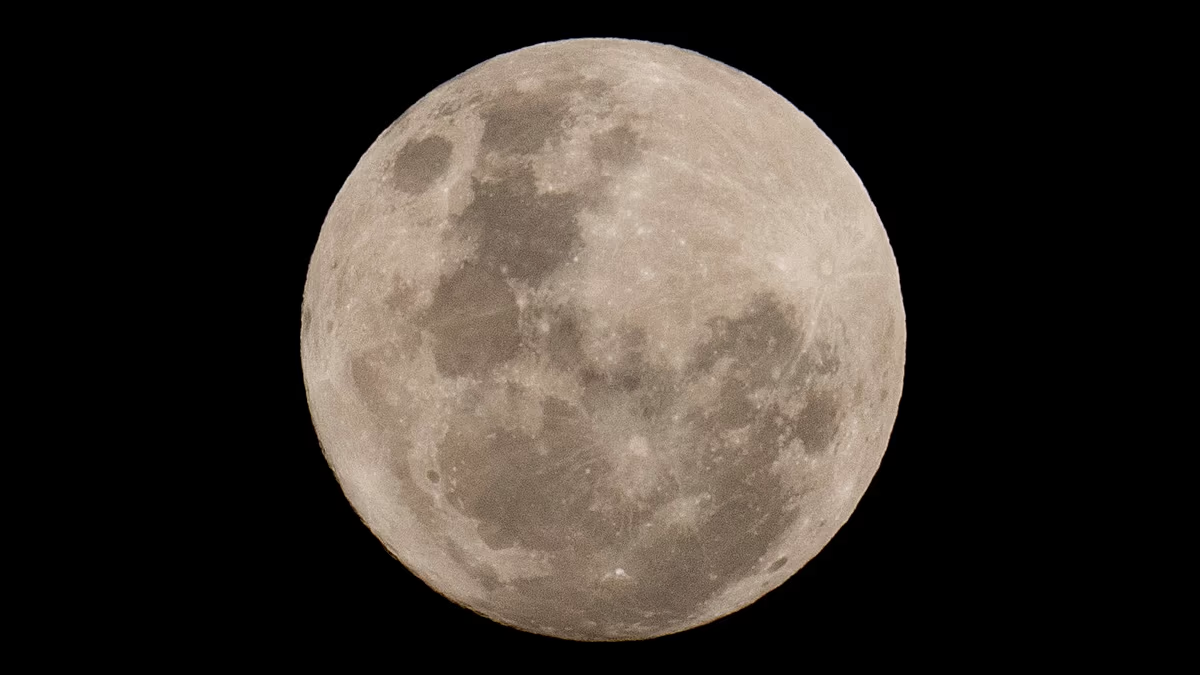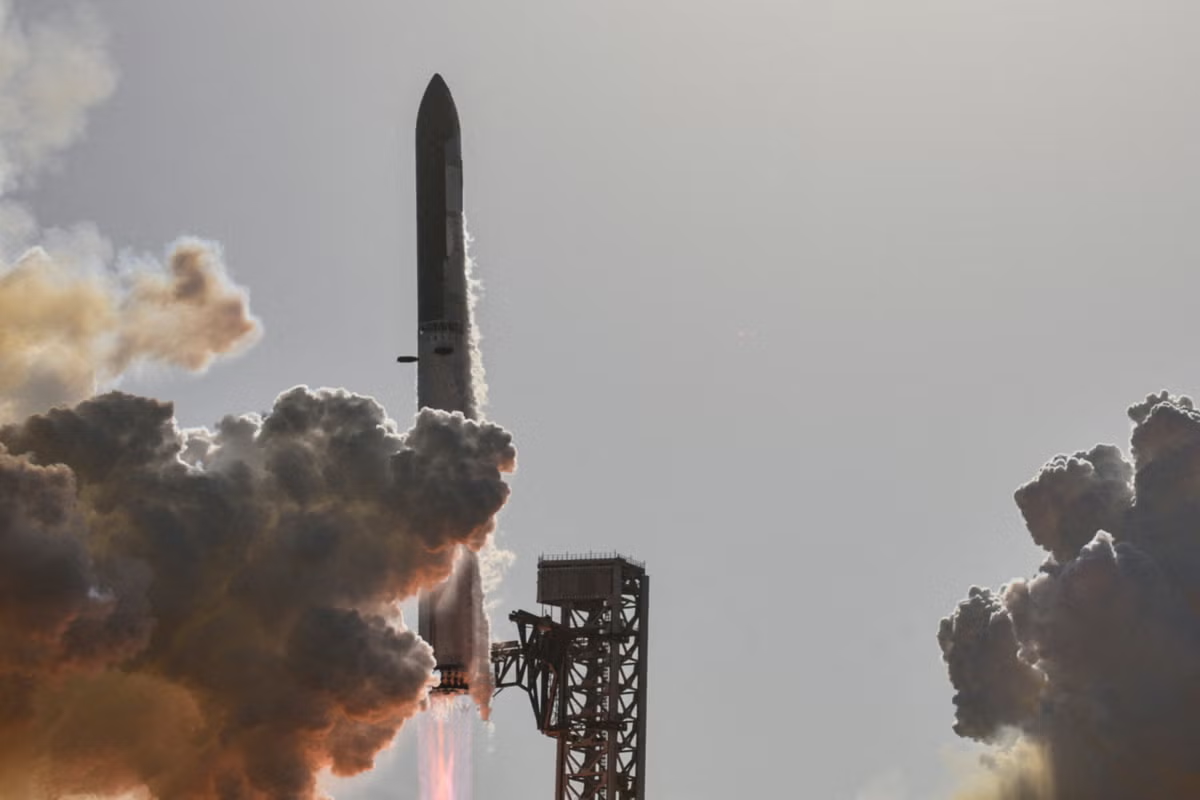
NEW YORK: Part of a SpaceX rocket approximately the size of a bus slammed into the moon as predicted, scientists said on Wednesday (Aug 5), after a telescope in Chile captured evidence of a stream of debris.The collision, which was not intentional, posed no danger to Earth and is expected to have left a lunar crater in its wake that space agencies, including NASA, still hope to document.Scientists anticipated the Falcon 9 upper stage was going to strike the lunar surface at approximately 6.35am GMT (2.35pm, Singapore time) on Wednesday.And it did, the European Southern Observatory said on social media on Wednesday, based on observations recorded by its Very Large Telescope.
The telescope "detected spectral lines", the observatory said, which it called "chemical fingerprints" of "sodium and lithium gas in the impact plume lasting for 5-10 minutes after impact"."The sodium likely originated from the lunar soil, whereas the lithium could come from the rocket itself," the post continued, adding that the team would offer more details following fuller analysis.
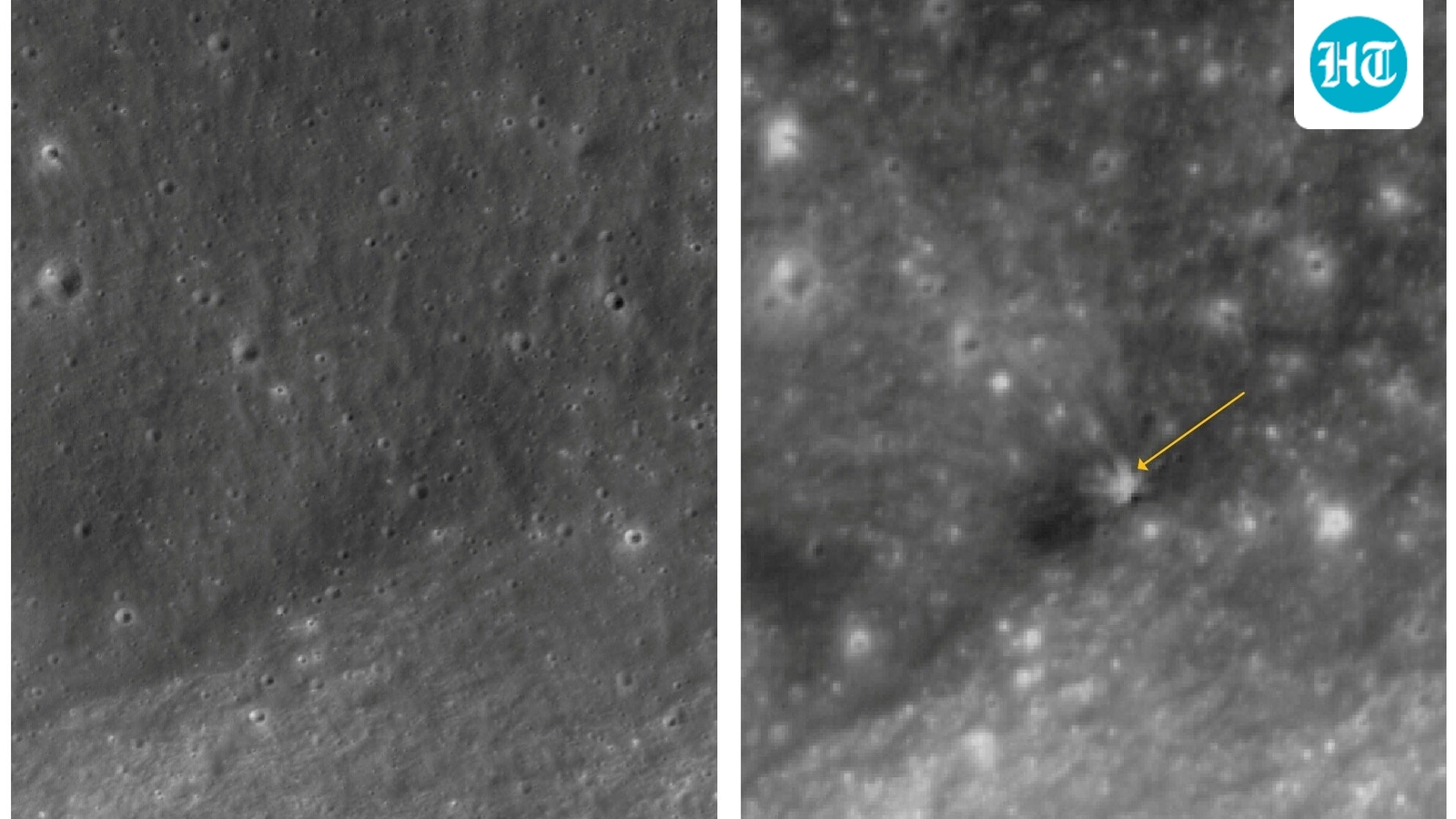
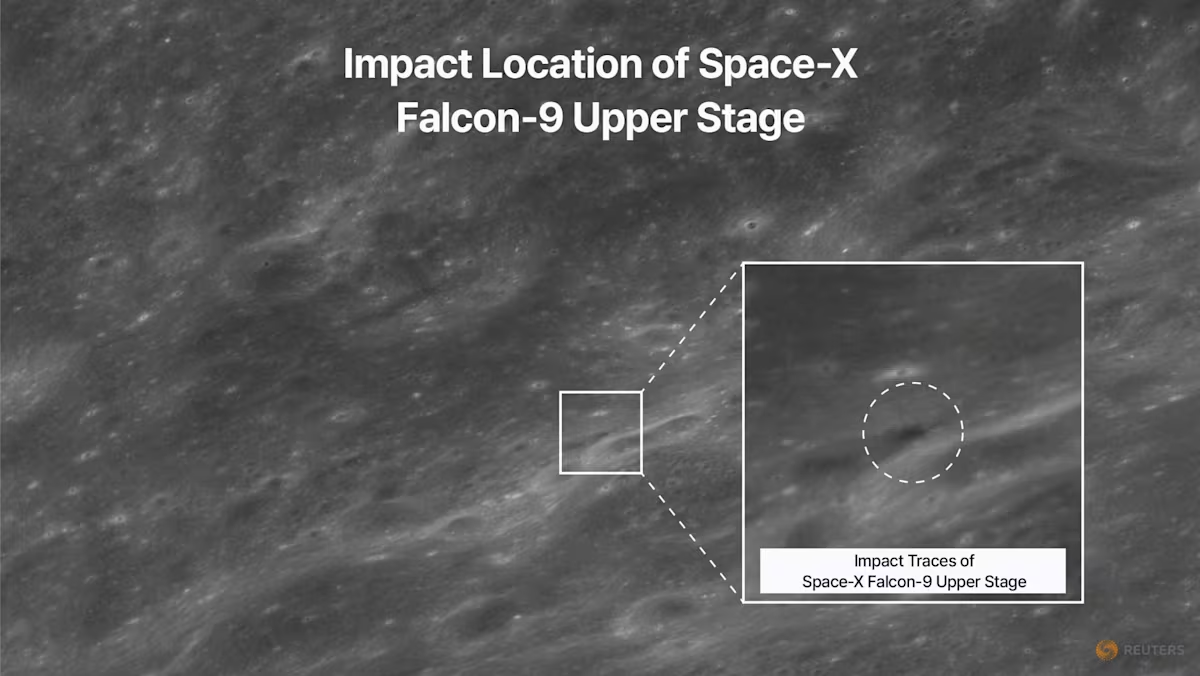
A composite of satellite images shows the surface of the moon before and after the crash of the second stage of a SpaceX Falcon 9 rocket, which was launched from Firefly Aerospace towards the moon in January 2025, in this handout image released on Aug 6, 2026. (Image: KARI/KASA via Reuters)