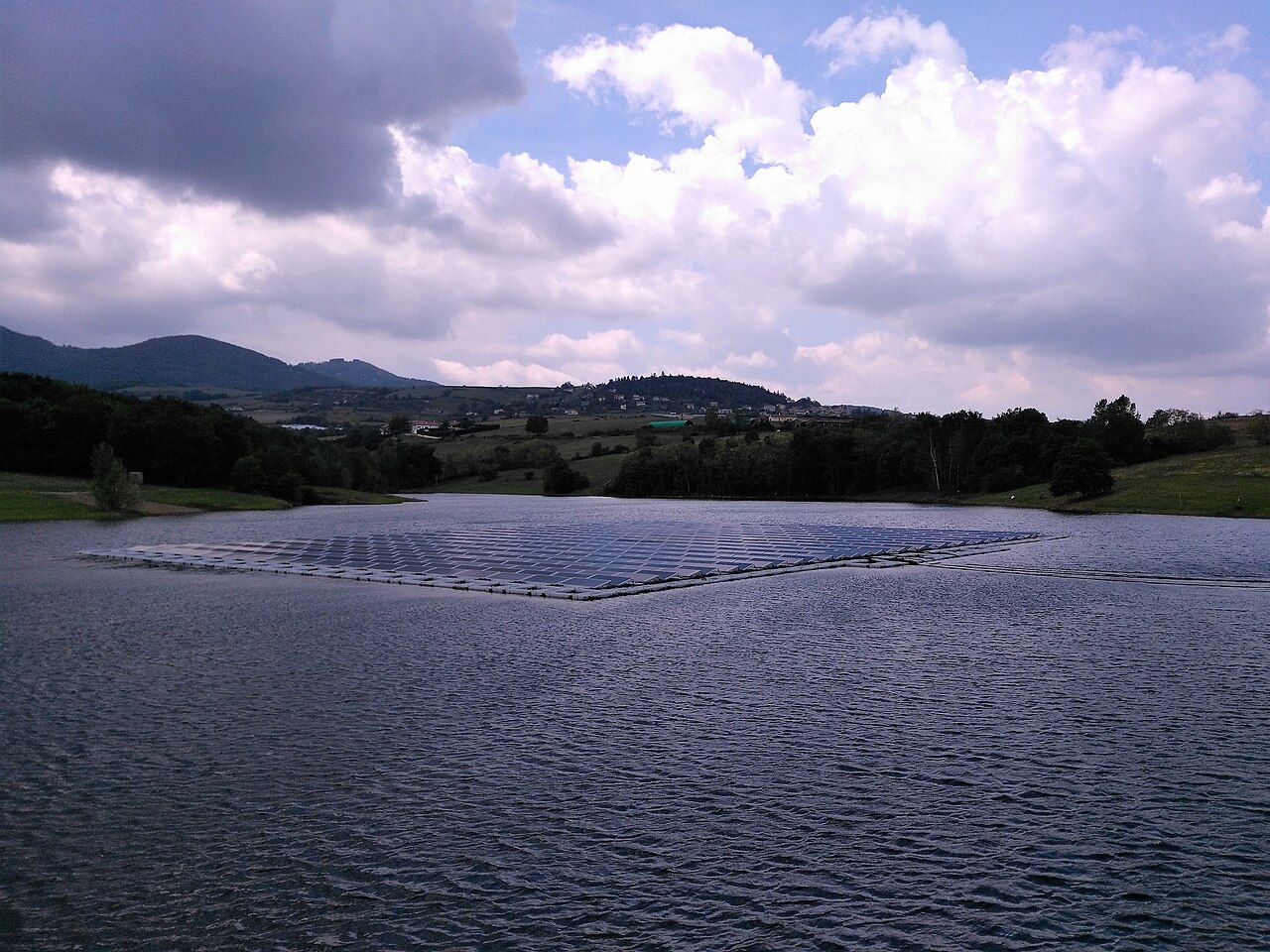
Research from the Netherlands comparing the social acceptance of three floating PV projects finds community backing differed as the concerns of local communities where address differently in each case.
Involving communities throughout the development of a floating PV park is key to securing local project support, according to new research.
Researchers Carel Dieperink and Henriëtte Tulp, from the Copernicus Institute of Sustainable Development at Utrecht University, developed an analytical framework to compare the social acceptance of three Dutch floating PV projects. Their findings are presented in the paper, Turning rejection into reflection: Exploring factors influencing community acceptance of floating solar photovoltaic systems in the Netherlands, available in the journal Energy Policy.
The three floating PV projects included in the research, named Beilen, Deest and Tynaarlo and located in the municipalities Druten, Midden-Drenthe and Tynaarlo, were selected from a group of the the ten largest floating PV parks in the Netherlands.
Each of the three projects are situated on former sand extraction lakes, are between 15-30 MW in capacity and are situated at similar distances from residential areas with broadly similar socio-demographic characteristics, the research paper says.