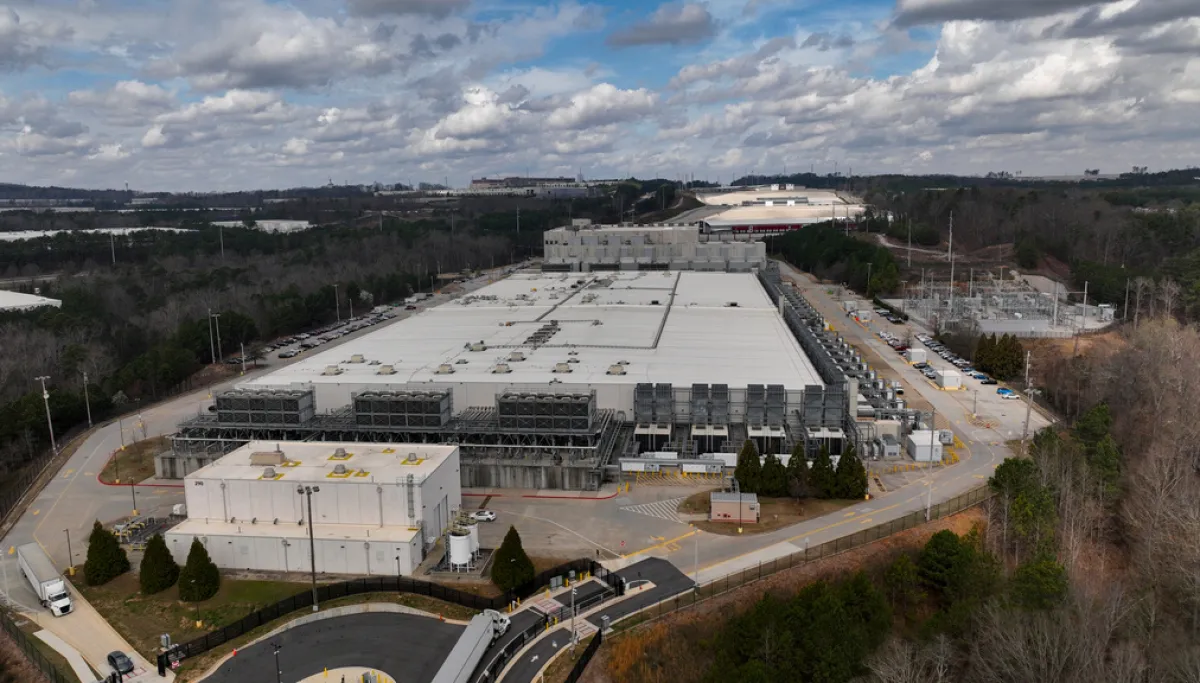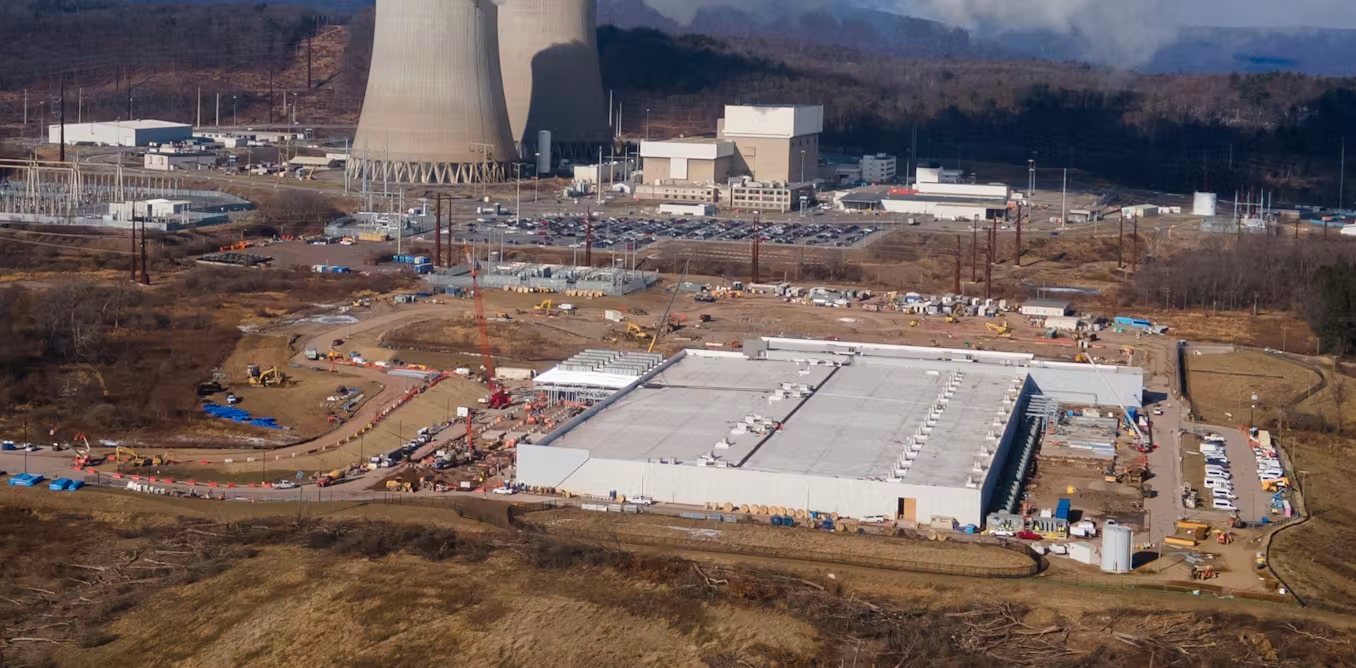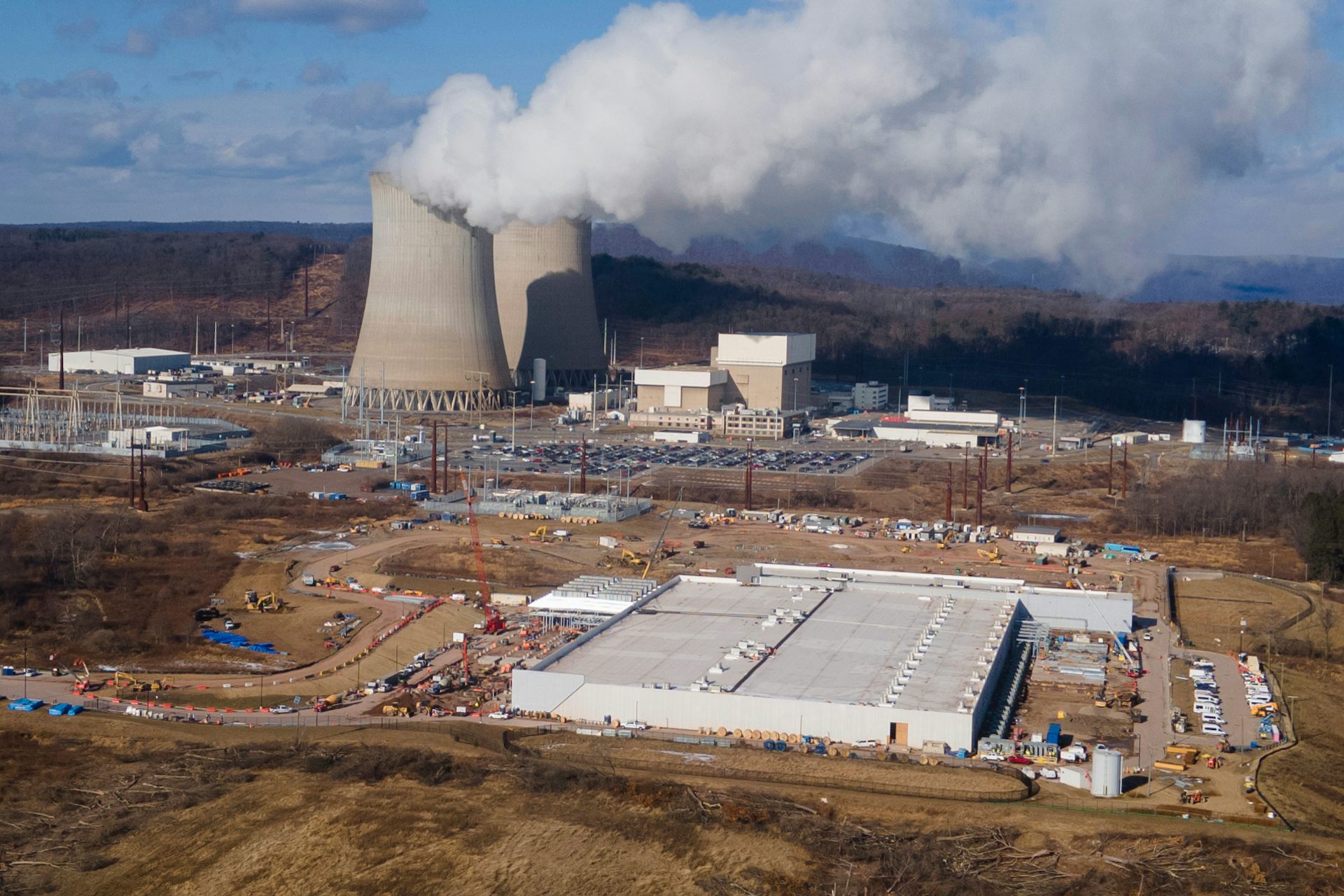
Across the United States, communities are being asked to host data centers and to absorb industrial-scale power loads, water demand, infrastructure pressures, and neighborhood impacts unlike anything they have ever experienced.
The rapid expansion of data center development is colliding with the realities of local governance. Developers want speed, predictability, and clear timelines. Cities and counties need information, safeguards, and time to understand what these massive facilities mean for their residents. The gap between those priorities is widening, and the consequences are increasingly a problem.
Microsoft co-founder Bill Gates recently warned that “a public already suspicious of AI does not need to be told its fears are imaginary." According to Miquel Vila, a researcher at 10a Labs: “the industry has already learned this in cash. About 48 projects worth $156 billion were blocked or stalled in 2025; another twenty died in the first quarter of this year."
Community resistance is real, growing, and increasingly shaping the future of the U.S. data center industry. In many regions, opposition is no longer a fringe reaction — it is becoming a structural barrier to development. Data centers have been stopped cold because of community backlash. The question facing the industry is no longer whether communities will push back, but how developers will respond.