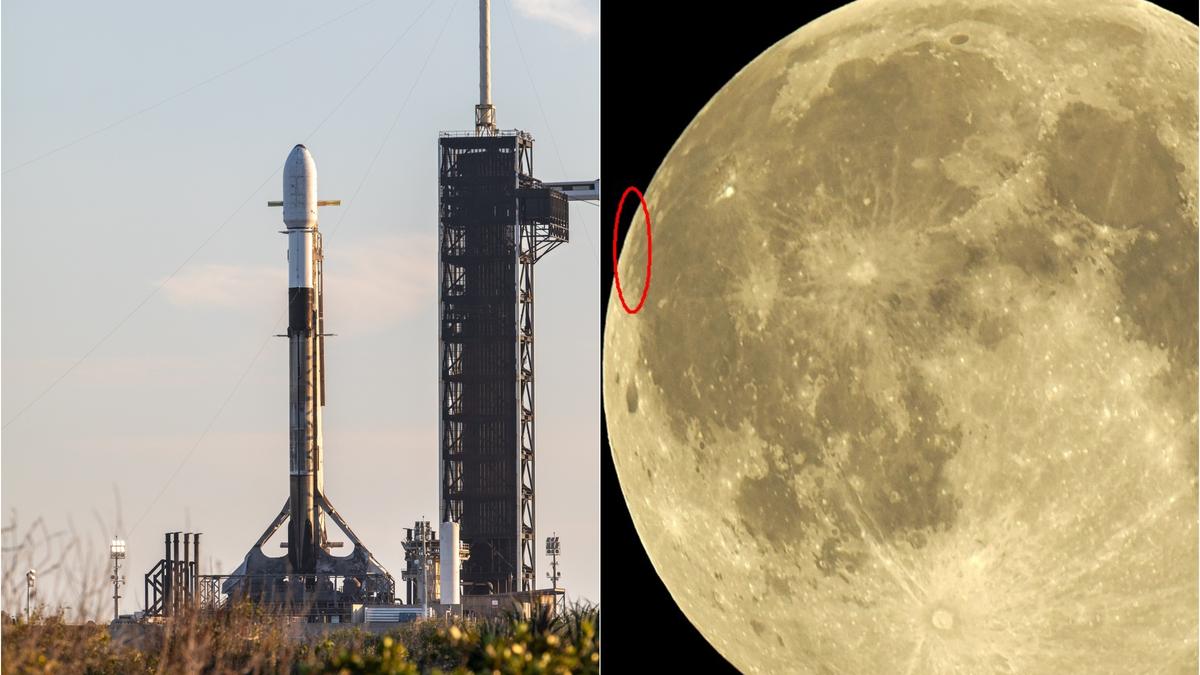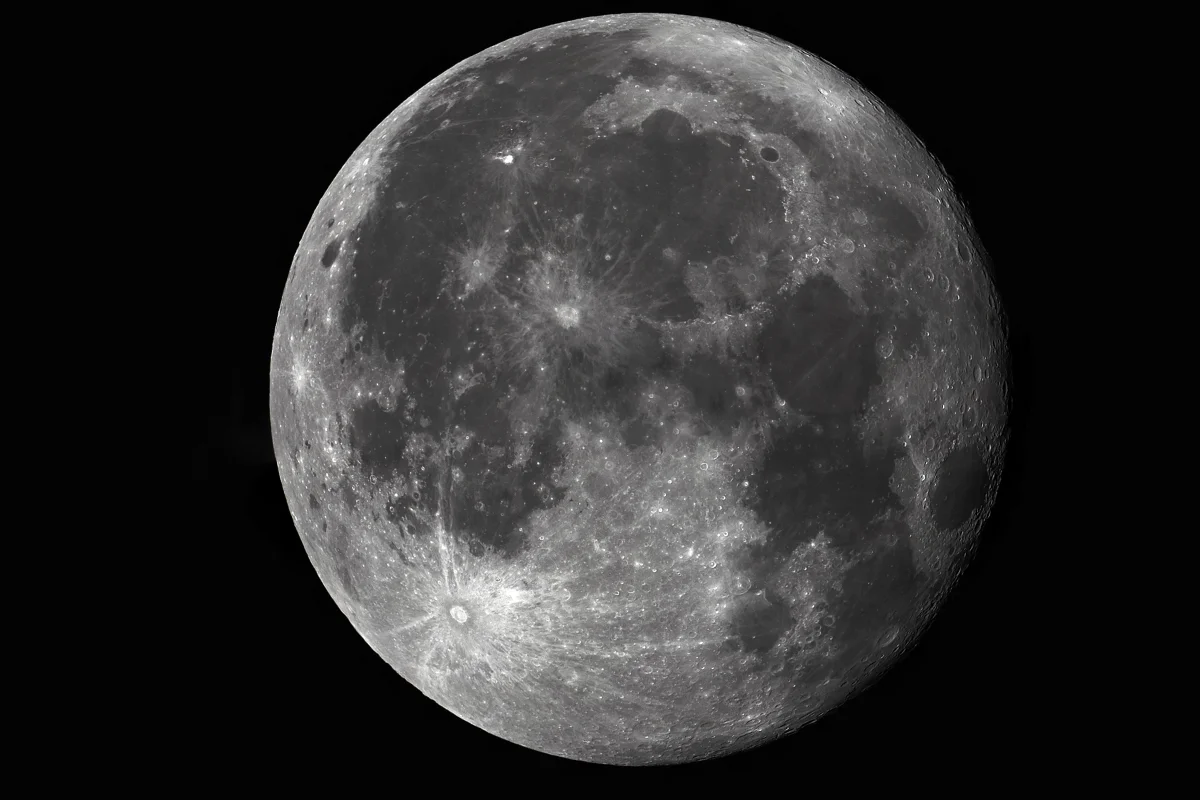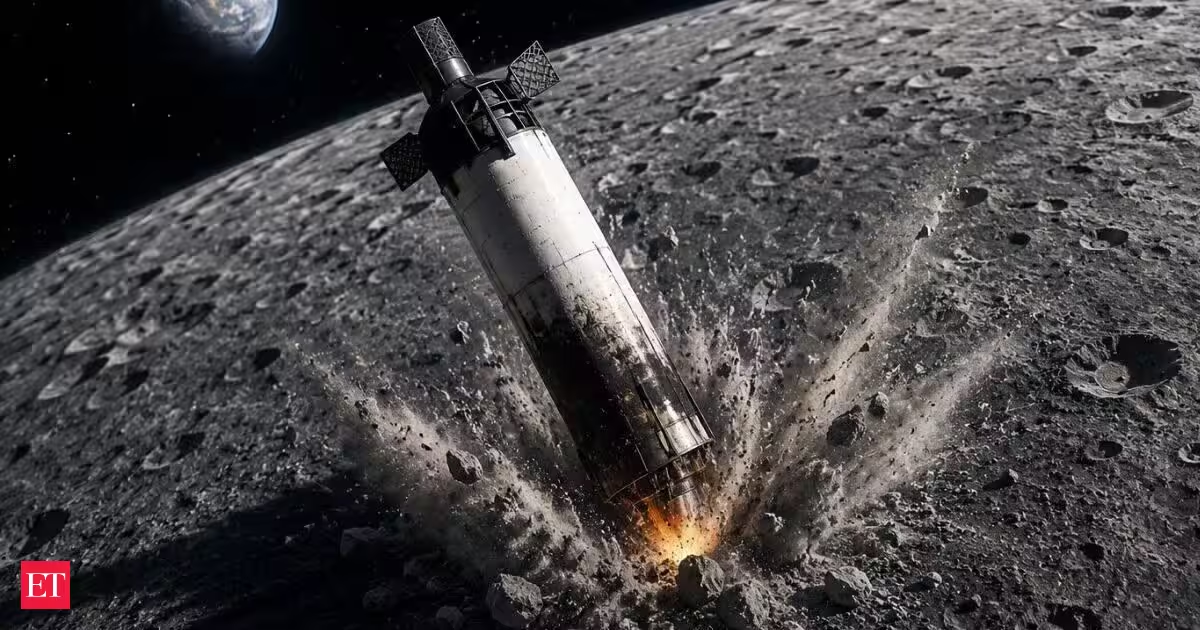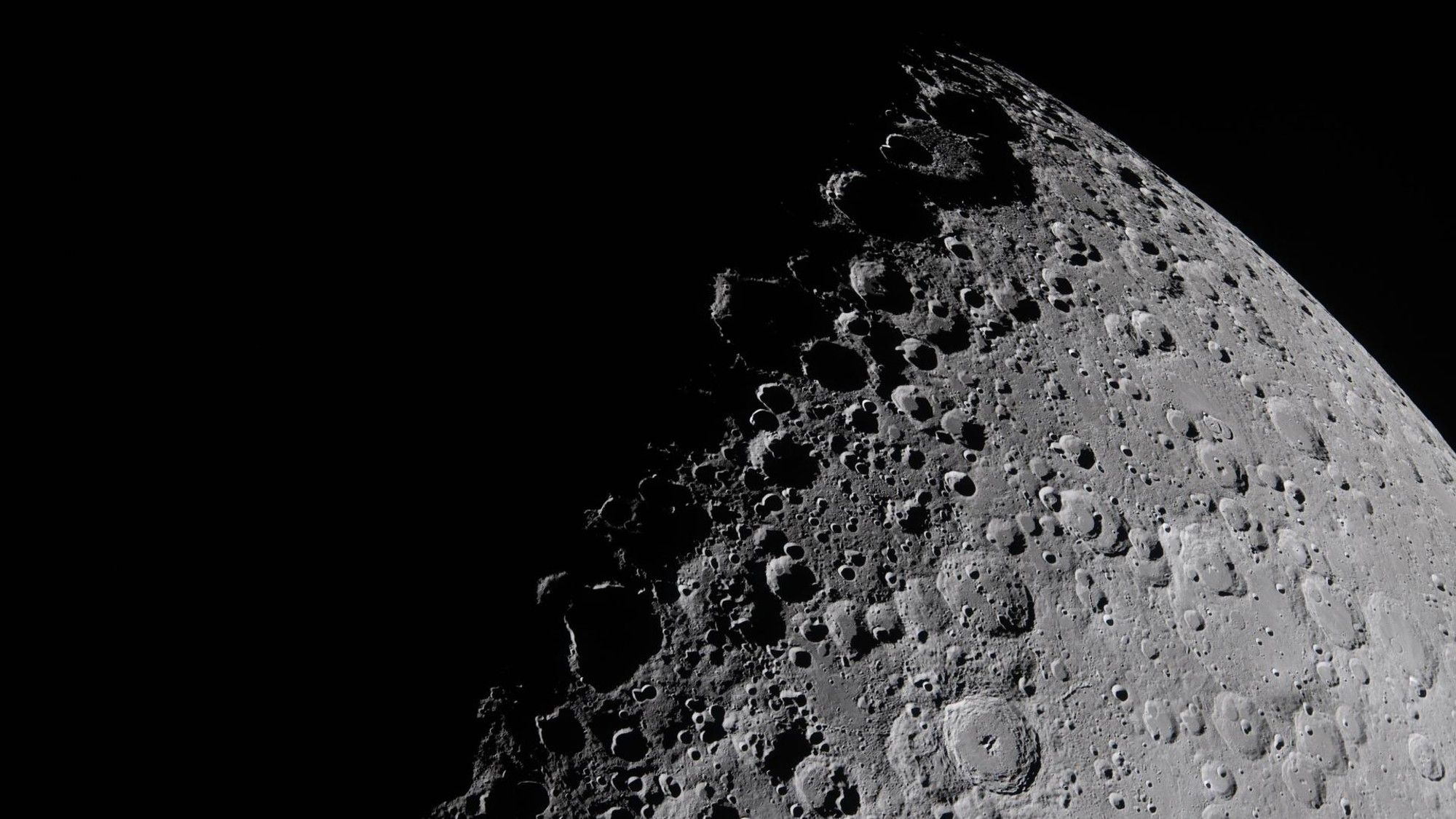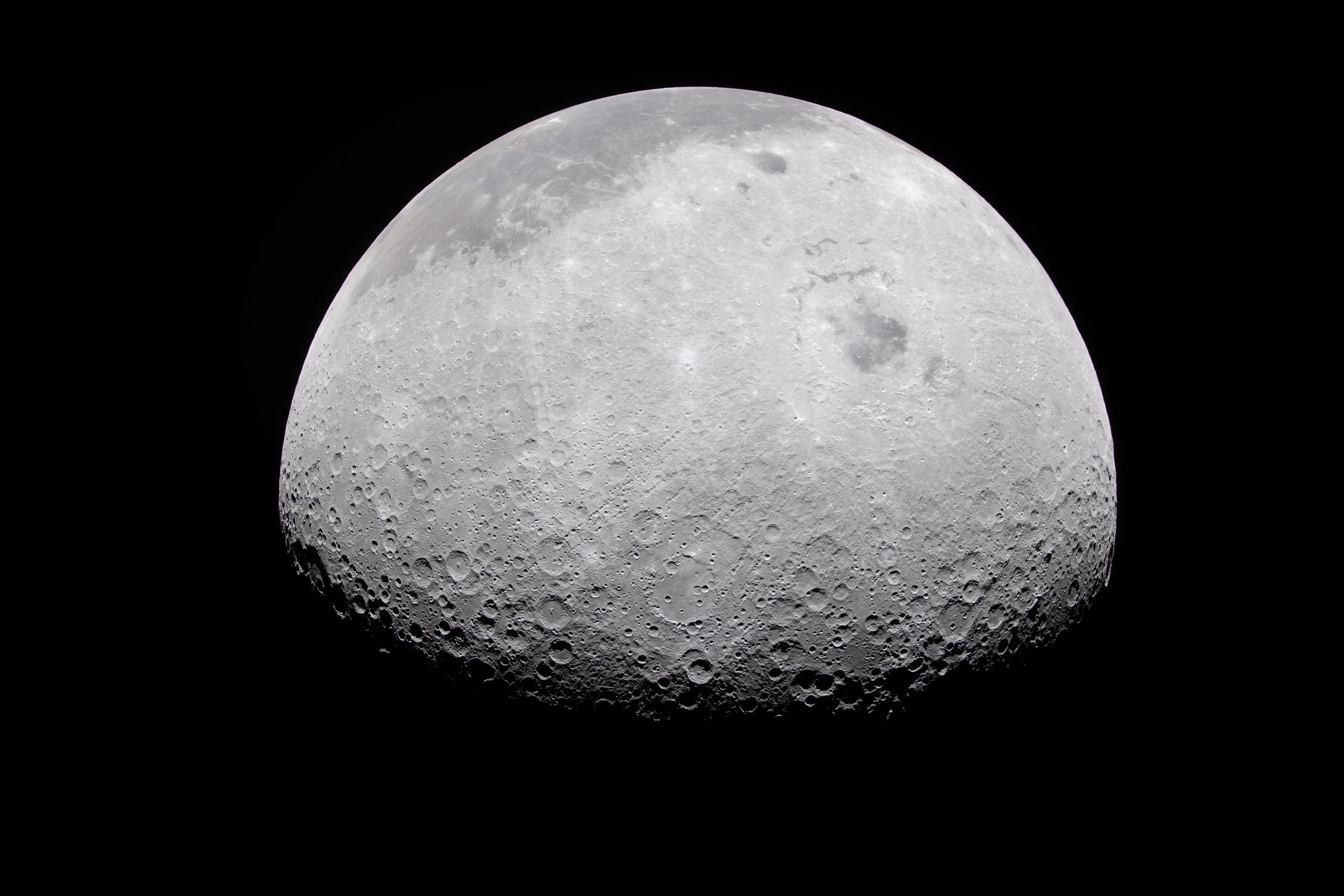
Using ground-based telescopes and space-based assets, NASA and SpaceX are tracking a used Falcon 9 upper stage from a commercial mission expected to impact the Moon on Wednesday, Aug. 5, near the Einstein and Bell craters. The impact poses no danger to Earth and NASA scientists are planning to collect lunar data from the event and refine techniques for tracking objects in space.
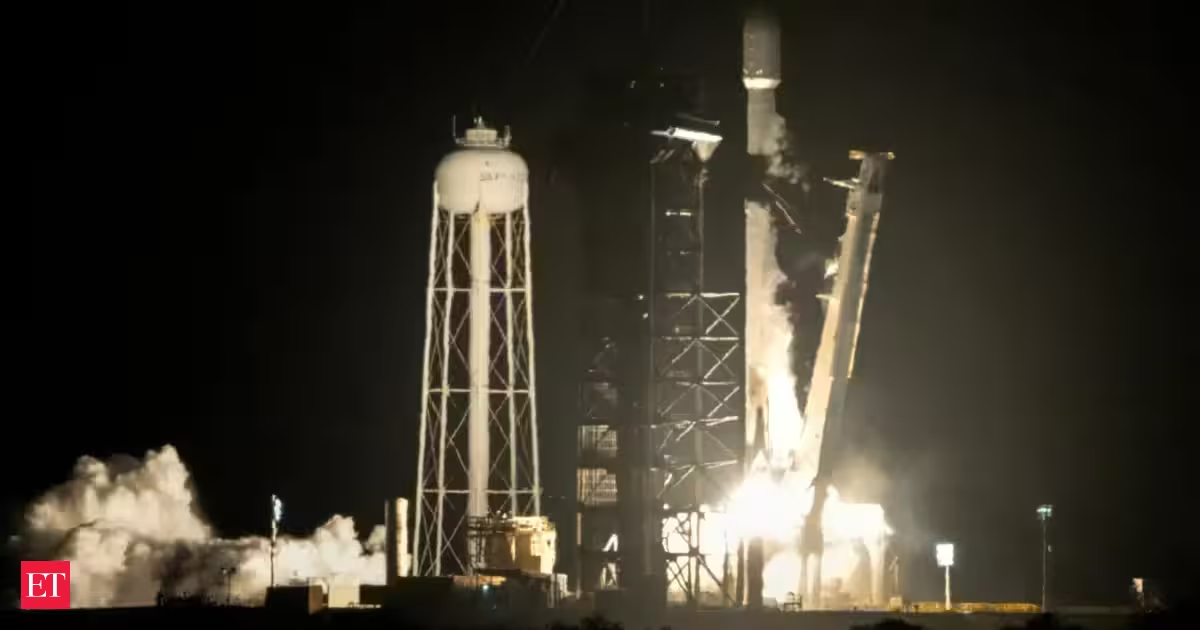
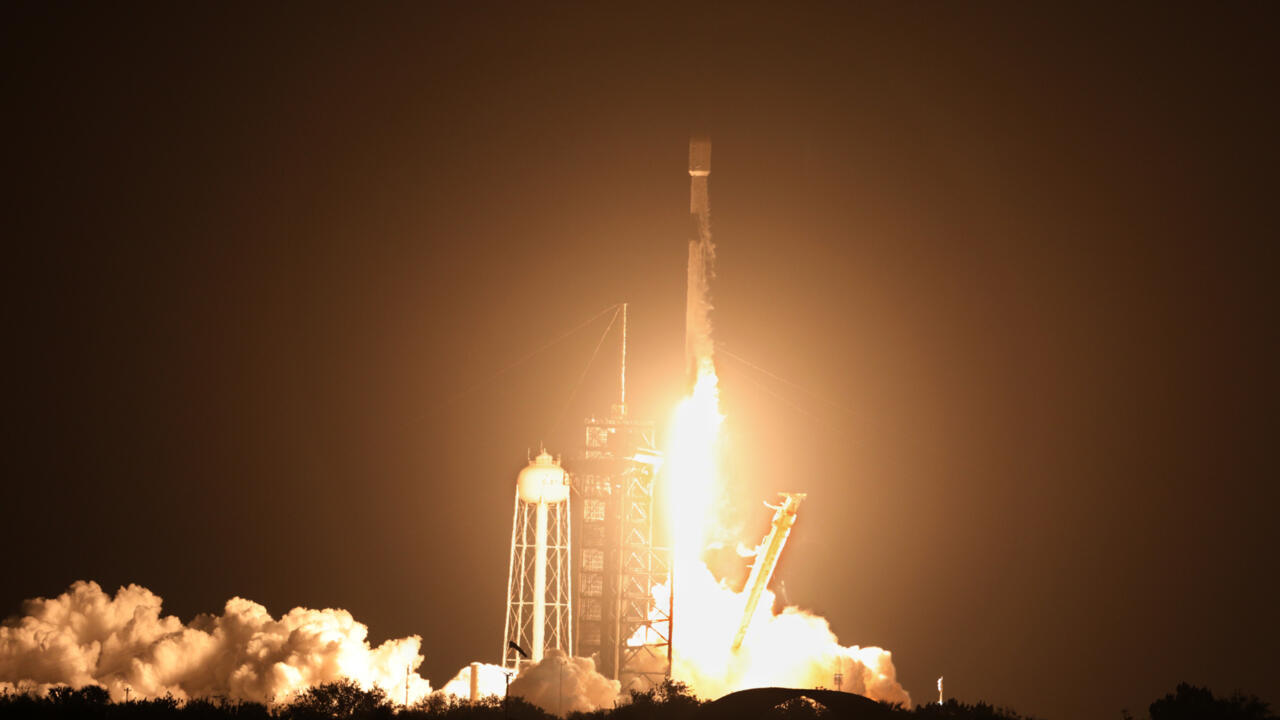
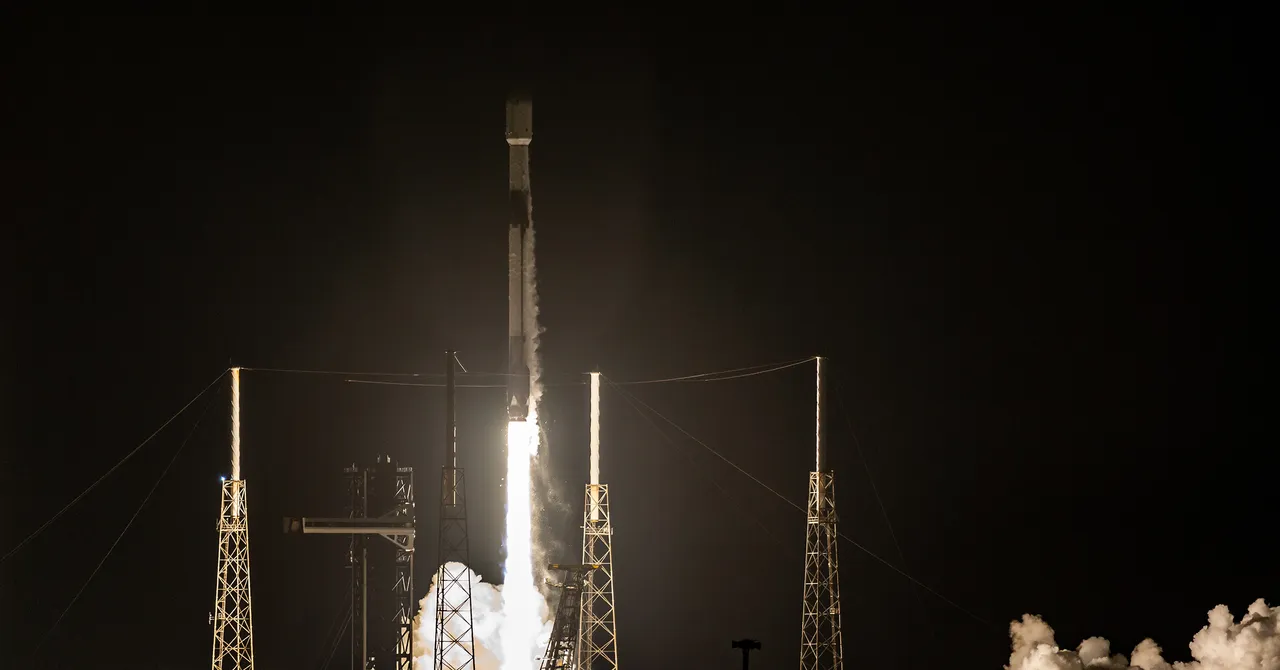
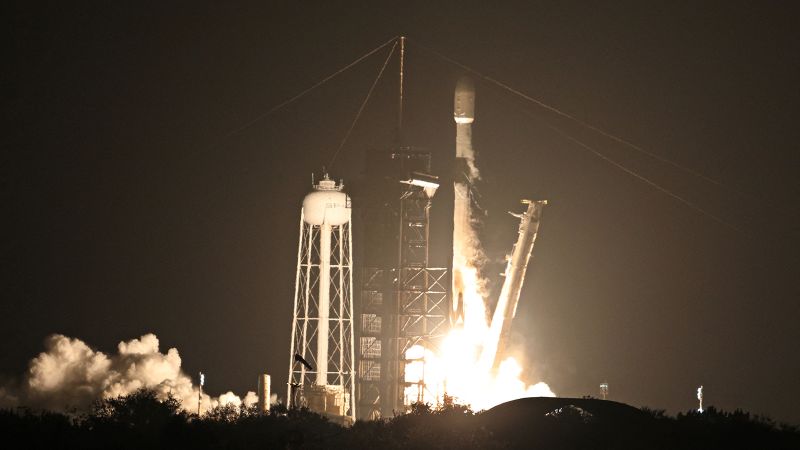
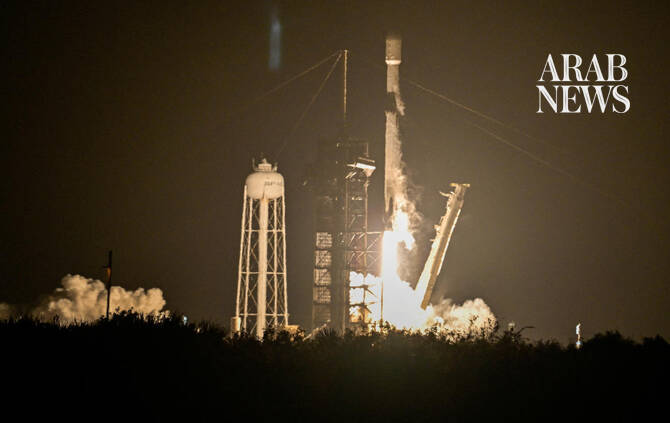
On Jan. 15, 2025, SpaceX launched the Falcon 9 rocket and successfully deployed Firefly Aerospace’s Blue Ghost 1 lunar lander to the Moon under NASA’s CLPS (Commercial Lunar Payload Services) initiative. Solar activity and gravitational forces caused the stage’s unplanned return to the Moon. NASA and SpaceX remain in communication about the upper stage and its flight path.
Independent astronomers first identified the trajectory using publicly available data. NASA’s Center for Near Earth Object Studies at the agency’s Jet Propulsion Laboratory in Southern California, which tracks natural objects that could pose hazards to Earth, later confirmed the stage has a 100% chance of impacting the Moon. NASA will continue tracking it as part of training operations.
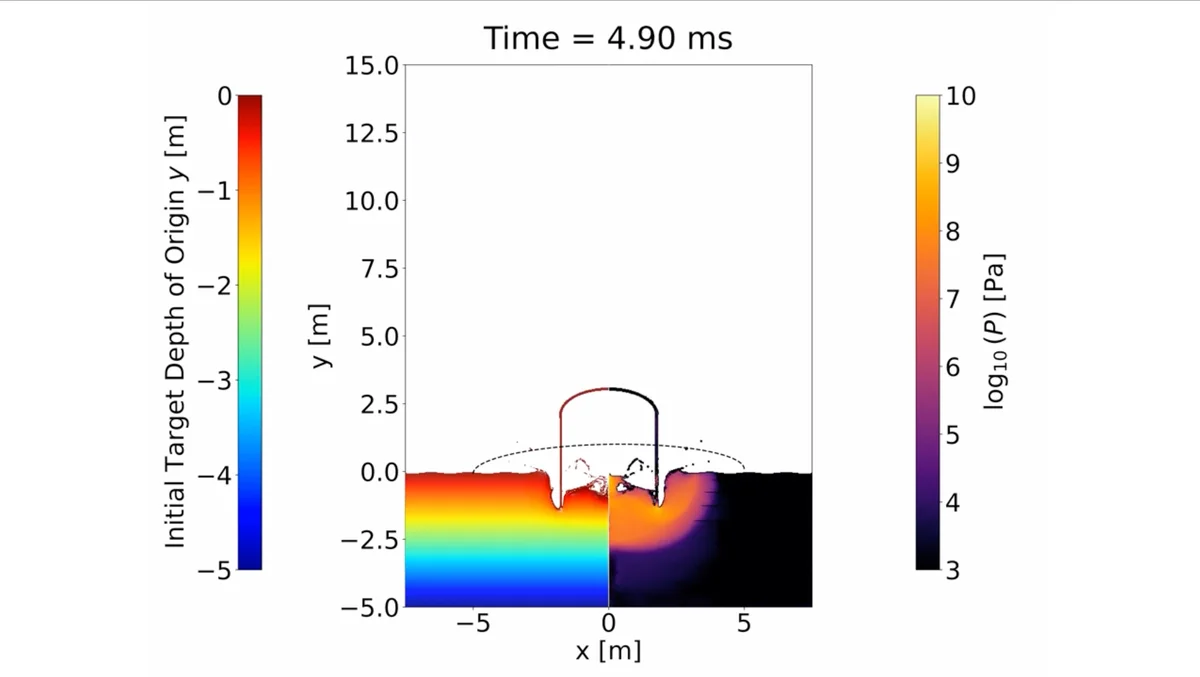
Because the Moon has no atmosphere to slow incoming objects, it is struck by meteoroids daily. Human‑made object impacts are far less common but do occur. The rocket stage is expected to create a crater about 60 feet wide and 12 feet deep and throw dust and rock outward as ejecta. For comparison, a meteoroid with the same energy as the upper stage hits the Moon about every six days, so the lunar surface is constantly absorbing impacts with the same force. Despite the disturbance, observing impacts gives scientists valuable insight by revealing how ejecta plumes behave, helping to understand the Moon’s geology and refine models that guide future exploration and science missions.