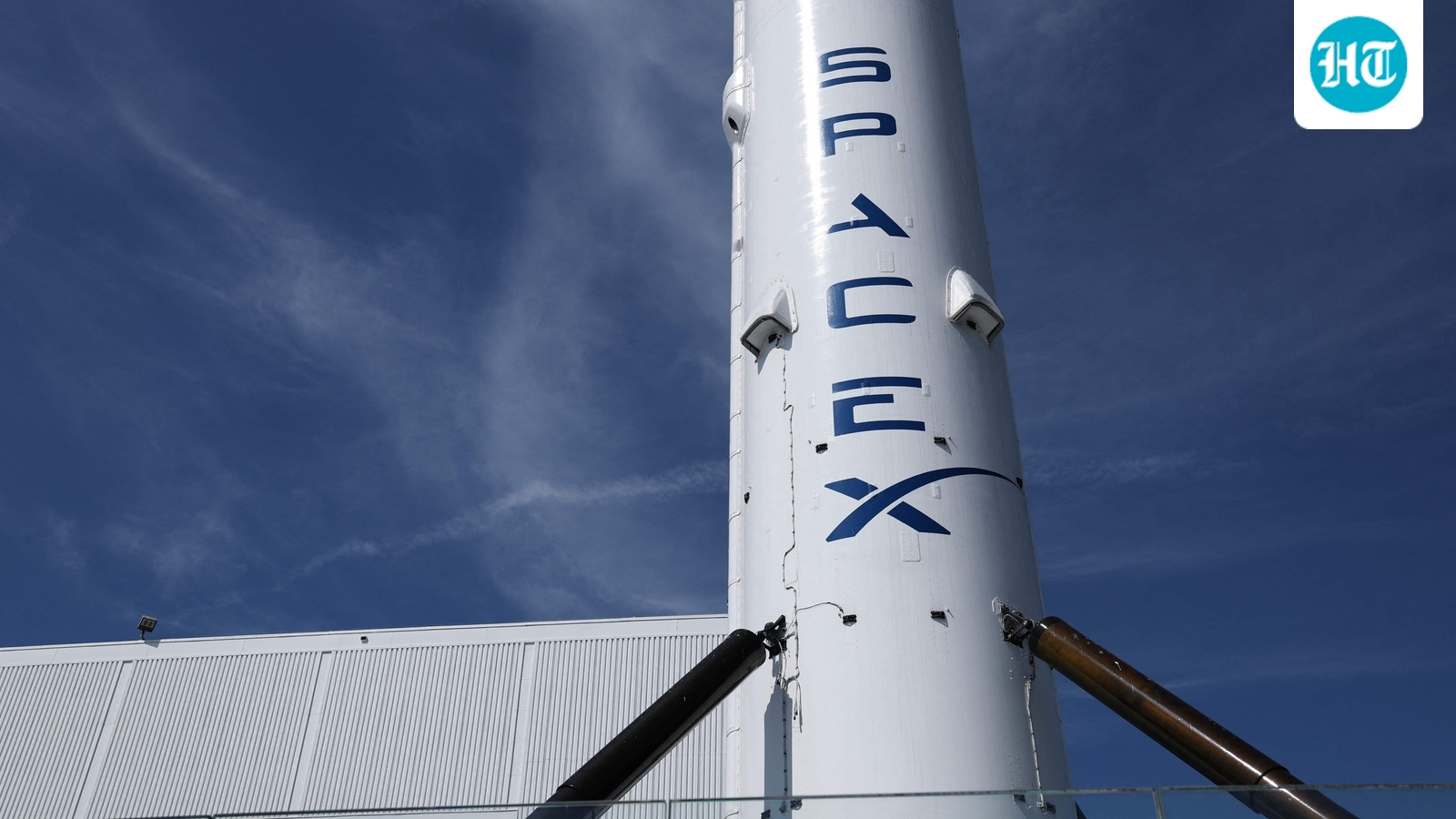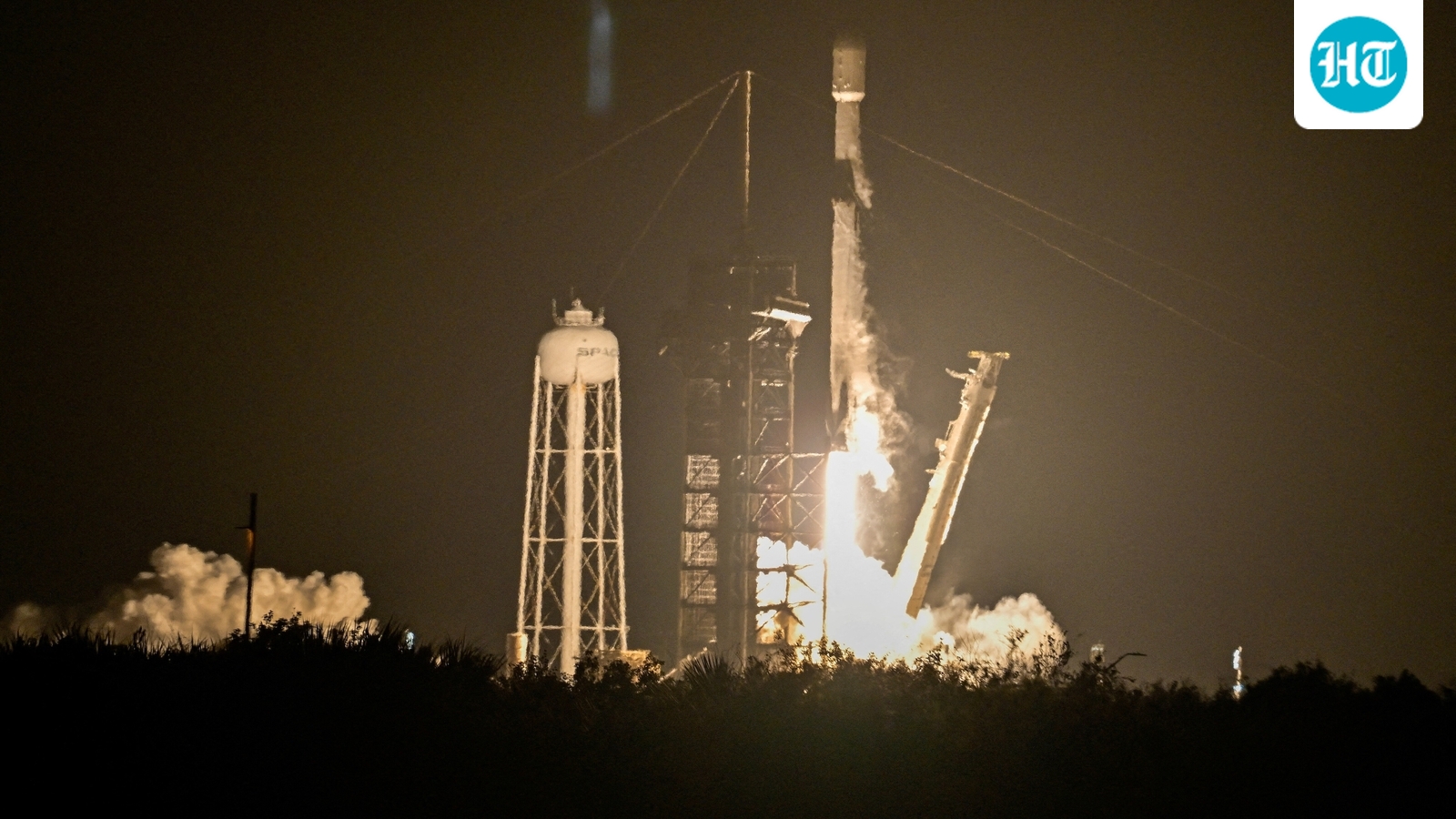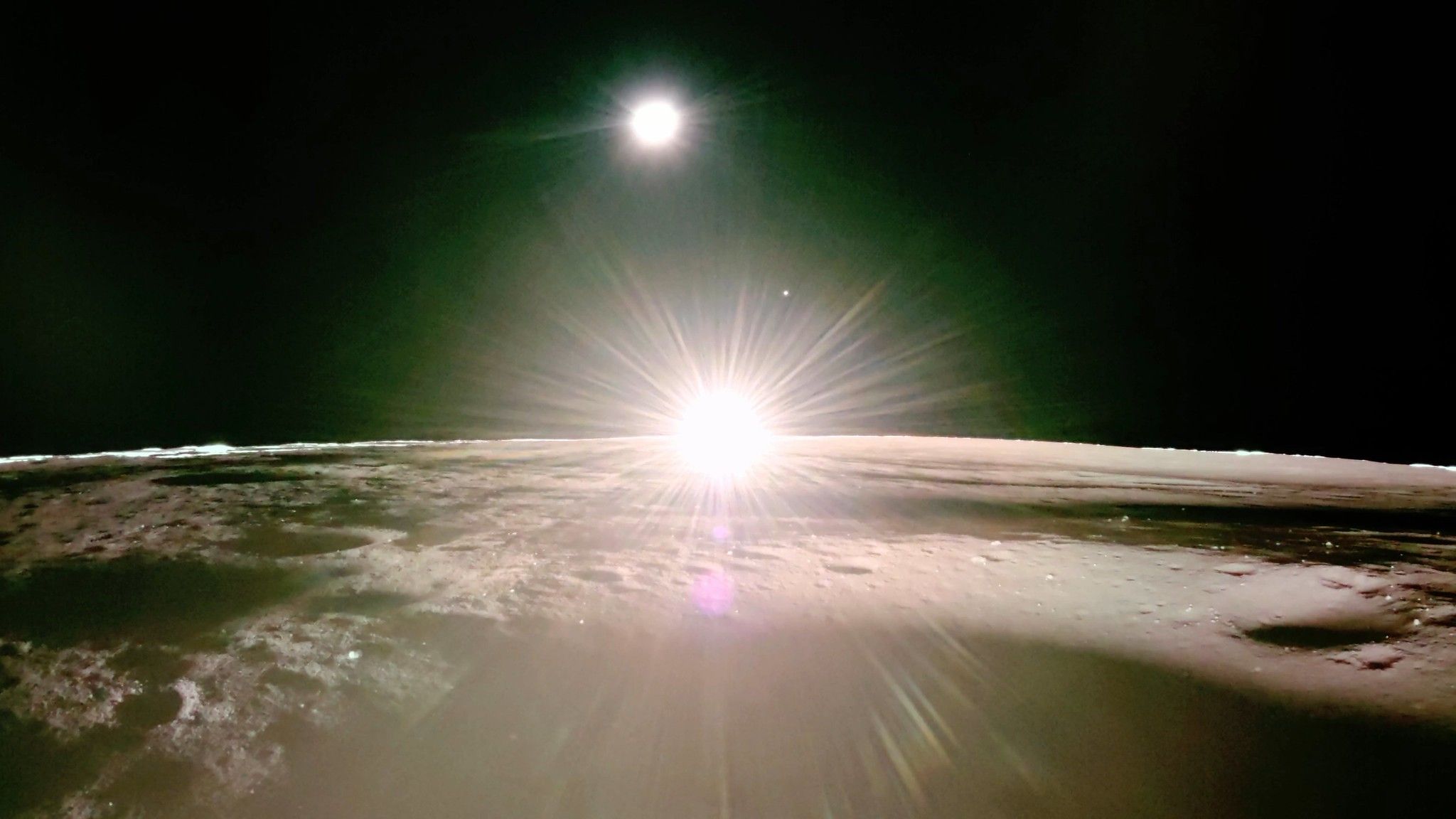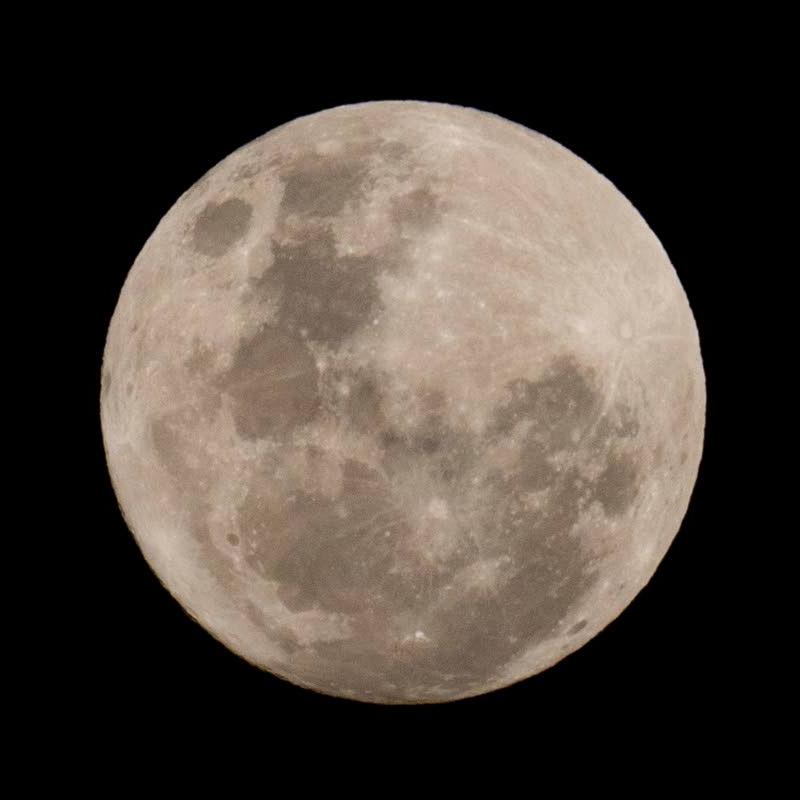
Part of a SpaceX rocket used to launch a pair of robotic commercial lunar landers is expected to crash into the moon early Wednesday morning.
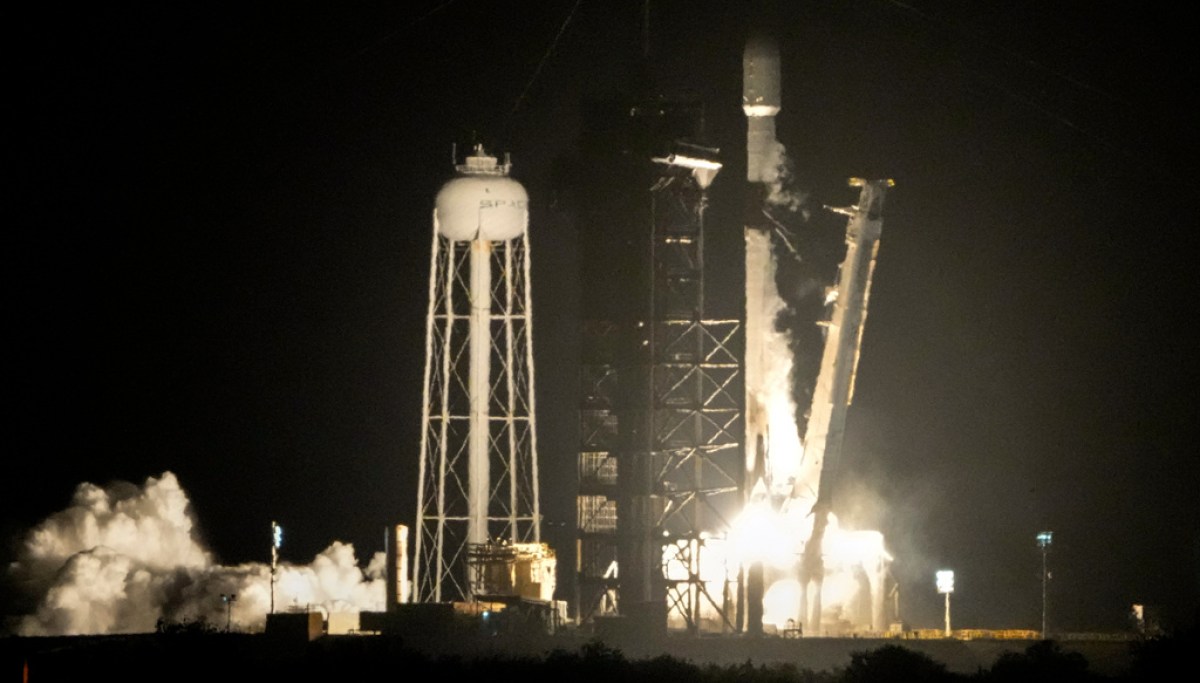
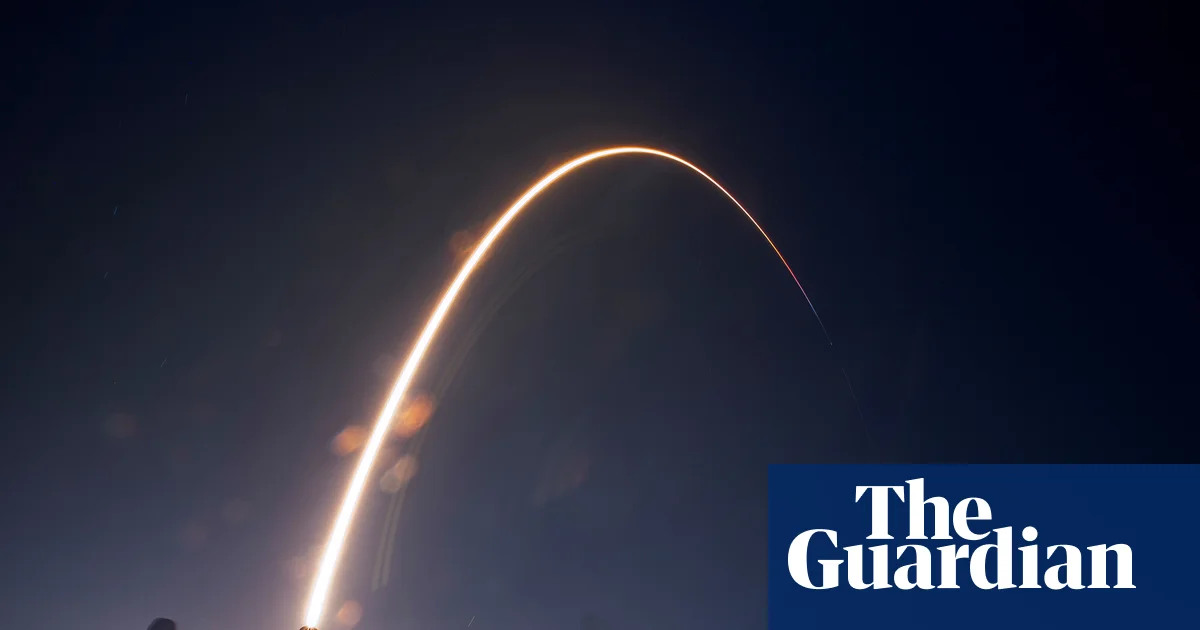
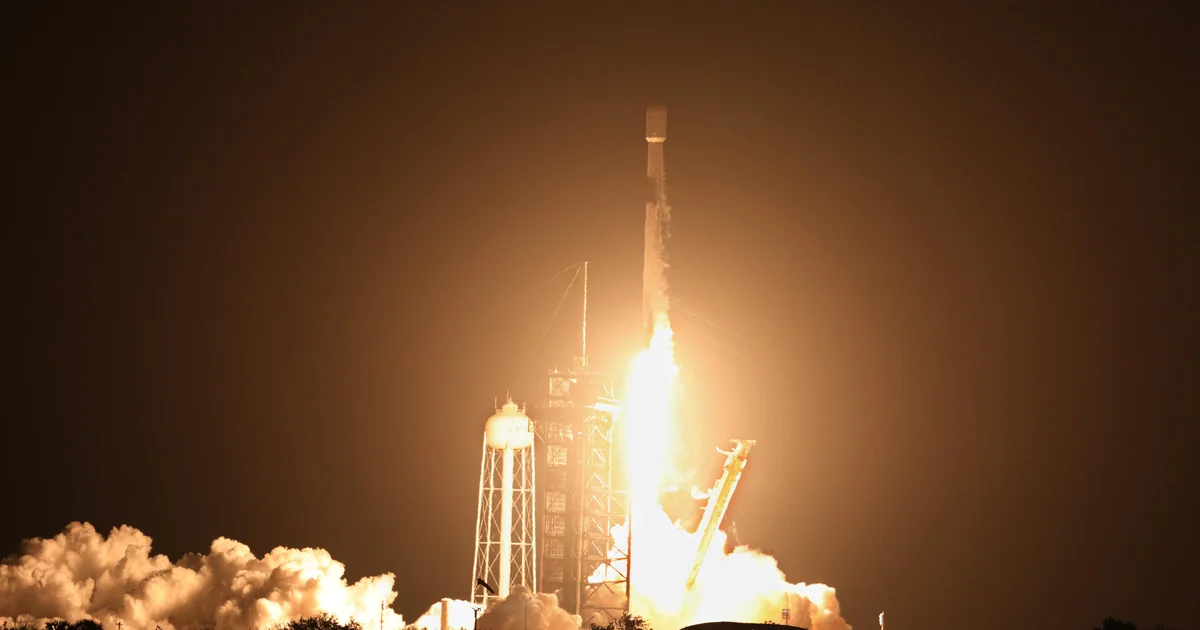
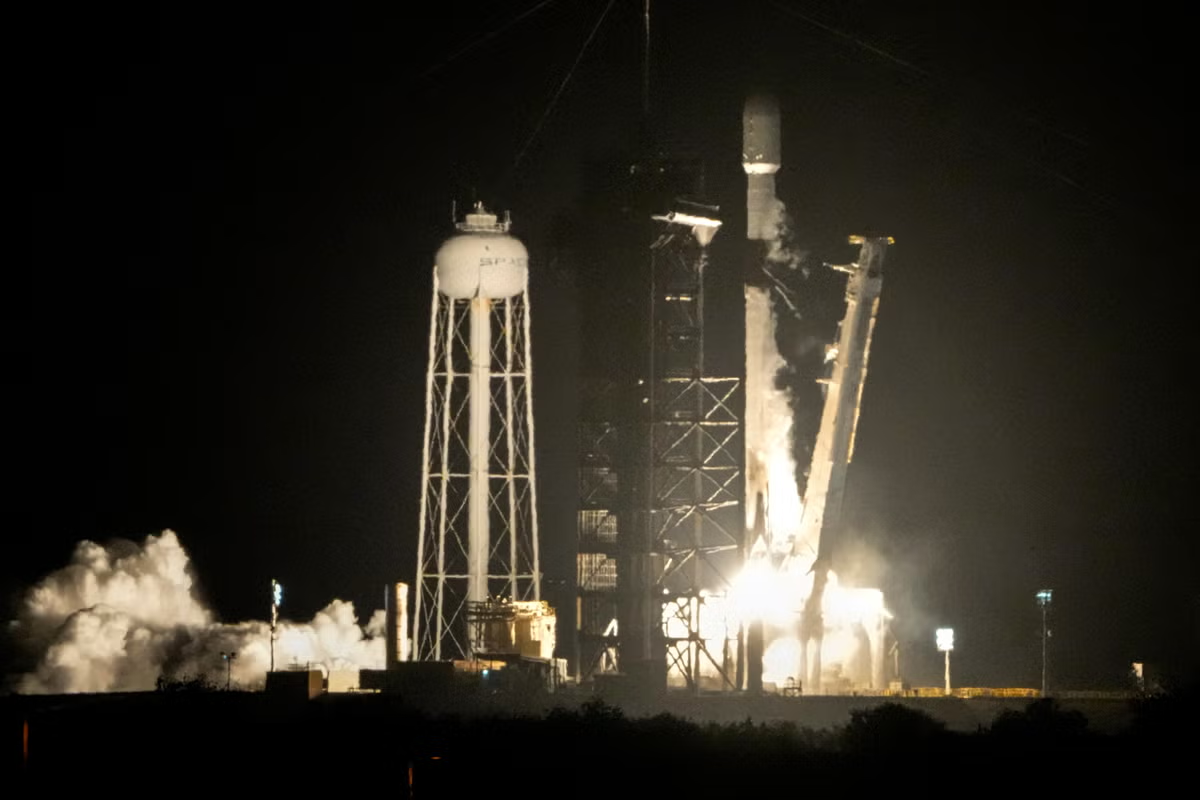
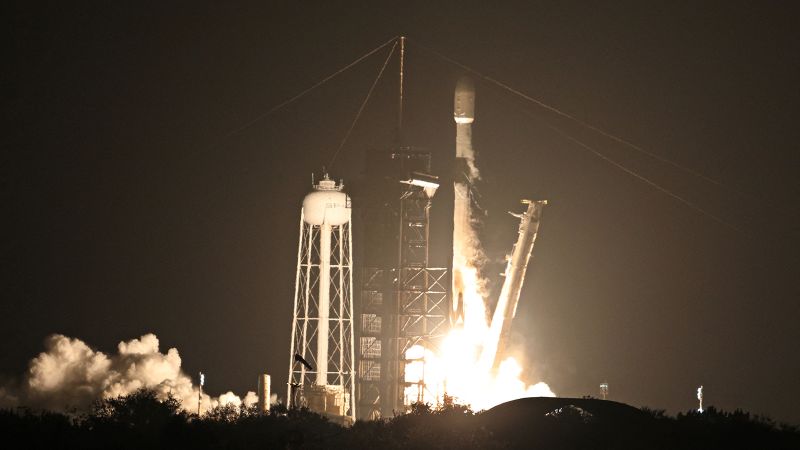
The Falcon 9 rocket lifted off on January 15, 2025, carrying the Blue Ghost lander developed by Texas-based Firefly Aerospace, as well as Tokyo-based Ispace’s Resilience lander. Blue Ghost successfully soft-landed on the moon in March 2025, while Resilience failed to land safely a few months later.
While the rocket’s first stage — the booster used for liftoff — returned to Earth, Falcon 9’s second, or upper, stage served as the in-space workhorse to propel the landers on their path to the moon.
For missions heading to low-Earth orbit, the nearby region where the International Space Station circles our planet, SpaceX and other operators usually dispose of the upper stage by allowing it to burn up Earth’s atmosphere, said Julianna Scheiman, director of NASA Science and Dragon Programs at SpaceX, at a Monday news conference.
“But for high energy missions, we need to perform a different maneuver to ensure the second stage itself is safe per the appropriate rules and regulations,” Scheiman said. “We did that here for the Ispace and Blue Ghost missions’ second stage, and what has happened is essentially a mixture of solar activity and gravity forces have put it on a path towards the moon.”